The Crescent Bay Where Surf Culture Still Feels Unhurried
On Sri Lanka's southern coast, a horseshoe cove has quietly become the antidote to overtourism - without losing its soul.
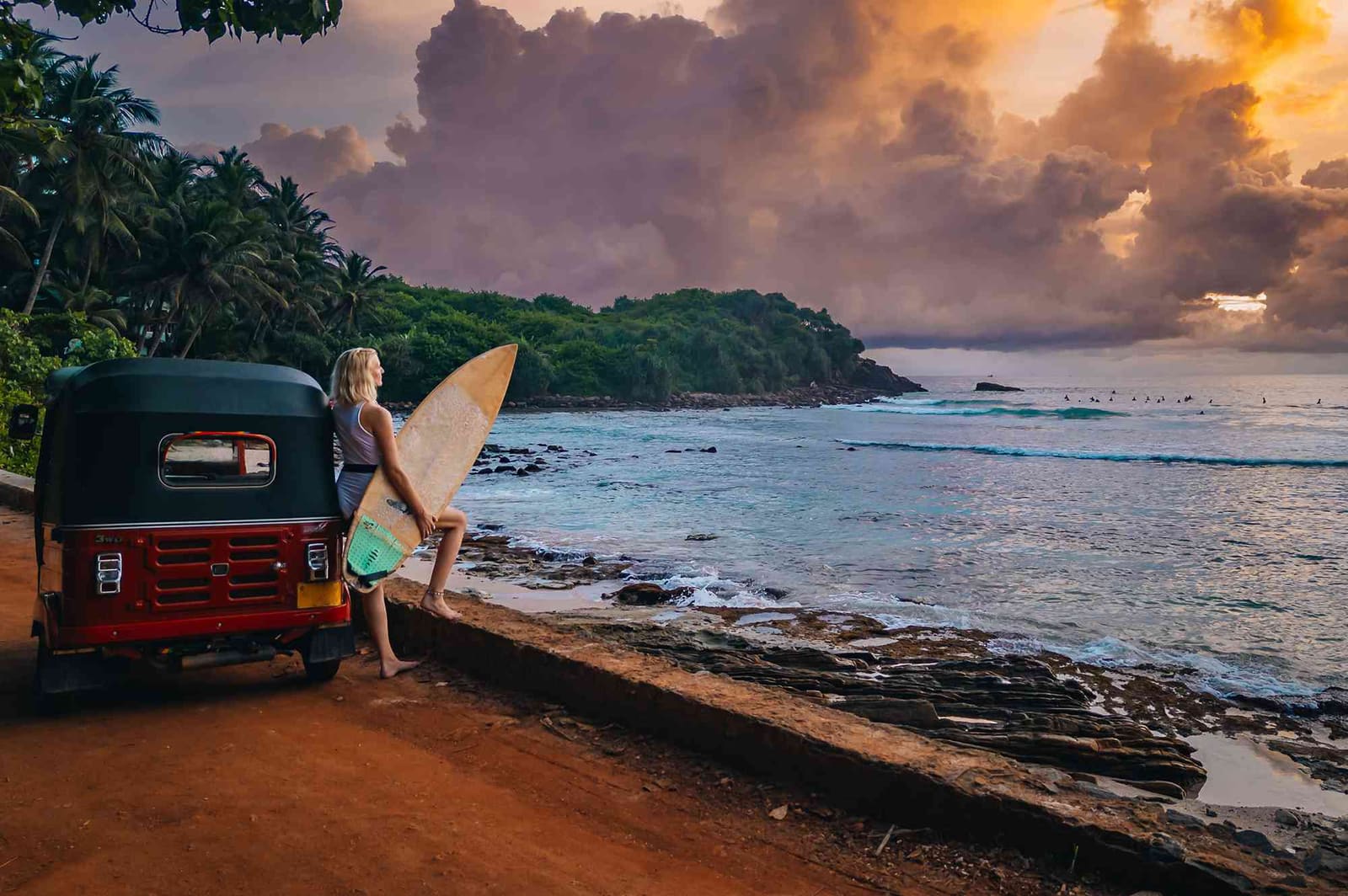
A Bay That Curves Like a Question Mark
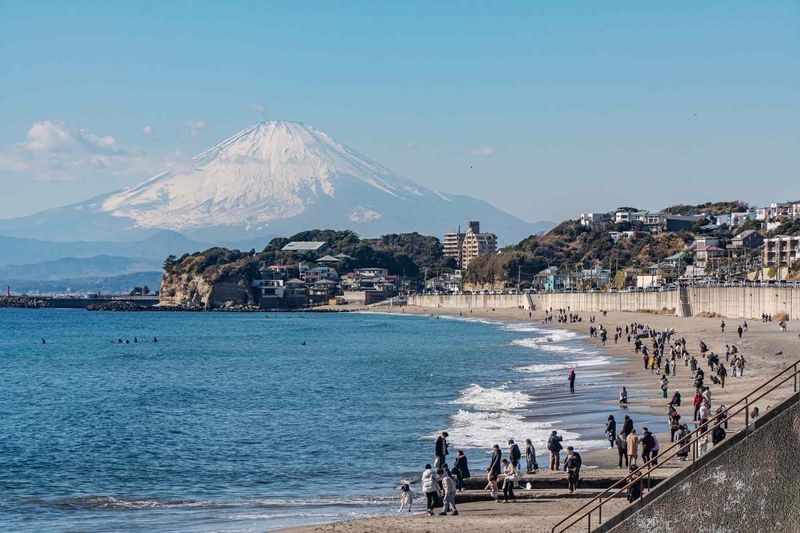
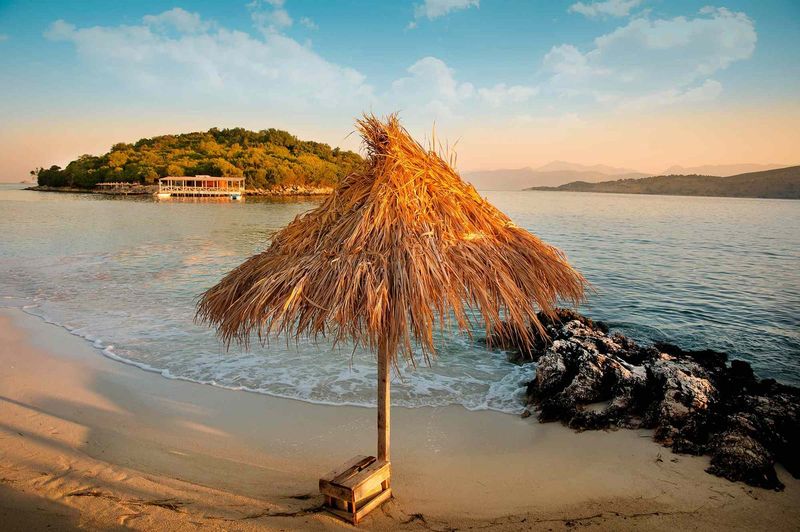
The first thing you notice as the road dips toward Hiriketiya is the way the coastline folds in on itself - a near-perfect crescent of sand cradled by rocky headlands, the kind of geography that seems designed by some ancient hand for the precise art of wave-riding. Fishermen mend nets in the early light. A handful of surfers bob beyond the break, silhouettes against water that shifts from jade to cobalt as the sun climbs. There are no high-rises here, no branded beach clubs with velvet ropes. Just a scattering of guesthouses painted in sun-bleached pastels, a few open-air cafés strung with fairy lights, and the unshakeable sense that you've arrived somewhere before the rest of the world has.
At Global Chic Voyage, we've watched Asia's surf towns follow a familiar trajectory - discovery, adoration, transformation, and eventually, the kind of crowding that erases the very qualities that made them magnetic in the first place. Hiriketiya, tucked along Sri Lanka's southern coast, still sits somewhere in the early chapters of that story. It has the infrastructure to welcome travelers - yoga studios, espresso bars, a rotating cast of international surfers - but it hasn't yet tipped into the frenzy that now defines places like Canggu or Siargao during peak season.
The Anatomy of a Beginner-Friendly Break
The bay's geography is its greatest asset. The horseshoe shape means waves wrap around the headlands and roll in with unusual consistency, peeling gently across the sandy bottom. For novice surfers, this is rare luxury - a forgiving environment where wipeouts are soft landings and the learning curve feels less vertical. Instructors work the shallows each morning, guiding first-timers through pop-ups and paddle technique, their voices carrying over the low rumble of whitewater.
But the break isn't just for beginners. When the swell picks up, more experienced riders find clean shoulders and playful sections near the point. The water stays warm year-round, negating the need for anything more than boardshorts or a bikini. And because the bay is relatively compact, there's an intimacy to the lineup - a rotating cast of familiar faces, nods exchanged between sets, the kind of low-key camaraderie that feels increasingly scarce in surf destinations where competition for waves has become cutthroat.
Where the Day Unfolds Without Agenda
Beyond the surf, Hiriketiya operates on a rhythm that feels deliberately unhurried. Mornings begin with king coconuts cracked open at roadside stands, their pale water sweet and faintly floral. By mid-morning, the beachfront cafés fill with a mix of remote workers tapping at laptops, surfers nursing post-session hunger with rice and curry, and travelers flipping through dog-eared paperbacks under ceiling fans.
The town's dining scene reflects its hybrid identity - part traditional fishing village, part cosmopolitan waystation. You'll find hoppers and sambol served alongside acai bowls and sourdough. Small bars open onto the sand as the sun drops, their soundtracks shifting from acoustic guitar to mellow electronica as the evening deepens. There's no velvet-rope pretense here, no manufactured exclusivity. Just wooden tables, cold beer, and the kind of sunsets that painters struggle to render without lapsing into cliché - streaks of tangerine and violet bleeding across the horizon as fishing boats drift back to shore.
The Tension Between Growth and Preservation
Hiriketiya's appeal lies in its current state of equilibrium, but that balance is delicate. Over the past few years, development has accelerated. New guesthouses appear each season. Land prices have climbed. Locals who once farmed or fished now run surf schools and restaurants, a shift that brings economic opportunity but also raises familiar questions about cultural continuity and environmental stewardship.
The town hasn't yet implemented the kind of regulatory frameworks that might prevent overdevelopment - no height restrictions on buildings, no limits on beachfront construction, no formalized waste management systems to handle the influx of visitors. Plastic waste, though less visible than in more crowded destinations, remains a persistent challenge. And as word spreads, the risk is that Hiriketiya follows the well-worn path of other surf towns - charming until it isn't, intimate until it's overrun.
What makes the place worth visiting now, and worth watching, is that it still retains agency over its own future. Community-led initiatives around beach clean-ups and sustainable tourism are nascent but growing. Some guesthouse owners have begun conversations about shared infrastructure investments. The question is whether these efforts can scale quickly enough to match the pace of arrival.
Why This Moment Matters
We return to places like Hiriketiya not out of nostalgia for some imagined past, but because they remind us what travel can feel like when it isn't rushed, commodified, or performed for social media. The bay offers something increasingly rare - a space where the infrastructure of tourism exists without dominating the landscape, where you can learn to surf without booking months in advance, where evenings unfold without itinerary.
Sri Lanka's southern coast has long been overshadowed by the country's cultural triangle and tea country, which means destinations like this have developed slowly, almost accidentally. That lag has been a gift. But it's also a countdown. The window in which Hiriketiya feels both accessible and unspoiled is finite. For travelers seeking the kind of barefoot beach culture that once defined Bali or Tulum before they became global brands, this crescent bay represents a fleeting opportunity - a place still writing its own story, still deciding what kind of destination it wants to become.