The iPod, the Villa, and the Dive: A Lake Garda Return
When ritual becomes luxury, and summer finds its anchor in the same jetty, the same cool water, the same gravel crunch year after year.

The Playlist That Came Home
There is a particular kind of satisfaction in rediscovering something you thought was lost. Not the frantic joy of reunion, but the quiet relief of continuity restored. For one traveler threading the Alpine roads between Zürich and the Italian lakes, that restoration arrived in the form of a vintage iPod, gifted by a thoughtful reader who noticed its absence and tracked down a working model.
The device, compact and analog in spirit if not in fact, carried two and a half decades of carefully curated music. No algorithms, no shuffle based on mood detection, just the songs that had soundtracked years of movement. Miki Matsubara's city-pop shimmer, the French indie elegance of Angèle and Clara Luciani, Lisa Ekdahl's jazz-inflected whispers, all queued and ready. The previous summer's drive to Lisbon had relied on radio roulette, spinning the dial through Switzerland, France, Spain, and Portugal, picking up regional stations and stumbling into new tracks. It had its charms, that method, a kind of forced serendipity. But the return of the iPod brought something deeper: the ability to choose the mood, to let memory and music align as the landscape shifted outside the windows.
At Global Chic Voyage, we've long believed that the soundtrack matters as much as the route. A road trip is not just a passage through space but through time, through versions of yourself, and the right song at the right bend in the road can make the difference between a pleasant drive and a journey you'll remember for years.
Villa Arnica and the Storm That Knew Its Place
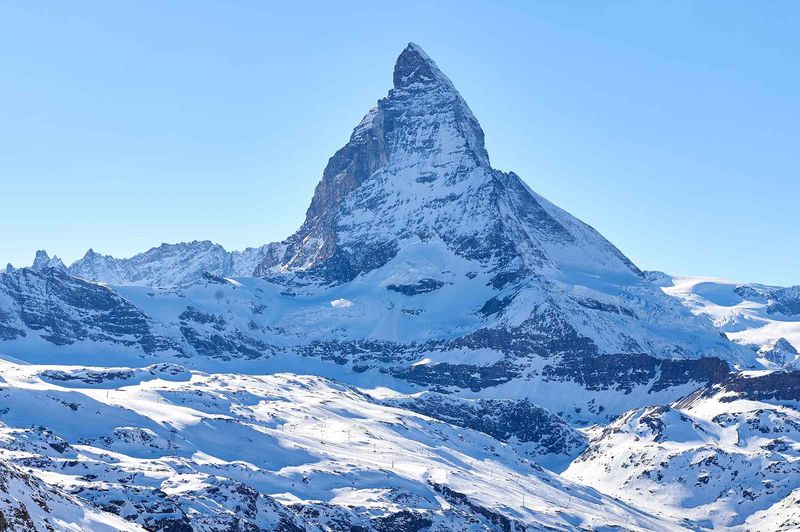
The journey began in Zürich, mid-week, with a four-and-a-half-hour push south to Villa Arnica in Lana, South Tyrol. This was the third visit of the year, the kind of return that signals not novelty but loyalty. The staff greeted arrivals with the ease of people who recognize faces and remember preferences. The pool held steady at twenty-six degrees Celsius. Overhead, storm clouds gathered and grumbled but stayed politely on the far side of the peaks, as if they too understood the unspoken rules of hospitality.
Dinner that evening unfolded at 1477 Reichhalter, a restaurant whose name alone suggests altitude and tradition. The following morning, the road called south again, this time toward Lake Garda. One member of the traveling party stayed behind, either poolside or minding a small shop on Dantestrasse in Merano, ready to recommend bold canvases or hand-painted ornaments to passersby. The image is charming in its specificity: a woman with oversized eyewear, a temporary steward of a place that exists at the crossroads of retail and personal ritual.
Villa Feltrinelli and the Architecture of Return
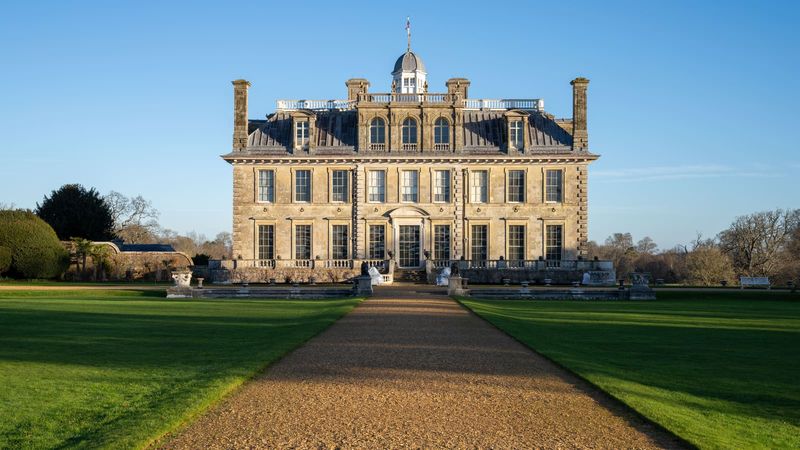
By Thursday afternoon, the gravel driveway of Villa Feltrinelli crunched beneath tires once more. This property on the western shore of Lake Garda has been a fixture for a quarter-century, the kind of place where the general manager and many of the original staff remain, a continuity rare enough to be remarked upon. Twenty visits, perhaps more. The exact number hardly matters. What matters is the constancy, the knowledge that the same hands will pour your coffee at breakfast, adjust your towel by the pool, attend to you on the massage table.
The villa itself is a study in understated grandeur. There is a long, dark pool carved into the lawn, favored by some. But the true ritual, the one that defines a summer morning here, is the two-meter dive off the jetty into the lake's cool, rolling waves. It is not a swim for exercise or for show. It is a swim for arrival, for marking the transition from traveler to guest, from motion to presence.
We've returned to certain hotels over the years, and the ones that hold us are never the ones with the most dramatic architecture or the most Michelin stars in the dining room. They are the ones where the rituals feel earned, where repetition deepens rather than dulls the experience. Villa Feltrinelli is one of those. The jetty, the dive, the cold shock of the water, these are not luxuries you can manufacture. They are luxuries you grow into.
The Road Onward
From Lake Garda, the route continues south to the Mediterranean, to il Pellicano for lunch, to other stops that exist in the traveler's private atlas. This is not a journey designed to be replicated exactly, though elements of it, the Alpine crossing, the village detours, the insistence on analog music, offer a template for those inclined toward slower, more deliberate movement.
The modern road trip is often framed as an escape, a break from routine. But the more interesting version, the one we've watched unfold across our years of covering travel, is the road trip as ritual. The same routes revisited, the same villas returned to, the same songs played at the same mountain passes. This is not monotony. This is the cultivation of a geography that belongs to you, a map written in muscle memory and preference rather than in guidebook recommendations.
The beauty of such a journey lies in its refusal of novelty for novelty's sake. There is no checklist here, no Instagram-driven urgency to see everything once. Instead, there is the patient accumulation of familiarity, the deepening of connection that comes only through return. The iPod becomes a vessel for this philosophy. Its songs are not discovered; they are chosen, carried, played again. The villa is not stumbled upon; it is sought, booked through persistent calls and flexible dates, the kind of effort that reflects commitment rather than convenience.
Why Repetition Is the New Luxury
In an age of infinite options and algorithmic recommendations, the deliberate narrowing of choice feels almost radical. To return to the same villa, to dive from the same jetty, to listen to the same playlist, is to assert a kind of editorial control over one's own experience. It is to say: I know what I like, and I see no reason to apologize for that.
This is not nostalgia, though nostalgia may be a component. It is something closer to curation, the building of a life composed of carefully selected elements that deliver consistent pleasure. The storm clouds that stay on their side of the peaks. The pool at precisely twenty-six degrees. The gravel crunch that signals arrival. These are not accidents. They are the result of choices made and remade, of a willingness to return rather than to move on.
At Global Chic Voyage, we've noticed this shift among the travelers we most admire. They are not chasing new destinations with the same fervor they once did. They are deepening their relationships with the places they already know. They are learning the names of the staff, the best time to swim, the back roads that avoid the traffic. They are, in short, behaving less like tourists and more like residents of a dispersed, seasonal home.
The road trip from Zürich to Lake Garda, soundtracked by a resurrected iPod and punctuated by a dive into cold water, is a small example of this larger philosophy. It is travel as practice rather than as conquest, as refinement rather than as accumulation. And in that refinement, there is a kind of luxury that no amount of novelty can match.