The Heart of Italy Beats Slowest in Tuscany
Where cypress-lined roads unravel centuries of craft, flavor, and the art of living well
A Geography of Grace
There is a particular quality to the light in Tuscany that no photograph quite captures. It arrives slanted through cypress trees in the late afternoon, turning the hills into gradations of green and gold, softening the edges of medieval towers that have stood watch over these valleys for eight hundred years. At Global Chic Voyage, we've watched travelers return from this region changed - not by a single monument or museum, but by the cumulative weight of beauty delivered in small, daily doses.
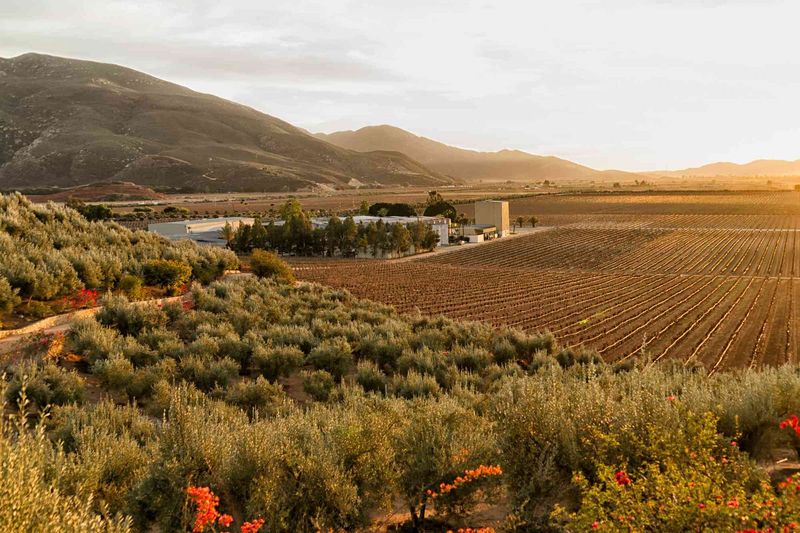
The landscape itself is a work of curation. Rows of vines march up hillsides with geometric precision, punctuated by stone farmhouses whose terracotta roofs glow like embers at dusk. Olive groves cascade down slopes in silver-green waves. The countryside feels both wild and tended, a partnership between human hands and geology that has endured since Etruscan times.
This is not a region that announces itself loudly. Tuscany's pleasures are quieter, more considered - the kind that reveal themselves over the course of a week spent driving narrow roads between hilltop towns, each one a self-contained universe of cobblestone, frescoes, and family-run trattorias where the menu has barely changed in generations.
The Architecture of Time
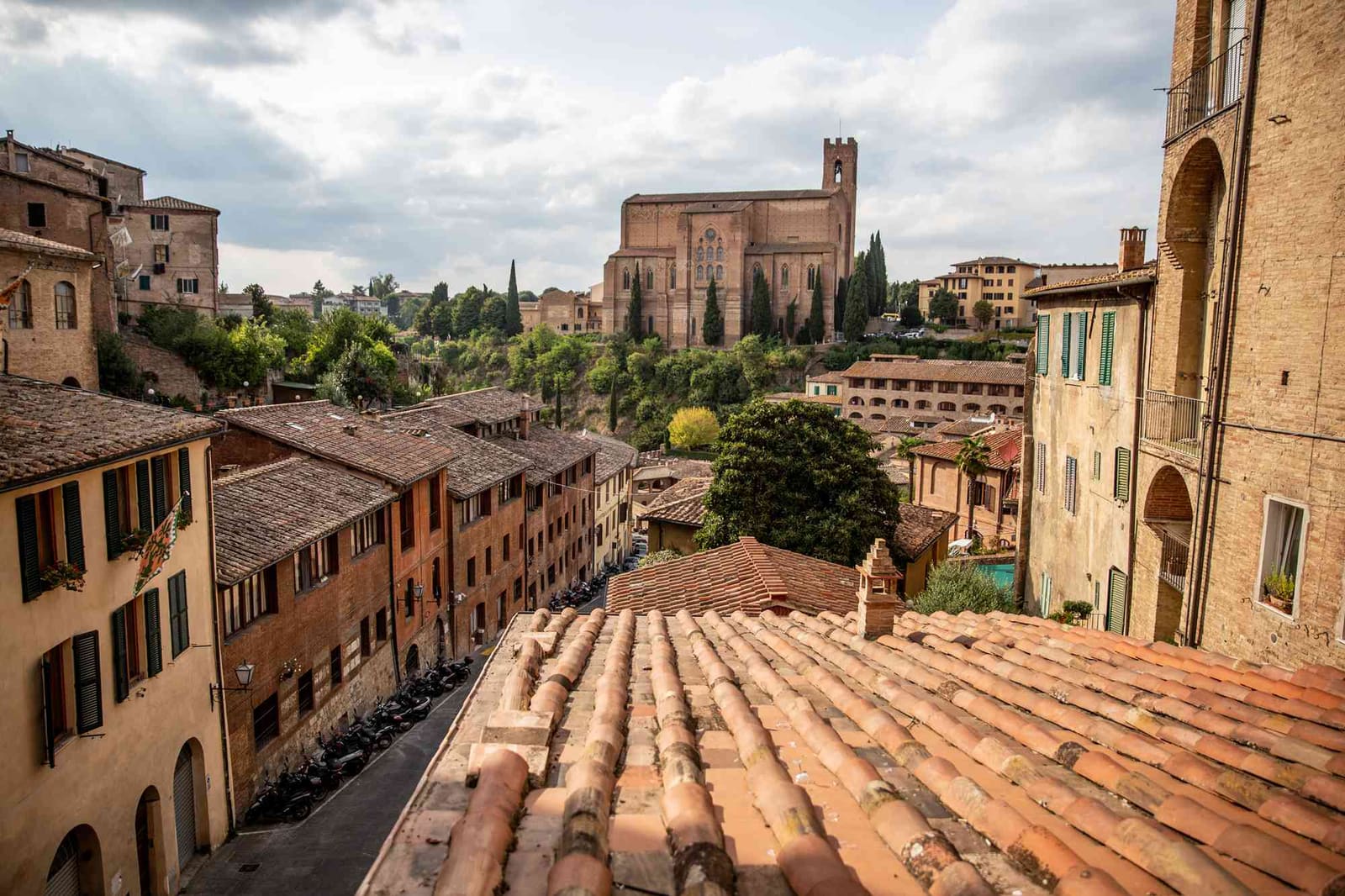
Medieval villages cling to Tuscan hilltops like barnacles to rock, their defensive positions long obsolete but their silhouettes still arresting. These are not museum towns preserved in amber; they are living communities where laundry flutters from Renaissance-era windows and espresso bars occupy ground floors that once housed blacksmiths and grain merchants.
The stone used throughout the region - pietra serena, a grey sandstone - ages with particular elegance, weathering into surfaces that seem to hold centuries in their grain. Palazzo facades bear the scars of time: faded coats of arms, bricked-up windows from when glass was taxed, iron rings where horses were once tethered. The architecture speaks a visual language of continuity, where Gothic arches meet Romanesque columns and fifteenth-century additions blend seamlessly with structures far older.
Walking these towns requires a certain surrender to disorientation. Streets curve and double back, opening suddenly onto piazzas dominated by wells or statues, then narrowing again into passages barely wide enough for two people to pass. It is deliberate, this labyrinthine quality - a defense strategy that has become, centuries later, part of the charm.
Viticulture as Philosophy
Tuscany's relationship with wine is less about production than about identity. The region's winemakers operate within strict geographic and varietal boundaries, their methods governed by tradition and terroir in equal measure. Sangiovese grapes dominate, their thin skins and high acidity yielding wines that are earthy, structured, and deeply tied to the limestone and clay soils from which they spring.
The estates themselves are often multi-generational endeavors, where innovation happens slowly and with great deliberation. Cellars carved into hillsides maintain steady temperatures year-round; oak barrels are sourced from specific French forests; harvest dates are determined not by calendar but by the accumulated wisdom of decades spent watching these particular vines respond to these particular seasons.
Visiting a Tuscan vineyard is an exercise in patience - the kind of experience that cannot be rushed. Tastings unfold over hours, each wine presented in context: the weather conditions of its vintage, the history of the plot, the family stories that have accumulated around certain barrels. The wine is inseparable from the place, and the place is inseparable from the people who have shaped it.
What strikes us most is the absence of pretense. Even estates producing internationally acclaimed wines maintain an unpretentious relationship with their craft. The work is taken seriously; the self, less so.
Tables Set With Intention
Tuscan cuisine operates according to principles that predate the concept of "farm-to-table" by several centuries. Ingredients are radically local, dishes are seasonally dictated, and waste is anathema. Bread too stale for eating becomes the foundation for ribollita, a twice-cooked soup so thick a spoon stands upright in it. Chickpea flour transforms into cecina, a flatbread cooked in wood-fired ovens and sold by the slice. Wild boar hunted in nearby forests simmers for hours in wine and tomato until the meat yields to the slightest pressure.
The region's signature proteins - bistecca alla fiorentina, porchetta, lampredotto - reflect an agrarian past where nothing was discarded and every part of the animal found purpose. Even the beans, those humble cannellini, are treated with reverence, cooked slowly with sage and served dressed in the local olive oil, which arrives green and peppery, coating the tongue with its particular brightness.
Restaurants here exist on a spectrum from rustic to refined, but the best of them share a common trait: they cook what the land provides, when the land provides it. Menus shift with the harvest. Porcini mushrooms appear in autumn, artichokes in spring, tomatoes only when summer has coaxed them into full ripeness. This is not affectation but practicality elevated to philosophy.
The ritual of the meal itself - the pacing, the multiple courses, the expectation that dinner will occupy several hours - reflects a different relationship with time. To eat well in Tuscany is to participate in a form of cultural resistance against hurry.
Agrarian Luxuries
The hotels we've returned to in Tuscany occupy a category unto themselves: agriturismi evolved into something more considered, estates where luxury is defined not by thread count but by the quality of silence, the view from the terrace at dawn, the taste of oil pressed from the property's own olives.
These are not resorts in the conventional sense. There are no spas offering exotic treatments, no infinity pools cantilevered over valleys (though there are pools, simple rectangles of blue set among the lavender). Instead, the luxury is contextual - rooms furnished with antiques that are family heirlooms rather than auction finds, breakfasts featuring jam made from estate-grown fruit, the option to join the winemaker on morning rounds through the vineyard.
The aesthetic is one of understated elegance: exposed beams, terracotta floors, linens in muted earth tones. Nothing shouts. The design ethos honors the bones of centuries-old buildings while introducing contemporary comfort through careful, almost invisible interventions. Heating is radiant and silent, bathrooms are carved into spaces that once stored grain, windows are positioned to frame specific views - a valley, a cypress alley, the geometry of a neighboring villa's formal garden.
What these properties offer, ultimately, is immersion. To stay in them is to inhabit, however briefly, a version of Tuscan life that balances tradition with contemporary ease.
The Slowness Is the Point
We have come to understand that Tuscany's greatest offering is permission - permission to move at a different pace, to linger over experiences that elsewhere would be rushed, to prioritize sensation over itinerary. The region's beauty is not concentrated in a few must-see sites but distributed across hundreds of square miles of countryside, accessible only to those willing to wander.
The best days here are the unstructured ones: driving without particular destination, stopping when a town's profile against the sky looks promising, following signs advertising vendita diretta to farm stands where wine and oil and honey are sold from the source. Sitting in a piazza at dusk, watching the evening passeggiata unfold. Eating dinner at nine, then walking the empty streets under stars that seem closer here than elsewhere.
This is a region that rewards presence over tourism, that asks visitors to participate rather than simply observe. The experience of Tuscany is cumulative, built from small moments that accrue into something larger - a sense memory of place that lingers long after the return flight, surfacing unbidden in the taste of good olive oil or the sight of hills rolling toward a distant horizon.
The heart of Italy beats slowest here, and in that slowness, there is space for something increasingly rare: the chance to simply be, to live at the pace of seasons rather than schedules, to understand luxury not as excess but as the thoughtful cultivation of beauty, flavor, and time.