The Carolina Piedmont Town That Taught Me to Slow Down
Mount Airy sits at the edge of wine country, where nostalgia isn't manufactured and the past still breathes through every Main Street storefront.
A Town That Refuses to Perform
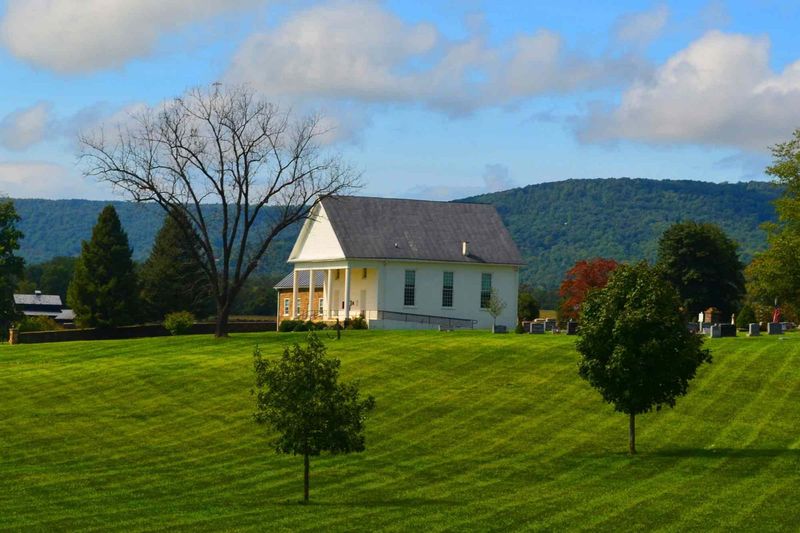
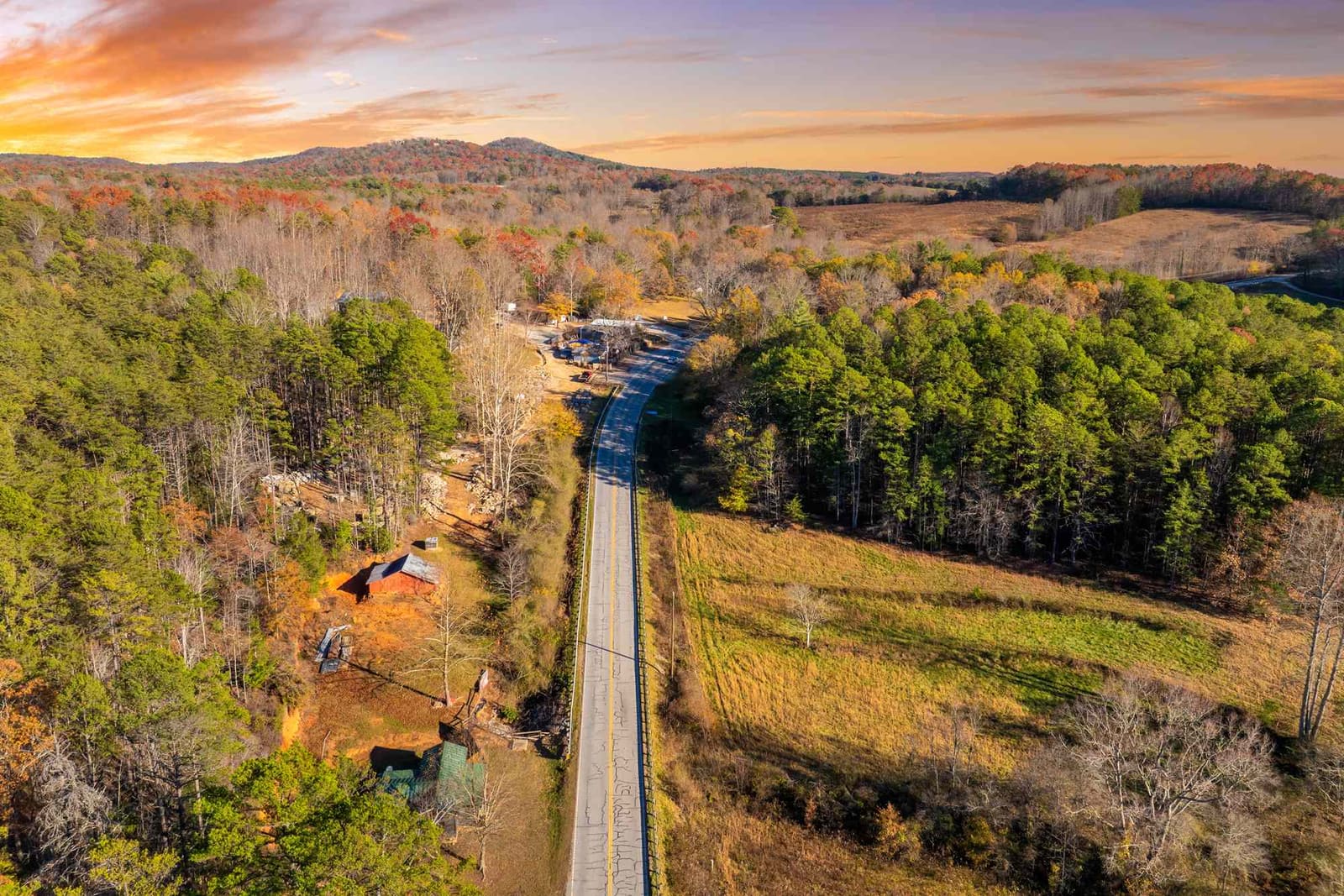
There's a particular quality to light in the North Carolina Piedmont during late afternoon - golden, unhurried, the kind that makes you want to pull over and simply watch the way it falls across clapboard and brick. I first noticed it years ago in Mount Airy, a town tucked against the base of the Blue Ridge Mountains, where the storefronts along Main Street seem to exist outside the frantic churn of renovation cycles and concept-driven tourism. The barbershops still have rotating poles. The soda fountains still serve phosphates. And none of it, remarkably, feels like theater.
At Global Chic Voyage, we've watched countless destinations attempt to bottle nostalgia, to architect a sense of place that flatters rather than challenges. Mount Airy does neither. It simply exists, with the quiet confidence of a town that knows its own story and feels no need to perform it for strangers. That authenticity, rare and increasingly precious, is precisely what keeps drawing us back.
The Mayberry Question
It's impossible to write about Mount Airy without acknowledging the shadow it casts - or rather, the shadow cast upon it. This is the birthplace of Andy Griffith, the actor whose fictional town of Mayberry became shorthand for a certain vision of American small-town life. The connection is real; Griffith drew directly from his childhood here when shaping that television landscape. But what strikes me, after years of returning, is how little the town leans into the obvious tourist machinery that connection could fuel.
Yes, there are tours. Yes, you can sit in a replica squad car. But walk three blocks in any direction and you're back in a living town, not a theme park. The hardware store sells actual hardware. The café serves regulars who've been occupying the same corner booth for decades. The line between heritage and commerce remains visible, and that restraint - that refusal to collapse entirely into its own mythology - is what makes Mount Airy worth the journey.
Wine Country, Quietly Arriving
What fewer visitors realize is that Mount Airy sits at the northern edge of the Yadkin Valley, an American Viticultural Area that has quietly become one of the most dynamic wine regions in the Southeast. More than forty wineries now dot the rolling terrain within a thirty-mile radius, most of them small, family-run operations producing varietals that reflect the region's particular terroir: Viognier, Cabernet Franc, Petit Manseng, and increasingly ambitious blends that speak to both European influence and Southern experimentation.
The wine culture here remains refreshingly unpretentious. Tasting rooms occupy converted barns and farmhouses. Winemakers often pour their own bottles and will talk you through vineyard management with the same earnestness they'd apply to discussing weather patterns or soil composition. There's little of the performative sommelier culture that can make wine tourism feel exclusionary; instead, you find a genuine eagerness to share what's being grown and made, often by people who left other careers to return to the land.
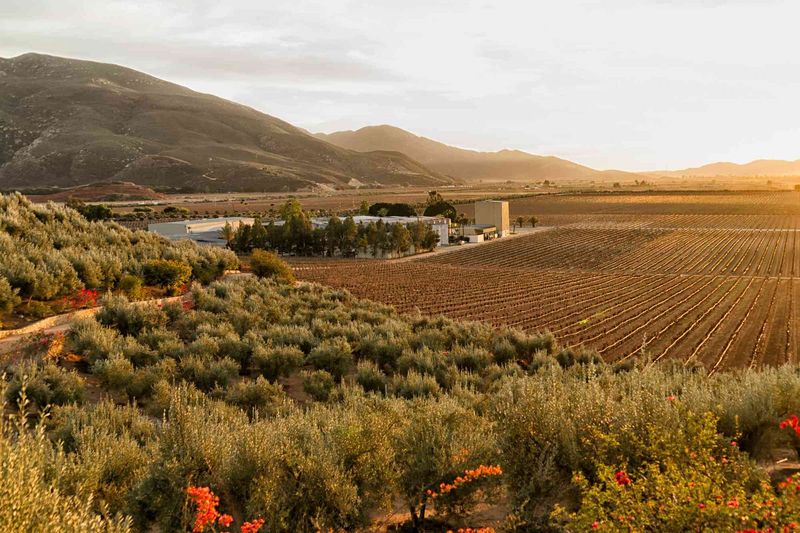
We've spent entire afternoons moving between estates, watching the way the landscape shifts from Piedmont plateau to mountain foothills, the vineyards arranged in neat rows that follow the contours of the hills. The region's elevation and climate create conditions favorable for both cool-climate and warm-climate grapes, a versatility that allows for remarkable range. And because the Yadkin Valley remains largely undiscovered compared to Napa or Sonoma, the experience retains an intimacy that feels increasingly rare in American wine country.
Architecture of Memory
Mount Airy's built environment tells a story of incremental growth rather than boom-and-bust cycles. The downtown core preserves an almost complete collection of early-twentieth-century commercial architecture - art deco facades, pressed tin ceilings, terrazzo floors worn smooth by decades of foot traffic. These aren't reconstructions or careful restorations undertaken with grant money and design committees. They're simply buildings that have been maintained, used, adapted as needed.
The historic Earle Theatre, opened in 1938, still screens films. The old train depot, built when the railroad connected Mount Airy to markets south and north, now houses a museum but retains its original function as a gathering point, a place where the town's narrative intersects with larger currents of commerce and migration. Walking these streets, you can trace the economic history of the region - tobacco, textiles, furniture manufacturing - through architectural details and surviving signage.
What strikes me most is the absence of gentrification's familiar markers. There are no exposed-brick gastropubs, no Edison-bulb coffee shops trading on industrial nostalgia. The economy here remains grounded in manufacturing and agriculture, and the town's aesthetic reflects that continuity. It's not frozen in time; it's simply aging at its own pace, without the pressure to perform youth or trendiness for an Instagram audience.
The Rhythm of Return
I've come to understand my own relationship with Mount Airy as a kind of recalibration. In a profession that demands constant movement, constant newness, constant curation of experience, there's something deeply restorative about a place that asks nothing of you except attention. You don't come here to collect experiences or tick boxes on a heritage trail. You come to sit on a porch and watch the light change. To spend an hour in a used bookstore where no one hurries you toward a purchase. To eat unremarkable but honest food in a diner where the menu hasn't changed in twenty years.
The nearby wineries add a layer of discovery to that rhythm, a reason to venture into the countryside and engage with people who are actively shaping the region's future while remaining rooted in its agricultural past. The conversations in tasting rooms often drift from viticulture to local history, from harvest challenges to community concerns, creating a portrait of place that feels three-dimensional, lived-in, real.
What We're Learning
The hotels we've returned to in Mount Airy are modest - historic inns, small bed-and-breakfasts run by couples who moved here seeking the same quality of life that draws visitors. There are no luxury resorts, no design-forward boutique properties. And perhaps that's precisely the point. The luxury here is temporal rather than material: the luxury of moving slowly, of conversation without agenda, of landscape that hasn't been engineered for maximum visual impact.
We're living through an era when "authentic" has become a marketing term, deployed so liberally it's nearly lost meaning. But Mount Airy offers a useful corrective, a reminder that authenticity isn't something you can design or install. It's what remains when a place resists the pressure to become something other than itself. It's the accumulated weight of decades of ordinary life, the kind that doesn't photograph particularly well but feels profoundly grounding to inhabit, even briefly.
The town won't change you. It won't offer transformation or revelation. But it might, if you let it, remind you what it feels like to exist at a different tempo, to move through space without the constant hum of optimization and self-improvement. In a world that increasingly feels like one long, frantic scroll, that might be the most radical gift a place can offer.