The Five Airport Outfits That Define a Frequent Flyer's Wardrobe
From layover lounges to long-haul cabins, the most seasoned travellers have learned what works - and what doesn't - at thirty-five thousand feet.
The Education of Movement
There is a particular kind of knowledge that comes only from repetition. Not the sort gleaned from guidebooks or itineraries, but the quiet certainty acquired after your hundredth boarding pass, your fiftieth security queue, your thirtieth time folding a pashmina into the overhead bin. After a year spent crossing time zones with the frequency most people cross neighbourhoods, certain truths emerge about what one wears - and why.
The airport outfit is not fashion in the traditional sense. It is a negotiation between aspiration and pragmatism, between the desire to arrive looking like someone who travels well and the reality that air travel is, at its core, an endurance sport. The most experienced flyers understand this implicitly. Their choices reflect not trends but accumulated wisdom: fabrics that breathe, silhouettes that forgive, layers that adapt.
What follows is not prescription but observation. These are the five outfits that appear again and again in departure lounges from Singapore to Stockholm, worn by travellers who have learned to pack light but dress intentionally.
The Elevated Athleisure Edit
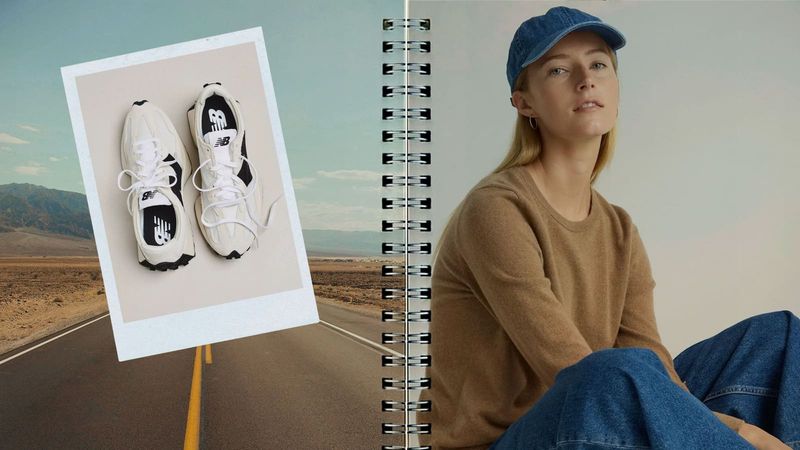
Somewhere between the yoga studio and the boardroom lies the sweet spot of airport dressing. The modern interpretation pairs technical fabrics with tailored cuts - leggings in ponte rather than Lycra, a tunic-length cashmere-blend top instead of a cropped sports bra, trainers in buttery leather rather than neon mesh.
The genius of this formula lies in its adaptability. Compression leggings offer genuine comfort during long-haul flights whilst maintaining a polished line. A longline cardigan or oversized blazer in merino wool adds structure without weight, and can be removed during security checks without revealing anything regrettable underneath. White trainers in supple leather clean easily and transition from the aircraft to the cobblestones without requiring a shoe change.
This is not gym wear masquerading as travel attire. It is travel attire that has borrowed the best innovations from athletic design - moisture-wicking properties, four-way stretch, flat seams that won't chafe - and wrapped them in a more considered aesthetic. The result looks deliberate rather than desperate, polished rather than sloppy.
The Monochrome Minimalist
There is a reason so many frequent flyers gravitate towards a single-colour palette. Monochrome dressing eliminates decision fatigue, ensures every piece coordinates, and creates a visual elongation that counteracts the hunched posture induced by economy seating.
The formula is deceptively simple: trousers in a fluid fabric such as silk-blend or technical crepe, a fine-knit jumper or silk blouse in the same tonal family, and a structured coat or trench that can be carried over the arm when the cabin temperature becomes unpredictable. Accessories remain minimal - a leather crossbody bag, a cashmere scarf, perhaps a single piece of jewellery that won't set off metal detectors.
Black, navy, camel, and charcoal grey dominate this category, though some travellers favour softer neutrals: cream, taupe, sage. The key is continuity. When everything exists within the same colour spectrum, individual pieces recede and the overall impression becomes one of quiet sophistication. Stains, wrinkles, and the general dishevelment of travel become less noticeable against a unified palette.
This approach also offers practical advantages. Monochrome pieces pack efficiently, mix endlessly, and photograph well against varied backdrops. For travellers moving between climates or occasions, a monochrome base provides the flexibility to add or subtract layers without visual disruption.
The Linen Shirt and Trouser Pairing
Linen has long been the fabric of choice for travellers navigating warm climates, but its appeal extends beyond temperature regulation. The material softens with wear, resists odours, and somehow manages to look intentional even when creased - a crucial quality when emerging from an eight-hour flight.
The contemporary iteration favours oversized silhouettes: a boyfriend-cut linen shirt worn untucked over wide-leg linen trousers in a complementary shade. The proportions are generous without being sloppy, allowing air circulation whilst maintaining a sense of occasion. Sleeves can be rolled during boarding, collars turned up against aggressive air conditioning, hems left to puddle slightly over flat leather sandals or loafers.
Colour choices tend towards the earthy - terracotta, olive, sand, faded indigo - rather than stark white, which shows every coffee spill and newsprint smudge. Some travellers add a lightweight linen blazer in a third complementary tone, creating a three-piece ensemble that reads as cohesive without appearing too studied.
The beauty of linen lies in its honesty. It does not pretend to be wrinkle-resistant or stain-proof. Instead, it accepts the realities of travel and incorporates them into its aesthetic. A slightly rumpled linen outfit suggests a life lived in motion, not carelessness.
The Slip Dress and Blazer Combination
For those who reject the notion that comfort must equal casual, the slip dress offers an elegant alternative. Cut on the bias in silk or satin-backed crepe, it skims rather than clings, provides ease of movement, and requires no fasteners that might dig into the waist at cruising altitude.
The key to making this work for travel lies in the layering. A tailored blazer in wool or linen adds structure and warmth, transforming what might read as nightwear into something altogether more intentional. Underneath, a fine-knit camisole or bodysuit provides modesty and an extra layer against overzealous cabin climate control. Footwear tends towards flat or low-heeled mules that slip off easily during security and on the aircraft itself.
This combination occupies an interesting space between dressed-up and dressed-down. It suggests someone who might have come from a meeting or be heading towards dinner, yet nothing about it feels restrictive or fussy. The slip dress breathes, moves, and packs into almost nothing. The blazer provides pockets for boarding passes and passports, and can be folded over the back of a seat or stuffed into a carry-on without requiring special care.
Colour combinations favour subtle contrast: a champagne slip beneath a navy blazer, a black dress under camel wool, slate grey silk with charcoal suiting. The effect is polished without being precious, feminine without being fragile.
The Coordinated Knitwear Set
In recent seasons, the matching knit set has emerged as the frequent flyer's secret weapon. Comprising a fine-gauge jumper and coordinating trousers or skirt in merino, cashmere blend, or technical knit, these sets offer the comfort of loungewear with the coherence of a considered outfit.
The appeal is multifaceted. Knit fabrications provide stretch and breathability whilst maintaining their shape. The matching nature of the set creates a put-together appearance without requiring thought - crucial when navigating early-morning departures or red-eye arrivals. And because the pieces are designed to be worn together, proportions and silhouettes are already harmonised.
Contemporary iterations favour relaxed fits: slightly oversized jumpers with ribbed hems, wide-leg trousers with elastic waists concealed beneath folded waistbands, midi skirts with subtle A-line shaping. Colours range from classic neutrals to more adventurous tones - rust, forest green, dusty rose - allowing for personal expression within a framework of practicality.
The coordinated knit set also travels exceptionally well. Both pieces can be rolled rather than folded, taking up minimal luggage space. They layer easily over or under other garments as temperatures fluctuate. And should one piece become soiled or uncomfortable, the other can be paired with different items whilst maintaining a cohesive aesthetic.
The Architecture of Ease
What unites these five approaches is not a specific brand or price point, but a shared philosophy. Each prioritises comfort without sacrificing intention. Each acknowledges the physical realities of modern air travel - the waiting, the sitting, the temperature fluctuations, the inevitable creasing - and works within those constraints rather than against them.
The most stylish frequent flyers have learned that airport dressing is not about making a statement but about making the journey bearable. They understand that true elegance lies not in rigid adherence to trend but in the quiet confidence of knowing what works for one's own body, one's own aesthetic, and one's own tolerance for discomfort at altitude.
These outfits appear season after season not because they are fashionable, but because they are functional. And in the specific context of air travel, where so much is beyond one's control, that functionality becomes its own form of grace.