The Fijian Archipelago Through the Eyes of Those Who Return
Readers have spoken, and the South Pacific's 300-island nation continues to hold a singular place in the geography of longing.
A Familiar Constellation
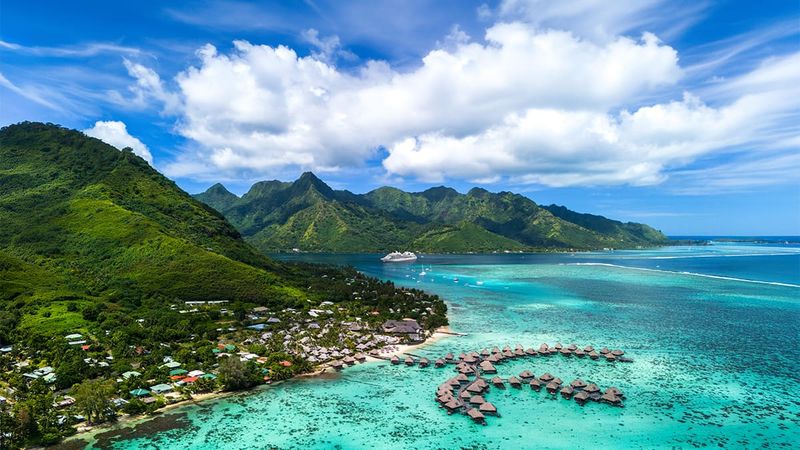
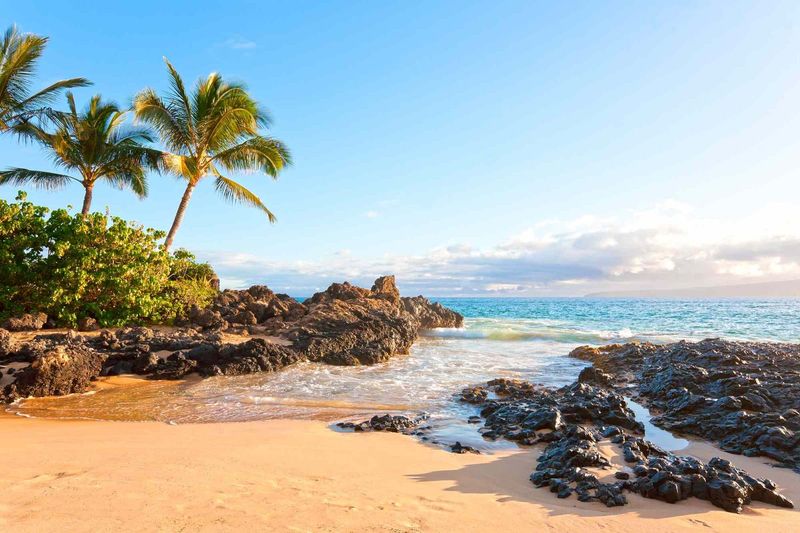
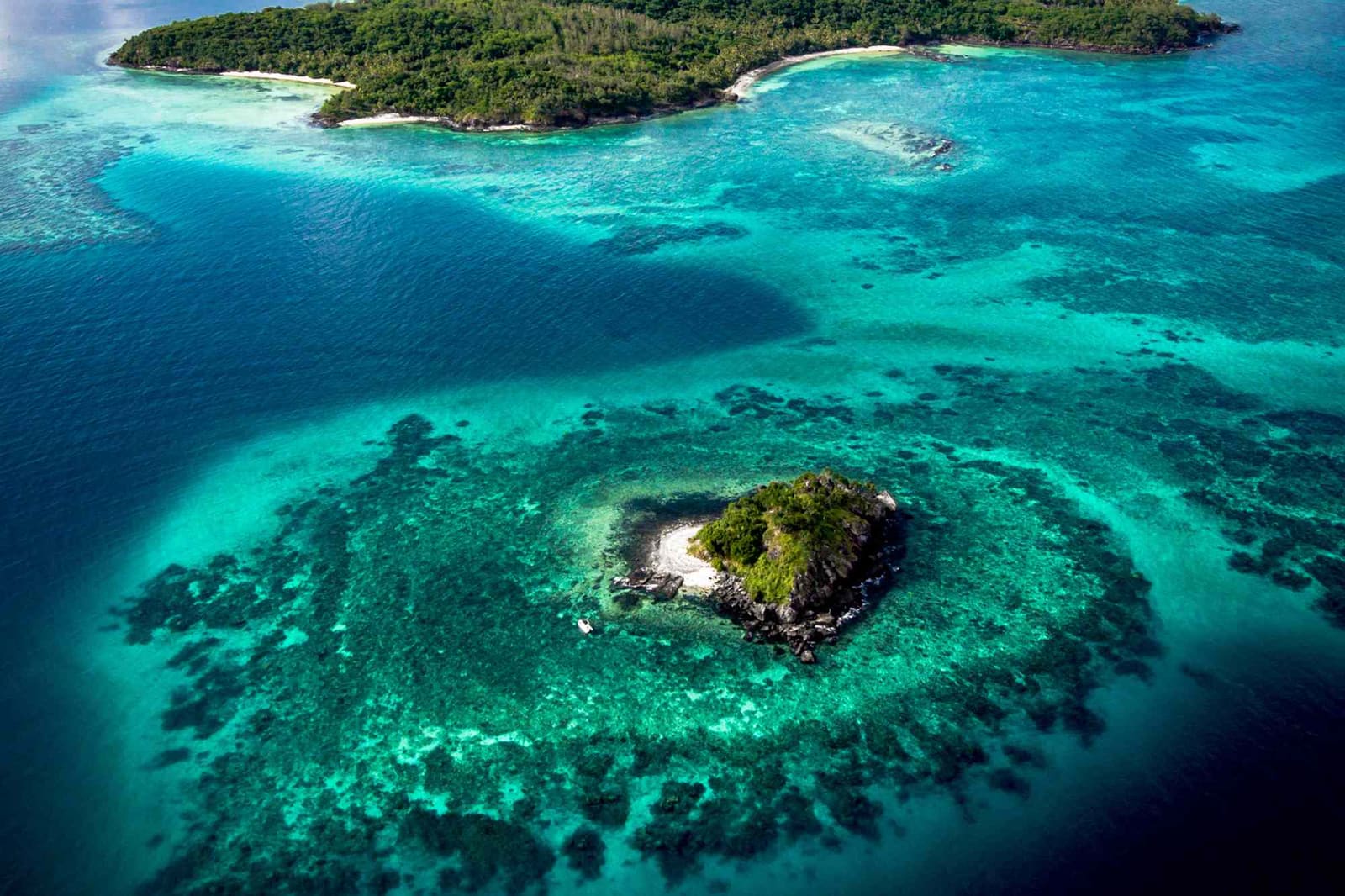
There is a particular quality to the light that falls across the Fijian archipelago in late afternoon, when the trade winds soften and the water between islands turns from cobalt to something closer to indigo. It is the hour when travelers often find themselves pausing, drink forgotten, simply watching. At Global Chic Voyage, we've observed this phenomenon across countless visits: the way these 300-plus islands seem to reset the internal clock, to remind us that luxury is not always about what is added but what falls away.
According to the 2026 World's Best Awards, Fiji has been named the top island destination in Australia, New Zealand, and the South Pacific, a distinction that reflects not industry positioning but the accumulated impressions of travelers who have measured the archipelago against everywhere else they've been. It is a recognition that arrives without fanfare, much like the destination itself.
The Architecture of Island Choice
The Fijian question is not whether to go but where within its sprawl of coral and volcanic stone. The Mamanuca Islands, closest to the international gateway at Nadi, have long served as the archipelago's vestibule, a place where arrival and immersion happen almost simultaneously. Here the resorts are polished, the water impossibly clear, the infrastructure reliable. For first-time visitors or those traveling with young families, the Mamanucas offer reassurance: luxury without remoteness, adventure without risk.
Move northeast into the Yasawa chain and the tone shifts. These are the islands of deeper blues and fewer structures, where resorts give way to village homestays and the traveler's role becomes more participant than observer. The Yasawas reward those willing to slow down, to accept that not every hour needs to be curated. We've watched travelers arrive here tightly wound and depart loose-limbed, their phones full of photos they will rarely look at because the experience itself required no documentation.
Vanua Levu and the Virtue of the Unfamiliar
Fiji's second-largest island remains persistently overlooked, a fact that speaks more to traveler habit than to the island's merits. Vanua Levu is where the archipelago's Indo-Fijian heritage becomes most visible, in the sugarcane fields and the cadence of conversation, in the food that blends subcontinental spice with Pacific abundance. The diving here, particularly around the Namena Marine Reserve, ranks among the planet's finest, yet the island sees a fraction of the visitors who crowd Viti Levu's western coast.
For travelers who measure a destination's value by what it withholds as much as what it offers, Vanua Levu delivers. The roads are rough, the resorts few, the pace dictated by ferry schedules and weather rather than by tourist demand. It is Fiji before the algorithms, before the influencer economy, before every beach had been geotagged and rated.
Taveuni and the Geography of Time
The island that straddles the 180th meridian has built its identity around that accident of cartography, but Taveuni's real distinction lies elsewhere. This is the archipelago's garden, where rainfall is abundant and the interior remains largely forested, where waterfalls are not attractions but simply part of the landscape. The Bouma National Heritage Park protects much of the island's eastern flank, offering trails that move through ecosystems largely unchanged since human arrival.
What Taveuni offers is a counterpoint to the beach-resort model that dominates much of Fiji's tourism narrative. Here the luxury is in biodiversity, in the density of birdlife, in the way the light filters through canopy layers that have been millennia in the making. The accommodations range from basic to boutique, but the island's appeal has never been about thread count or spa menus. It is about waking to the sound of something other than surf, about recognizing that an archipelago contains multitudes.
The Outer Islands and the Limits of Access
Beyond the main clusters lie the Lau Group and Kadavu, islands that appear on maps but rarely on itineraries. Access is by small plane or overnight ferry, accommodations are scarce, and the infrastructure assumes a level of self-sufficiency that most contemporary travelers have shed. Yet for those who make the journey, these outer reaches offer something increasingly rare: the sense of discovery, however illusory, however staged by the simple fact of distance.
Kadavu's Great Astrolabe Reef is one of the world's largest barrier reefs, a fact known to divers but to few others. The Lau Group, with its blend of Polynesian and Melanesian culture, remains largely closed to casual tourism, accessible primarily through organized expedition cruises. These are not destinations for the itinerary-driven or the comfort-dependent, but they represent the archipelago's edges, the places where Fiji's story becomes less about tourism and more about geography, culture, and the negotiation between the two.
Why Travelers Return
The recognition Fiji has received speaks to a quality that transcends the specific: the sense that the archipelago has managed to scale tourism without entirely surrendering to it. Yes, there are mega-resorts and overbuilt stretches of coast. Yes, the economic pressures are real and the environmental challenges mounting. But there remain pockets, entire islands, where the transaction between visitor and place feels less extractive, more reciprocal.
At Global Chic Voyage, we measure destinations not by their peak experiences but by their median moments, the hours between the planned activities when a place reveals its actual character. In Fiji, those moments often involve unexpected conversations, impromptu invitations, the casual generosity that has not yet been entirely professionalized. It is why readers vote as they do, why the archipelago continues to claim a space in the collective imagination that statistics alone cannot explain.
The light is changing again, the way it does every evening across these 300 islands, and somewhere a traveler is pausing to watch, beginning to understand what those who return already know.