The Clifftop Villages of Uluwatu and How to Choose Between Them
On Bali's southern peninsula, a string of coastal enclaves share a name but offer wildly different mornings.
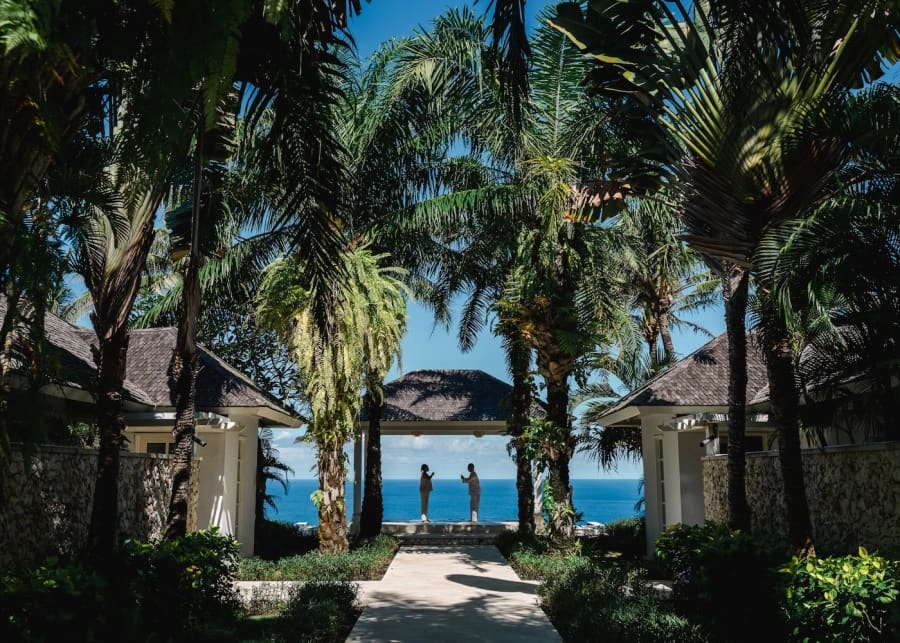
A Name That Contains Multitudes
Stand at sunrise in Bingin and you will see surfers waxing boards outside bamboo cafés, the scent of flat whites mingling with frangipani. Drive twenty minutes inland to Ungasan and the same hour delivers something else entirely: the hum of motorbikes, the call of vendors at roadside fruit stalls, the ordinary pulse of a residential neighborhood waking. Both places answer to Uluwatu, yet they belong to different emotional geographies.
This is the paradox of Bali's Bukit Peninsula. The name Uluwatu has come to describe not one place but a loose federation of clifftop villages and beach hamlets, each clinging to its own character. To book accommodation here without understanding these distinctions is to risk missing the experience you came for. The temple-goers who arrive for the kecak dance at sunset and leave before dinner do not see what happens after dark in the cliff clubs, nor do they taste the cooking that has made this corner of the island worth more than a flyby. Three nights, at minimum, allows the peninsula to reveal itself: the beaches that require effort to reach, the restaurants that have quietly become some of Bali's best, the way the light falls differently depending on which stretch of coast you occupy.
Bingin: The Village With Soul
Bingin has long been the peninsula's most cohesive neighborhood, a tight grid of lanes where you can walk to dinner, to yoga, to the cliffside warung that serves cold coconuts at noon. It is a surf village first, but one that has matured without losing its intimacy. The beachfront warungs that once lined the sand were demolished in 2025, a loss felt keenly by those who knew them. Yet Bingin persists, anchored by its cafés, its guesthouses, its sense of being a place rather than a resort zone.
The accommodation here reflects that balance. Hidden Hills Villas, a member of Small Luxury Hotels of the World, comprises just fourteen individually designed villas, each distinct in layout and outlook. Some command 180-degree views of the Indian Ocean; others nestle into hillside privacy. The resort operates on anticipation rather than reaction, preferences noted before arrival, needs met before they surface. The Hidden Gem Restaurant serves California-inspired cuisine with French inflections, built around a farm-to-table steakhouse philosophy. Its wine programme offers more than fifty options by the glass, curated personally by co-owner and sommelier Max Loong. The spa, set within a traditional Javanese joglo and framed by koi ponds, looks directly out to the ocean.
Nearby, Nisí Villas & Suites offers thirteen private pool villas across configurations of two, three, and four bedrooms. Each villa is fully enclosed and air-conditioned, with personal butler service, daily housekeeping, and evening turndown. Breakfast, dinner, massage, and fitness sessions can all be arranged in-villa, including a private poolside barbecue where a chef prepares the meal while the team manages service. A complimentary buggy shuttles guests to Bingin's cafés and shops. Nisí Recovery, the onsite wellness space, includes steam, sauna, and plunge pools. Additional one-bedroom suites and expanded wellness facilities are scheduled to open later in 2026.
For those seeking a more bohemian register, Mule Malu delivers eleven rooms around a saltwater pool, with macramé details and Mediterranean simplicity. The onsite café serves breakfast, juice, and smoothies. The property sits minutes from Bingin Beach and operates with a community atmosphere, quiet and unpretentious.
Padang Padang: The Beach Everyone Knows
Padang Padang Beach gained global attention through a single film, but its appeal predates the cameras. The cove is sheltered, the sand pale, the swimming reliable. Around it has grown Uluwatu's busiest cluster of restaurants and cafés, a strip that serves both the temple-bound day-trippers and those who have settled in for the week.
Suarga Padang Padang rises above the beach on a clifftop site, its structure built almost entirely from bamboo. The design is both sculptural and functional, open to the breeze yet enclosed enough for comfort. Dugong, the resort's restaurant, has become a destination in itself, known for its Indonesian menu and its position at sunset. The property operates with an environmental ethos, from sourcing to waste management, and has drawn a following among travelers who prioritize sustainability without sacrificing design.
The Radisson Blu Bali Uluwatu anchors the other end of the spectrum, offering the predictability of an international chain with direct access to the area's dining and beach life. It suits those who prefer branded hospitality and the efficiencies that come with it.
The Cliffs: Where the Drama Lives
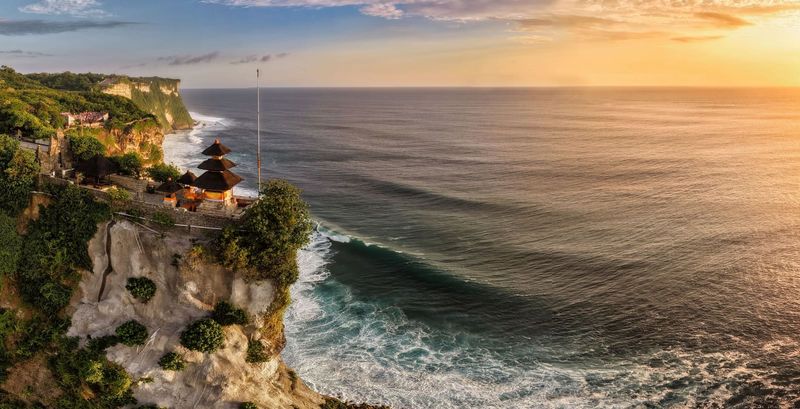
The most famous stretch of the peninsula belongs to the cliffs themselves, the limestone edge where Uluwatu Temple has stood for centuries and where the surf breaks known to every serious rider peel across the reef below. This is the postcard version of Uluwatu, the one with the sunset and the silhouette of the temple and the swell lines stacked to the horizon.
Single Fin, the clifftop bar, has become the social center of this area, a place where Sunday afternoons dissolve into evenings and the crowd is equal parts surfers, expats, and visitors. Around it, a cluster of restaurants and clubs has formed, each claiming a section of the cliff and a view of the water.
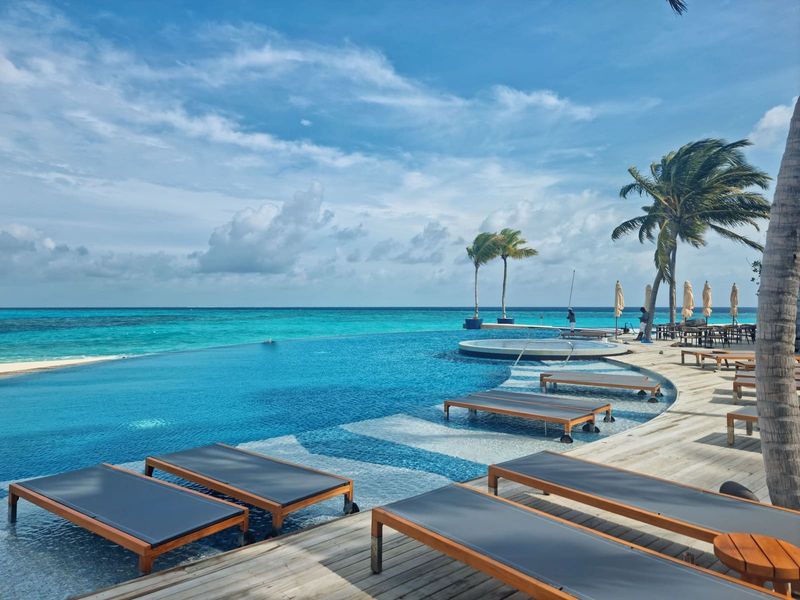
Alila Villas Uluwatu occupies a prime position here, a modernist resort designed by WOHA Architects. The property is known for its cantilevered cabanas, its infinity pool that appears to merge with the ocean, and its commitment to a restrained aesthetic. It appeals to those who want architecture as part of the experience, who see the building itself as an element of the landscape rather than an imposition upon it.
Uluwatu Surf Villas offers a more modest alternative, with direct sightlines to the breaks and a layout designed for surfers who want to check the waves before breakfast.
Ungasan: The Residential Heart and the Clifftop Estates
Ungasan proper is not a tourist neighborhood. It is where Balinese families live, where the markets operate, where the traffic thickens during school hours. But venture to the clifftop edges of Ungasan and the landscape shifts entirely. Here, on the outermost bluffs, some of the island's most exclusive resorts have claimed positions that feel both remote and commanding.
The Ungasan Clifftop Resort is a gated estate of sprawling villas, each with three to five bedrooms, set within manicured grounds that include tennis courts and immaculate lawns. Villa Tamarama is favored for its colonial charm and white palette; Villa Santai Sorga for its coastal elegance and open-plan living. Butler service is standard. An inclinator descends the cliff to Sundays Beach Club, widely regarded as one of Bali's finest beach clubs, with cabanas, dining, and direct ocean access.
In 2026, the resort introduced a Signature Spiritual Wellness Experience led by Balinese healer Ji Bagus, whose sessions incorporate sound therapy, sacred energy diagnostics, and traditional healing techniques. The programme also includes sunrise yoga, mindful walks, and spa treatments, adding a layer of intention to what is already a highly curated stay.
Bvlgari Resort Bali, perched on a similar clifftop site, offers the Italian house's signature aesthetic: bold materials, meticulous detailing, and a sense of theater in every sightline. Karma Kandara, another clifftop property, provides villa accommodations and beach club access via a funicular that descends through the limestone.
Balangan: The Quiet End
Balangan remains the least developed of the peninsula's neighborhoods, a stretch of coast where local warungs still line the beach and the pace has not yet accelerated. The sand is golden, the surf consistent, and the vibe resolutely unhurried. Dreamland Beach, a short drive away, offers another option for those who want variety without distance.
La Cabane and White Palm serve as the area's primary accommodations, both modest in scale and designed for travelers who prioritize proximity to the beach over resort amenities. Balangan appeals to those who want to feel they have arrived somewhere before the crowds have, even if that window is narrowing.
The Infrastructure Question
Uluwatu's villages are not walkable one to the next. The distances are manageable by scooter or car, but on foot they become impractical. A loop road connects the neighborhoods, and most visitors either rent a scooter or arrange a driver for the duration of their stay. This is not a peninsula for spontaneous wandering between areas; it requires a degree of planning and a willingness to commit to motorized transport.
What Three Nights Reveals
The temple and the kecak dance can be seen in an afternoon, but they are only the opening act. Three nights allows time for the beaches that require a scramble down cliff steps, for the restaurants that do not advertise but are always full, for the rhythm of a place to become familiar. It allows for a morning at Padang Padang and an evening at Single Fin, for a day spent entirely within the bounds of a villa and another spent tracing the coast. It allows Uluwatu to stop being a list of sights and start being a place you inhabit, however briefly.
The peninsula is developing quickly. New properties open, beach clubs expand, neighborhoods shift in character. What remains constant is the need to choose deliberately, to understand that Uluwatu is not one destination but several, and that the village you wake in will shape every hour that follows.