Beyond the Beltway: Finding Wine Country and Quiet Trails in Loudoun County
Virginia's western doorstep offers stone manor houses, vineyard valleys, and footpaths that feel a world away from the capital.
The Road That Turns West
The highway leaves the suburbs behind somewhere past Dulles, where strip malls give way to split-rail fencing and the Blue Ridge foothills begin their slow rise against the western sky. This is Loudoun County, a stretch of Virginia piedmont that sits close enough to the capital to catch its weekend traffic yet remains stubbornly, charmingly itself: a patchwork of working vineyards, Civil War-era villages, and country roads that wind through oak and hickory without apparent hurry.
It is not a destination that announces itself. There are no grand resort complexes or international hotel flags visible from the interstate. Instead, the county reveals its appeal gradually, in the form of a fieldstone inn tucked behind a low wall, a tasting room occupying a converted dairy barn, or a trailhead marker half-hidden by summer wildflowers. For travelers weary of the scripted itinerary and the Instagram waypoint, Loudoun offers something increasingly rare: the opportunity to wander without a map and still find something worth the detour.
Stone Houses and Quiet Rooms
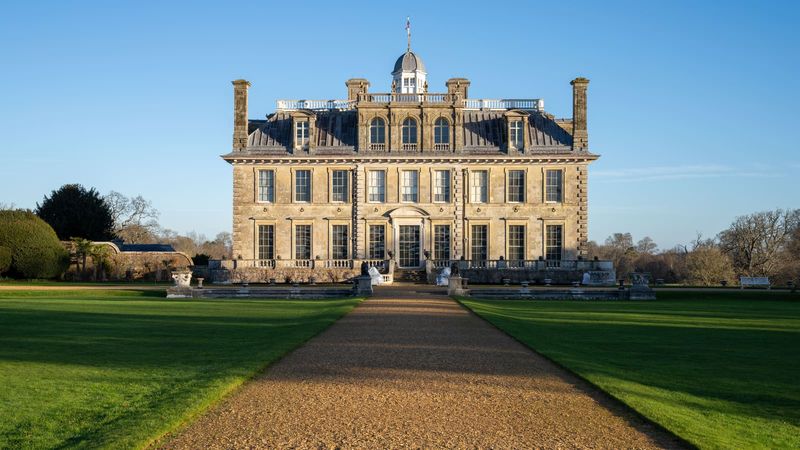
Accommodation here skews toward the intimate. Historic inns occupy manor houses built when Virginia was still a frontier, their guest rooms furnished with four-poster beds and windows that overlook gardens planted in boxwood and heirloom roses. Some properties have been in continuous operation since the early nineteenth century, their registers recording the names of Confederate officers, Gilded Age rail barons, and, more recently, couples seeking a weekend refuge from the District.
The aesthetic is deliberately understated. Interiors favor exposed beams, wide-plank floors, and fireplaces large enough to stand in. Breakfast is often served at a communal table, with local honey and preserves set out in glass jars. The effect is less boutique hotel than well-appointed private residence, where the host happens to keep a half-dozen guest rooms and a cellar stocked with the neighboring vintner's best bottlings.
For those who prefer newer construction, a handful of smaller properties have appeared in recent years, built in sympathy with the local vernacular but offering modern plumbing and soundproofing. Even these tend toward restraint, avoiding the minimalist clichés that dominate urban design in favor of something softer, more rooted in place.
Vines on Rolling Ground
Loudoun County's wine industry is young by European standards but has matured rapidly over the past two decades. The region now counts more than forty licensed wineries, most of them family-run operations producing small-lot vintages from grapes suited to the mid-Atlantic climate: Viognier, Cabernet Franc, Petit Verdot. The terroir is varied, with soils ranging from red clay to rocky loam, and elevations that shift enough to create distinct microclimates within a few miles.
Tasting rooms occupy repurposed barns, stone carriage houses, and purpose-built pavilions with long views over the vines. The atmosphere is relaxed, the pours generous, and the staff more likely to discuss fermentation technique than recite marketing copy. Many properties encourage visitors to bring a picnic and settle on the lawn for the afternoon, a practice that transforms wine tasting from transaction to ritual.
The wines themselves have shed their early rusticity. Recent vintages show balance and restraint, with acidity that carries through the mid-palate and tannins that suggest ageability. Comparisons to the Rhône or the Veneto are premature, but the trajectory is clear: this is no longer a novelty region trading on proximity to Washington. The wines stand on their own terms.
Trails Through Old Forest
Beyond the vineyards, the county offers an extensive network of hiking paths that range from easy riverside walks to more demanding ridge climbs in the Blue Ridge foothills. The terrain is classic piedmont: hardwood forest interspersed with open meadows, small streams that run clear over gravel beds, and the occasional ruin of a stone mill or tenant farmhouse.
One of the more rewarding routes follows an old wagon road that once connected Leesburg to the mountain passes farther west. The trail climbs gently through oak and tulip poplar, crossing several tributaries before reaching a rocky outcrop with views east toward the coastal plain. On clear days, the Washington Monument is visible on the horizon, a slender white needle that serves as a reminder of how close the city remains, and how completely the forest screens it from view.
Other paths trace the perimeter of working farms, where hikers share the right-of-way with cattle and the occasional tractor. The experience is less wilderness than pastoral, a landscape shaped by centuries of agriculture but never entirely tamed. Birdsong is constant, and in spring the understory erupts in dogwood and redbud.
Villages That Remember
The county seat, Leesburg, retains the compact scale and brick-sidewalk charm of a pre-automobile town. The historic district is dense with Federal-style row houses, their facades painted in muted tones and their stoops swept clean each morning. Antique shops, independent bookstores, and farm-to-table restaurants occupy ground floors, and on weekends a farmers' market fills the central square with vendors selling heirloom tomatoes, raw-milk cheese, and bundles of cut lavender.
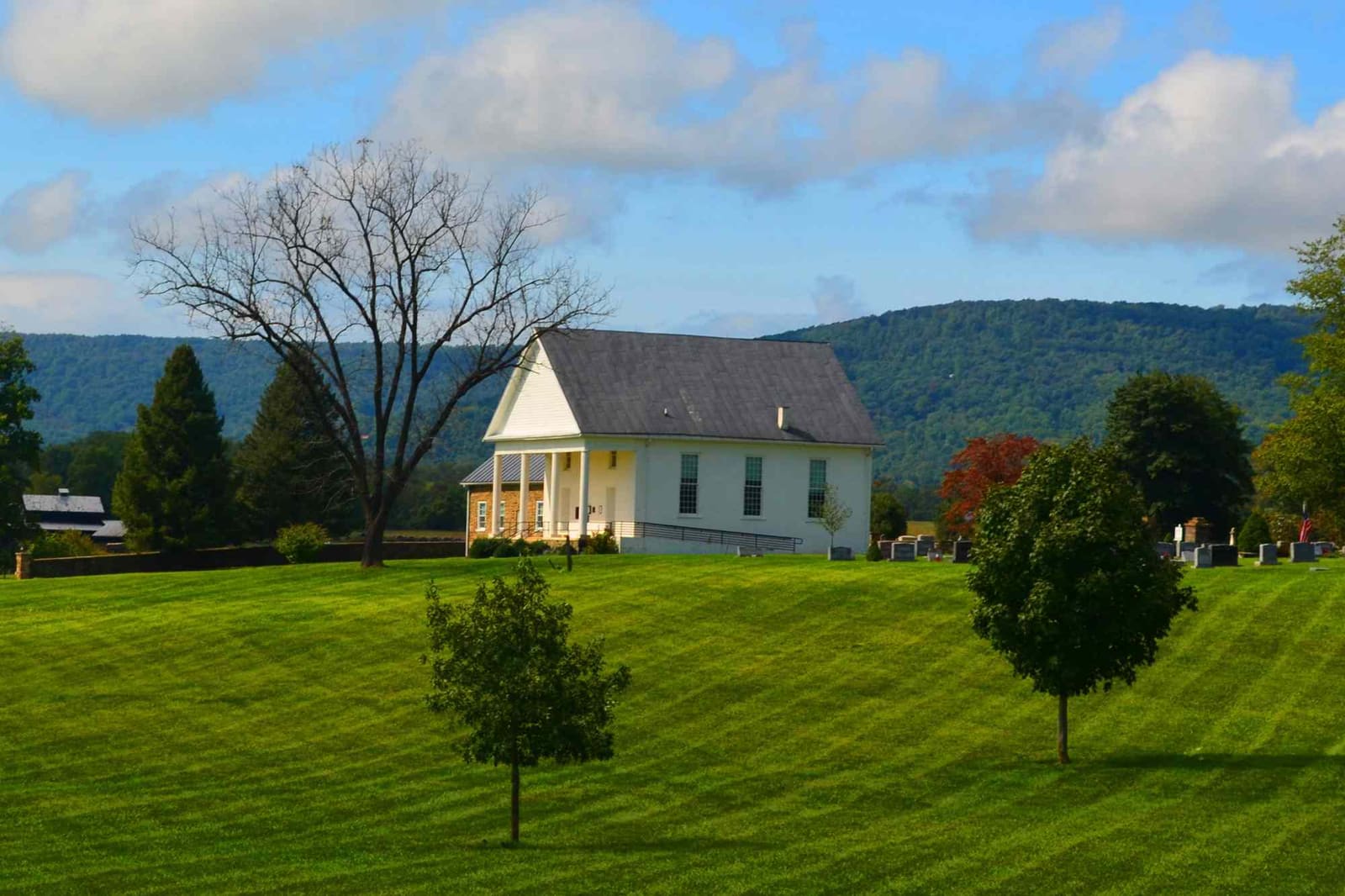
Smaller villages dot the back roads, most of them little more than a crossroads with a general store and a white-clapboard church. These settlements have avoided the fate of so many rural American towns, neither abandoned nor gentrified into theme parks. They function as they always have, serving the surrounding farms and offering the passing traveler a place to pause, refuel, and perhaps strike up a conversation with someone whose family has lived in the county for six generations.
A Landscape That Resists Haste
Loudoun County does not lend itself to the whirlwind itinerary. There are no must-see monuments or bucket-list photo ops, no attractions that justify a special trip in isolation. The appeal is cumulative, revealing itself over the course of a long weekend spent moving slowly between vineyard and trailhead, inn and village square. It is a destination that rewards curiosity over efficiency, and presence over productivity.
In an era when travel increasingly means ticking boxes on a pre-researched list, Loudoun offers a quieter proposition: the chance to let the landscape set the pace, to follow a country road simply because it looks promising, and to spend an afternoon on a winery terrace watching the light change over the vines without once checking the time. For those willing to slow down, the county delivers something increasingly difficult to find within an hour of a major city - a genuine sense of elsewhere.