Where Mountain Grandeur Meets Modern Refinement in Montana
Big Sky has quietly evolved from a ski outpost into a year-round sanctuary for travelers seeking wilderness without compromise.
A Place That Refuses to Choose
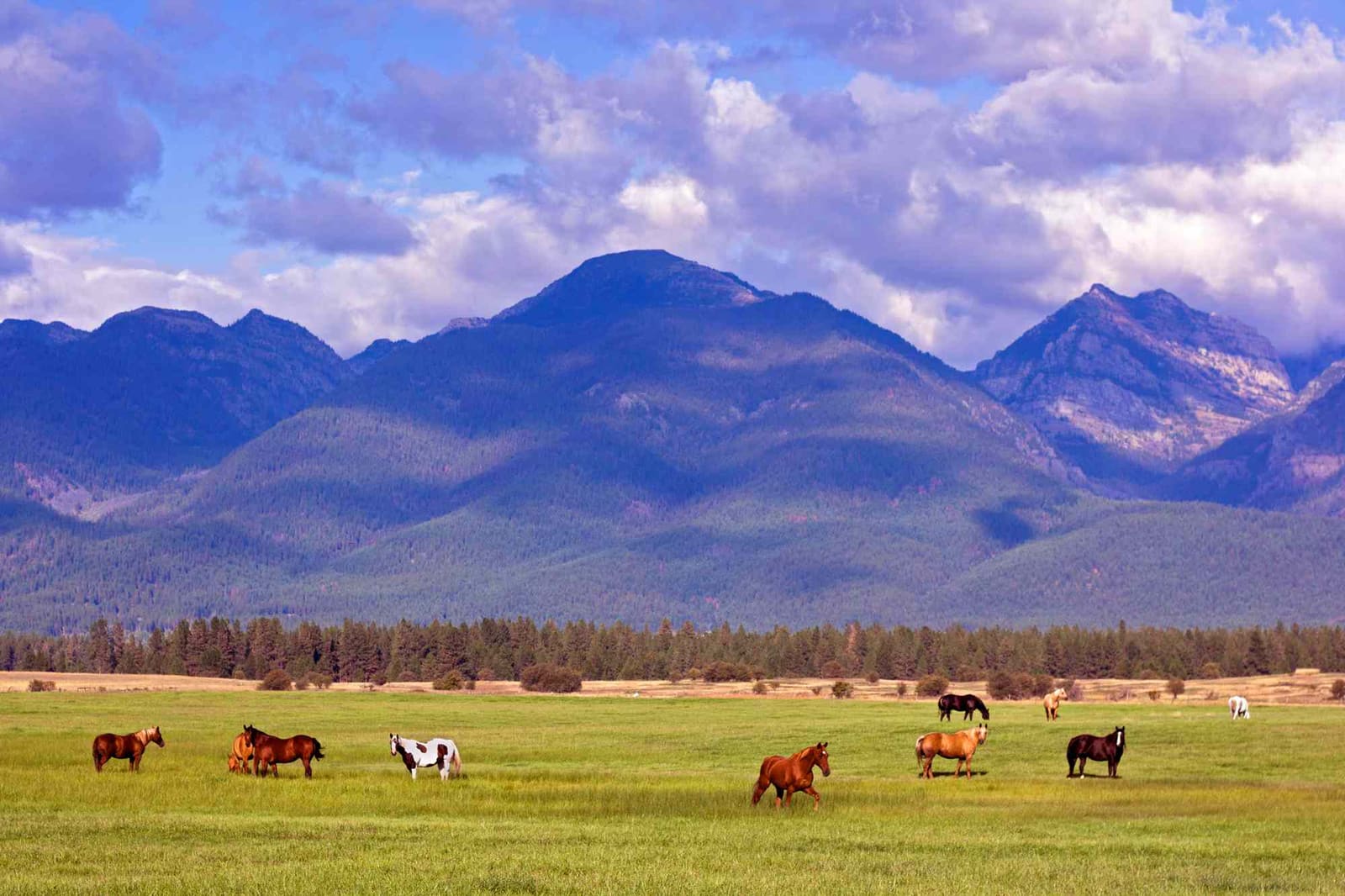
We arrived in Big Sky on an afternoon when the light fell sideways through the pines, turning the meadows gold and the peaks a bruised purple. The town sits at the confluence of three valleys, surrounded by the kind of landscape that makes you understand why people once crossed continents on foot. But what struck us first was not the wilderness - though it is magnificent - but the way the place has learned to hold two ideas at once: that adventure need not be uncomfortable, and that luxury need not be insular.
At Global Chic Voyage, we have watched mountain destinations struggle with this balance for years. Some lean too far into rustic authenticity and lose the traveler who values a well-made cocktail after a day on the trail. Others polish themselves into interchangeable resort experiences that could exist anywhere. Big Sky, we found, has carved out something rarer: a destination that takes both the mountains and the guest seriously.
The Architecture of Four Seasons
The town's evolution from a single-season ski village into a year-round retreat reflects a broader shift in how we think about mountain travel. Winter remains the anchor, certainly. The ski terrain here is expansive, with runs that stretch across multiple peaks and bowls that hold powder long after storms have passed. But the infrastructure no longer goes dormant when the lifts close.
Summer brings a different rhythm. The trails that serve skiers in winter become hiking and mountain biking routes, threading through alpine meadows thick with wildflowers. The rivers fill with runoff, drawing fly fishers who wade into cold water at dawn. Autumn turns the aspen groves into corridors of yellow light, and the elk bugle in the high country. Spring, often overlooked, offers a particular kind of solitude - the season when the crowds thin but the landscape opens up, still raw from winter but beginning to soften.
What makes this work is not simply the geography, though that helps. It is the way the town has built around the idea that adventure can be both rigorous and refined. The hotels here understand that a guest who spends the day scrambling up a ridgeline may still want Egyptian cotton and a soaking tub in the evening. The restaurants know that appetite earned outdoors is different from appetite earned at a desk, and they provision accordingly.
Where the Wild Meets the Curated
The accommodations in Big Sky span a spectrum, but the best of them share a common sensibility. They are not trying to insulate you from the landscape - they are trying to frame it. Floor-to-ceiling windows that look out onto the Spanish Peaks. Terraces built for watching weather move through the valleys. Fireplaces scaled for the kind of cold that makes you grateful for warmth.
We stayed in a property where the design vocabulary borrowed from regional vernacular - timber and stone, low-slung rooflines - but the execution was contemporary. The rooms were spare without being austere, warm without being cluttered. The sort of space where you notice the quality of the joinery, the way light changes throughout the day, the silence at night that feels almost physical.
What surprised us was the attention to the social spaces. A library stocked with field guides and poetry. A lounge where the bartender knew the provenance of every spirit on the back bar and could build a drink around your mood or the weather. These are not afterthoughts; they are integral to the experience. The assumption here is that travelers want to move between states - exertion and ease, solitude and conversation, wilderness and comfort - and that the infrastructure should accommodate that fluidity.
The Speakeasy and the Summit
Big Sky's dining and drinking culture has matured in ways that reflect its clientele. There are still steakhouses serving massive cuts of beef - this is Montana, afterall - but there are also chefs working with foraged ingredients, sommeliers curating lists that go deep on small producers, and mixologists who treat cocktails as seriously as their counterparts in coastal cities.
The speakeasy culture here is particularly telling. These are not theme bars trading on Prohibition nostalgia; they are intimate spaces designed for conversation, often hidden behind unmarked doors or tucked into basements. The drinks are meticulously crafted, the music is low enough to talk over, and the clientele tends toward those who have spent the day outside and want to decompress without fanfare.
This balance between the high-energy and the contemplative is something we have come to value more as mountain destinations mature. The ability to have a world-class meal after a day of hiking, or to nurse a perfect Negroni while still wearing your base layers, speaks to a kind of cultural confidence. Big Sky is not trying to be Aspen or Jackson Hole. It is becoming itself.
Seasons as Chapters
The town operates on a rhythm that rewards repeat visits. Winter is the obvious draw, with snow that falls dry and light, the kind that skiers dream about. But the shoulder seasons offer something more nuanced. In late spring, when the snowpack is melting and the rivers are loud, the landscape feels almost violent with life. By midsummer, the high country opens up, and you can hike into basins where wildflowers bloom in improbable density. Autumn is brief but incandescent, the aspens turning in waves that ripple across the hillsides.
Each season asks something different of the visitor. Winter demands a certain surrender to the cold, a willingness to be humbled by weather. Summer invites exploration, the long days stretching late into evening. Autumn and spring are quieter, more introspective, the kind of seasons where you spend more time watching than doing.
The hotels and outfitters have adapted to this cadence. Guided experiences range from technical climbing and backcountry skiing to naturalist-led hikes and photography workshops. The emphasis is on depth rather than breadth - fewer activities done well, rather than a menu of options that dilutes the experience.
The Measure of a Place
What lingers with us about Big Sky is not any single moment but the accumulation of small observations. The way the staff at our hotel knew our names by the second day. The bartender who remembered our order from two nights prior. The guide who pointed out a golden eagle riding a thermal and then fell silent, letting us watch without commentary.
These are the details that separate a destination from a backdrop. Big Sky is still young in some ways, still figuring out what it wants to be. But it has already learned the most important lesson: that luxury in a mountain town is not about distancing yourself from the landscape, but about deepening your engagement with it. The best properties here do not compete with the wilderness; they serve as staging grounds for it.
We left on a morning when fresh snow had dusted the peaks, even though it was technically still summer at lower elevations. The valleys were green, the mountains white, the sky that particular shade of blue you only find at altitude. It is the kind of place that makes you start planning your return before you have even departed, already thinking about which season you will choose next, and what the light will look like then.