Where the World's Quietest Luxury Is Unfolding
From rainforest lodges on the edge of glaciers to clifftop retreats carved into the Aegean, a new geography of seclusion is rewriting the rules of escape.
The Geography of Seclusion
There is a timber lodge on the edge of Bute Inlet, perched above water so still it mirrors the hemlock and cedar that frame its windows. Once a private home, the property now opens its doors to a handful of guests at a time, serving meals that rival anything plated in Paris or Tokyo, and offering helicopter access to glaciers that have no names. The profits return to the Homalco First Nations, the original stewards of this land. This is not a story about opulence for its own sake. It is a story about geography rewriting itself, quietly, in favor of those willing to travel farther and think differently about what luxury means.
The familiar circuits - Provence in summer, the Amalfi Coast in September - are under strain. Wildfires and overtourism have turned beloved European enclaves into cautionary tales. In their place, a new constellation of destinations is emerging, defined not by proximity to capital cities but by remoteness, ecological integrity, and partnerships with Indigenous communities. These are places where the infrastructure of luxury has caught up to the landscape, where five-star hospitality meets wilderness on its own terms.
British Columbia's Floating Frontier
Coastal British Columbia has become a case study in how remote can also mean refined. Three properties - Nimmo Bay, Clayoquot Wilderness Lodge, and Fawn Bluff - form a triangle of accessibility in one of the world's most inaccessible regions. Nimmo Bay rebuilt its floating lodge on the edge of the Great Bear Rainforest into a nine-cabin retreat where the nearest neighbors are seals on a rocky outcrop. Clayoquot Wilderness Lodge claimed 600 acres of rainforest and river valleys on Vancouver Island, a landscape so dense with Sitka spruce and western red cedar that sunlight arrives in shafts.
Fawn Bluff, which opened in 2025, operates on an exclusive-use model. The property accommodates one party at a time, ensuring that the heli-hiking, the glacier walks, and the gourmet dining unfold without the presence of strangers. The timber structure itself is a study in restraint: floor-to-ceiling glass, local stone, and a kitchen that sources from nearby waters and Indigenous food systems. The model here is not extraction but reciprocity. The land remains protected, the profits return to the Homalco people, and the guest experience is shaped by the knowledge that this place is not for sale - it is shared.
Mexico's Wellness Coast
Riviera Nayarit, a 200-mile stretch of Pacific coastline north of Puerto Vallarta, has quietly eclipsed Cabo San Lucas as the destination of choice for travelers seeking both surf and stillness. The rainforest meets the ocean here in a way that feels less curated than inevitable. One&Only Mandarina, an hour north of the airport, offers freestanding treehouses and villas, each with its own plunge pool, along a beach where the sand is white and the water is warm. The property includes access to the Mandarina Polo & Equestrian Club and a golf course designed by Greg Norman.
Just north, Rosewood Mandarina occupies Canalan Beach in Compostela, its suites and villas designed to disappear into the landscape. The wellness programming here draws from the healing rituals of the region's Indigenous communities - temazcal ceremonies, herbal medicine, and a food philosophy rooted in pre-Hispanic ingredients. The architecture is low-slung and earth-toned, a deliberate counterpoint to the vertical ambition of urban resorts. The message is clear: this is a place to slow down, to recalibrate, to remember that the body is part of the ecosystem, not separate from it.
The Mediterranean's Quiet Islands
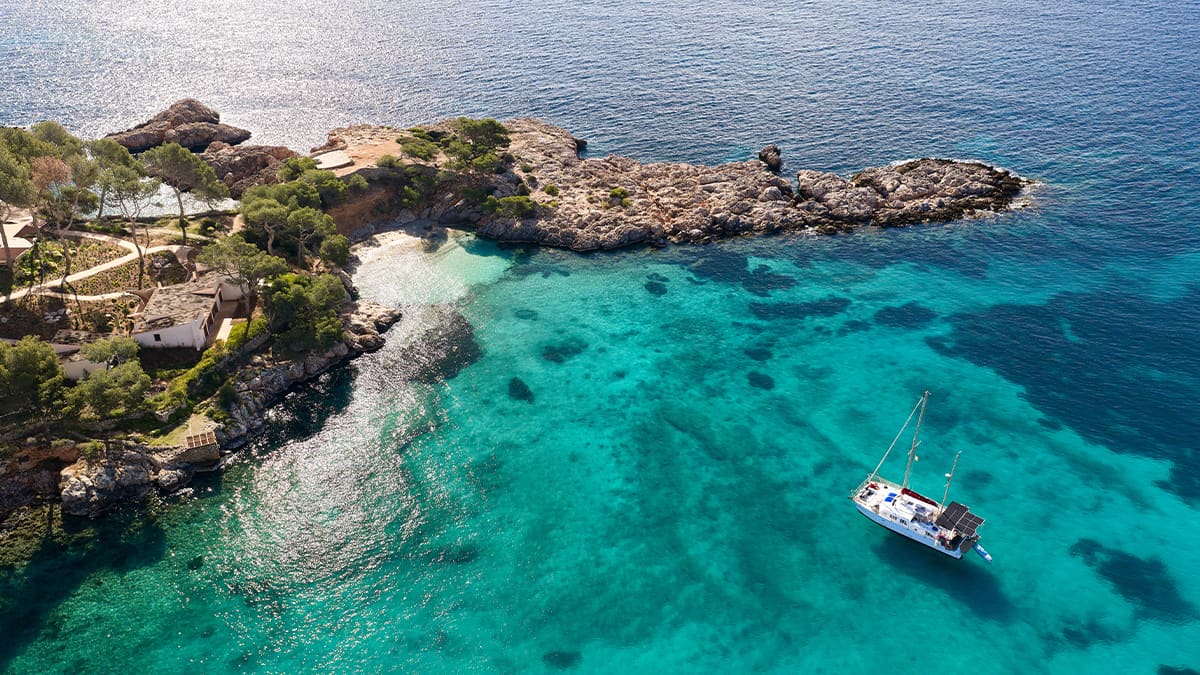
Mallorca has seen a surge of interest over the past three years, but not the kind that leads to Instagram crowds and beach-club queues. The largest of the Balearic Islands has instead attracted a more discerning cohort - those who arrive by superyacht, who value privacy over visibility, and who understand that luxury is often a function of what you don't see. Mandarin Oriental opened its only property of 2026 on the peninsula of Costa d'en Blanes, a cliffside perch overlooking the Mediterranean. The design is clean-lined and contemporary, with terraces that seem to float above the water.
Son Net, a 17th-century estate inland from the coast, offers a different kind of retreat. The property sits on a hillside surrounded by olive groves and almond trees, its stone walls and terracotta roofs evoking Tuscany without the crowds. The interiors are warm and tactile - exposed beams, antique furniture, and fabrics that age gracefully. This is Mallorca for those who prefer the countryside to the coast, who would rather spend an afternoon with a book and a glass of local wine than negotiate a beach chair.
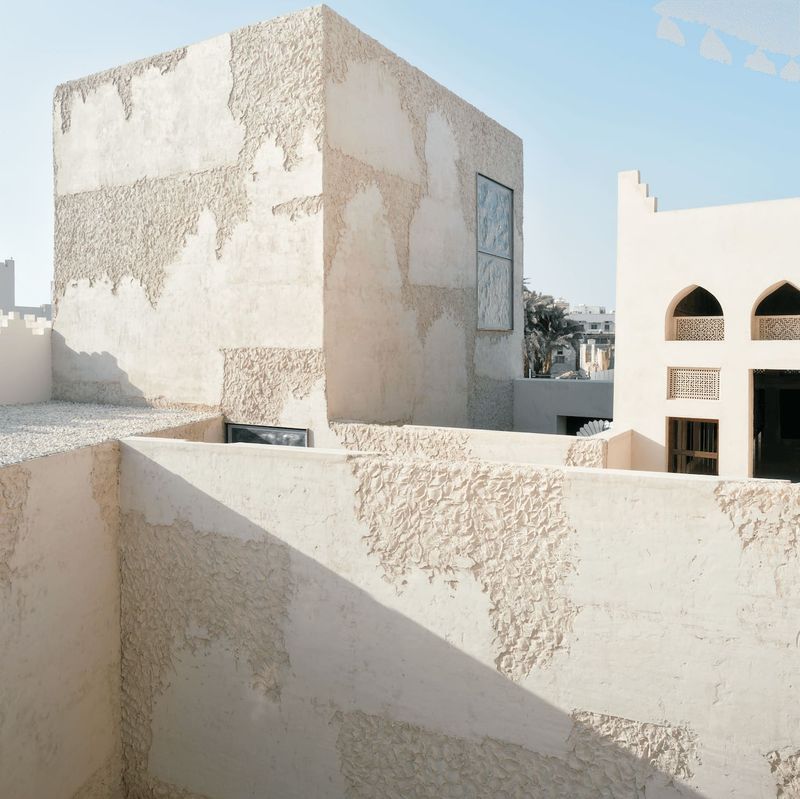
Paros, meanwhile, has positioned itself as the antidote to Mykonos and Santorini. The island is the first stop on Orient Express's new sailing yacht tour of the Cyclades, a journey that continues to Constantinople. Luura, a clifftop boutique property by Morgans Originals, opened in August 2025 as an adults-only retreat sculpted like a stark-white minimalist village. Every guest room faces west, ensuring unobstructed views of the Aegean at sunset. The design is Cycladic in its simplicity - whitewashed walls, polished concrete, and furniture that feels both ancient and modern. In Naousa, Siparos serves dinners with views of the sea, the menu changing daily based on what the fishermen bring in.
Costa Rica's Protected Peninsula
Peninsula Papagayo, a 1,400-acre community on Costa Rica's Pacific coast, operates under a mandate that 70 percent of its dry tropical forest remain protected. This is not a resort that sprawls; it is a resort that contracts, that builds around the forest rather than through it. The community includes a Four Seasons, an Andaz, and Nekajui, a Ritz-Carlton Reserve that functions as the crown jewel - a jungle utopia where the architecture is secondary to the ecosystem.
The peninsula is managed like a private club, with a native-grass golf course and Papagayo Park, a $26 million wellness and recreation hub available to all guests and residents. Villa Guayacán, one of the most exceptional private homes on the peninsula, accommodates up to 40 guests in a design-forward estate that feels less like a vacation rental and more like a manifesto. The architecture is unapologetically contemporary - glass, steel, and concrete arranged in volumes that frame the forest and the ocean. The interiors are spare and sculptural, with furniture that doubles as art.
The Costa Rican government's protection mandate ensures that development here will always be constrained, that the forest will always have the final word. This is luxury predicated on restraint, on the understanding that the most valuable amenity is the one you don't build.
Big Sky's Vertical Ambitions
Big Sky, Montana, has long been a destination for skiers, but recent development has transformed it into a year-round retreat for those who value altitude, both literal and metaphorical. One&Only Moonlight Basin, which opened in early 2025, occupies a site with direct access to some of the largest ski terrain in North America. The property's design is alpine modern - timber, stone, and glass arranged to maximize views of the Madison Range. The interiors are warm and layered, with fireplaces large enough to walk into and furniture that invites long conversations.
Summer here is quieter but no less compelling. The landscape opens up into wildflower meadows and hiking trails that climb into terrain where elk and moose outnumber people. The property offers guided fly-fishing on the Gallatin River, horseback riding through aspen groves, and access to Yellowstone National Park, less than an hour away. This is Montana for those who want the wilderness without the roughing it, who understand that comfort and remoteness are not mutually exclusive.
The New Calculus of Distance
What unites these destinations is not a shared aesthetic or a common price point but a shared philosophy: that luxury today is less about accumulation and more about access - to landscapes that remain largely untouched, to communities that retain their cultural integrity, to experiences that cannot be replicated. The calculus of distance has shifted. Remoteness is no longer a barrier; it is the point.
The travelers drawn to these places are not fleeing cities so much as seeking a different kind of immersion, one that requires patience, intention, and a willingness to cede control. These are not destinations that can be conquered in a weekend. They demand time, attention, and an openness to the rhythms of the natural world. In return, they offer something increasingly rare: the experience of being somewhere that has not yet been everywhere.