Where Wilderness Meets Wonder: A New Definition of Outdoor Luxury
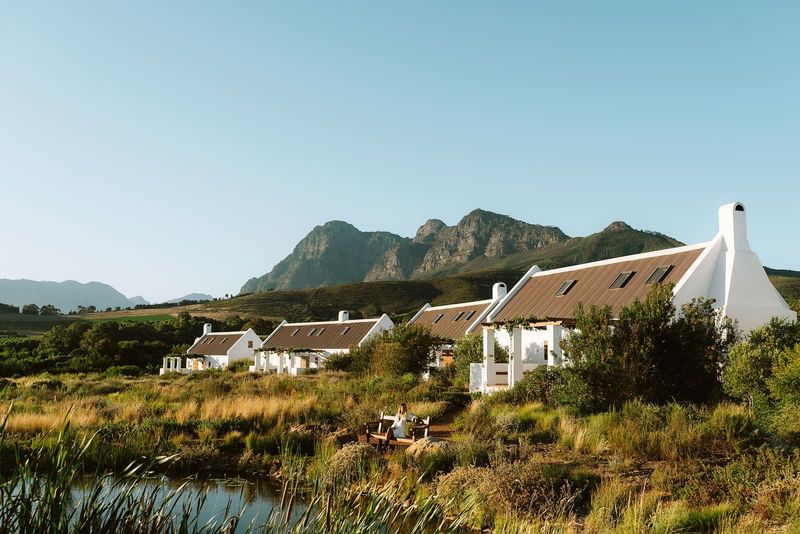
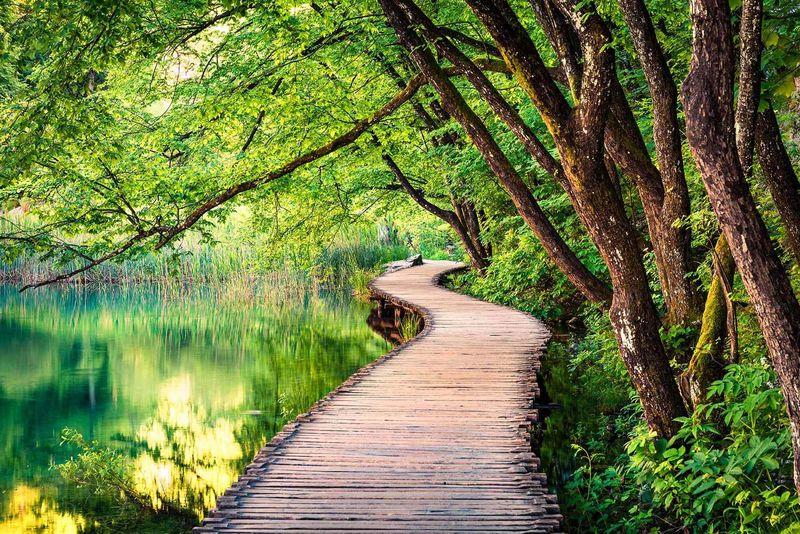
The glamping properties we've returned to this year prove that sleeping beneath the stars needn't mean surrendering comfort.
The Paradox of the Canvas Wall
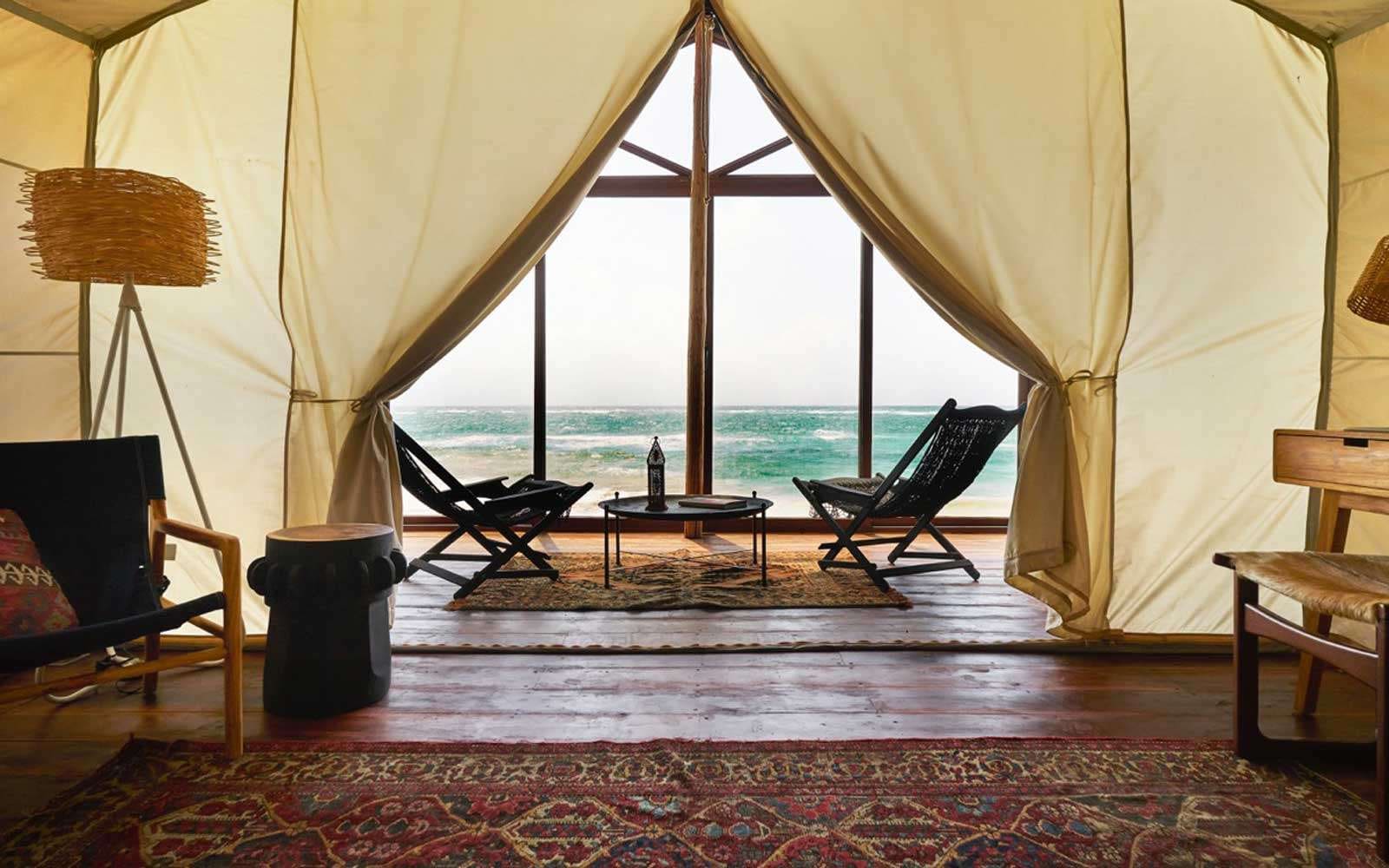
There is something fundamentally human about wanting to sleep close to the earth, yet not quite on it. To hear the night sounds of a forest, but from inside a structure that keeps out the damp. To wake to sunrise over mountains, then step into a shower with hot water and Italian tile. For years, this paradox had no satisfying resolution. You camped, and accepted discomfort as the price of immersion. Or you stayed in hotels, trading authenticity for thread count.
Glamping, when it first emerged as a term, felt like a compromise, a way to split the difference. But the properties we've returned to this year at Global Chic Voyage suggest something more interesting: that luxury and wilderness are not opposites but collaborators. That a well-designed tent or treehouse or geodesic dome can deepen your relationship with a landscape rather than insulate you from it. The question is no longer whether you can have both comfort and nature. It is which properties understand how to marry them with intention.
Canvas, Timber, and the Architecture of Immersion
The most compelling glamping sites share a design philosophy that prizes lightness of footprint and heaviness of experience. These are not permanent structures that dominate a ridgeline or clear-cut a grove. They nestle. They adapt. Many can be dismantled and moved, leaving the land largely as it was found.
In Patagonia, certain properties have pioneered the use of tensile fabric pavilions that withstand 80-mile-per-hour winds yet weigh less than a traditional cabin's foundation. In the American Southwest, we've stayed in canvas-walled suites where the only solid walls face prevailing storms, leaving three sides open to canyon views through screened panels. In Botswana, elevated platforms lift sleeping quarters above floodplains, allowing seasonal rivers to reclaim their paths without displacing guests.
This is architecture as negotiation. The land dictates terms, and the structure responds. What you gain in return is proximity: the scent of eucalyptus after rain, the sound of a nearby stream, the particular quality of light that filters through acacia branches at dawn. These are things a conventional hotel, no matter how five-star, cannot offer.
The Luxury Is in What You Don't Sacrifice
At Global Chic Voyage, we have long argued that true luxury is not about excess but about the removal of friction. The glamping properties worth seeking out understand this instinctively. They anticipate needs before you voice them. They eliminate the small discomforts that, in traditional camping, accumulate into misery.
Beds are not cots but king-sized platforms with memory foam and high-thread-count linens. Bathrooms are not shared facilities a hundred yards away but en-suite spaces with rainfall showers, sometimes even soaking tubs positioned to face the view. Meals are not freeze-dried rations but multi-course dinners prepared by chefs who source from regional farms and forage from the surrounding landscape.
One property we visited in New Zealand offers a particularly elegant example. Guests sleep in individual pods scattered across a hillside overlooking a glacial lake. Each pod is self-contained, with floor-to-ceiling windows, radiant floor heating, and a small deck. But there are no televisions, no Wi-Fi in the units, no distractions. The luxury is in what has been edited out, leaving only the essentials: shelter, warmth, beauty, silence.
The Locations That Make It Matter
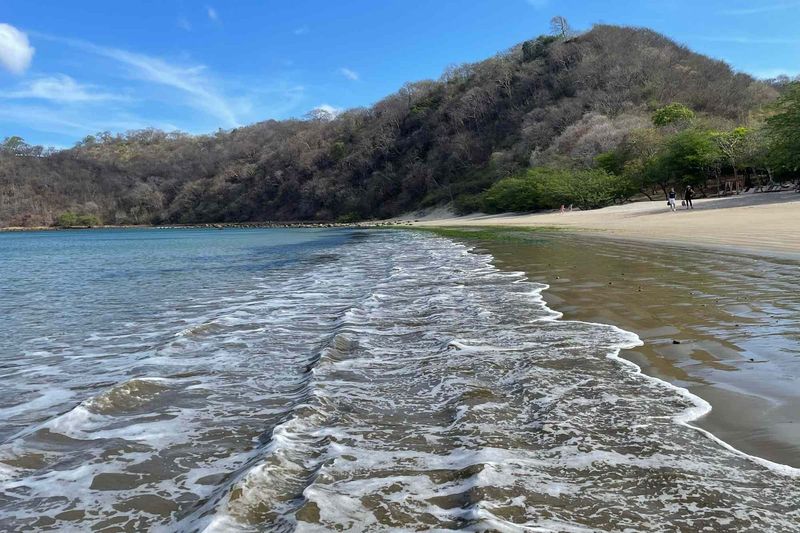
Glamping is only as good as the landscape it inhabits. A luxurious tent in a mediocre location is just an expensive way to be disappointed. The properties we recommend are those that have secured access to extraordinary settings, places you could not easily reach or legally camp on your own.
In Montana, certain ranches offer canvas suites positioned along private stretches of trout rivers, where the only other souls you encounter are fly fishermen and the occasional moose. In the Scottish Highlands, geodesic domes perch on cliffsides above lochs, positioned to capture the northern lights during winter months. In Sri Lanka, tented camps occupy forest clearings where elephants pass through at dusk, close enough to hear but separated by natural barriers that keep both species safe.
These are not wilderness areas that have been tamed or sanitized. They are working ecosystems, and the properties that operate within them do so as guests, not conquerors. The best glamping experiences are those where you feel the landscape's wildness, its indifference to human comfort, and yet find yourself cared for within it.
Who This Is For, and Who It Is Not
Glamping will never satisfy the purist backpacker who measures virtue in miles hiked and meals cooked over a camp stove. Nor should it try. This is travel for those who love the outdoors but have no interest in performing ruggedness as a form of identity. It is for people who want to sleep under canvas but also want to sleep well. Who want to disconnect from screens but not from hot showers.
There is no moral superiority in discomfort. The hiker who suffers through a night on rocky ground is not more connected to nature than the glamper who wakes in a yurt to the same sunrise. They are simply making different choices about what they are willing to endure in exchange for access.
What matters is intention. Are you seeking genuine immersion in a landscape, or just an Instagram backdrop? The properties we return to tend to attract the former. They are places where the design, the service, and the location all point in the same direction: toward deeper attention to the natural world, made possible by the removal of logistical anxiety.
The Future of Outdoor Hospitality
We are watching glamping evolve in real time. Early iterations were often clumsy, luxury imposed on wilderness rather than integrated with it. Solar panels bolted onto safari tents. Bathtubs placed in fields with no regard for context. The aesthetic was aspirational but often missed the point.
The next generation of properties is more sophisticated. They understand that sustainability and luxury are not in conflict. That off-grid does not mean primitive. That the goal is not to bring the city into the forest but to create a third space, one that borrows the best of both and discards the rest.
We are seeing innovations in materials, in energy systems, in waste management. Properties that generate their own power, harvest their own water, compost everything organic. We are also seeing a more thoughtful approach to programming. Guided nature walks led by naturalists. Stargazing sessions with astronomers. Foraging tutorials with local experts. These are not add-ons but integral parts of the experience, ways of deepening your understanding of where you are.
What We Look For
When we evaluate a glamping property for Global Chic Voyage, we apply the same criteria we would to any hotel: quality of design, attentiveness of service, integrity of concept. But we add a few outdoor-specific considerations.
First, is the structure appropriate to the environment? Does it enhance your experience of the landscape or distract from it? Second, how does the property manage its impact? Are waste and energy systems thoughtfully designed? Is the staff trained in low-impact practices? Third, what is the quality of solitude? Can you experience quiet, or are you packed in alongside dozens of other guests?
The best glamping is not about novelty. It is about creating conditions for attention. For noticing things you would miss in the rush of normal travel. The way light changes on a ridgeline over the course of an afternoon. The particular silence that follows a rainstorm. The smell of sage crushed underfoot.
A Closing Thought
At Global Chic Voyage, we have spent years arguing that travel should be slower, more intentional, more attentive to place. Glamping, when done well, embodies that philosophy. It asks you to stay put, to sink into a single location rather than race through a checklist. It rewards patience and observation.
The properties worth seeking out are those that understand this. They are not selling adventure in the Instagram sense, all adrenaline and superlatives. They are offering something quieter and, ultimately, more valuable: the chance to be fully present in a landscape, to sleep inside it, to wake to it, to let it shape your days. That is a kind of luxury no hotel, no matter how grand, can replicate.