Where We Rest Between the Ridges: Asheville's Evolving Hotel Landscape
From Arts and Crafts-era manors to forest cottages that reimagine Appalachian hospitality, the hotels shaping a new chapter in the Blue Ridge Mountains
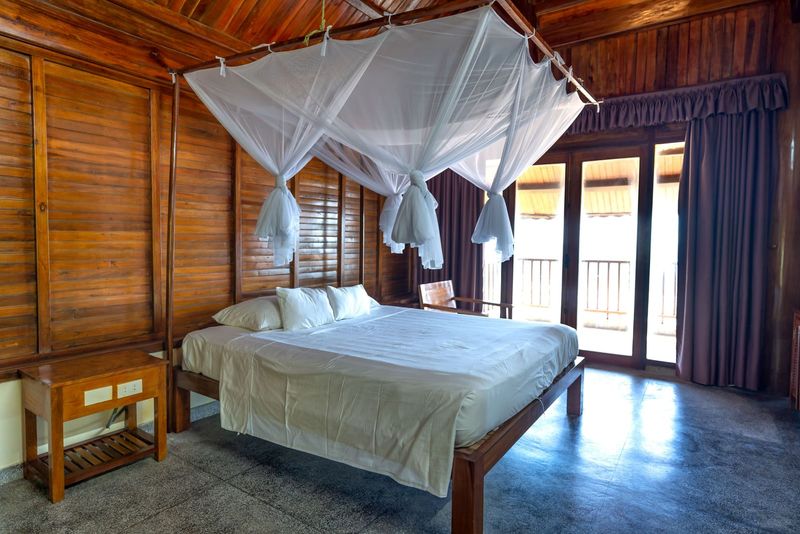
The Mountain Rooms We Remember
There is a particular quality to waking in the Blue Ridge Mountains - a coolness that persists even in August, the sound of hardwood leaves against windowpanes, the sense that the landscape has been negotiating with human ambition for longer than most American cities have existed. Asheville's hotels, at their best, understand this negotiation. They offer not just beds and breakfast but a way of being in a place that has attracted artists, craftspeople, and seekers of quieter American lives for more than a century.
At Global Chic Voyage, we've watched Asheville's hospitality landscape mature over the past decade. What was once a predictable roster of historic grande dames and budget motor lodges has expanded into something more textured: renovated Arts and Crafts estates that honor their Vanderbilt-era bones, standalone cottages that borrow from Appalachian vernacular without pastiche, and a handful of urban properties that capture the city's creative energy without losing sight of the mountains just beyond downtown.
The city's accommodation scene reflects a broader tension in American mountain towns - how to welcome visitors without erasing the cultural and ecological fabric that made the place compelling in the first place. The hotels that succeed here are those that treat their setting not as backdrop but as collaborator.
Historic Properties That Earned Their Longevity
Asheville's oldest resorts carry the architectural language of the early twentieth century, when wealthy Northeasterners sought mountain air and rustic grandeur in equal measure. These properties - built in the 1910s and 1920s, often with local stone and chestnut timber - have survived not merely through preservation but through adaptation.
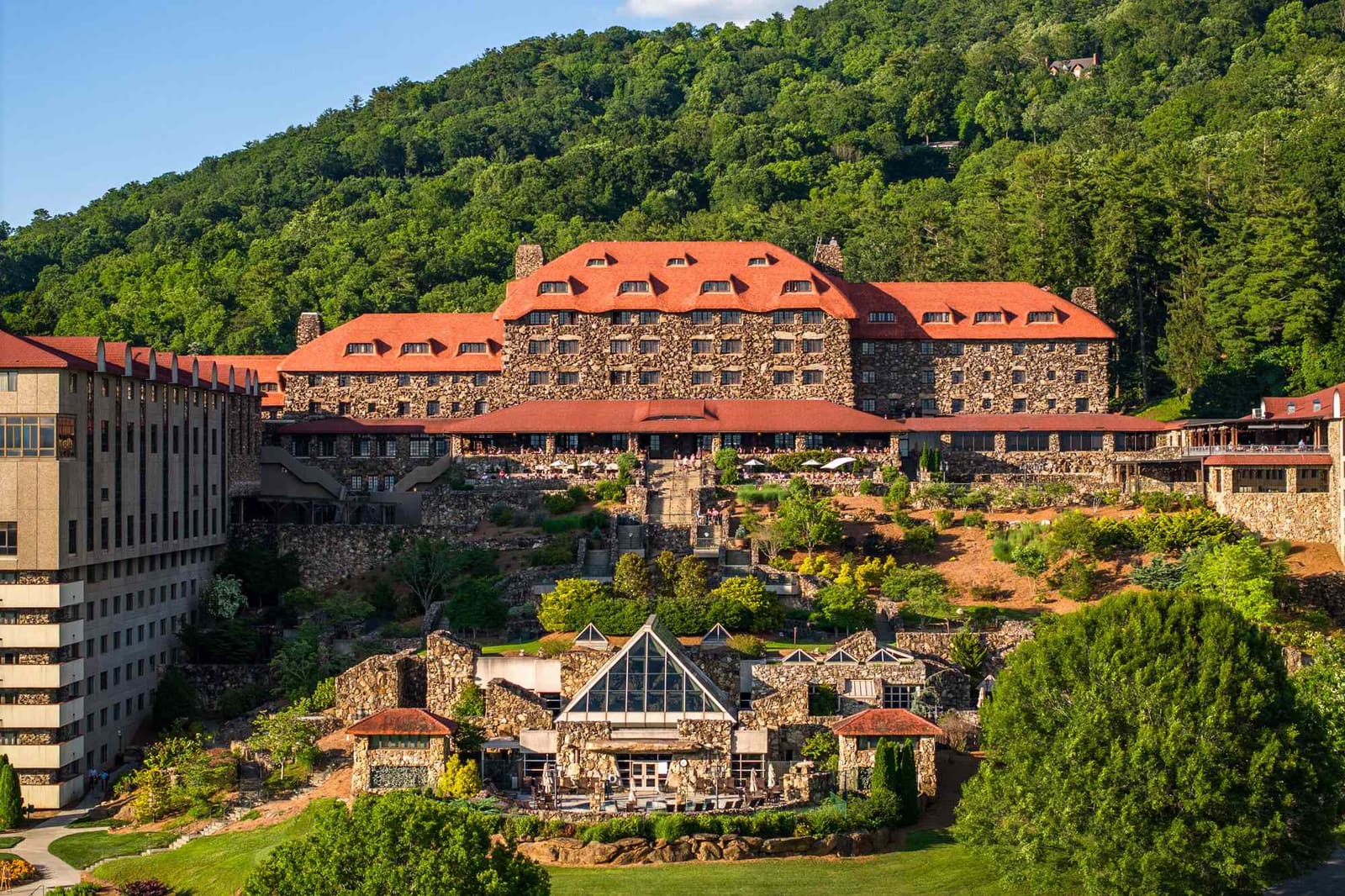
The Grove Park Inn, opened in 1913, remains the city's most iconic lodging, its massive granite boulders and red-tile roofs visible from miles away. What distinguishes it now is not just its Arts and Crafts pedigree but its willingness to layer contemporary wellness programming onto that historical framework. The property's spa, carved into the mountainside, integrates indigenous Cherokee bathing rituals with modern hydrotherapy - a synthesis that feels less like cultural appropriation and more like regional conversation.
Smaller historic properties have taken different paths. The Omni Grove Park Resort has leaned into its role as a destination for multigenerational Southern families, while boutique conversions of early-twentieth-century homes have become micro-hotels that emphasize craft cocktails and locally sourced breakfast menus over square footage.
What these properties share is an understanding that historic architecture is not a museum exercise. The best have updated plumbing, insulation, and climate control while retaining the spatial proportions and material palettes that made them distinctive. They recognize that guests want the romance of sleeping in a 1920s mountain lodge without the discomfort of actually living in one.
Cottage Culture and the Appalachian Vernacular
A newer wave of Asheville accommodations has embraced the cottage form - small, freestanding structures that prioritize privacy and landscape immersion over resort amenities. This trend reflects broader shifts in luxury travel: a movement away from large-scale properties toward intimate, design-forward spaces that feel less like hotels and more like temporary residences.
These cottages often draw on Appalachian building traditions - board-and-batten siding, metal roofs, screened porches - but reinterpret them through a contemporary design lens. Interiors tend toward minimalism: white oak floors, linen textiles, wood-burning stoves, and kitchens stocked with provisions from nearby farms. The aesthetic is neither rustic nor urban but something in between, a vernacular modernism that feels specific to this region.
What makes these properties compelling is their relationship to land. Many sit on multi-acre parcels where guests encounter deer, wild turkey, and the occasional black bear. Morning coffee happens on porches overlooking ridgelines rather than parking lots. The experience is less about amenities - there are no gyms or concierges - and more about recalibrating one's sense of scale and time.
This model also reflects Asheville's evolving identity. The city has long attracted artists and craftspeople, and many of these cottage properties are designed and operated by furniture makers, ceramicists, and architects who treat hospitality as an extension of their creative practice. Staying in one of these places often means sleeping in a bed the owner built, eating from plates a neighbor threw, and reading by a lamp sourced from a local metalworker.
Downtown Hotels and the Urban Mountain Hybrid
Asheville's downtown, compact and walkable, has developed its own hotel typology - properties that balance urban energy with mountain proximity. These hotels cater to travelers who want access to the city's breweries, galleries, and restaurants without sacrificing views of the surrounding peaks.
The Restoration, a boutique property in a former department store, exemplifies this approach. Its interiors mix mid-century furnishings with industrial elements - exposed brick, steel beams, terrazzo floors - while rooftop spaces offer sightlines to Mount Pisgah and the French Broad River. The ground floor integrates a coffee roastery and natural wine bar, creating a semi-public living room that blurs the line between hotel and neighborhood gathering space.
Other downtown properties have pursued similar strategies: adaptive reuse of early-twentieth-century commercial buildings, design that references both Southern textile mills and Bauhaus modernism, and food and beverage programs that emphasize regional ingredients and local beverage producers. The goal is to create hotels that feel embedded in Asheville's cultural ecosystem rather than dropped onto it.
This urban-mountain hybrid reflects a particular challenge for Asheville. The city is small enough that downtown and wilderness feel adjacent rather than separate, and hotels must navigate both contexts. The successful ones understand that guests might spend mornings hiking in Pisgah National Forest and evenings at a natural wine bar, and design accordingly.
What Asheville's Hotels Reveal About American Mountain Towns
Asheville's accommodation landscape offers a case study in how American mountain towns are rethinking tourism. The city has avoided the over-development that has plagued ski resorts in the Rockies, partly because it lacks a single economic driver like skiing and partly because local preservation efforts have been unusually effective.
The result is a hotel scene that feels more curated than most. There are relatively few chain properties in desirable locations, and the independents that dominate tend to be owner-operated or managed by small regional groups. This has allowed for greater design risk and deeper engagement with local craft traditions.
It has also created economic challenges. Asheville's popularity has driven real estate prices upward, making it difficult for the service workers who staff these hotels to live in the city. Many properties now offer employee housing or partner with nonprofits to address this gap, but the tension between tourism-driven prosperity and affordability remains unresolved.
For travelers, the implications are both practical and philosophical. Staying in Asheville increasingly means choosing not just a bed but a position in an ongoing conversation about how mountain towns sustain themselves. The hotels that acknowledge this complexity - through hiring practices, sourcing decisions, and community engagement - tend to be the ones that feel most rooted in place.
The Architecture of Slow Mornings
One measure of a hotel's success is how it shapes the rhythm of a guest's day. Asheville's best properties understand that mountain time operates differently than coastal or urban time. Mornings unfold more slowly. Coffee happens on porches or terraces rather than in transit. Breakfast might involve a walk to a nearby bakery rather than a buffet.
This pacing is partly environmental - the mountains impose their own tempo - but it is also a design choice. Hotels that prioritize outdoor spaces, natural light, and views over televisions and minibars encourage a different kind of stay. They make it easier to notice the way light moves across ridgelines in the afternoon or how temperature drops ten degrees after sunset.
The cottages and smaller inns excel at this. Without the distractions of large resort programming, guests are left to structure their own days, often around simple rituals: morning hikes, afternoon reading, evening fires. It is a form of luxury that has less to do with thread count and more to do with the permission to do very little.
Looking Forward
Asheville's hotel landscape will continue to evolve, shaped by climate patterns, economic pressures, and shifting definitions of luxury. The city is already seeing experiments in regenerative hospitality - properties that aim to leave their landscapes healthier than they found them, through reforestation projects, watershed restoration, and partnerships with Indigenous land stewards.
There is also growing interest in year-round programming that extends beyond the traditional May-through-October tourist season. Some properties are developing winter offerings - cross-country skiing, snowshoeing, hearth-focused dining - that take advantage of the region's milder mountain climate.
What seems certain is that Asheville's hotels will remain laboratories for a particular kind of American hospitality: one that balances heritage and innovation, solitude and community, preservation and adaptation. The best of them understand that they are not just selling rooms but offering a temporary way of living in a landscape that has always demanded careful attention.
For those of us who return to the Blue Ridge year after year, these hotels become part of the mountain's memory - places where we have watched seasons change, where we have measured our own lives against the slower rhythms of ridgelines and rivers. They are not perfect, but they are trying, in their varied ways, to be worthy of the landscape they inhabit. And in an era of disposable travel experiences, that effort alone feels like something worth celebrating.