Where to Eat in Barcelona When You've Had Enough Paella
The Catalan capital rewards curiosity with paninis, yakitori, and vermouth, not just the tourist-trap seafood along Las Ramblas.
A City That Eats Better Than It Needs To
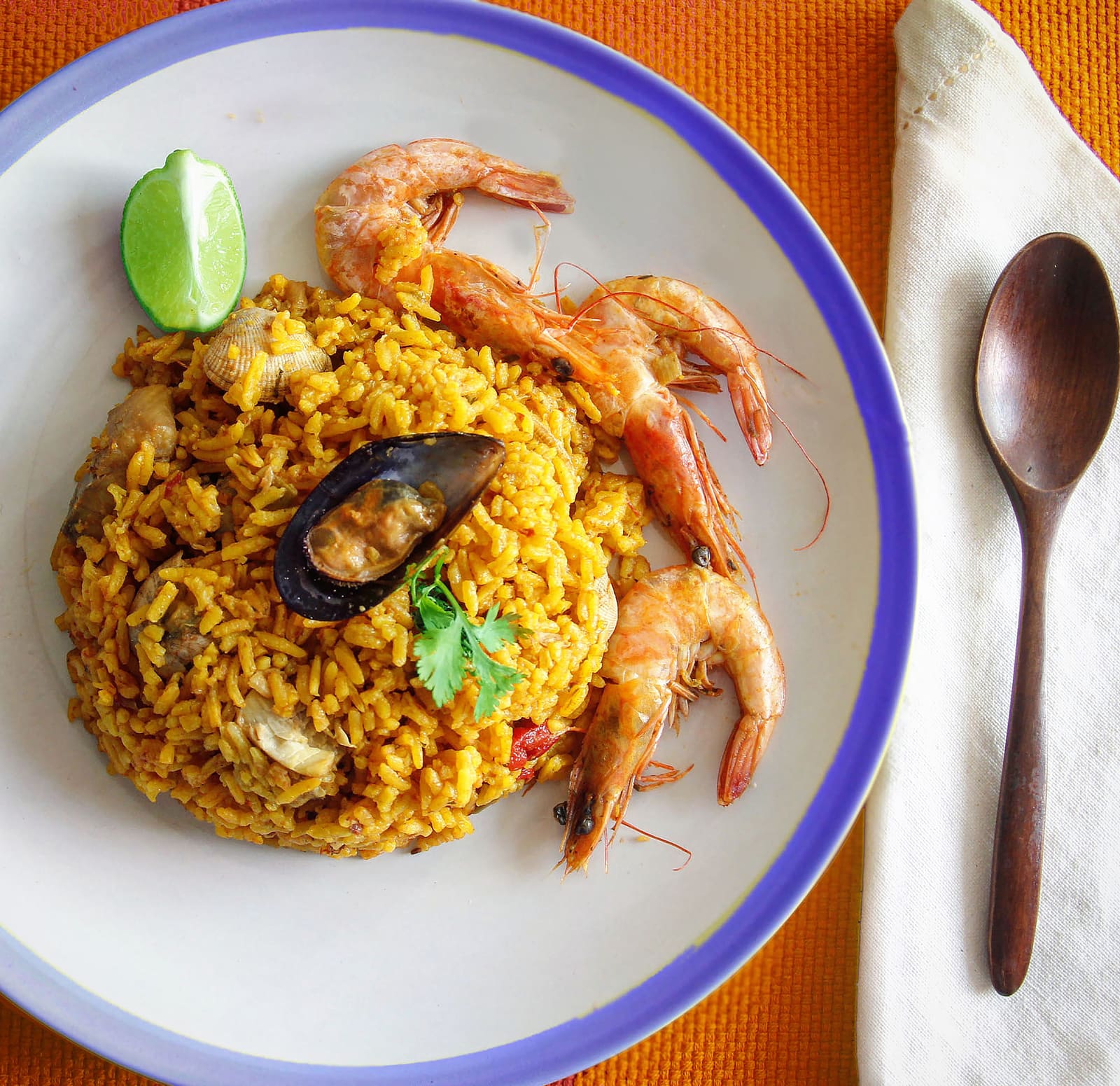
There is a restaurant along La Barceloneta where a man in a stained apron stands on the pavement, gesturing at laminated menus. The paella inside is passable. The squid is frozen. The bill arrives with a service charge no one warned you about. You leave full, vaguely cheated, and convinced you have tasted Barcelona.
You have not.
The real meal begins a few streets inland, where no one shouts from doorways and the menu is written in Catalan first. It continues in neighbourhoods where vermouth is poured from unmarked bottles, where the day's catch is chalked on a board, and where the kitchen might close at ten because the chef has run out of octopus. Barcelona has always fed its visitors well, but only if they know where to look.
The city earned global attention when Disfrutar claimed the top position on the World's 50 Best Restaurants list in 2025, a coronation that surprised no one who had been paying attention. Yet the same streets that produce tasting menus of molecular precision also harbour panini counters, yakitori joints, and South Indian stew pots. The Catalan capital has become a place where culinary ambition no longer defaults to European fine dining, where a fried chicken sandwich can command as much respect as a carefully plated crudo.
The Catalan Table, Unvarnished
Catalan cuisine does not announce itself with the fanfare of Spanish tapas or the theatre of paella. It is quieter, more rooted in season and proximity. The best examples arrive as daily specials, handwritten and subject to the morning's market haul. Seafood dominates, but not the shrimp-and-chorizo mélange that tourists expect. Instead, look for dishes that reflect the Mediterranean's moods: briny, mineral, tinged with bitterness.
Vermouth culture offers a useful entry point. Poured over ice with an olive and a twist of orange, the fortified wine appears on café tables at midday and again before dinner. It is bittersweet, faintly medicinal, and entirely local. The ritual matters as much as the drink; vermouth is a pause, a signal that the afternoon has shifted into something slower.
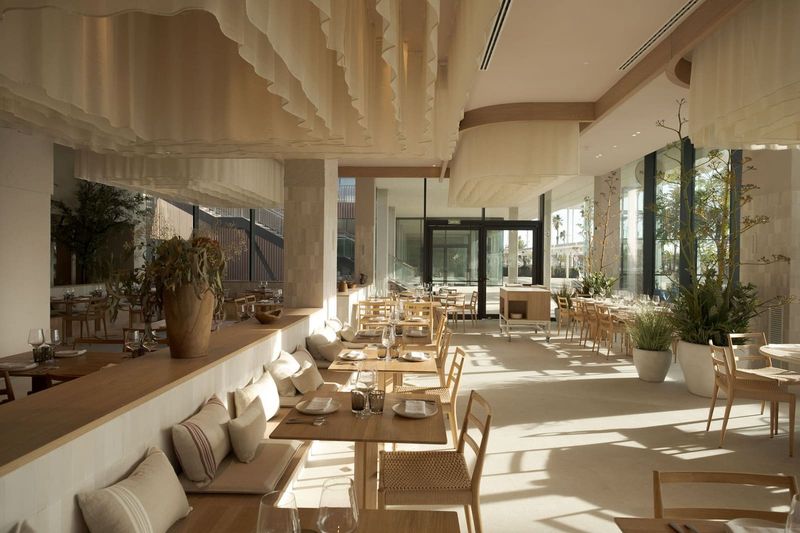
Lluritu, a marisquería with three locations across the city, exemplifies the straightforward abundance of Barcelona's seafood tradition. The menu changes with the catch, and the cooking stays minimal. Franca, housed in a former water bottling plant, takes a different approach, reimagining Catalan culinary history through a contemporary lens. The space itself, all industrial bones and natural light, frames the food as both artefact and innovation. Manda Huevos, meanwhile, leans into modern Catalan idioms, favouring bold combinations and a willingness to rewrite the rules.
Beyond the Peninsula
Barcelona's dining evolution has less to do with rejecting tradition than with expanding the table. The city now supports a growing roster of kitchens that owe nothing to Spain or Catalonia, yet feel entirely at home. Calabrese paninis appear on corners where you might have expected bocadillos. Northeast Asian small plates, paired with natural wines, fill rooms that once served only cava. A nose-to-tail yakitori grill operates with the same respect for ingredient and technique as any Catalan seafood house.
The fried chicken sandwich, improbably, has become a marker of serious intent. Towering, crisp-skinned, and engineered for structural integrity, these sandwiches reflect a culinary confidence that no longer needs to justify itself through regional pedigree. South Indian fish stews, rich with coconut and tamarind, have found an audience willing to follow heat and spice beyond the Mediterranean palette.
This is not fusion in the clumsy sense, nor is it gentrification masquerading as diversity. The kitchens are often run by chefs who grew up elsewhere, who arrived in Barcelona and chose to stay, who cook the food they know best and trust the city to meet them halfway. The result is a dining landscape that feels less curated than organic, shaped by appetite rather than strategy.
The Mechanics of Eating Well
Avoiding disappointment in Barcelona requires only modest effort. Steer clear of restaurants that employ sidewalk barkers, a reliable indicator that the kitchen cannot fill seats on merit alone. Ignore any establishment along Las Ramblas that lists paella, sangria, and "authentic tapas" in equal measure. If the menu appears in six languages with photographs, keep walking.
Instead, seek out places where the daily special is announced verbally, where the wine list skews towards small producers, and where the dining room fills with locals who arrive without consulting their phones. Reservations, once optional, have become necessary at the city's more ambitious spots. Tasting menus proliferate, though not all justify their length or cost. A rough guide: dishes under ten euros signal casual, inexpensive meals; entrées exceeding thirty euros indicate a more formal investment.
The city's dining rhythms differ from northern Europe's. Lunch begins at two and can stretch past four. Dinner rarely starts before nine, and kitchens stay open late. The best meals often happen in the margins, at odd hours when the kitchen is less pressured and the chef more willing to experiment.
The Appetite for What Comes Next
Barcelona's restaurant scene refreshes itself with unusual speed. New openings arrive quarterly, and closures follow with equal frequency. What remains constant is the city's refusal to treat food as mere fuel or spectacle. Eating here is social, sensory, and stubbornly unhurried, even as the pace of change accelerates.
The tension between tradition and innovation no longer feels like conflict. A yakitori counter can honour Japanese technique while sourcing Catalan poultry. A panini shop can serve Calabrian recipes without diminishing the bocadillo's place in the city's fabric. The Mediterranean marisquerías continue their work, unchanged by trends, while experimental kitchens rewrite the rules in former industrial spaces.
For visitors, the challenge is not finding good food in Barcelona but recognising it when it appears. The city rewards those who venture beyond the obvious, who trust a handwritten menu over a glossy one, who understand that the best meals are rarely advertised. The paella hawkers will always be there, stationed along the tourist corridors, ready to serve the predictable. The rest of Barcelona, the version that locals inhabit and protect, waits just out of sight, a few streets inland, where the vermouth is poured without ceremony and the kitchen closes when the fish runs out.