The Living-Room Cocktail Bar Coming to Hong Kong's Harbourfront
Behind a glossy mid-century façade in Tsim Sha Tsui, Lorenzo Antinori is recreating the intimate rituals of an Italian salotto, one Negroni trolley at a time.
A Salotto by the Harbour
There is a particular quality to the way Italians gather in their living rooms - an ease that resists translation, a generosity that cannot be staged. In Rome, the salotto is where aperitivi stretch into dinner, where conversation moves between art and gossip without self-consciousness, where the host knows precisely when to refill your glass. It is this domestic intimacy, rather than any grand gesture, that Lorenzo Antinori hopes to conjure when Bar Camillo opens on 25 November 2026 at Rosewood Hong Kong.
The 50-seat space, tucked within the Tsim Sha Tsui property overlooking Victoria Harbour, represents a collaboration between Antinori and his Bar Leone co-founder Justin Shun Wah, and the hotel that has held the top position in The World's 50 Best Hotels rankings. Their previous venture, Bar Leone, has occupied the number-one spot on The World's 50 Best Bars list for two consecutive years. Yet the new project consciously rejects the trappings of both accolades and traditional hotel-bar decorum.
"We want to strip away the formality," Antinori explains. His career has taken him from leading the drinks programme at London's Dandelyan to Hong Kong's Argo, but Bar Camillo, he insists, is built around a different premise: complex drinks served without stuffiness, in a setting that prioritises conviviality over ceremony.
Mid-Century Warmth, Italian Inflection
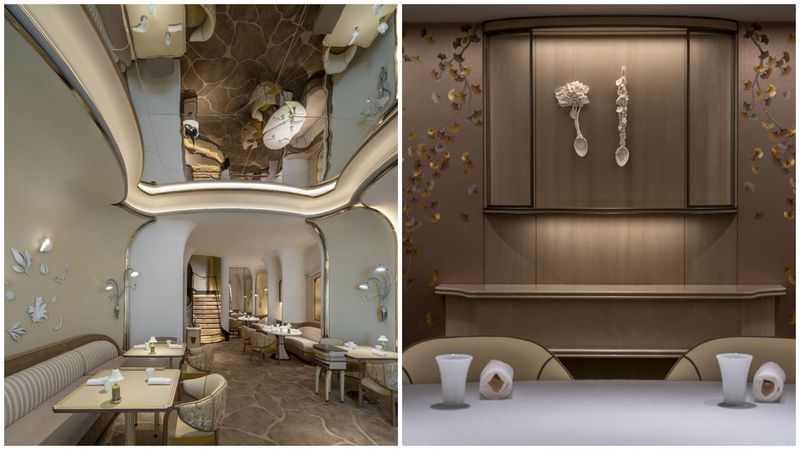
The interiors lean into the aesthetic vocabulary of post-war Italian design - glossy wood veneers, polished metal surfaces, mirrored walls that multiply light and movement. The palette runs to alpine green, gold, and cream, colours that recall the optimism of a certain era without tipping into nostalgia. A long banquette hugs the bar, encouraging the kind of accidental conversation that happens when strangers share a counter. More secluded corners offer refuge for those who prefer observation to participation. An outdoor terrace extends the space toward the harbour, framing the city skyline as backdrop rather than spectacle.
Rome-born Antinori draws on sense memory here - the textures and rhythms of home rather than any slavish recreation. The design gestures toward the salotto without attempting to transplant it wholesale. What emerges is something hybrid: a bar that feels both rooted in Italian domestic tradition and entirely at ease within its Hong Kong context.
Seasonal Menus, Cultural Anchors
Cocktails will rotate four times annually, each menu tethered to a distinct moment in Italian popular culture. The references span music, visual art, cinema - the cultural touchstones that shaped particular eras of Italian life and, by extension, Italian drinking habits. Aperitivi and reinterpreted classics will share space with more inventive house creations, the menu structured to accommodate both purists and adventurists.
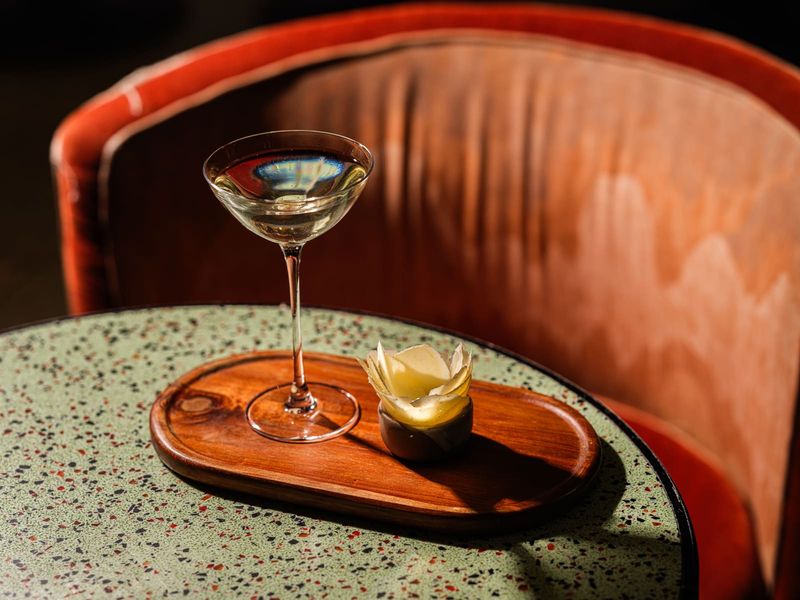
The Negroni receives special treatment, elevated from standard offering to participatory ritual. Guests select their preferred spirit, garnish, and flavour profile - floral, savoury, or rich - and the drink is assembled tableside from a dedicated trolley. The gesture nods to the theatre of mid-century service without the attendant pomp, a small ceremony that invites engagement rather than passive consumption.
The bar takes its name from Camillo, a fictional bartender whose imagined personality informs the atmosphere and approach to service. The conceit draws on the Italian tradition of padroni di casa - hosts who shape the evening through attentiveness and intuition, who understand hospitality as active participation rather than scripted performance. It is a philosophy that privileges spontaneity over polish, warmth over perfection.
Standalone Energy, Hotel Infrastructure
Antinori describes the project as an attempt to channel the energy of an independent cocktail bar within the infrastructure of a luxury hotel. "Everything is deliberately relaxed yet celebratory," he notes, "capturing the quality of hanging out at a close friend's home - just with exceptional service." The spatial metaphor he reaches for is the house party: eclectic, informal, fun.
It is a delicate balance. Hotel bars often suffer from a certain blandness, designed to offend no one and therefore to delight no one. Standalone bars, by contrast, can afford idiosyncrasy, can cultivate a distinct point of view. Bar Camillo aims to split the difference - to offer the polish and consistency that come with hotel backing while retaining the personality and looseness of an independently run room.
Whether the synthesis holds will depend largely on execution: on whether the service feels genuinely warm or merely trained, whether the design reads as lived-in or simply styled, whether the drinks reward curiosity or simply check boxes. The ingredients are promising - a team with a proven track record, a clear conceptual anchor, a location that offers both accessibility and a certain remove from the relentless churn of Central's bar scene.
The Tsim Sha Tsui Context
Rosewood Hong Kong occupies 18 Salisbury Road, a stretch of Tsim Sha Tsui waterfront that has long served as both tourist corridor and local landmark. The neighbourhood's cocktail culture has historically skewed toward the functional - hotel bars servicing business travellers, tourist-facing venues trading on harbour views. Bar Camillo's arrival signals a shift, or at least an expansion, in what the area can offer: a space designed for lingering rather than expedience, for return visits rather than one-off spectacle.
The 50-seat capacity ensures a degree of intimacy, though it also guarantees that securing a table will require foresight. The outdoor terrace will likely be the most contested real estate, particularly during the cooler months when Hong Kong's humidity relents and the harbour becomes almost pleasant.
The collaboration between Antinori, Shun Wah, and Rosewood Hong Kong represents a convergence of local knowledge and imported sensibility, of operational excellence and creative ambition. How that convergence translates into lived experience - whether Bar Camillo becomes a destination or simply another well-appointed hotel bar - remains to be seen.
What Endures
In the end, a bar is only as good as the memories it holds, the evenings that accumulate into ritual, the sense that something unrepeatable happened within its walls. Antinori's invocation of the salotto suggests an understanding that hospitality, at its best, is about creating the conditions for connection - between strangers, between ideas, between the quotidian and the celebratory.
Whether Bar Camillo can sustain that ambition beyond its opening weeks, whether it can resist the slow drift toward routine that claims most hotel bars, is a question only time and repeat visits can answer. For now, the promise is enough: a room designed for lingering, a menu that rewards curiosity, a trolley bearing Negronis mixed to order, and a view of the harbour just beyond the glass.