Where the World Slows Down: A Search for Stillness in Sacred Spaces
From monastery silence to jungle meditation, the geography of retreat offers maps inward as much as outward.
The Threshold of Quiet
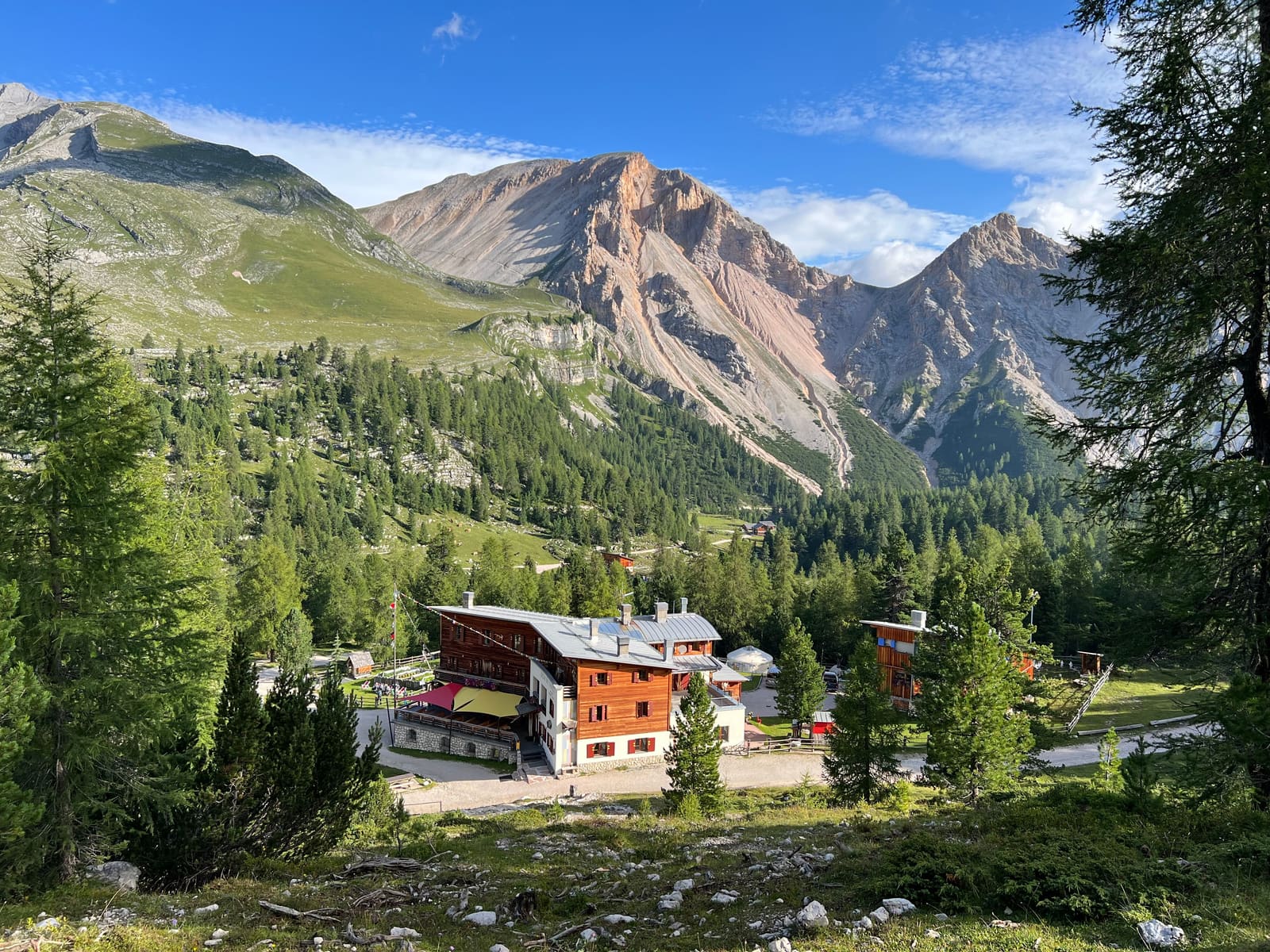
There is a particular quality to the silence at dawn in a monastery courtyard. It is not merely the absence of sound but something denser, more textured. At a Benedictine abbey tucked into the hills of Umbria, the first light catches on worn stone steps polished by centuries of footfall, and the air itself seems to hold its breath. This is the geography of retreat: places where the architecture, the landscape, and the rituals conspire to slow time down until you can hear your own thoughts clearly again.
The impulse to step away from the world in search of clarity is not new. What shifts is where we go, and what we expect to find when we arrive. Today's retreats span an extraordinary range, from rigorous meditation centres where silence is kept for days on end to gentler sanctuaries that blend contemplative practice with thermal baths and forest walks. The thread connecting them is not doctrine but a shared architecture of pause, a deliberate interruption in the rhythm of ordinary life.
Silence as Discipline
Some retreats demand more than they comfort. At Vipassana centres scattered across continents, participants surrender their phones, their books, their eye contact. Ten days of silence, rising before dawn, sitting through waves of restlessness and boredom until something beneath the surface begins to clarify. The tradition is ancient, rooted in Buddhist meditation techniques that strip away distraction to reveal the mechanics of the mind itself.
These are not escapes. They are laboratories of attention. Participants often describe the first days as excruciating, the mind throwing up every possible objection to stillness. By the end, many report a clarity so sharp it feels almost physical, a recalibration of how they perceive time, discomfort, and their own interior weather. The setting matters less than the structure: simple dormitories, vegetarian meals, long hours of sitting. The austerity is the point.
Monasteries and the Architecture of Devotion
Christian monastic traditions have perfected the art of retreat over millennia. Abbeys in France, Spain, and Italy open their doors to guests seeking respite, offering a glimpse into rhythms unchanged since the Middle Ages. At these places, the day is punctuated by the Liturgy of the Hours: prayers sung at fixed intervals, marking time not by productivity but by devotion.
The architecture itself is a form of teaching. Cloisters frame sky and garden in measured proportions. Chapels funnel light and sound toward a single focal point. Even the guest quarters, often spare to the point of asceticism, are designed to strip away distraction. For those unaccustomed to religious ritual, the experience can feel disorienting at first. But there is something deeply settling about surrendering personal choice to a communal rhythm, allowing the day to carry you rather than wrestling it into submission.
Sacred Geography in the East
Asia's retreat landscape draws on different wells. In the foothills of the Himalayas, meditation centres perch at altitudes where the air thins and the mind seems to follow suit. Tibetan Buddhist monasteries in Dharamsala welcome visitors willing to sit through teachings delivered in a blend of languages, translated in real time, the concepts themselves requiring translation across cultures.
Further south, ashrams in India offer immersion in yogic traditions that predate tourism by thousands of years. Here, retreat is not a break from life but a return to its essentials: breath, movement, the discipline of early rising and simple food. The best of these places resist commodification, maintaining a seriousness of purpose even as wellness tourism swirls around them. They ask guests to participate, not merely observe, to sweep floors and sit in silence alongside long-term residents.
In Japan, temple lodging known as shukubo allows travellers to inhabit monastic life for a night or two. At Mount Koya, a sacred mountain blanketed in cedar forests, more than fifty temples offer rooms. Guests rise for morning prayers, eat shojin ryori (Buddhist vegetarian cuisine), and sleep on futons in tatami rooms that have sheltered pilgrims for centuries. The experience is less about instruction than absorption, a temporary inhabiting of a different pace.
Nature as Cathedral
Not all retreats are enclosed by walls. Some of the most transformative spaces are open to sky. In the deserts of the American Southwest, vision quest traditions invite participants to spend days alone in the landscape with minimal supplies, fasting and watching. The practice draws on Indigenous customs, adapted and sometimes appropriated by contemporary seekers. When done with care and respect, it can be a profound reckoning with solitude and scale.
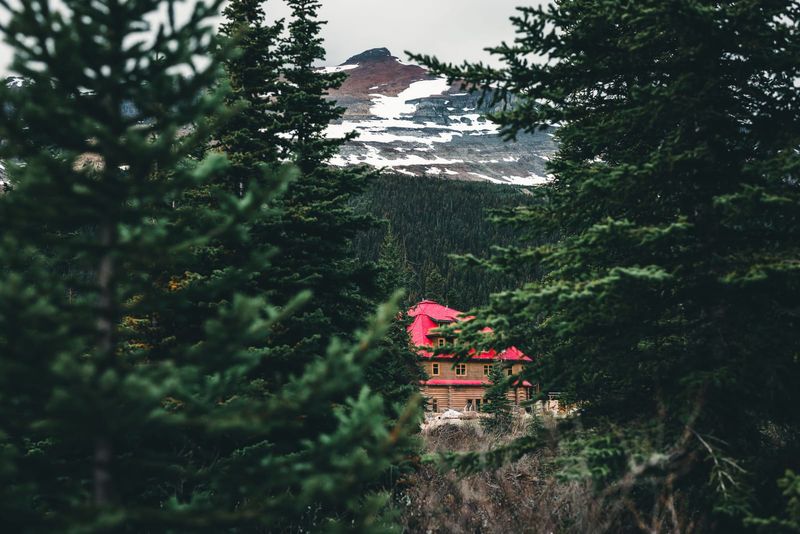
Forests, too, serve as retreat. In the Scandinavian tradition of friluftsliv, time spent in nature is not recreation but necessity, a counterbalance to urban life. Retreat centres in Norway and Sweden lean into this philosophy, offering cabins with no electricity, trails that wind through birch and pine, and the kind of silence that only deep woods can provide. Here, retreat is less about structured practice than about relearning how to be still in the presence of something larger than oneself.
The Luxury of Simplicity
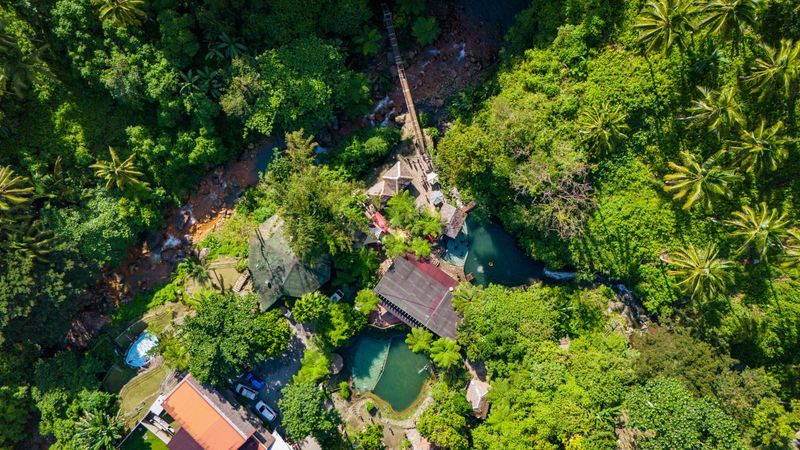
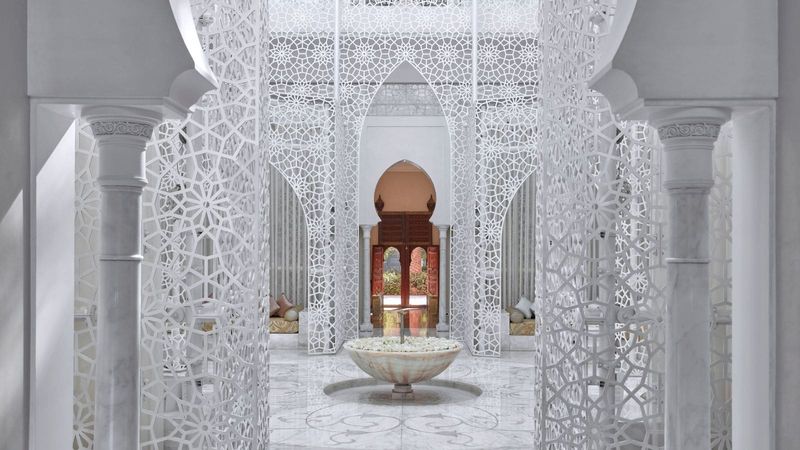
A newer genre of retreat has emerged in recent years, blending contemplative practice with high-end hospitality. These are places where silence is optional, where meditation sessions are followed by farm-to-table dinners and where the spa menu is as carefully curated as the teaching schedule. Destinations such as these dot the coasts of Bali, the mountains of Switzerland, and the wine regions of California.
Critics argue that such places dilute the rigor of traditional retreat, turning inward work into another form of consumption. Proponents counter that accessibility matters, that not everyone can endure ten days of silence or sleep on a monastery cot, and that gentler entry points serve a purpose. The truth likely lies somewhere in between. A well-designed luxury retreat can offer genuine space for reflection, but only if the guest is willing to meet it halfway, to choose silence even when distraction is on offer.
What Returns with You
The test of any retreat is not what happens within its walls but what survives the return. The clarity achieved in silence, the insights that arrive in meditation, the sense of spaciousness that comes from days unstructured by obligation. All of it meets the noise of ordinary life the moment you step back across the threshold.
Some practices take root. A daily meditation habit, a renewed attention to ritual, a willingness to build pauses into the day. Others fade, their effects more subtle: a slightly longer fuse, a capacity to sit with discomfort, a memory of what stillness feels like. The geography of retreat is always external, but the territory it maps is interior. And that map, once drawn, remains, a reference point to return to long after the journey ends.