Where Stillness Meets the Skyline: A Meditation on Place and Practice
The world's most transformative yoga retreats occupy landscapes that reshape the body's understanding of balance.
The Geography of Surrender
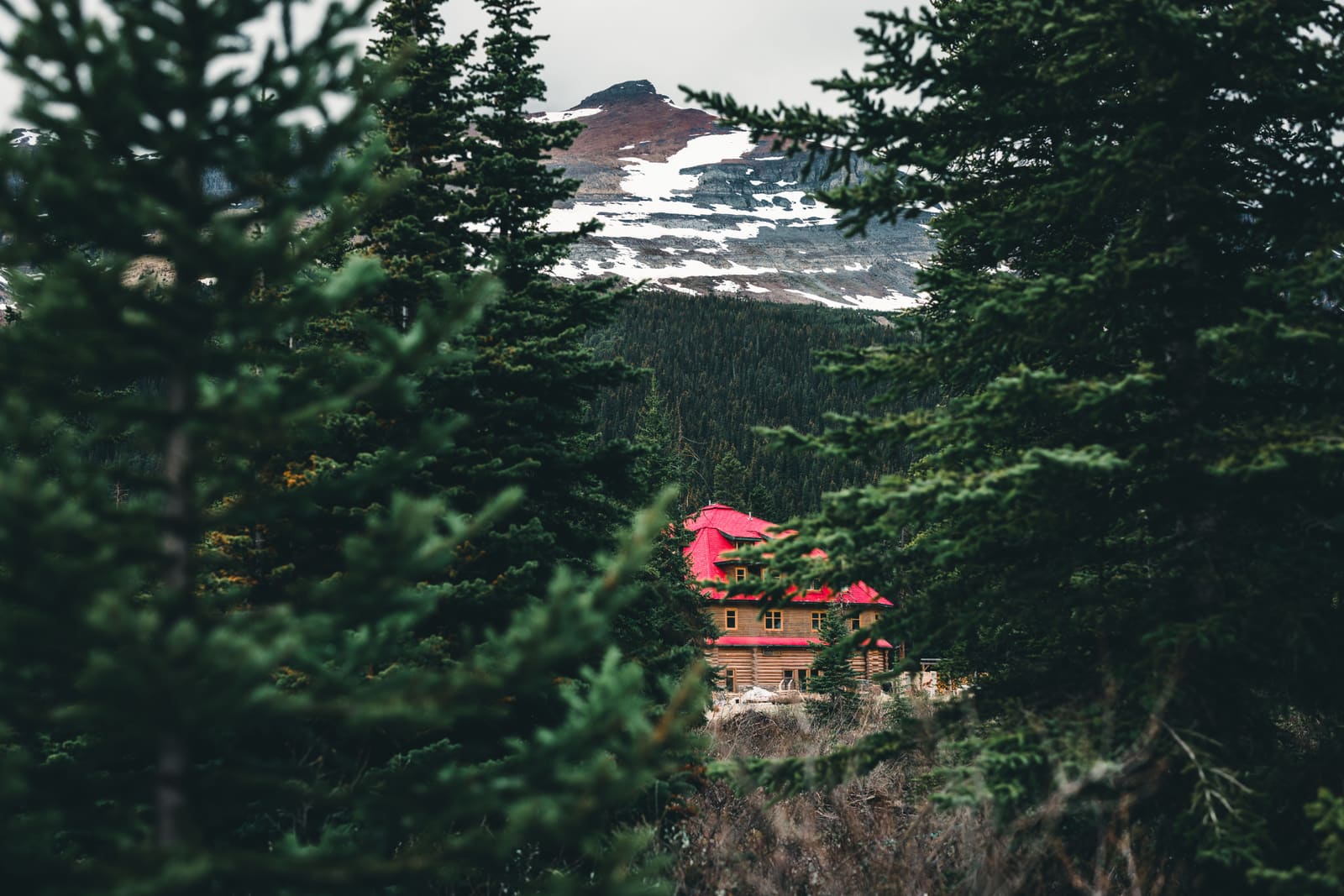
There is a moment, just before dawn breaks over the Annapurna range, when the air itself seems to hold its breath. In Nepal's high valleys, practitioners rise before the light arrives, moving through sequences as old as the mountains themselves. The altitude changes everything - breath becomes deliberate, each movement a negotiation with thin air. This is not yoga adapted to place; this is practice returned to its source.
The phenomenon is not unique to the Himalayas. Across continents, certain landscapes appear to demand a particular quality of attention. Volcanic beaches in Central America. Terraced rice paddies in Bali. Cliffside monasteries in Greece. What distinguishes these places is not merely their beauty - though beauty is abundant - but their capacity to destabilise the traveller's habitual patterns of perception.
The retreat industry has grown sophisticated in its understanding of this principle. Where once a yoga holiday meant little more than asana classes transplanted to a resort setting, contemporary programmes increasingly recognise that environment shapes practice as profoundly as any teacher. The land instructs. The climate modifies. The local rhythm infiltrates.
Altitude and Adaptation
In the Himalayan foothills, retreat centres occupy a peculiar position within the spiritual economy. Many sit near pilgrimage routes that have channelled seekers for millennia. The infrastructure is often spartan - stone buildings, simple meals, schedules dictated by sunlight rather than electricity. What these places offer is not comfort but context.
The body responds to elevation in ways that mirror the intentions of practice. Heart rate increases. Breathing deepens. The mind, deprived of its usual oxygen abundance, sheds certain anxieties and sharpens others. Practitioners report that sequences they have performed for years feel entirely new at three thousand metres. The poses have not changed; the body's relationship to gravity has.
Several retreat operators in Nepal and northern India now structure programmes around this physiological reality. Arrivals spend the first days in lower valleys, acclimatising through gentle movement and meditation. Only after the body has adjusted do groups ascend to higher elevations, where the practice intensifies alongside the altitude. This is not merely logistical prudence - it is pedagogy embedded in topography.
The Equatorial Alternative
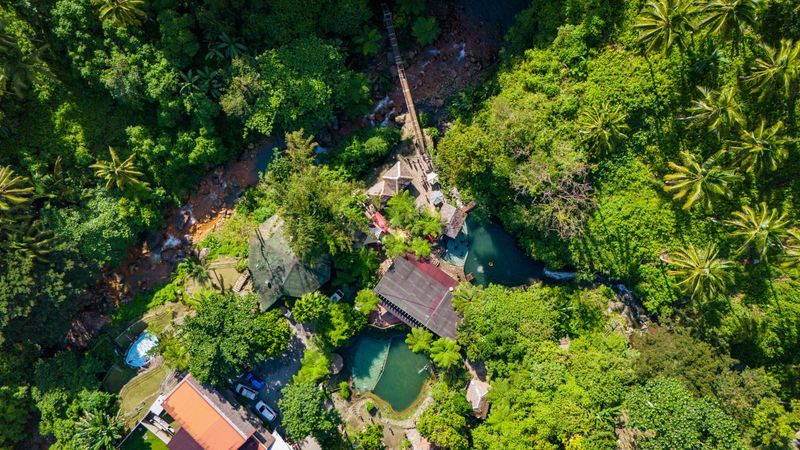
Costa Rica presents a different proposition. Here, the challenge is not altitude but humidity, not sparse air but dense jungle. Retreat centres cluster along both coasts - the Pacific side offering volcanic sand and powerful surf, the Caribbean coast providing calmer waters and deeper forest.
The heat reshapes practice in fundamental ways. Morning sessions begin earlier, often at dawn, to avoid the midday intensity. Sequences slow. Hydration becomes central. The body sweats freely, releasing not just moisture but a certain kind of urban tension that seems to require tropical temperatures to fully dissolve.
What distinguishes the Central American approach is its integration of local tradition. Many Costa Rican retreats incorporate elements of indigenous wellness practices - herbal temazcal ceremonies, cacao rituals, forest bathing guided by naturalists who learned the trails from their grandparents. This is not cultural appropriation repackaged as luxury, but genuine exchange between visiting practitioners and resident wisdom.
The result is a hybrid practice that belongs fully to neither tradition. Vinyasa flows segue into guided meditations drawing on Bribri cosmology. Restorative poses are held in open-air shalas while howler monkeys provide the soundtrack. The jungle does not merely host the practice - it infiltrates it.
Islands as Laboratories
Bali has long occupied a peculiar position in the global yoga imagination. The island's own Hindu-Buddhist traditions created a ready framework for the influx of Western practitioners beginning in the 1970s. Ubud, in particular, became a testing ground for fusion approaches - sequences that borrowed from Iyengar precision, Ashtanga athleticism, and Balinese ritual in equal measure.
Contemporary Balinese retreats reflect this decades-long synthesis. The island now hosts programmes ranging from rigorous teacher training intensives to gentle wellness weeks designed for complete beginners. What unites them is an attention to setting. Shalas overlook rice terraces. Accommodations occupy traditional compounds. Meals follow the island's agricultural calendar, ingredients sourced from farms visible from the practice space.
This hyper-locality shapes the experience in subtle ways. Practitioners become attuned to the rhythms of rice cultivation - the flooding of paddies, the planting, the harvest. The Balinese calendar, with its intricate system of ceremonies and offerings, provides a temporal structure entirely different from the Western week. Time itself feels negotiable.
Greece offers a different island pedagogy. Retreat centres on Crete and the Cyclades occupy landscapes where philosophy was born. The light is famously clear, the white-washed architecture a study in minimalism. Here, the practice often incorporates elements of ancient Greek thought - Stoic philosophy, Epicurean ethics, Platonic dialogue.
The Mediterranean climate allows for outdoor practice nearly year-round. Sunset sessions on clifftops. Dawn sequences on empty beaches. The wind, ever-present, becomes a variable in every pose - sometimes support, sometimes resistance, always a reminder of forces beyond human control.
The Question of Authenticity
As yoga retreats proliferate across ever more exotic locations, questions of authenticity grow more pressing. What makes a retreat legitimate? Is proximity to yoga's Indian origins essential, or does the practice belong equally to all landscapes now?
The answers vary by tradition. Certain schools insist on lineage - teachers trained by teachers who were trained by teachers, an unbroken chain leading back to named masters. Others embrace a more fluid approach, arguing that yoga's true transmission happens through practice itself, not geography or genealogy.
What seems clear is that place matters, though not always in the ways marketing materials suggest. A retreat in the Himalayas is not inherently more authentic than one in Costa Rica. But each location offers distinct challenges and affordances. The Himalayas provide altitude, silence, and proximity to yoga's textual sources. Costa Rica offers biodiversity, heat, and the particular wisdom of rainforest ecosystems. Bali presents a living culture of ritual and offering. Greece provides philosophical lineage and Mediterranean light.
The most thoughtful retreat programmes acknowledge these differences rather than flattening them. They do not attempt to recreate India in Indonesia or import Himalayan austerity to tropical beaches. Instead, they ask what this particular place teaches, and how practice might open to that instruction.
Duration and Depth
Length determines much. A weekend retreat allows for rest and introduction. A week permits genuine rhythm - the body adjusts, habits soften, new patterns emerge. Two weeks or longer enter different territory. The initial relief gives way to deeper work. Old injuries surface. Emotional holdings release. The practice ceases to be something one does and becomes instead a lens through which everything is seen.
Many retreat centres now offer tiered programmes - short introductory weeks for curious beginners, intensive months for serious practitioners, extended residencies for those considering teaching. This stratification allows for appropriate pacing. The weekend guest receives inspiration and technique. The month-long resident undergoes transformation.
The economics vary accordingly. Short retreats operate on hospitality industry models - packages, amenities, customer satisfaction. Longer programmes more closely resemble monastic residencies - shared labour, simplified living, fees that cover costs rather than generate profit. Each model serves different needs. Neither is superior. Both deserve to exist.
What the Body Remembers
A peculiarity of retreat practice is its persistence. Practitioners report that sequences learned in specific locations retain the flavour of those places. A flow developed on a Costa Rican beach carries the memory of humidity and surf. Poses refined in the Himalayas still evoke thin air and vast silence. The body remembers not just the movement but the envelope of conditions in which it was learned.
This somatic memory suggests something about how place and practice intertwine. We do not simply perform yoga in various locations. The locations perform us, reshaping our physical vocabulary, altering our proprioceptive maps. A retreat is not a holiday with yoga added. It is an immersion that recalibrates the nervous system's relationship to space, time, and attention.
The most lasting gift of retreat practice may be this expanded repertoire of embodied states. Having experienced stillness at altitude, movement in heat, balance on clifftops, the practitioner returns home with a richer vocabulary of possibility. The body knows what it can become. The mind has tasted different modes of being. The challenge then becomes not replication but translation - how to carry these lessons into ordinary days, ordinary places, the ordinary miracle of continued practice.