Where the Pacific Meets the Palms: A Night in Santa Barbara
Along California's central coast, a handful of hotels have mastered the art of coastal elegance - balancing Spanish colonial charm with the quiet luxury of oceanfront living.
The City That Rebuilt Itself Beautiful
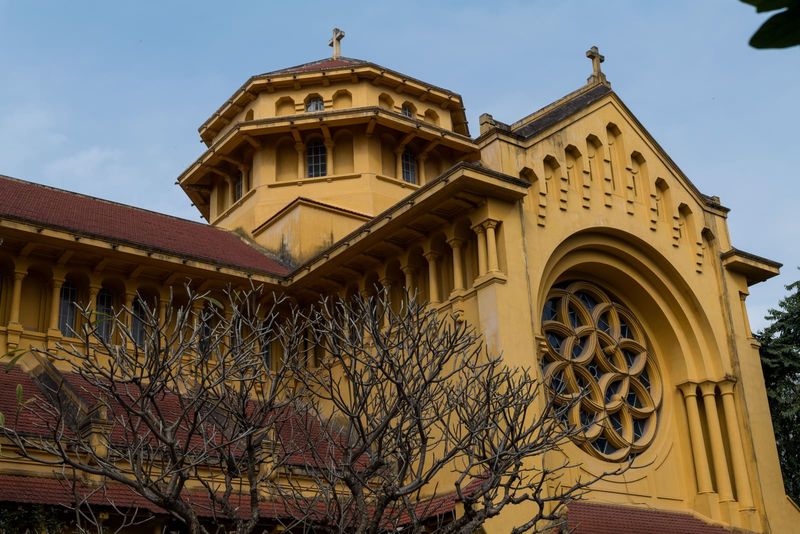
Santa Barbara chose its aesthetic deliberately. After the 1925 earthquake levelled much of the downtown, civic leaders decided the city would rise again in a single architectural language: white stucco, red tile, wrought iron, and arched colonnades that nodded to the Spanish missions dotting the California coast. Nearly a century later, that decision still shapes the city's skyline - and its hospitality.
The hotels that define Santa Barbara today occupy a peculiar niche in American luxury travel. They are neither the gilded resorts of Palm Springs nor the minimalist sanctuaries of Big Sur. Instead, they draw from a quieter tradition: the California hacienda, the Mediterranean villa, the beachfront casita where indoor and outdoor spaces dissolve into one another. The Pacific is always present, either framed through arched windows or accessible via a private staircase cut into the cliffs.
What distinguishes the best properties here is not opulence but restraint - a willingness to let the landscape do the work. The region's Mediterranean climate, its palm-lined boulevards, and the Santa Ynez Mountains rising abruptly behind the city create a natural drama that requires little embellishment. The hotels that understand this tend to fare better than those that don't.
Clifftop Sanctuaries and Beachfront Enclaves
Several properties have claimed the city's most coveted real estate: the stretch of coastline where the Pacific curves gently toward the Channel Islands. These are not sprawling mega-resorts but relatively intimate establishments, many with fewer than a hundred rooms, where the emphasis falls on direct beach access and unobstructed sightlines.
One recurring design motif is the courtyard - a central plaza or garden around which guest rooms are arranged, often with fountains, bougainvillea, and seating areas shaded by Canary Island palms. This layout, borrowed from Andalusian architecture, creates microclimates within the property: sheltered from the coastal breeze but still open to the sky. It also reinforces a sense of enclosure, of having arrived somewhere distinct from the city outside.
Another common feature is the use of local materials: terracotta pavers, hand-painted Talavera tiles, exposed wooden beams reclaimed from old barns in the Santa Ynez Valley. These elements anchor the hotels in their geography, even as the interiors nod toward contemporary comfort - plush linens, freestanding tubs, and balconies furnished with lounge chairs angled toward the sunset.
The Question of Scale
Size matters in Santa Barbara, though not in the way it does elsewhere. The city has resisted the vertical sprawl of Los Angeles and the theme-park ambitions of Southern California's larger resort towns. Zoning laws and community sentiment have kept development low-slung and relatively restrained. As a result, even the larger hotels feel manageable, their footprints spread horizontally rather than stacked skyward.
This has implications for the guest experience. Rooms tend to open directly onto gardens or courtyards rather than anonymous corridors. Pools are often terraced into hillsides or tucked behind hedges of oleander and jasmine, creating the illusion of privacy even when the property is fully booked. Dining spaces spill onto patios where the sound of the surf competes with the clinking of wine glasses.
The trade-off, of course, is that amenities may be fewer. A boutique property with thirty rooms is unlikely to offer a full-service spa, a fitness centre with ocean views, and multiple restaurants. But for many travellers, particularly those weary of the homogeneity of large hotel chains, this is precisely the appeal: a place where the concierge knows your name and the bartender remembers your order.
The Role of the Ocean
Santa Barbara's relationship with the Pacific is more temperate than passionate. The water here is cold year-round, discouraging the kind of beach culture one finds farther south. Surfing, yes - especially at Rincon Point, just outside the city - but not the all-day sunbathing and bodysurfing that defines, say, San Diego or Orange County.
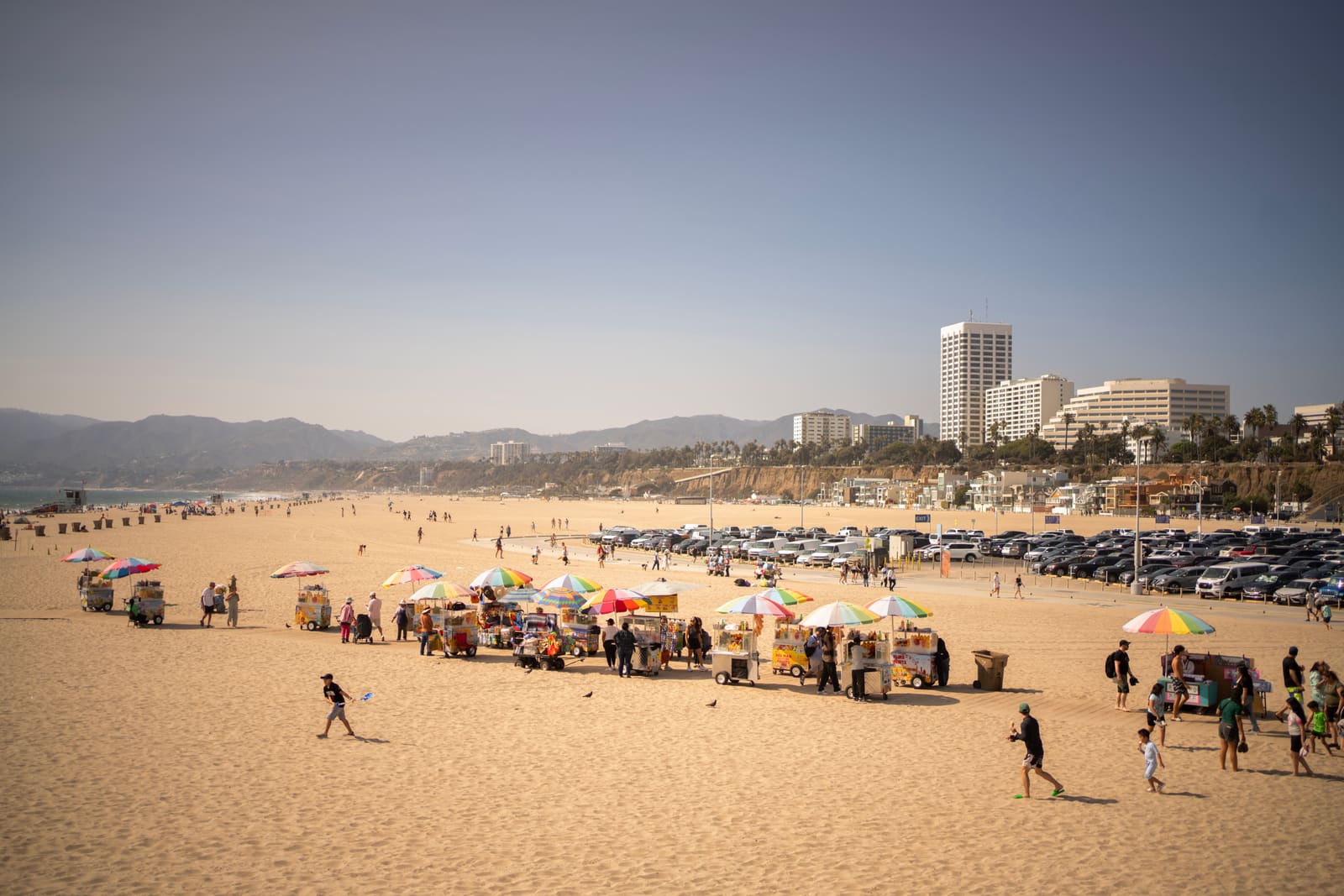
The best hotels acknowledge this. Their beach access is less about encouraging guests to plunge into the waves than about offering proximity - a place to walk barefoot at low tide, to watch the kelp forests sway in the shallows, to sit with a book as the afternoon light softens. Many provide beach loungers, umbrellas, and towels, but the real luxury is the access itself: a private stairway or a gate that opens onto sand uncrowded by day-trippers.
From certain vantage points along the coast, the Channel Islands are visible on clear days, a string of dark silhouettes floating on the horizon. The four closest - Anacapa, Santa Cruz, Santa Rosa, and San Miguel - form a national park and marine sanctuary, a reminder that this stretch of California, despite its proximity to Los Angeles, remains relatively wild.
Design Languages and Historical Layers
Not all of Santa Barbara's hotels adhere strictly to the Spanish colonial revival style. A few have experimented with mid-century modernism, incorporating floor-to-ceiling glass, flat rooflines, and an emphasis on horizontal lines that echo the coastline. Others blend eras, pairing original 1920s tilework with contemporary furniture and lighting.
The most successful properties are those that acknowledge their own history without being imprisoned by it. A hotel built in the 1930s, for instance, might preserve its original lobby - vaulted ceilings, hand-carved doors, a fireplace large enough to stand in - while updating the guest rooms with modern plumbing, soundproofing, and climate control. The result is a layered aesthetic: a sense of continuity that allows the building to age gracefully rather than feel frozen in time.
Colour plays a subtle but important role. The palette here tends toward earth tones - ochre, terracotta, sand, sage - punctuated by the occasional burst of cobalt or turquoise in tilework or textiles. These hues complement the natural environment: the blonde sandstone of the surrounding hills, the silver-green of the eucalyptus groves, the deep blue of the Pacific under midday sun.
Dining as Ritual, Not Spectacle
Santa Barbara is not a culinary capital in the way that San Francisco or Los Angeles claims to be, but it has quietly developed a food culture rooted in proximity to excellent ingredients. The surrounding valleys produce wine, olive oil, avocados, citrus, and stone fruit. The Pacific supplies sea urchin, abalone, and rockfish. The city's better hotel restaurants understand that their job is not to reinvent these ingredients but to present them with minimal interference.
Breakfast on a hotel terrace in Santa Barbara often follows a predictable but satisfying pattern: fresh-squeezed orange juice, pastries from a local bakery, eggs prepared to order, and coffee strong enough to justify a second cup. Dinner is similarly straightforward - grilled fish, seasonal vegetables, a bottle of something from the Santa Ynez Valley - but the setting elevates it. Candlelight, ocean breeze, the distant sound of a guitarist playing Spanish ballads.
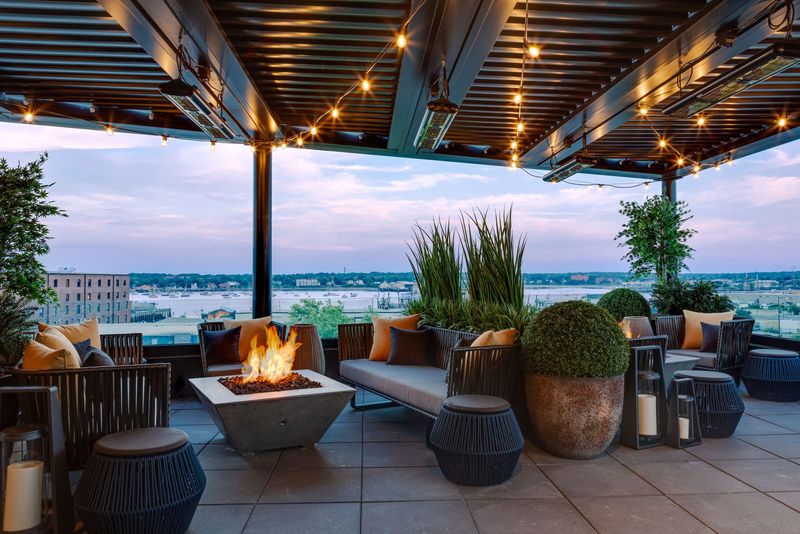
The best hotel bars in Santa Barbara are those that resist the temptation to over-complicate. A well-made margarita, a local IPA, a glass of chilled rosé - these are sufficient. The real draw is the atmosphere: a fire pit on the terrace, comfortable seating arranged for conversation, and a view that shifts as the sun sets and the string lights come on.
The Quieter Months
Santa Barbara's high season runs from late spring through early autumn, when the weather is warmest and the city fills with visitors from Los Angeles and beyond. But the off-season - roughly November through March - has its own appeal. The marine layer lingers longer in the mornings, softening the light and muting the colours. Hotel rates drop, restaurants are easier to book, and the beaches empty out.
Winter in Santa Barbara is not harsh. Temperatures rarely dip below ten degrees Celsius, and rain, when it comes, tends to arrive in brief, dramatic bursts rather than prolonged grey drizzle. The hills turn green, the wildflowers begin their slow emergence, and the city takes on a quieter, more contemplative character.
For travellers seeking solitude - or simply a reprieve from the relentless optimism of California summer - this is the time to visit. The hotels, sensing the shift, adjust accordingly. Fireplaces are lit in the lobbies, blankets appear on the terraces, and the pace of service slows to match the season.
What Remains Unsaid
Santa Barbara's hotels, at their best, offer something increasingly rare in contemporary travel: a sense of place that is neither manufactured nor overly curated. They are not theme parks, nor are they anonymous luxury boxes that could exist anywhere. They belong to this stretch of coast, this particular confluence of geography and history.
The trade-offs are real. Direct flights to Santa Barbara are limited; most visitors arrive via car from Los Angeles or by connecting through a larger airport. The city itself, while charming, is small - its pleasures more subtle than spectacular. And the hotels, even the finest among them, lack the scale and amenities of their counterparts in larger resort destinations.
But for those willing to meet Santa Barbara on its own terms, the rewards are considerable. A morning walk along the beach before the crowds arrive. An afternoon spent reading in a courtyard garden, the scent of jasmine drifting on the breeze. An evening meal where the food is good but not fussy, the wine is local, and the conversation flows easily. These are not the experiences that dominate travel brochures or Instagram feeds, but they are the ones that linger longest in memory.