Where the Edge of the Continent Meets Timeless Hospitality
Seven properties along California's Central Coast that pair proximity to the Monterey Bay Aquarium with their own reasons to linger.
A Window Into Two Worlds
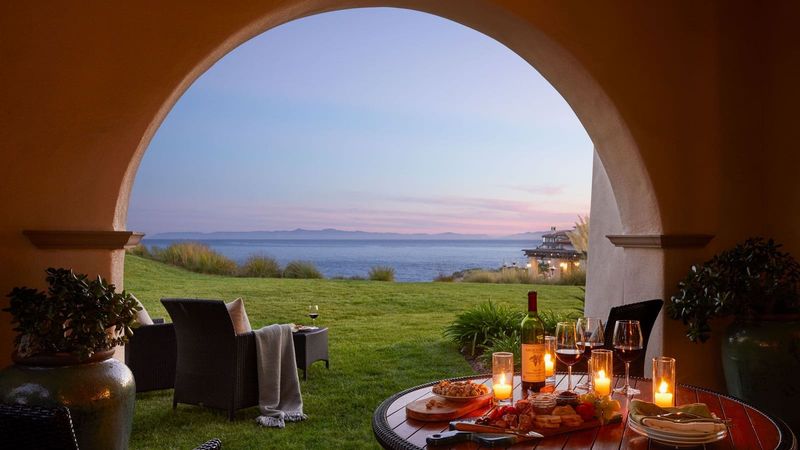
There is a particular quality to the light along California's Central Coast, where fog rolls in off Monterey Bay with the predictability of a tide chart and the kelp forests sway in rhythms older than memory. Stand at the right window in any of the properties we explore here, and you might glimpse a sea otter pirouetting through the surf or watch the sun burn through marine haze to reveal the Santa Lucia Mountains rising inland like a promise.
At Global Chic Voyage, we've watched this stretch of coastline evolve from a fishing and canning hub into one of California's most considered travel destinations. The transformation has been gradual, layered, never erasing what came before. The Monterey Bay Aquarium draws roughly two million visitors each year, yet the hotels surrounding it resist the gravitational pull toward generic hospitality. Instead, they root themselves in the textures of place: Spanish Revival courtyards, century-old estates, working ranches where miniature donkeys roam, oceanfront inns where the only thing separating your bed from the Pacific is a pane of glass and a postage-stamp beach.
What follows is not a ranked list but a considered survey of seven properties, each occupying its own niche in the ecosystem of Central Coast hospitality.
The Urban Anchor
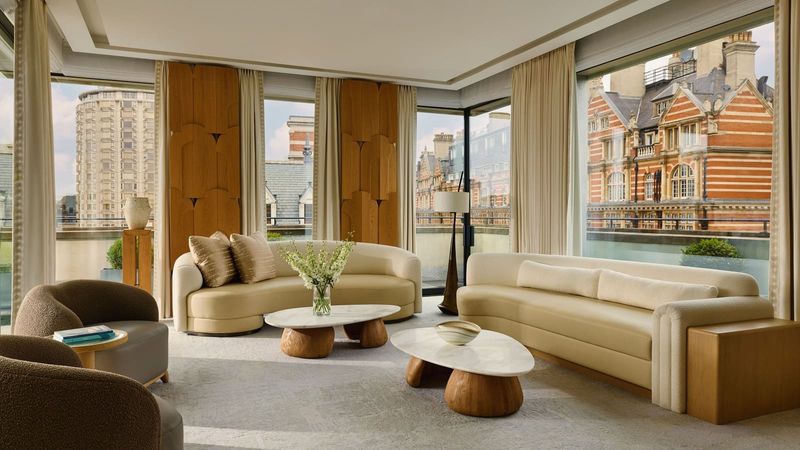
Portola Hotel & Spa sits in downtown Monterey with the self-assurance of a property that has earned its Readers' Choice Awards year after year since 2017. Its 379 rooms spread across multiple floors, with ocean views reserved for the upper stories and the seventh floor offering the most unobstructed vantage. The design language here speaks coastal California without veering into cliché: natural light, sea air, a palette that borrows from sand and fog.
Peter B's, the ground-floor brewery, functions as both hotel amenity and neighborhood gathering point. The beer list skews hoppy and collaborative, including Blue Water, a hazy IPA brewed in partnership with the Surfrider Foundation. Italian meatball sliders and street tacos anchor a menu built for grazing. Jacks Monterey, the lobby restaurant, shifts the register toward refinement at breakfast and dinner. A small library near the front desk offers respite from the social hum, a quiet corner stocked with books that change with the seasons.
The hotel sits roughly six minutes by car from the aquarium, though the 30-minute walk along the waterfront is its own form of arrival, passing Fisherman's Wharf and Monterey State Historic Park en route.
The Ranch as Refuge
Carmel Valley Ranch stretches across 500 acres in the foothills, a 23-minute drive from the aquarium but operating on an entirely different temporal scale. Here, the rhythm is dictated by guided hikes, yoga sessions, archery lessons, and scheduled visits with Pablo and Paco, the resort's miniature donkeys who have achieved a minor cult following among returning guests.
The property maintains an organic garden, a working creamery visible through large windows, chickens, a salt house, and hives that produce honey used in Valley Kitchen, the signature restaurant. Menus change with harvest cycles, a practice that sounds performative until you taste the difference. The 18-hole Pete Dye golf course threads through oak-studded landscape, and multiple pools, tennis courts, and pickleball courts ensure that restlessness finds an outlet.
At check-in, staff hand over a printed schedule of activities and offer personal recommendations with the ease of people who genuinely believe in what they're suggesting. The accommodations themselves are understated, allowing the landscape to dominate. This is a property where you come for the aquarium but stay for the rhythm of ranch life, the pleasure of waking to birdsong rather than traffic, of moving through your day according to appetite and curiosity rather than itinerary.
The Oceanfront Intimacy
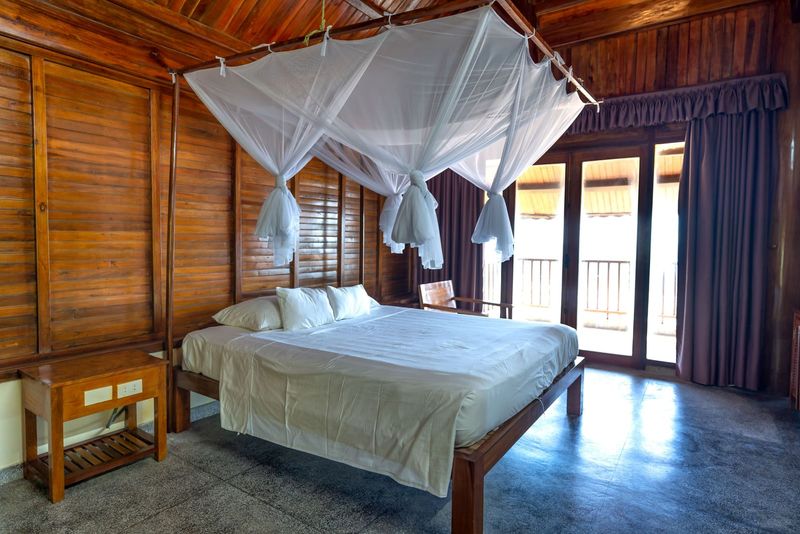
Spindrift Inn occupies a narrow strip of real estate on Cannery Row, its back rooms opening directly onto McAbee Beach, Monterey's smallest strand of sand. The 45 rooms and suites carry a bed-and-breakfast sensibility: canopy beds, rich drapery, hardwood floors dressed with crown molding and chair rail. Oceanview rooms feature window seats equipped with binoculars, an invitation to watch the bay's theater of otters, pelicans, and occasional gray whales passing through.
The property earned Readers' Choice recognition in 2017, 2018, 2019, and again in 2024, a testament to its ability to deliver on a specific promise: proximity without chaos, intimacy without isolation. You are two minutes by car from the aquarium, five minutes on foot, but the quality of quiet here feels hard-won, as though the building itself has learned to filter the noise of Cannery Row into something gentler.
There is no on-site restaurant, but McAbee Beach becomes your terrace, and the mile-long walk to Fisherman's Wharf unfolds at the pace of noticing: tide pools, harbor seals hauled out on rocks, the play of light on water.
The Resort as Village
Hyatt Regency Monterey Hotel and Spa sprawls across 22 acres adjacent to the historic Del Monte Golf Course, one of the oldest and most prestigious courses in the Western United States. With 560 rooms distributed among low-rise buildings identified by letter rather than name, the property functions less as a single hotel and more as a self-contained village.
Hammocks sway between trees, bocce courts see afternoon use, multiple pools accommodate different moods, and the spa offers retreat when the social hum grows too loud. Sea Root, the main restaurant, casts a wide net: tropical shrimp cocktail, lamb meatball casserole, Greek salad, pizza. The lobby area transforms into a social hub after dark, with firepits, lawn games, and outdoor seating that encourages guests to linger beyond dinner.
The property sits about 10 minutes by car from the aquarium, though the one-hour walk is ambitious unless you're training for something. Families gravitate here for the sheer variety of screen-free diversions, and the space to wander without constant supervision.
The Historic Boutique
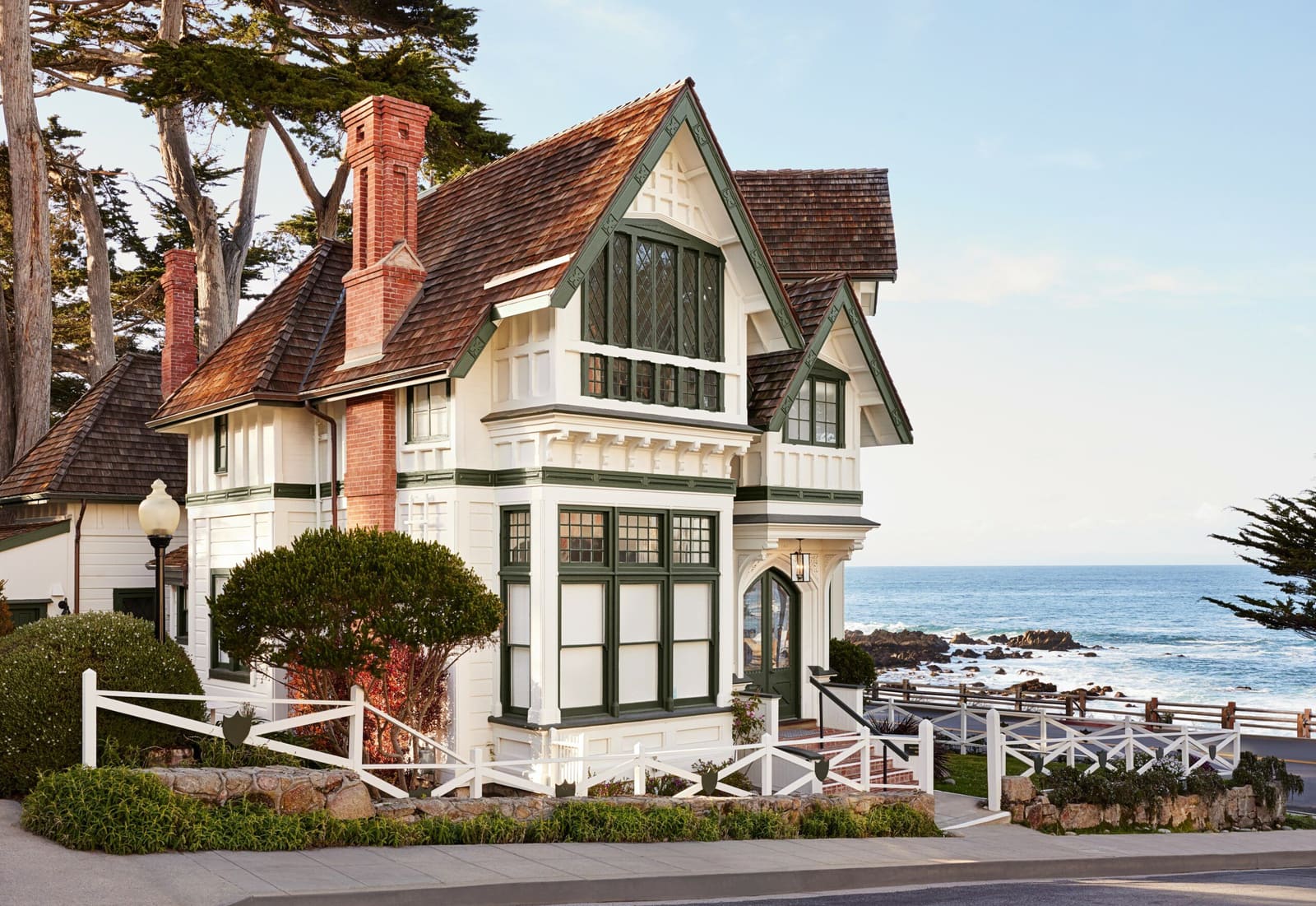
Green Gables Inn dates to 1888, a Queen Anne Victorian perched above the bay with views that have inspired painters and poets in equal measure. The 11 guest rooms were recently redesigned, each one balancing historic architecture with contemporary comfort: king beds dressed in white linens, fireplaces, sitting areas, and in most cases, Pacific views that shift with weather and light.
There is no restaurant, but the daily breakfast buffet and evening wine and cheese tastings create a rhythm of gathering. Freshly baked cookies appear each afternoon, a small gesture that feels less like amenity and more like hospitality in its truest form. Dog-friendly rooms accommodate travelers who refuse to leave their companions behind.
The inn sits two minutes by car from the aquarium, 11 minutes on foot, close enough to make multiple visits practical but far enough to feel removed from the crush of peak-season crowds. The building itself is the draw here, a piece of architectural history that has aged into something rare: a boutique property that honors its past without becoming a museum.
The Neighborhood Newcomer
Kimpton Mirador Pacific Grove opened recently in a walkable neighborhood across from a public park and library, its Spanish Revival architecture signaling residential comfort rather than resort formality. The 99 rooms feature high ceilings, local art, yoga mats, and in some cases, balconies, fireplaces, and bay views.
The property's pet policy exemplifies Kimpton's broader ethos: all pets welcome, no size or weight restrictions, no additional fees. Daily wellness programming includes yoga, sound baths, and fitness classes, supplemented by a 24-hour gym. The Caledonian, the on-site restaurant, serves breakfast, dinner, and weekend brunch, with a berry jam-stuffed French toast that has already developed a following among locals.
At four minutes by car or 21 minutes on foot from the aquarium, the hotel occupies a sweet spot: close enough for convenience, embedded enough in Pacific Grove's residential fabric to feel like a discovery rather than a destination.
The Grande Dame
La Playa Hotel in Carmel carries the weight of history with grace. Built in 1905 by landscape painter Chris Jorgensen for his wife, chocolate heiress Angela Ghirardelli, the mansion evolved into a hotel by the early 1920s. Today, its 75 rooms and suites are divided between garden, pool, and ocean views, with nearly half offering full or partial Pacific vistas.
The public spaces lean sultry and atmospheric, while guest rooms embrace natural light and a palette borrowed from the coast. Bud's, the on-site bar and restaurant, offers a compact dinner menu: deviled eggs, mushroom bolognese, burgers, grilled cheese with tomato bisque. The complimentary breakfast buffet, however, is where the property shows its hand: made-to-order omelets, Belgian waffles, avocado toast, breakfast burritos, pastries, and sparkling wine.
The hotel sits 18 minutes from the aquarium, far enough that you're choosing Carmel for its own virtues, the cobblestone charm and cypress-lined streets, the sense of a village that has resisted the pressure to become something else.
The Calculus of Place
Choosing where to stay along this stretch of coast comes down to what you value beyond proximity. Do you want to walk to the aquarium and fall asleep to the sound of waves? Spindrift Inn or Green Gables Inn. Do you want space to roam, activities that fill a weekend, the sense of a destination within a destination? Carmel Valley Ranch or Hyatt Regency Monterey. Are you traveling with a dog who deserves their own menu? Several properties here will oblige.
At Global Chic Voyage, we return to the Central Coast not just for the aquarium's jellies pulsating in their tanks or the sea otters performing their daily theater, but for the way these hotels understand that hospitality is not simply about a bed and a view. It is about creating a reason to stay longer than you planned, to shift from visitor to temporary resident, to move through a place with the slowness required to actually see it.
The edge of the continent is also a threshold, a place where land and sea negotiate their boundary in an endless conversation. These seven properties offer front-row seats to that dialogue, each with their own interpretation of what it means to be rooted in California's Central Coast.