In Tsim Sha Tsui, a harbour-view hotel may be about to change its name
A harbour-view lounge, a French kitchen and a possible new owner: what UOL's talks for the Hyatt Regency Tsim Sha Tsui could change for the people who stay there.
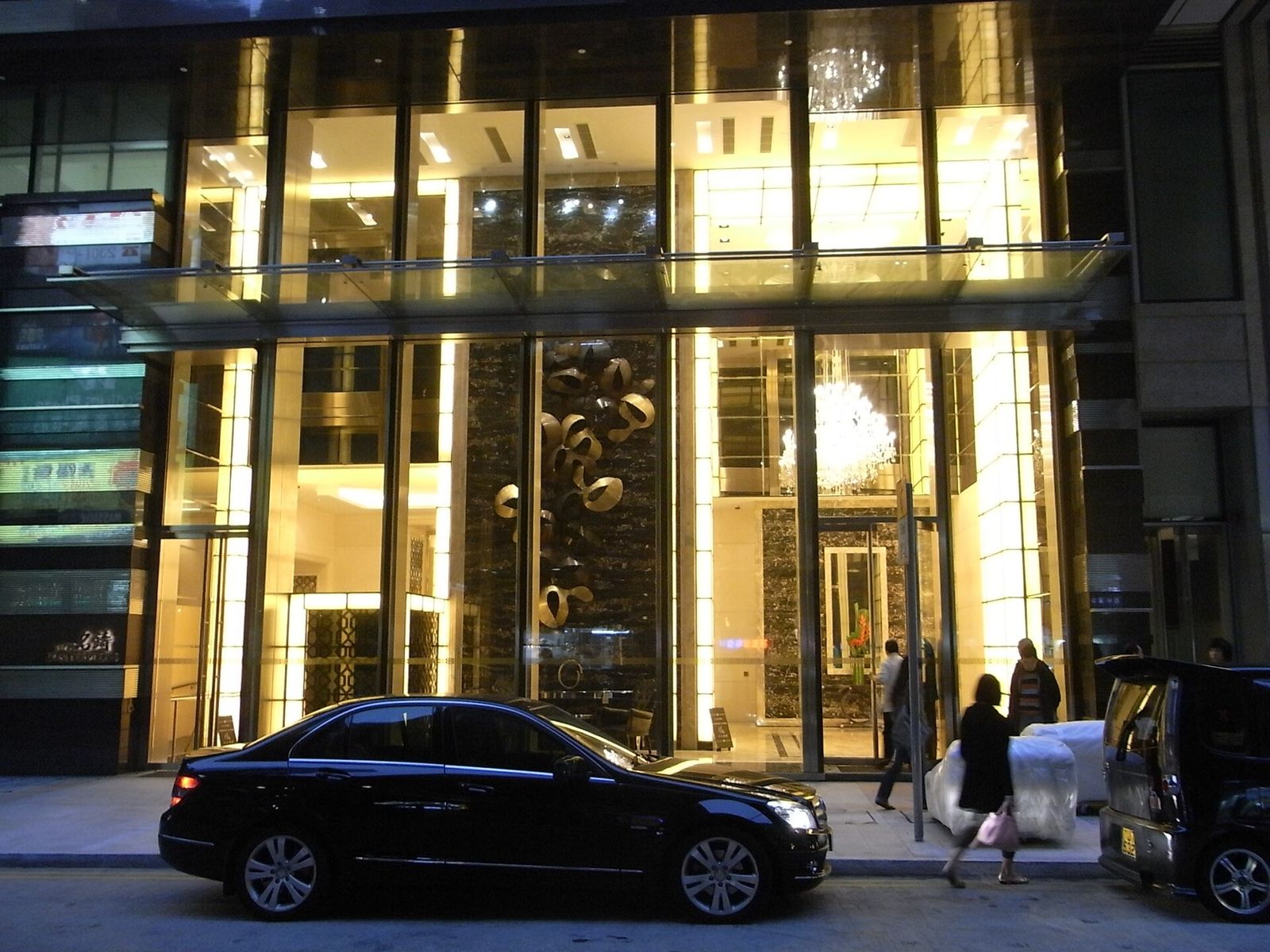
Evening in the Regency Club at the Hyatt Regency Hong Kong, Tsim Sha Tsui, comes with canapés, cocktails and a view across Victoria Harbour to Hong Kong Island. Downstairs, Hugo's serves French cooking, The Chinese Restaurant pours tea in a room modelled on a 1920s tea house, and Chin Chin Bar opens onto a terrace. The hotel's 381 rooms occupy the tower at 18 Hanoi Road that also holds the K11 Art Mall, with direct access to two MTR stations and a 25-metre outdoor pool.
The hotel may soon have a new owner. UOL Group, the Singapore company behind the Pan Pacific and Parkroyal hotels, is in talks to buy it, according to reports on 22 September. UOL has confirmed only that it is exploring opportunities and that no deal is certain. It runs 49 hotels in 13 countries, none of them in Hong Kong.
The talks matter to anyone who stays in the city because of the kind of buyer. The Singapore groups now arriving tend to run the hotels they own under brands of their own, or turn them into homes for students and long-stay tenants. Both change what a guest finds behind the door.
A new owner usually means a new name at the front desk
If the sale goes through, the Hyatt name may not stay. Dan Voellm, chief executive of the Hong Kong consultancy AP Hospitality Advisors, expects UOL to take over the management itself. "Pan Pacific will make a market entry overcoming very high barriers and likely ensure that their presence is noted in the Kowloon skyline," he told the property publication Mingtiandi. UOL has said nothing about brand or timing.
For a regular guest, a change of flag is felt first in the small things. Points and status earned under World of Hyatt belong to Hyatt hotels; a Pan Pacific hotel runs on the group's own programme, Pan Pacific DISCOVERY. The service script changes too. Pan Pacific describes its approach as "Sincerely Yours" and promises "service that comes from the heart", and its recent openings, Pan Pacific Orchard in Singapore, Pan Pacific London and Bellustar Tokyo, lean on design and sustainability. Those are the brand's own descriptions, and a Hong Kong Pan Pacific would be their first test in a building designed for another operator.
The Regency Club shows what is at stake. Hyatt lists continental breakfast, all-day coffee and tea, evening canapés and cocktails, a private check-in and a personal concierge among its privileges. Whether a new operator keeps a club floor, and on what terms, is one of the first things a returning guest would notice. The restaurants are the other. Hyatt says Hugo's was named best French restaurant of the year in 2025; a change of operator can unsettle a kitchen with a following, and none of the parties has said what would happen to it.
An owner that also operates can decide what gets refurbished and when. In Singapore, OUE and Japan's Tokyo Century agreed in June to buy the 575-room Crowne Plaza Changi Airport, with plans for a refreshed design, new technology, and sustainability and wellness facilities ahead of the airport's expansion.
In the middle of the market, rooms are becoming homes
Across the harbour in Sheung Wan, the change is more complete. On 14 September, CapitaLand Investment agreed to buy the 550-room Ibis Hong Kong Central and Sheung Wan on Des Voeux Road West. It will reopen under Adoor, an Ascott line of long-stay apartments for urban professionals and students, one MTR stop from the University of Hong Kong. JLL counted four Hong Kong hotel sales in the first half of 2026, and all four buyers planned to reposition the building.
The shift has been building for several years. PGIM Real Estate bought two Hong Kong hotels in 2022 and turned them into co-living flats, then joined Dash Living in January 2024 to buy the 56-room Sheung Wan by Ovolo, according to Mingtiandi, citing CBRE. At the time, CBRE found few buyers wanted Hong Kong hotels to run as hotels; most wanted to convert them.
The reason is a shortage of beds for students. JLL estimates Hong Kong was about 76,300 student beds short this academic year. For a visitor, the effect is local: fewer mid-priced hotel rooms in Sheung Wan and Western, the neighbourhoods closest to the university.

The guest Hong Kong is courting stays for less time
Hong Kong is not short of visitors. The city received 36.67 million arrivals in the first eight months of 2026, up 11 per cent, and August's 5.46 million was the highest monthly total since the pandemic, according to the Hong Kong Tourism Board (HKTB). The board credits events for much of it: in August, a life insurance congress, a football festival and a music awards night. WinterFest, the Wine and Dine Festival and the Cyclothon are next.
Mainland visitors make up most of the traffic, 28.7 million of the 36.7 million arrivals so far this year. They are also staying for less time and spending less per trip, HKTB data for 2025 show, as reported by The Standard. Alan Chan Chung-yee, a lawmaker and chief operating officer of Miramar Group, which runs hotels in Tsim Sha Tsui and Causeway Bay, said in April that guests over the Labour Day holiday were staying about three days, a little shorter than the usual annual average. His Tsim Sha Tsui hotel was still 85 per cent full and charging 8 per cent more than a year earlier.
Many of those events fill meeting rooms as well as bedrooms. HKTB tied August's record to international conventions and mega events, and The Hyatt Regency lists 590 square metres of meeting and event space, enough for company meetings and well short of a convention hall.
A shorter stay changes what a hotel sells. It puts more weight on the evening in the lounge, the table at dinner and the first impression at check-in, the parts of a stay a new operator can shape quickly. It is likely to press hardest on the middle of the market, where a hotel with modest room rates has less to offer beyond the room itself.
Why that may not matter much to a visitor
The room count is still rising. Hong Kong had 333 hotels with 93,481 rooms at the end of February 2026, Secretary for Culture, Sports and Tourism Rosanna Law told the Legislative Council on 1 April, and the Ibis conversion removes about 0.6 per cent of that stock. Hotels are also full most of the year, at about 87 per cent average occupancy in 2025, which suggests owners have reason to keep rooms as rooms wherever the location supports it. And a new flag in Tsim Sha Tsui would arrive with a renovation budget behind it, and, judging by OUE's plans at Changi, the buyers in this cycle expect to spend on the product.
The open question is whether a rebranded hotel can charge more to guests who stay for less time. The hotel's trading figures are private, and no one outside the deal can yet say.
What to watch
This piece reads the deals as the start of a change in who runs Hong Kong's hotels and what they feel like inside. More of the city's harbour-view rooms are likely to sit with Asian owner-operators, and more of its mid-priced rooms are likely to become homes. The signs will come in stages: a signed deal and a brand announcement from UOL, an opening date for CapitaLand's Adoor building on Des Voeux Road West, and HKTB's figures for overnight stays this winter, which will show whether the events calendar is bringing guests who stay the night.
BriefAsia examines the price side of the same deals separately.
Sources
This analysis draws on a filing by UOL Group to the Singapore Exchange; hotel information published by Hyatt and Pan Pacific Hotels Group; hotel investment and student housing research by JLL; visitor statistics from the Hong Kong Tourism Board; a written reply by the Secretary for Culture, Sports and Tourism to the Legislative Council; and reporting by Bloomberg, Mingtiandi and The Standard.