Three Tents, One Wilderness: Walking with Wildlife in Tanzania's Forgotten Park
In the vastness of Ruaha, a camp so small it feels like a secret offers something rarer than luxury: true remoteness and the pulse of the bush underfoot.
The Mathematics of Solitude
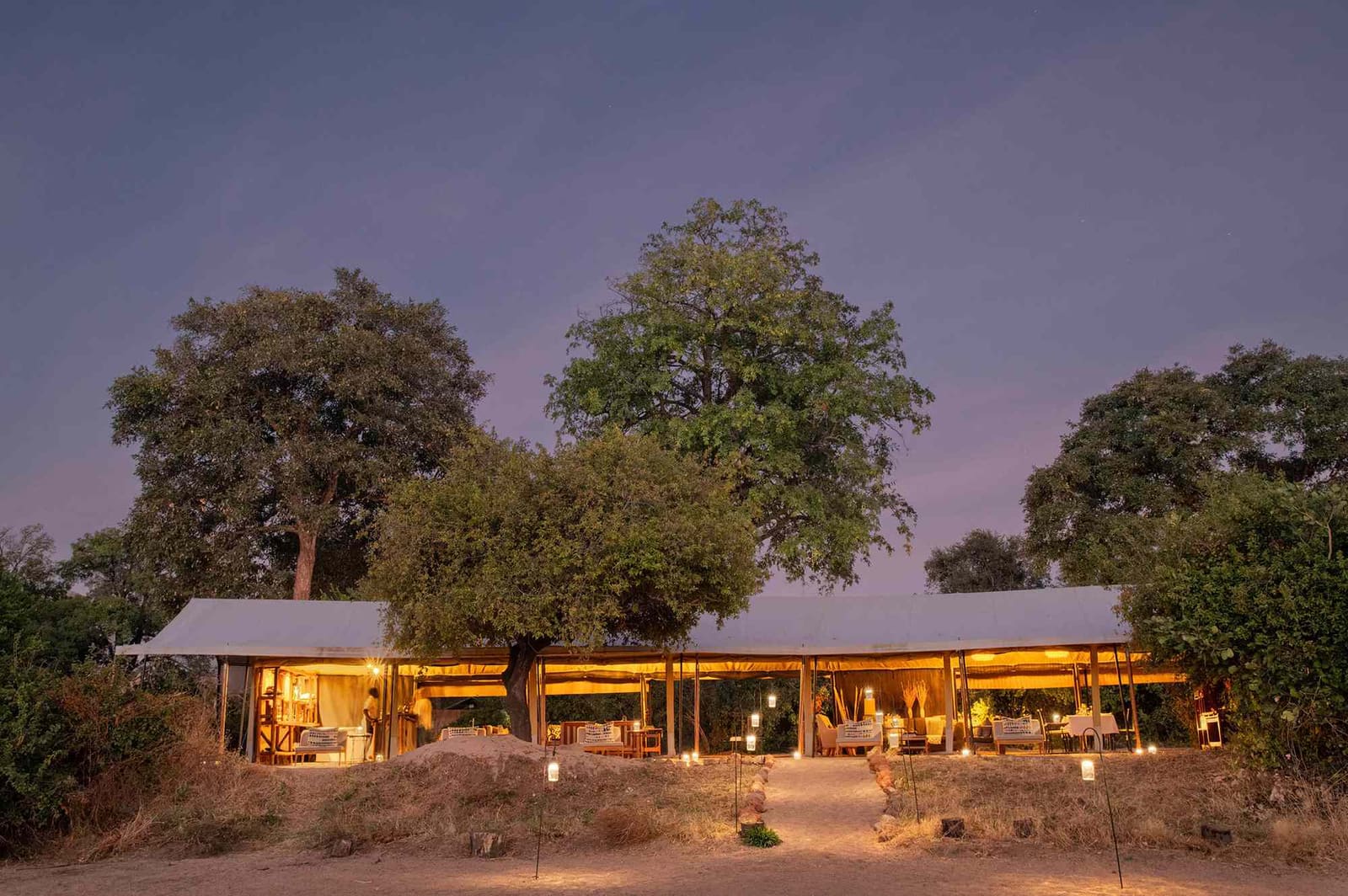
Three canvas tents. No pool, no spa, no marble-topped vanity lit by Edison bulbs. Asilia Kokoko, tucked into the scrubland of Tanzania's Ruaha National Park, has distilled the safari experience to its barest arithmetic: you, the guide, the land, and whatever moves through it. This is not deprivation but subtraction by design, a deliberate peeling away of everything that might stand between a visitor and the 20,880 square kilometres of thorn-studded plateau that make Ruaha the country's largest national park.
Ruaha remains a puzzle to many travellers. While the Serengeti draws caravans and Ngorongoro Crater fills with Land Cruisers at dawn, Ruaha sits in the centre-south of Tanzania, distant enough from Arusha's airstrips and Zanzibar's beaches that it has remained the preserve of those willing to add an extra flight, an extra day, an extra layer of commitment. The park's remoteness is not incidental; it is the point. Kokoko, opened by Asilia Africa, understands this implicitly.
Canvas and Context
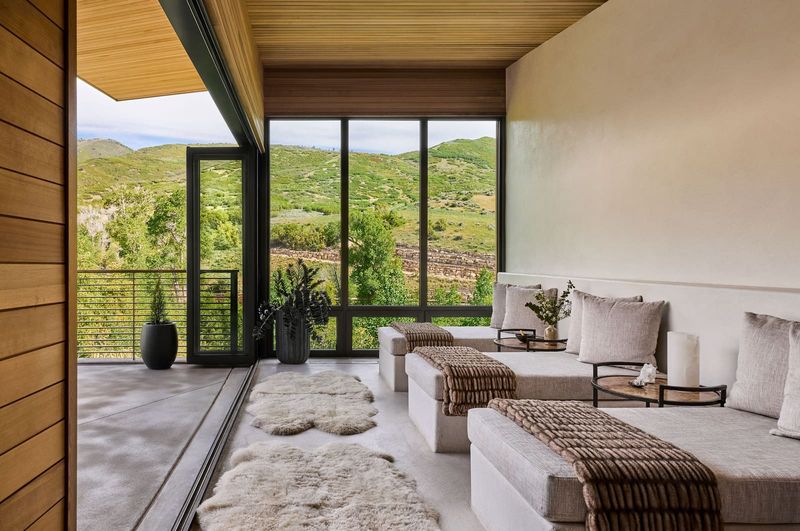
The camp's three tents are not palatial. They are simple, sturdy, and furnished with the kind of functional elegance that suggests someone thought carefully about what to leave out. Beds are dressed in white cotton. Lighting is solar-powered. Water is heated over flame. There is no Wi-Fi, no generator hum after dark, no pretence that you are anywhere other than deep in the bush. The architecture, if it can be called that, is minimal: canvas walls, wooden poles, a veranda that opens onto a landscape of baobabs and fever trees.
What Kokoko offers instead of amenities is proximity. The camp sits within walking distance of a seasonal river where elephants dig for water in the dry months, where lions rest in the shade of doum palms, where the tracks of leopard and wild dog cross and recross the sand. This is not a place designed for those who prefer to observe wildlife through tinted glass. It is a place for those who want to move through it.
On Foot, at Ground Level
Walking safaris are not new to East Africa, but they remain uncommon enough that many visitors never experience one. Kokoko makes them central. Each morning, guests leave camp on foot, accompanied by an armed guide and a tracker, moving slowly through the miombo woodland and along the riverbanks. The pace is deliberate. The focus shifts from the dramatic - the lion kill, the elephant herd - to the granular: the spiral of a kudu's horn, the pattern of scales on a mamba's back, the way light falls through acacia thorns at a particular angle.
There is a kind of attention that only walking demands. In a vehicle, the landscape scrolls past; on foot, it opens. You notice the dung beetle rolling its burden uphill, the weaver bird's nest swaying in the fever tree, the faint scuff where a hyena dragged a carcass into the grass. You become aware of your own breath, your own footfall, the way your presence alters the behaviour of the animals you encounter. A giraffe watching you from fifty metres away is a different creature than a giraffe glimpsed from a speeding Land Rover.
Ruaha's ecosystem supports more than 10,000 elephants, one of the largest populations in East Africa, alongside significant numbers of lion, leopard, cheetah, and the endangered African wild dog. The Great Ruaha River, which gives the park its name, is the spine of this system, drawing animals to its banks even in the driest months. Kokoko's walking routes follow the river's meanders, the guides reading the landscape like a text, pointing out the fresh scrape of claws on bark, the still-wet imprint of a crocodile's tail in the mud.
The Vocabulary of Silence
At night, the camp does not insulate guests from the sounds of the bush. Canvas is a permeable membrane. You hear the low rumble of lions calling across the valley, the high-pitched giggle of hyenas, the crack of a branch as an elephant passes close by. There is no soundtrack piped in, no ambient music to soften the edges. The silence, when it comes, is profound.
Meals are taken communally, around a fire or under the stars, the menu simple and unfussy: grilled meat, roasted vegetables, bread baked in a camp oven. Conversation tends toward the day's sightings, the behaviour of the animals encountered, the question of what track belonged to what creature. There is little talk of the world outside. The remoteness of Ruaha, and Kokoko's place within it, encourages a kind of focus that is difficult to sustain elsewhere.
Why Ruaha, Why Now
Tanzania's tourism infrastructure has grown exponentially over the past two decades, but the growth has been uneven. The northern circuit - Serengeti, Ngorongoro, Tarangire - absorbs the majority of visitors. Ruaha, despite its size and biodiversity, remains comparatively quiet. This is partly a matter of logistics: the park is a two-hour flight from Dar es Salaam, longer from Arusha, and the roads are rough. But it is also a matter of expectation. Ruaha does not offer the guaranteed spectacle of the wildebeest migration or the photogenic density of animals in a crater. It offers space, wildness, and the possibility that you might spend an entire day without seeing another vehicle.
Kokoko's model - small, seasonal, walking-focused - aligns with a broader shift in safari tourism toward lower-impact, higher-engagement experiences. The camp operates only during the dry season, from June to November, when wildlife concentrates around the river and walking conditions are optimal. The three-tent limit ensures that the camp's footprint remains light, both ecologically and experientially. There are no crowds, no queues for game drives, no sense that the wilderness has been parcelled out and sold by the hour.
What Remains
The final morning at Kokoko follows the pattern of the previous ones: an early wake-up, tea by the fire, a walk into the pale light of dawn. The guide stops at a spot where a leopard has cached an impala in the fork of a sausage tree, the carcass wrapped in the branches like a grotesque ornament. The leopard itself is gone, but the evidence of its presence - the drag marks, the blood on the bark, the circling vultures - tells the story.
This is what Kokoko offers: not the animal itself, necessarily, but the traces it leaves, the narrative written in sand and scat and bone. It is a quieter, slower kind of safari, one that requires patience and a willingness to accept that the bush does not perform on demand. For those who come expecting luxury in the conventional sense, Kokoko will disappoint. For those who come seeking something older and harder to name - a sense of scale, of vulnerability, of being small in a landscape that does not care - it delivers completely.