A Dessert Train Through Taiwan's Mountains Redefines Slow Travel
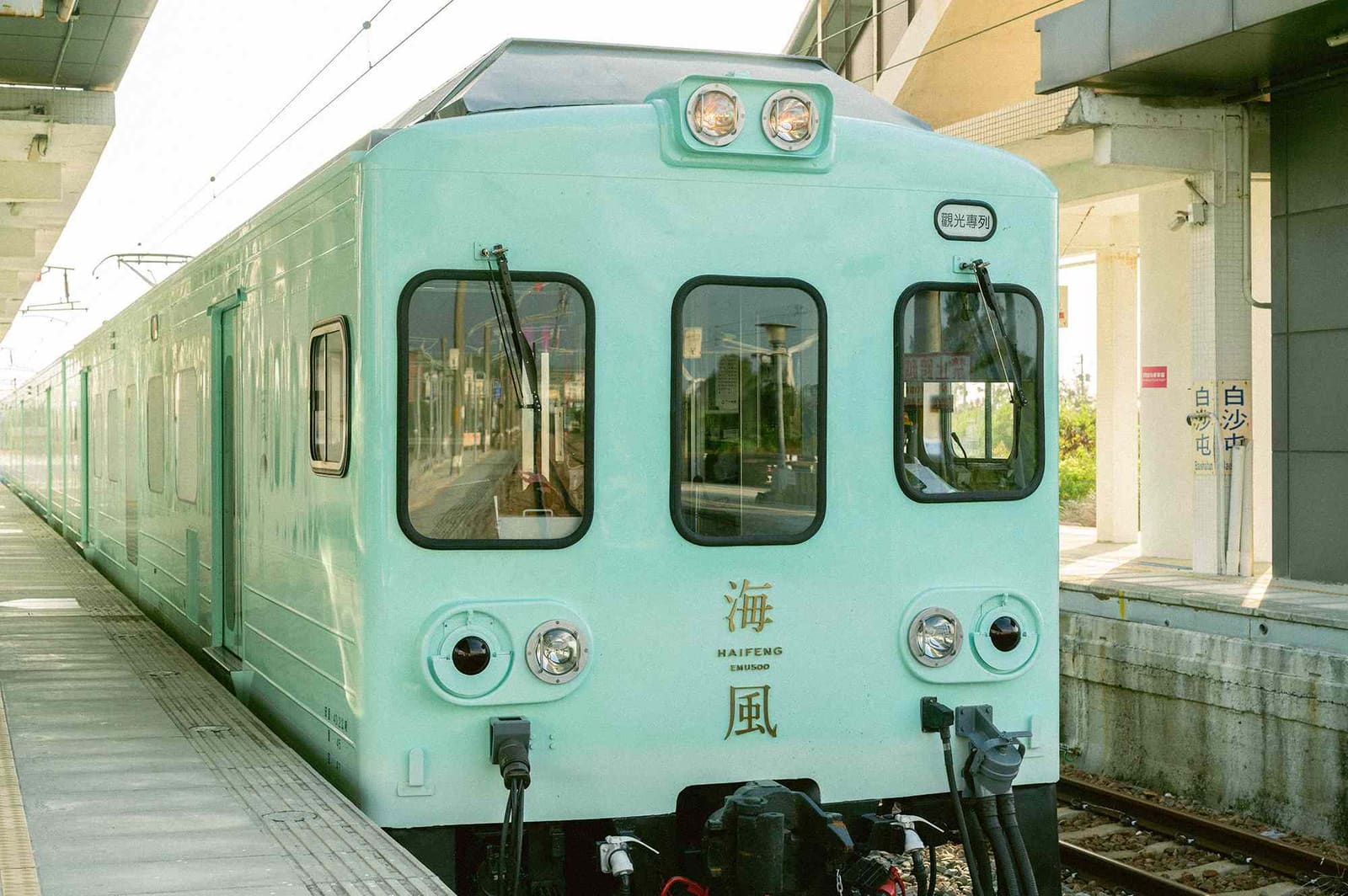
Limited to sixty passengers and running only on select days, the Haifeng service turns pastry into pilgrimage.
The Longing That Precedes Arrival
There is a particular quality to appetite sharpened by distance. Not hunger, exactly, but the anticipation that builds when reaching a table requires crossing provinces, changing platforms, watching the landscape shift from city grid to terraced hillside. On Taiwan's east coast, where narrow-gauge track winds through valleys the highway forgot, that distance becomes part of the meal itself.
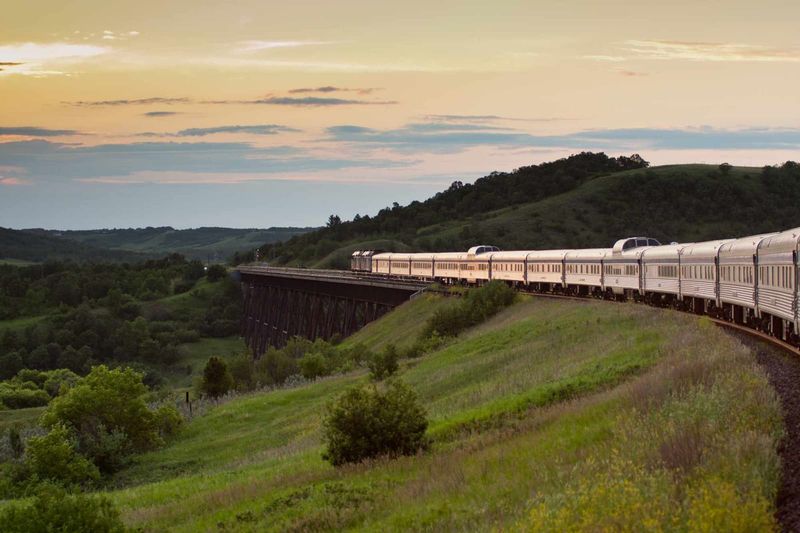
The Haifeng dessert train runs infrequently enough that booking it feels less like purchasing a ticket and more like securing an audience. Sixty seats, no more. Departures are announced weeks in advance, and the route - a stretch of heritage line threading through mountain passes south of Hualien - carries passengers who understand that the effort of arrival is inseparable from the pleasure of the thing itself.
It is not a short journey to reach the starting point. Five trains, sometimes six, depending on where one begins. Connections through Taipei, then the slower coastal line that hugs the Pacific, windows framing the kind of blue that makes the concept of "turquoise" feel inadequate. By the time the dessert service departs, hours have already passed. The body has learned patience. The palate is awake.
Sweetness as Narrative
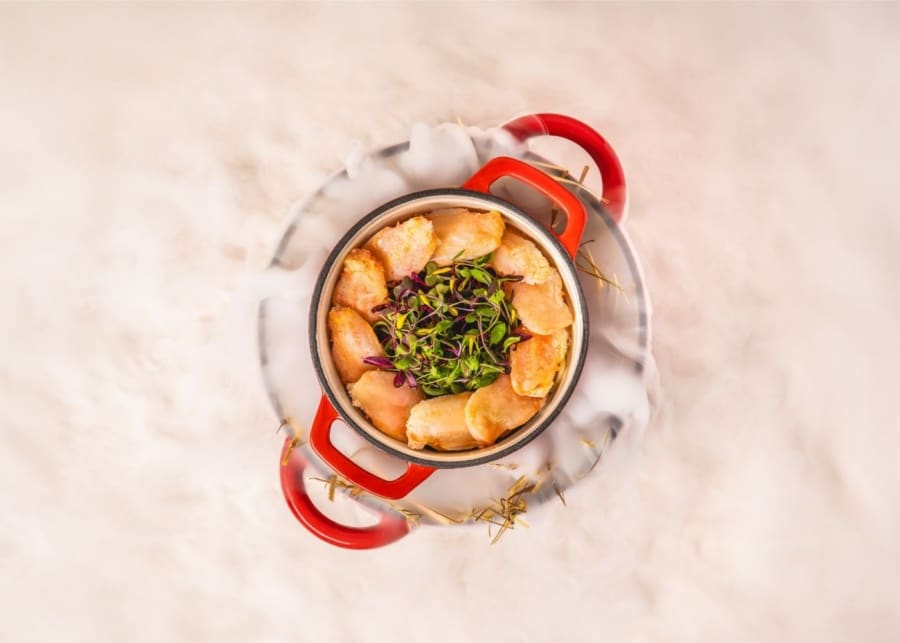
What unfolds aboard is not a tasting menu in the contemporary sense - no tweezered microgreens, no spherified anything. Instead, the courses arrive as a conversation between the train's pastry team and the agricultural calendar of the region. Mango when mango is at its peak. Taro from the central highlands. Sweet potato in forms that range from the recognisable to the abstract, each iteration revealing a different facet of the tuber's character.
The menu shifts with every departure, which means no two journeys are identical. Pop-up in structure, permanent in intent. The chefs work within the constraints of a moving kitchen, yet the plates that emerge suggest no compromise. There is a discipline to this - a quiet insistence that limitation can be a form of luxury when handled with care.
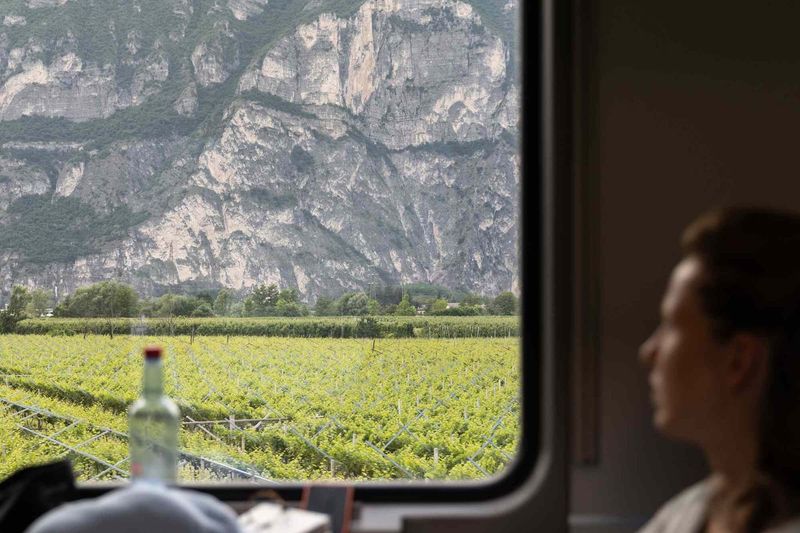
Between courses, the train slows. Not for stations, necessarily, but for vantage points. A river gorge. A stretch of forest dense enough that the light inside the carriage shifts to green. The rhythm is deliberate: taste, observe, digest. Repeat. It is the opposite of the breathless efficiency that defines so much of modern hospitality, and that opposition feels like the point.
The Architecture of Restraint
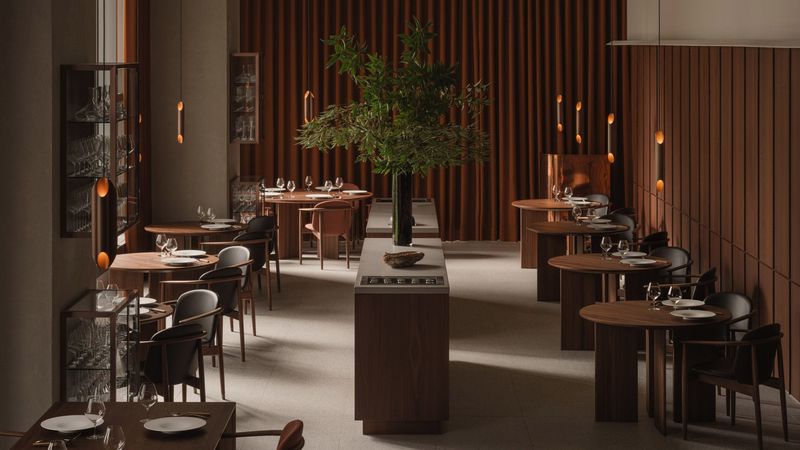
Sixty passengers means the service can afford gestures that larger operations cannot. Ceramics chosen for weight and texture. Tea poured at a pace that allows conversation to develop between strangers who, by the third course, no longer feel like strangers. The staff move through the carriages with the ease of people who know their choreography cold, yet nothing about the service feels rehearsed.
This is not a train styled to evoke a bygone era of luxury rail travel. The carriages are functional, updated but not precious. The elegance lies in what has been edited out: no onboard Wi-Fi, no announcements beyond what is necessary, no attempt to fill silence with distraction. The train assumes its passengers are capable of being present, and in doing so, creates the conditions for presence to occur.
The price - hovering around one hundred and ten US dollars - positions the experience as special occasion rather than casual outing. Yet the cost reflects not opulence but the mathematics of small-scale production: limited seats, rotating menus, ingredients sourced from farms rather than distributors. It is expensive in the way that craft is expensive, when the alternative is industrial replication.
What the Journey Teaches
There is a discipline to boarding five trains for the sake of dessert. It requires clearing a day, surrendering to timetables, accepting that the destination is earned rather than instant. In an era when most travel can be compressed, expedited, optimised down to the minute, the Haifeng service asks for the opposite. It asks for time.
What it offers in return is not novelty - Taiwan's rail network has long been celebrated, and dessert trains exist elsewhere in the world - but a particular synthesis. The landscape, the pacing, the food, the enforced slowness of the journey itself: these elements combine into something that resists easy replication. It is site-specific in the truest sense, inseparable from the terrain it crosses and the agricultural traditions it draws upon.
By the time the train completes its route and passengers disembark, sticky-fingered and sun-dazed, the return journey still looms. More trains, more transfers, the long pull back toward whatever city they started from. But the appetite that drove the trip has been replaced by something else: a satisfaction that is as much about the journey's architecture as the sweets themselves.
The Case for Inconvenience
In a culinary landscape increasingly defined by delivery apps and ghost kitchens, by meals designed to travel well in insulated bags, the Haifeng train operates on a different premise. It insists that context matters. That the act of moving through space - slowly, with intention - can be as nourishing as the food consumed along the way.
This is not an argument for making all dining inconvenient, nor a romanticisation of hardship. But there is something to be said for experiences that require commitment, that cannot be approximated or shortened or brought to your door. The dessert train is impractical by design, and that impracticality is what gives it weight.
For those willing to spend a day in transit for the sake of a few hours of sweetness and scenery, the trade feels less like sacrifice and more like reorientation. A reminder that some pleasures are amplified, not diminished, by the effort required to reach them. That the distance between craving and satisfaction can itself be part of the feast.