Sleeping Among Glaciers: Finding Your Corner of Calm in the Canadian Rockies
Beyond the crowded viewpoints and daylight rush, Banff's lodges and châteaux offer a quiet claim on landscapes that refuse to be ordinary.
A Morning Worth Waking For
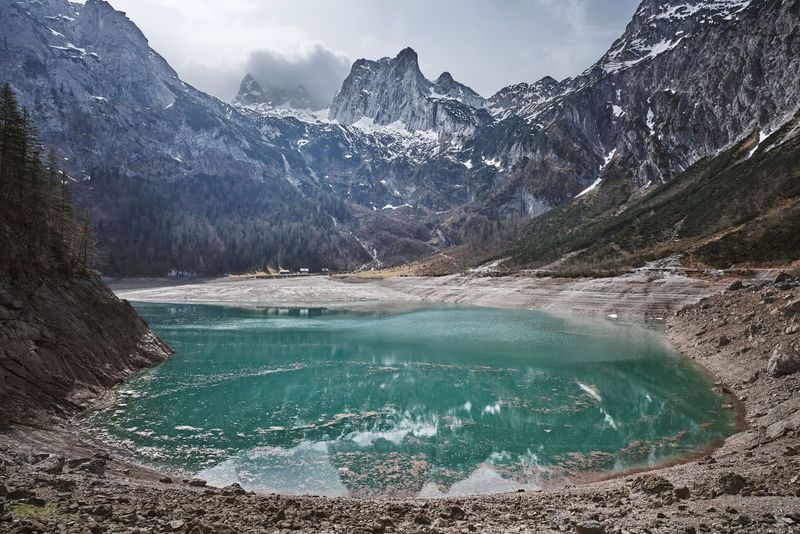
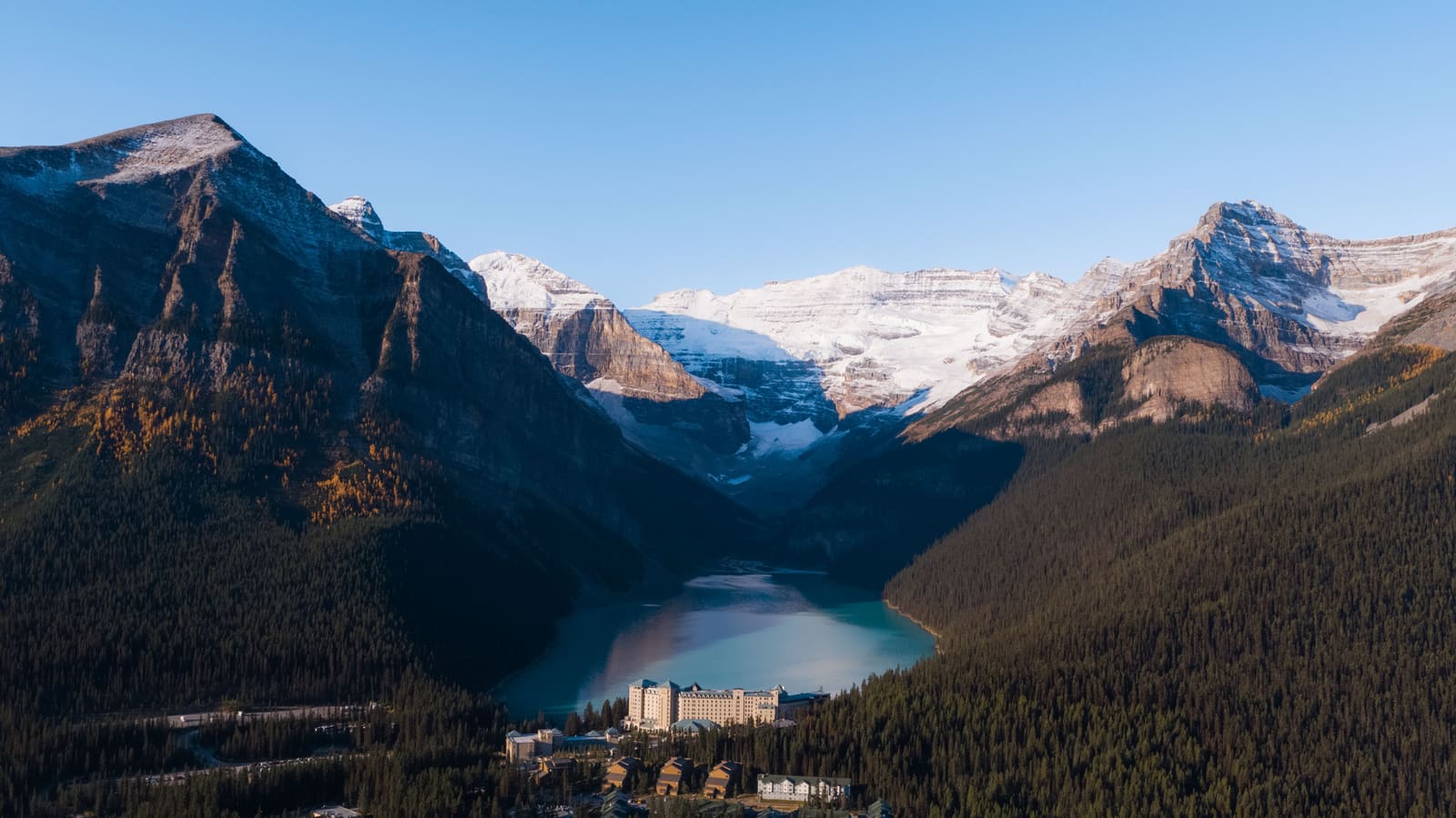
The turquoise of Lake Louise doesn't photograph well at dawn. The color arrives slowly, hesitant, as if the water needs convincing that another day has begun. From a lakeview room perched above the shoreline, you watch it happen without agenda: the glacial melt catching light, the peaks sharpening against pale sky, the first canoe cutting a silent path across the surface. This is the version of Banff that daytrippers miss, the one that belongs only to those who stay.
The Canadian Rockies have long carried a reputation for drama. Jagged summits, sheets of ice clinging to north faces, lakes the color of gemstones crushed into powder. But the region's lodges and resorts understand something quieter: that proximity to grandeur demands spaces calibrated for rest, not spectacle. Here, luxury doesn't announce itself with marble lobbies or gold-leaf flourishes. It arrives as a wood-burning fireplace, a private balcony facing Rundle Mountain, a thermal pool where steam rises into cold air.
Châteaux and Cabins: The Architecture of Retreat
The accommodations scattered through Banff National Park follow no single blueprint. Some, like the grand château overlooking Lake Louise, echo the Scottish Baronial style that once defined Canadian Pacific Railway hotels in the early 20th century. Built to lure travelers westward by rail, these properties were designed as destinations unto themselves: ornate chandeliers, fossil-embedded stone walls, copper roofs that glow amber in afternoon light. Walking their corridors feels less like checking into a hotel and more like stepping into a chapter of alpine history.
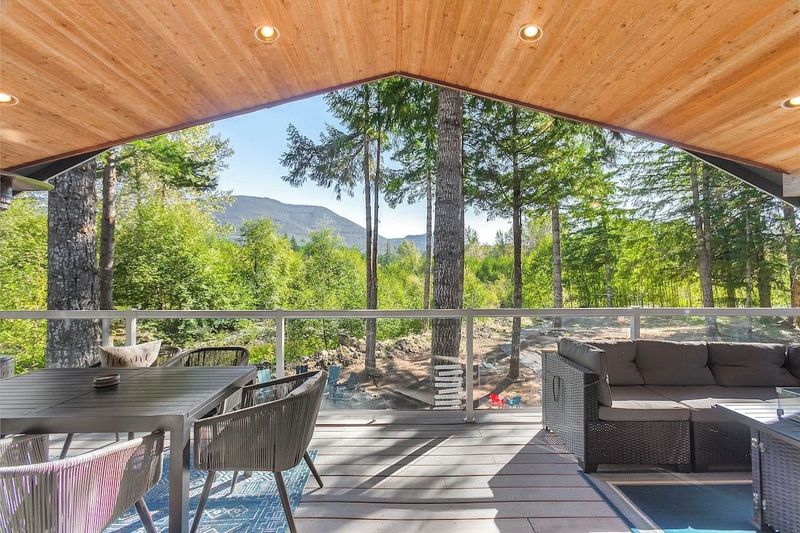
Other lodges take a different approach. Riverside cabins finished in warm timber, suites with wraparound terraces and barrel saunas, glass-walled dining rooms that dissolve the boundary between interior and wilderness. The common thread is intentionality. Every sightline has been considered, every material chosen to complement rather than compete with the landscape beyond the windows.
At properties near Lake Louise, the architecture often defers entirely to geography. Standalone cabins nestle among spruce and pine, their interiors outfitted with Woolrich blankets and fireplaces that crackle through mountain evenings. These are not places designed for grand entrances. They are built for the pleasure of arrival after a long day on the trail, for the specific comfort of shedding boots and settling into stillness.
Thermal Waters and the Ritual of Slowness
The Rockies have always been a landscape of water in transition: snowmelt carving valleys, glaciers retreating inch by patient inch, hot springs bubbling up from deep fissures in the earth. The region's lodges have learned to channel that elemental language into experience. Hydrotherapy circuits, mineral-infused soaks, infinity pools that mirror the peaks, steam rooms scented with alpine botanicals.
At one recently transformed resort perched on Sulphur Mountain, a new bathhouse offers hydrothermal rituals calibrated to the altitude and the season. Hot pools give way to aromatic steam, salt saunas to cold plunge. The choreography is deliberate: heat, then cold, then rest. Repeat. The body recalibrates. The mind follows.
Elsewhere, a European-inspired spa tucked into a Relais & Châteaux property near Lake Louise takes a different approach. Here, the emphasis is on immersion rather than sequence. Roman-style saltwater pools, whirlpools fed by mountain runoff, treatment rooms where facials and body wraps unfold at a pace that feels almost defiant in its refusal to hurry. It's the kind of space that makes you forget what time you arrived, or what you planned to do next.
Dining as Geography
Food in Banff is not an afterthought. The lodges understand that appetite sharpens at elevation, that cold air and long hikes create a specific kind of hunger. But they also know that dining in the Rockies should taste like the Rockies: Alberta beef, foraged mushrooms, lake trout pulled from glacial waters, berries that ripen briefly in high-altitude summers.
One property near Lake Louise has built its reputation as much on its wine cellar as its location. More than 27,000 bottles rest in temperature-controlled vaults beneath the dining rooms, a collection that has earned recognition from international wine publications. The sommelier team offers cellar tours to curious guests, walking them through vintages and terroir while snow piles against the windows above.
At a château overlooking the Bow Valley, afternoon tea arrives on tiered stands: finger sandwiches, scones with clotted cream, pastries dusted with icing sugar. It's a ritual borrowed from another continent and another century, yet it makes perfect sense here. Outside, the wind howls. Inside, porcelain clinks gently, and conversation drifts between tables.
Higher still, atop Sulphur Mountain, a restaurant accessible only by gondola serves dishes designed to match the view. Locally sourced ingredients, presentations that feel both refined and unpretentious, floor-to-ceiling windows framing a 360-degree panorama of peaks and valleys. It's the kind of meal that punctuates a trip, the one you book for celebrations or quiet milestones.
Proximity and Access: The Logistics of Wonder
Banff National Park sprawls across more than 6,600 square kilometers, a UNESCO World Heritage Site where grizzlies still roam and glaciers still calve into alpine lakes. Navigating it requires planning. Which trailhead for sunrise? Which lake for afternoon paddling? How early to leave for Moraine Lake before the parking lot fills?
The lodges ease some of that friction. Private shuttles to lakeside trailheads, reserved access to viewpoints that otherwise require hours of waiting, gear storage for skis and hiking boots, packed gourmet lunches for guests heading out at dawn. One property near Lake Louise even offers shuttle service to Moraine Lake with car seats for families, a small detail that eliminates the logistical headache of coordinating public transit with toddlers in tow.
For winter visitors, proximity to ski resorts becomes the priority. Lake Louise Ski Resort, with its 4,200 skiable acres and views that stretch into British Columbia, sits minutes from several lodges. After a day on the slopes, guests return not to crowded base lodges but to private hot tubs, in-room fireplaces, and dining rooms where reservations are never a problem.
The Seasons Shift, the Lodges Adapt
Banff in summer is a different animal than Banff in winter. July brings wildflowers and eighteen-hour days, hiking trails crowded with visitors chasing Instagram-worthy vistas. January brings silence: frozen waterfalls, lakes transformed into skating rinks, horse-drawn sleigh rides through forests dusted white.
The lodges shift with the calendar. Summer programming includes guided hikes with on-staff naturalists, interpretive presentations on wildlife and geology, canoe rentals for guests eager to paddle turquoise waters. Fall ushers in "larch madness," the brief window when alpine larches turn gold before dropping their needles. Properties near Larch Valley become base camps for hikers chasing that fleeting spectacle.
Winter transforms the experience entirely. Ice castles rise on frozen lakes. Cross-country ski trails replace hiking paths. The thermal pools and saunas that felt indulgent in summer become essential, the only antidote to cold that seeps through layers of down and wool. Some lodges lean into the season with fondue dinners, mixology classes featuring Canadian spirits, and Shinrin-Yoku forest bathing sessions adapted for snow.
Waking to Wilderness
There's a particular luxury in waking to a view that hasn't been earned by alarm clock or effort. No drive to a viewpoint, no jostling for position along a crowded overlook. Just the curtains pulled back, the morning light spilling across a glacier or a valley or a lake still caught in shadow.
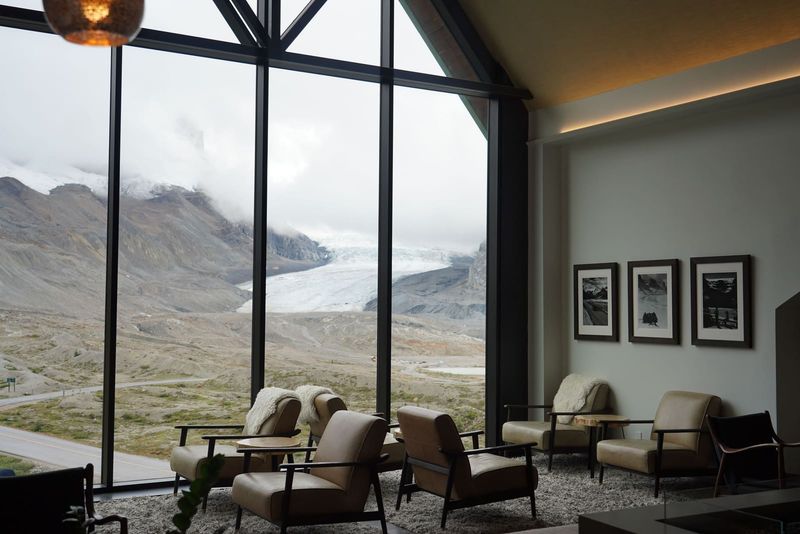
The lodges of Banff understand this. They position rooms and suites not for convenience but for sightlines. Balconies face Victoria Glacier. Windows frame the Valley of the Ten Peaks. Terraces overlook rivers where elk come to drink at dusk. The architecture becomes a lens, focusing attention on what lies beyond.
It's a kind of generosity, this insistence on placing guests in direct conversation with landscape. No mediation, no interpretation required. Just stone and water and sky, arranged in combinations that shift with the hour and the season. The lodges provide the frame. The Rockies provide everything else.
The Ghosts and the Geology
Some properties carry histories that predate the modern tourism infrastructure. The grand château near Lake Louise, for instance, was built in phases starting in the late 1800s, its foundation stones quarried from the surrounding peaks. Tyndall limestone, embedded with fossils half a billion years old, lines corridors where guests have walked for more than a century. The walls hold time in a way that feels almost geological.
Local lore adds another layer. One castle-like resort is said to be frequented by ghosts: a bride who fell down a staircase, a bellman who never clocked out. Whether or not you believe in such stories, they contribute to a sense that these places are more than transaction, more than bed and breakfast. They're woven into the fabric of the region, as much a part of the landscape as the peaks themselves.
The Return, Again and Again
Frequent visitors to Banff speak of it with a particular kind of loyalty. Not the loyalty of habit, but of genuine attachment. The hiking trails reveal new details each time: a wildflower meadow missed on previous visits, a viewpoint that catches afternoon light just so. The lodges, too, reward return. A favorite suite, a preferred table in the dining room, a thermal pool discovered on a previous stay and revisited now with the ease of familiarity.
This is the rhythm the region encourages: not a single grand trip but a series of returns, each deepening the connection. The glaciers will still be there, though perhaps a little smaller. The lakes will still glow that impossible blue. And the lodges will still offer what they've always offered: a place to rest, to warm cold hands by a fire, to wake to mountains that refuse, despite everything, to become ordinary.