A Florentine Palazzo Reborn as Six Private Residences
Beyond the tourist current, a 15th-century structure in Oltrarno now offers the rhythm of Florentine domesticity wrapped in hotel service.
The Other Side of the Arno
Cross the river and the volume drops. Not theatrically, but enough that you notice the absence of tour-group cadences, the space between footsteps on stone. Oltrarno, Florence's left bank, has long played the role of quieter sibling - artisan workshops instead of flagship boutiques, neighbourhood trattorias instead of menu boards in six languages. It is here, a ten-minute walk from Piazza della Signoria yet atmospherically distant, that La Réserve Firenze has taken root inside a 15th-century palazzo that once housed foreign students in a warren of studios.
What Grégory and Olivia Marciano have created, opening this autumn, is not a hotel in the conventional sense. There are no corridors lined with identical doors, no lobby designed for lingering. Instead, six generously proportioned apartments, each fully serviced, each designed to dissolve the boundary between temporary residence and genuine domesticity. The couple relocated from Paris in 2019, and their intent shows in the details: this is accommodation for those who prefer not to cross a crowded reception area, who value the cadence of local life over the theatre of arrival.
Modernism Within Historic Bones
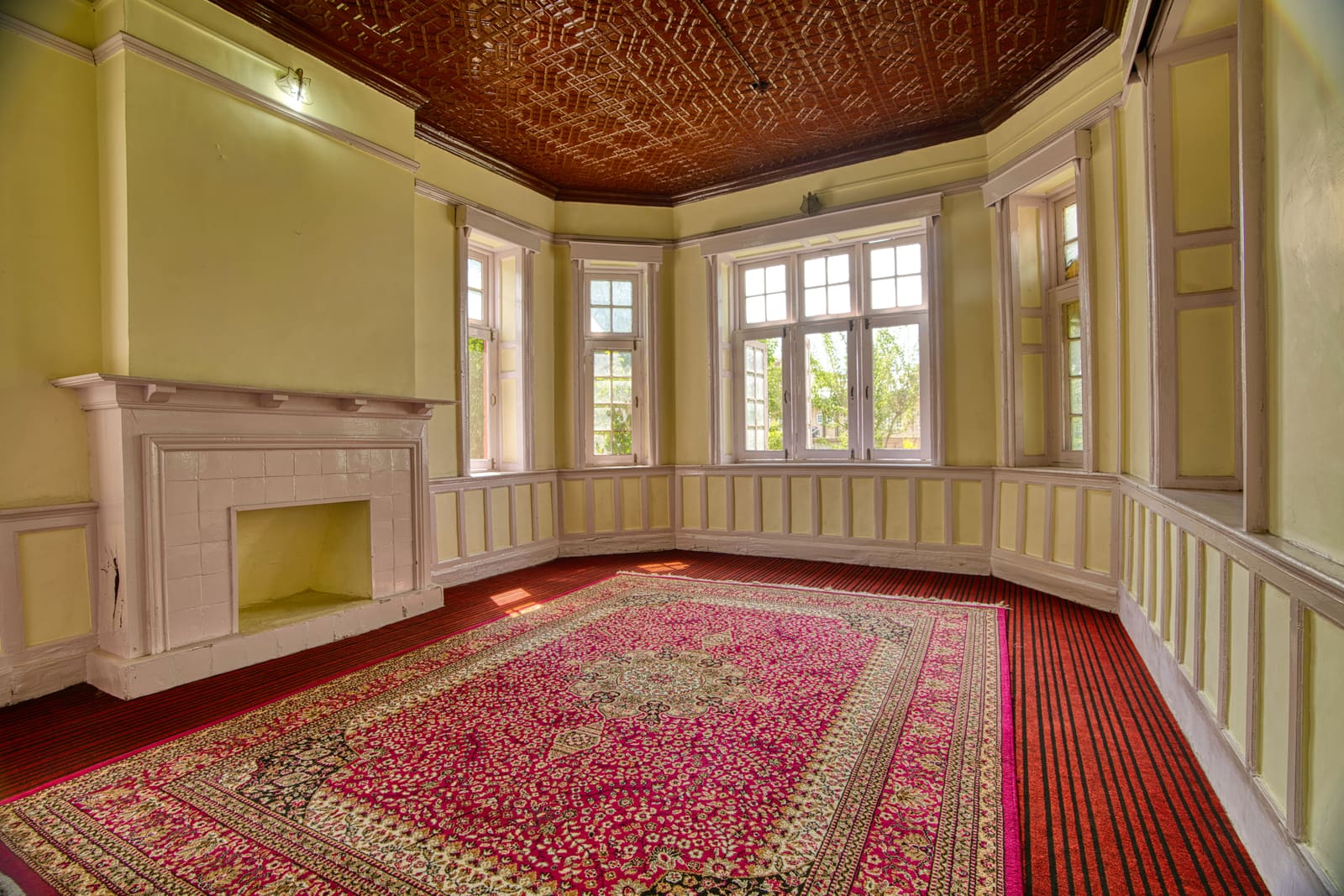
The interiors, conceived by Gilles & Boissier, navigate the tension between preservation and comfort with a light hand. Original frescoes remain visible in bedrooms; archways frame staircases; the piano nobile retains its proportions. Yet the furniture is resolutely modernist - clean lines, muted palettes, materials that invite touch rather than reverence. It is an approach that respects the building's lineage without treating it as a museum, a balance that seasoned travellers increasingly seek when they tire of properties that either fetishise history or ignore it entirely.
One apartment, a three-bedroom duplex, opens onto a private terrace. Another overlooks the street where, as Grégory Marciano observes, Florentine families still live their daily routines. The effect is less about luxury signalling and more about recalibrating the relationship between guest and city. You are not observing Florence through the frame of a hotel concierge's recommendations; you are inhabiting a version of it, however temporary.
The Villa and the Tennis Court
For those seeking further remove, the Marcianos have opened their own villa to guests - a property with a tennis court that once belonged to a member of the Gucci family. It is an extension of the same philosophy: access without ostentation, service without intrusion. The villa functions as an annex to the palazzo experience, a place where the rhythm slows further still, where mornings might be measured in sets rather than museum queues.
This model - high-touch service within residential architecture - reflects a broader shift in how affluent travellers are choosing to spend their time. Andrea Grisdale, who founded Italy travel specialist IC Bellagio, notes the demand from clients who want the autonomy of an apartment combined with the attentiveness of a five-star property. Someone to bring a drink at two in the morning, yes, but no obligation to engage beyond that transaction. Privacy, in other words, as a form of luxury in itself.
Off-Season Intimacy
Timing matters. Visit during the summer crush and even the most acclaimed restaurants operate at a remove - too many covers, too little margin for conversation. But arrive in the quieter months, as Grisdale suggests, and the city's social texture changes. Restaurant owners have time to sit down after service, to share a limoncello, to speak beyond the transactional. The offseason is when Florence's social architecture becomes legible, when the distinction between tourist and resident blurs just enough to allow genuine exchange.
La Réserve Firenze, by design, amplifies this seasonal advantage. Its scale - only six apartments - means it never feels crowded, never requires the logistical choreography of larger properties. The Oltrarno location reinforces the sense of remove. You are not fighting for pavement space, not navigating selfie queues. You are, instead, walking streets where the primary commerce is still conducted between neighbours, where the bakery's rhythm is dictated by local breakfast habits rather than cruise-ship schedules.
Living the Domestic Rhythm
What the Marcianos have engineered is not a simulation of Florentine life but a credible approximation of it. The apartments are not staged vignettes; they are spaces designed for extended stays, for unpacking properly, for establishing a temporary but genuine routine. Morning coffee at a neighbourhood bar, evening aperitivo at a spot locals favour, dinner without consulting a guidebook. It is the kind of travel that requires a certain confidence - or perhaps just a willingness to let the city set the pace rather than impose your own.
This is not to suggest La Réserve Firenze is austere or hands-off. The service is comprehensive, anticipatory in the way the best hospitality manages to be without becoming cloying. But the structure of the experience - self-contained apartments, residential setting, deliberate distance from the tourist core - creates a different kind of permission. You are free to engage with Florence on quieter terms, to prioritise depth over breadth, to spend three hours in one piazza rather than checking off a list of landmarks.
The Artisan Quarter
Oltrarno's identity has long been rooted in craft. Leather workshops, frame-makers, bookbinders - the neighbourhood still houses artisans whose practices stretch back generations. Il Bisonte, the leather goods atelier, sources its work from craftspeople within a 30-kilometre radius. Dinicaffè, the only coffee roaster in Florence's historic centre, offers tours that trace beans from origin to cup. These are not tourist concessions; they are businesses sustained by local clientele, now accessible to visitors who approach with genuine curiosity rather than transactional haste.
The neighbourhood's dining culture follows a similar logic. Cibrèo, a Florentine institution, eschews pasta in favour of dishes rooted in peasant tradition - stuffed pigeon, tripe, cuts that require skill and patience to render elegant. Giacosa 1815, credited as the birthplace of the Negroni, remains a place where locals begin and end their evenings, where the distinction between aperitivo and digestivo is less about timing and more about mood. These establishments do not cater exclusively to outsiders, and that restraint is precisely what makes them worth seeking.
A Different Calculus
The nightly rate begins at approximately 1,500 US dollars, positioning La Réserve Firenze within the upper tier of Florentine accommodation but below the stratospheric pricing of some historic properties. For that sum, you are purchasing not just square metreage and thread count but a particular kind of anonymity - the freedom to move through the city without the performance that larger hotels often require. No lobby introductions, no breakfast-room small talk, no obligation to explain your itinerary to well-meaning staff.
This appeals to a specific traveller: those for whom privacy is not about seclusion but about control over social engagement, those who have stayed in enough grand hotels to know that scale and service do not always align. The apartment model, especially at this intimate scale, offers an alternative calculus. You gain autonomy, lose certain conveniences, and in return receive something closer to domestic rhythm than hotel choreography.
The Longer View
What the Marcianos have built is not revolutionary - serviced apartments exist across Europe, and Florence has no shortage of historic properties reimagined for contemporary use. But the execution here is notably restrained, the design choices informed by an understanding that luxury, at a certain level, is less about addition and more about subtraction. Fewer units, quieter location, interiors that privilege comfort over spectacle. It is an approach that trusts the city itself to provide the drama, leaving the accommodation to function as a well-calibrated frame rather than the focal point.
Whether this model scales, whether other operators will adopt similar strategies in secondary neighbourhoods, remains to be seen. For now, La Réserve Firenze occupies a particular niche: too residential to function as a traditional hotel, too serviced to be mistaken for a rental, located just far enough from the centre to feel like a discovery rather than a destination. It is, in that sense, a faithful reflection of Oltrarno itself - present, elegant, content to let others claim the spotlight.