Where Stone Meets Sky: The Dolomites' New Wave of Mountain Retreats
From medieval castles reimagined as sanctuaries to timber-and-glass hideaways carved into cliffsides, Italy's limestone peaks are redefining Alpine luxury.
A Landscape That Refuses to Stay Still
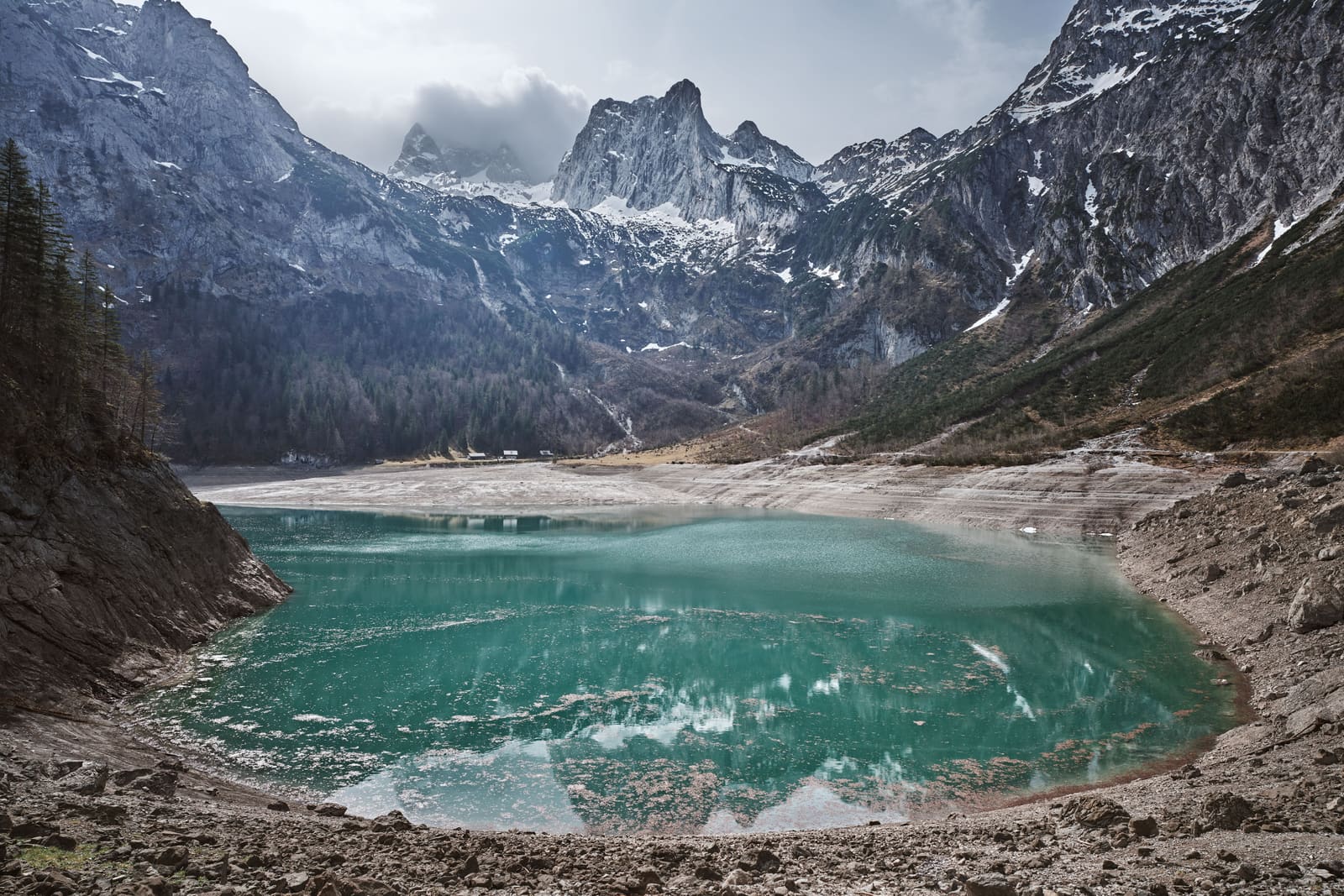
Stand at the edge of the Alpe di Siusi in January and the world compresses into monochrome: snow-dusted pines, frozen lakes mirroring pewter skies, the jagged silhouette of the Odle massif cutting through mist. Return in July and the same plateau unfurls in Technicolor, buttercup meadows spilling into lush valleys, limestone peaks blushing rose at dusk. The Dolomites do not offer constancy. They offer theatre.
For decades, this corner of northeastern Italy remained the domain of Roman weekenders and Milanese families who returned each season to the same wood-panelled pensione, the same corner table at the rifugio. Ladin culture, the region's indigenous heritage, shaped a quieter rhythm: farm-to-table before it had a name, wellness rooted in forest bathing and thermal springs, architecture that bowed to the mountain rather than conquered it. Then came the 2026 Winter Olympics, a spotlight that illuminated not just the slopes but the new generation of retreats rising among them.
These are not your grandfather's chalets. They are CO₂-neutral towers with swim-in, swim-out pools cantilevered over valleys. Medieval manor houses stripped to their frescoed bones and rebuilt as sanctuaries. Glass-fronted pavilions where the view is the only ornament. What they share is a refusal to shout, a conviction that luxury in the Dolomites means letting the landscape do the work.
The Sanatorium Reborn
Forestis began as a sanatorium in 1912, a retreat for Austro-Hungarian aristocrats seeking mountain air and spring water cures. For decades it sat dormant, a relic perched above the Plose mountains. When Stefan and Teresa Hinteregger acquired the site, they did not erase its history. They amplified it.
The relaunch in 2020 introduced three 12-storey towers, their minimalist facades designed to frame the Odle massif through floor-to-ceiling windows in all 62 suites. The architecture is biophilic in the truest sense: abundant sunshine dictated the site selection, local stone and timber anchor the interiors, and the spa's swim-in, swim-out pool blurs the line between human-made and elemental. Celtic wellness rituals nod to the region's pre-Roman roots, while the amphitheatre restaurant serves "forest cuisine", intricate tasting menus that treat foraged ingredients with the reverence usually reserved for truffles or Wagyu.
By December 2024, a villa for ten had been added. Six months later, Yera arrived, a concept restaurant celebrating the fruits of the forest around a firepit set inside a cave. The effect is less hotel, more pilgrimage site for those who believe wellness is not a checklist but a recalibration.
Glass, Timber, and the Art of Framing
Miramonti clings to a cliffside in South Tyrol, its glass-fronted facade reflecting the valley below. The heated onsen pool, etched into the rock face, has become something of a social media darling, but the property resists the shallow trappings of Instagram fame. This is a place designed for the region's shifting seasons: couples in dressing gowns padding to the spa in winter, families with muddy boots returning from forest bathing walks in summer, grandparents trailing behind toddlers on the hunt for fresh air.
The 47 rooms span six categories, all oriented towards jaw-dropping mountain views. Cosier quarters in the main house offer proximity to the pool and restaurants; three standalone houses sit 300 metres away, each with its own garage and private lift opening onto open-plan living spaces clad in light wood that still emits its earthy scent. Custom-made furniture and decor pepper the interiors, precision masquerading as ease.
The larger infinity pool is made for contemplation, not laps. Guests lounge at the edge, watching the valley below shift from green to gold to white, depending on the month. The mix of visitors, trendy couples alongside outdoorsy types alongside multi-generational families, suggests Miramonti has cracked a rare code: accessible luxury that does not pander.
Altitude and Access
COMO Alpina Dolomites sits on the Alpe di Siusi, Europe's highest Alpine plateau, a ski-in, ski-out location that delivers direct access to pistes in winter and South Tyrol's flower-flecked network of hiking and biking trails in summer. The brand's wellness-forward ethos permeates every corner: treatment menus emphasise health over indulgence, though hearty Tyrolean and Italian fare, paired with excellent Alto Adige wines, offer permission to abandon restraint.
All rooms are wood-clad and slope-facing, each with a balcony or terrace. Sauna culture here is serious business. Herbal and Finnish saunas, salt and aroma steams, and a convivial outdoor seating area where half-clad spa-goers chatter in the snow suggest the Scandinavian influence runs deep. Summer programming expands to include biking, climbing, trail running, paragliding, zip-lining, wild swimming, and helicopter rides. The altitude, combined with the plateau's openness, creates a sensation of floating above the world, tethered only by the peaks ringing the horizon.
The Manor House That Would Not Die
Castel Badia has stood since the year 1000, its walls absorbing a millennium of reinvention: courthouse, convent, private castle, and since the 1970s, a hotel. The most recent transformation, led by Aldo Melpignano, brings a sense of cool to high-end Italian hospitality without sacrificing reverence. Everything that could be saved was saved. Floors, wood ceilings, stuccoed vaults, and frescoes remain, their patina a counterpoint to the contemporary interventions.
Life revolves around the courtyard, just as it did in the Middle Ages. Through that nexus, guests access the garden, swimming pool, 28 rooms, a three-storey chalet, and the basement spa, where frescoed relaxation rooms overlook the mountains. The crypt of San Lorenzo, a protected site, remains open to the public, a reminder that this is still a sacred place even as guests indulge in its sybaritic offerings. Silence reigns. The building does not compete with the landscape; it absorbs it.
Minimalism as Maximalism
Sensoria Dolomites sits low beside a river in a South Tyrolean village, an adults-only all-inclusive retreat where minimalist rooms make way for maximalist views via large windows and wraparound balconies. Days ideally begin with a dip in the heated pool, steam rising as the Dolomite peaks sharpen into view, or with a sound meditation in the spa before breakfast at Anima restaurant.
A five-minute stroll delivers guests to the cable car. In summer, a short ascent opens onto rolling alpine pasture; in winter, locals wander aboard with skis slung over their shoulders, bound for wide, sunlit slopes. The proximity to infrastructure, the ease of access, does not diminish the sense of retreat. Instead, it reframes luxury as convenience married to beauty, function wed to form.
The Medical Spa Disguised as a Hotel
Adler Balance, built in 2008 beside its sister property Adler Dolomiti, was designed to blend harmoniously into the Alpine landscape. But the structure is only part of the story. Unlike its sibling, Adler Balance is adults-only and has evolved into a highly specialised destination medical spa, combining five-star hospitality with longevity programmes led by doctors, therapists, and wellness experts.
Large, comfortable rooms and attentive staff are present, but the mountain heritage and picture-perfect location are the main event. This is not a place for casual weekenders seeking a quick reset. It is a place for those willing to submit to a longer arc of transformation, to trade indulgence for optimisation, to treat the body as a project rather than a vessel.
Stone, Pine, and the Longest Sauna Trail in the Alps
Naturhotel Lüsnerhof nestles in the Lüsen valley at the foot of the Dolomites, the kind of place that exists in daydreams about peace and tranquillity. The wellbeing offering is bespoke and holistic, championing regional produce alongside specialist practitioners who visit for a week at a time to share their craft. Each of the 59 rooms is designed to optimise its surroundings and spotlight the location, no matter the season. Interiors reflect the Alpine setting: years-old Dolomite rock, Swiss stone pine, clay finishes on the walls. Fresh mountain water awaits in every room, a small but location-centric touch.
The spa is vast, home to the longest sauna trail in the Alps. Practices take place in immersive outdoor locations: the forest sauna, floating salt grotto, natural bathing pond, whirlpools, infrared gondola. The effect is less spa, more pilgrimage through the elements, each station a meditation on heat, cold, stillness, immersion.
What the Mountains Demand
The Dolomites do not reward haste. They reward those willing to watch the light shift across limestone, to sit in a heated pool as snow falls, to walk slowly through a forest and notice the scent of pine resin, the crunch of frost underfoot, the way silence can feel like a presence rather than an absence.
This new wave of retreats understands that. They are not selling adrenaline or conquest. They are selling time, space, and the permission to do nothing. The architecture frames rather than dominates. The wellness rituals root guests in place rather than transport them elsewhere. The food celebrates what grows here, what has always grown here, without apology or exoticism.
What remains to be seen is whether the Dolomites can absorb this new attention without losing the qualities that made them worth seeking in the first place. For now, the balance holds. Ladin culture still shapes the rhythm. Roman and Milanese weekenders still set a palpably Italian tone. The peaks still blush rose at dusk, still cut through mist at dawn, still refuse to stay still.