Seoul's Beauty Pilgrimage: When Skin Care Becomes Travel
Dermatology clinics, collagen soups, and medicinal teas reshape the city's tourism map, one treatment at a time.
The New Seoul Itinerary
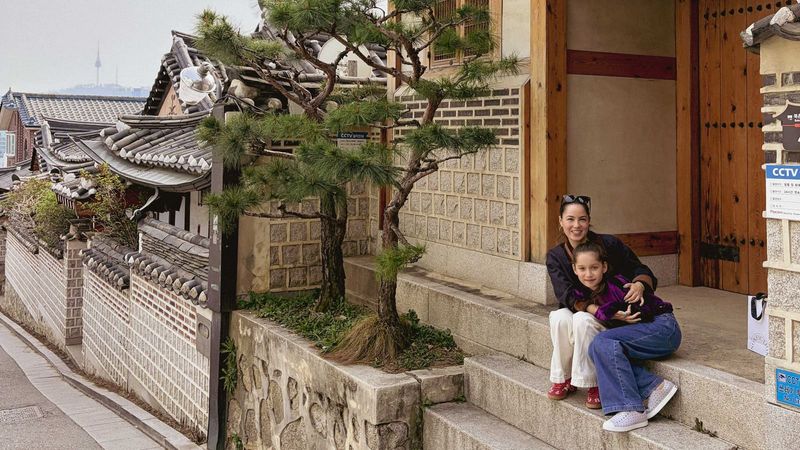
In a hanok teahouse in Bukchon Village, a visitor sips five-flavour berry tea through a straw, careful not to disturb the faint bruising along her jawline. Outside, spring light filters through wooden lattice screens. Inside, the conversation turns not to temple visits or street-food markets, but to skin booster sequencing and the merits of stacking radiofrequency with exosome treatments.
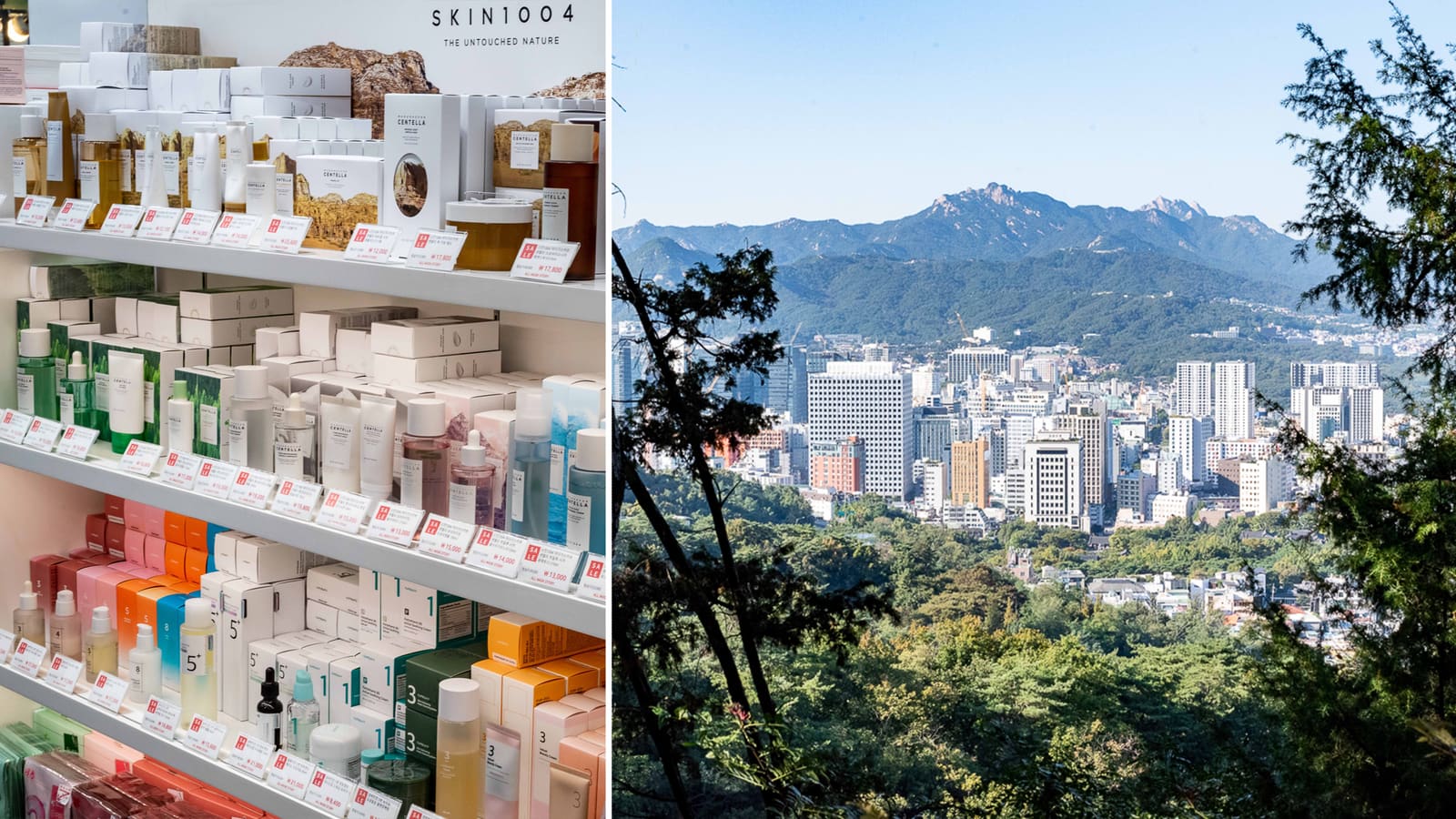
This is Seoul in 2026, where the boundary between tourism and medical aesthetics has become porous. South Korea recorded over six million visitors in the first quarter of this year alone, and while some arrive for palace architecture or K-drama backdrops, a growing contingent comes for what the country does better than most: dermatology. Last year, 1.3 million people travelled to South Korea specifically for skin treatments; another 233,000 sought plastic surgery. The numbers reflect a broader shift in how certain travellers now structure their trips, with clinic appointments anchoring days otherwise spent wandering Insadong or sampling collagen-rich stews.
The appeal is part cultural cachet, part economic pragmatism. Treatments that command four-figure price tags in New York or London cost a fraction in Seoul, delivered by board-certified dermatologists in clinics that have spent decades refining protocols. But the deeper draw may be the way beauty here integrates into daily life, less as vanity than as maintenance, woven into the same fabric as fermented vegetables and medicinal ginseng.
Choosing a Clinic in a City of Clinics
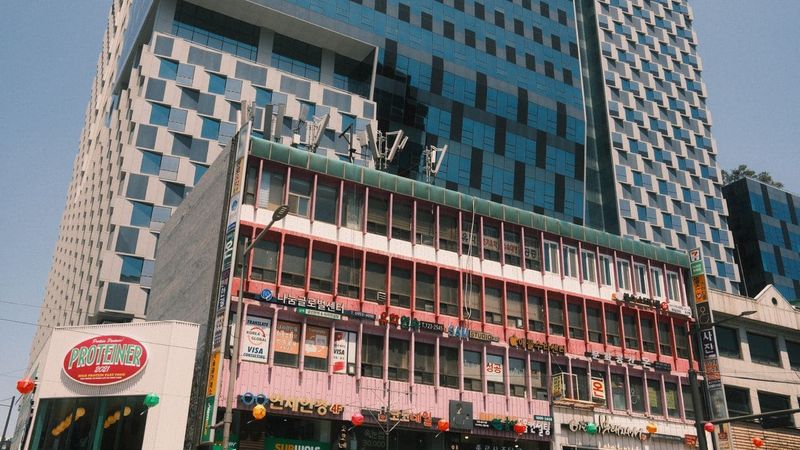
Gangnam, the district synonymous with Seoul's aesthetic boom, presents an immediate paradox: too much choice. Clinics line every block, their minimalist signage promising everything from thread lifts to stem-cell facials. The challenge is discernment.
Specialists in Seoul and New York alike counsel the same approach: begin with clarity about what you actually want. Lasers differ from injectables; regenerative treatments occupy a separate category from surgical intervention. For those uncertain, the recommendation is to seek clinics known for a particular expertise rather than one-size-all packages advertised at suspiciously low rates. Factory-style operations exist, and they should be avoided.
Credentials matter more than Instagram followings. The Korean term uiwon (의원) signals a licensed medical clinic, often marked by a red medical insignia. This distinction separates dermatology practices offering medical-grade work from aesthetic spas that cannot. Similarly, the title "specialist" does not equate to "dermatologist"; the latter requires board certification, indicating years of rigorous training in a field where precision determines outcomes.
Transparency during initial consultations offers another gauge. Reputable clinics will specify who performs the procedure, outline risks candidly, and discuss expected downtime. Once in Seoul, insist on an in-person meeting with the physician who will treat you. Even if the clinic charges a consultation fee, it remains the most reliable investment against mismatched expectations or anatomical misjudgement.
Timing and Sequencing
Seoul's dermatologists have perfected the art of stacking treatments, layering procedures to amplify results while minimising recovery time. The guiding principle: energy-based devices precede injectables. Ultrasound treatments stimulate deep collagen production; follow them with skin boosters that hydrate and accelerate healing, and the effects compound. But the sequencing requires medical oversight. Combining two treatments that both provoke inflammation on the same day invites complications.
Minimally invasive options such as 10Therma, a radiofrequency lifting treatment, cause only mild swelling and redness, allowing travellers to book appointments close together and still explore the city between sessions. More aggressive interventions like lasers or thread lifts demand scheduling early in a trip, allowing days for follow-up visits and for bruising to fade before the flight home.
Cost considerations enter here as well. Many clinics offer bundled pricing for multiple treatments, though the temptation to overbook should be resisted. More procedures do not guarantee better results; they guarantee longer recovery and, occasionally, disappointment.
The Language Barrier
Translation apps suffice for casual questions. They fail, however, when the conversation turns to pain tolerance, medical history, or the precise name of a painkiller administered mid-treatment. Subtle misunderstandings accumulate, and in a medical context, subtlety can matter.
Most clinics in Gangnam employ staff with basic English, but nuance still slips through. The solution: arrange a translator in advance. Some clinics maintain in-house medical interpreters; their websites or Instagram accounts usually indicate this. For those that do not, the Korea Health Industry Development Institute maintains a registry of certified medical tourism coordinators. Alternatively, ask the clinic to recommend a translator familiar with dermatological terminology for private hire. The expense is negligible compared to the cost of miscommunication.
Before any procedure, clarify which products and devices will be used, what the recovery entails, and what complications might arise. Afterwards, maintain communication with the clinic via messaging or email. Post-treatment questions do surface, and distance should not prevent answers.
Recovery as Ritual
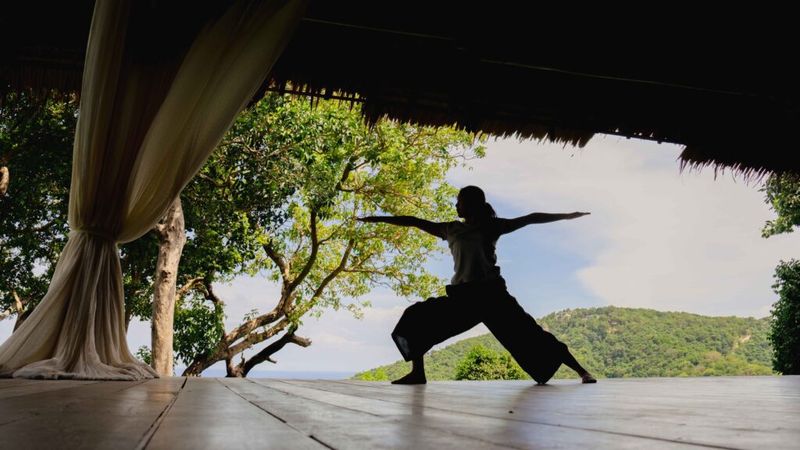
Korean beauty philosophy has never separated skin from overall health. Historical texts detail not only topical rituals but dietary practices, herbal remedies, and restorative behaviours meant to nourish the body from within. This holistic approach persists, making Seoul an ideal environment for post-treatment recovery.
The food alone provides structural support. Traditional ohaeng philosophy organises meals around five colours, tastes, and elements to balance the body. Proteins, collagen-rich broths, and fermented ingredients dominate the cuisine, all beneficial for healing skin. Samgyetang, a chicken and ginseng soup, delivers collagen and immune support; miyeok-guk, seaweed soup, supplies minerals and has been a postpartum staple for generations. Juk, a rice porridge, offers easy digestion when the body needs gentleness. Restaurants such as Tosokchon Samgyetang and Bonjuk specialise in these restorative dishes.
Medicinal teas extend the recovery ritual. Omija-cha, brewed from five-flavour berries, relieves fatigue; matcha from Jeju Island provides antioxidants. Hanok cafés in Samcheong-dong and Insadong serve these teas in settings that encourage lingering. The House of Sulwhasoo in Bukchon Village combines a gallery of the brand's exclusive products with an Osulloc tea house upstairs, creating a space where beauty and wellness converge without clinical sterility.
Spa treatments require more caution. The invigorating scrubs offered in Seoul's jjimjilbang (Korean saunas) work well before procedures but should be avoided during recovery; heat irritates healing skin. Instead, seek out hanbang (herbal spas), where treatments incorporate ginseng and other medicinal herbs to reduce swelling through circulation and lymphatic drainage. Head spas offer lymphatic acupressure massage that addresses inflammation without touching the face.
For those undergoing more invasive surgery, post-operative recovery centres provide medically supervised therapies: IV infusions, oxygen chambers, LED light treatments. These facilities, often affiliated with surgical clinics, extend clinical care into the days following a procedure.
The Case for Extra Days
Many travellers structure Seoul trips entirely around clinic schedules, shuttling between Gangnam appointments and hotel rooms. This approach misses the city's quieter offerings: the hanoks of Bukchon, the winding alleys of Insadong, the cafés serving mugwort lattes in neighbourhoods untouched by medical tourism.
Recovery benefits from time. Swelling subsides. Follow-up appointments can be accommodated without frantic rescheduling. But more than logistics, extended stays allow immersion in the rhythms that make Korean beauty culture coherent. It is not simply about procedures; it is about the integration of care into daily life, the unhurried afternoons, the meals chosen for their restorative properties rather than convenience.
Booking an apartment rather than a hotel, spending mornings in markets and afternoons in teahouses, walking without destination: these unstructured hours often prove more restorative than any LED mask. The city rewards patience, and skin heals better when the traveller is not counting hours until departure.
What the Mirror Shows
Seoul's beauty pilgrimage offers something beyond tightened skin or reduced pigmentation. It presents a model in which aesthetics, health, and culture do not occupy separate domains but inform one another. The dermatologist who recommends ginseng soup after a radiofrequency session, the teahouse that stocks antioxidant-rich matcha alongside skincare products, the recovery centre that prescribes both IV therapy and rest: these are not contradictions but expressions of a coherent philosophy.
Travellers return home with more than treatment results. They carry a different understanding of maintenance, one less reliant on emergency interventions and more attuned to incremental care. Whether that shift endures beyond the flight home depends on the individual. But in Seoul, for a few weeks at least, beauty stops feeling like a separate pursuit and starts resembling a daily practice, deliberate and integrated, clinical and nourishing at once.