A Week of Bittersweet Ritual Along the Singapore River
This September, six bars trade convention for charity, one Campari-soaked toast at a time.
A Toast That Travels
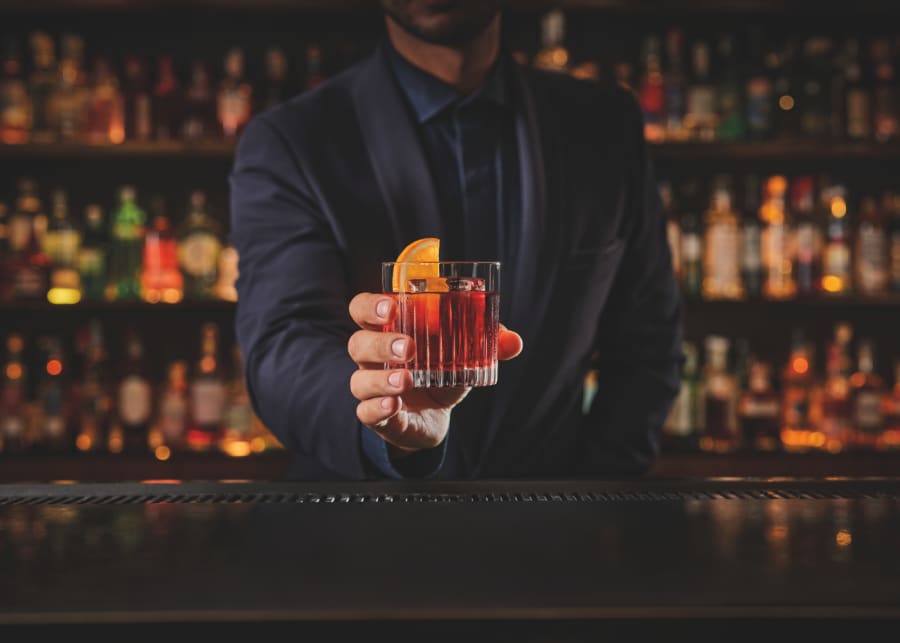
The ritual begins at dusk. A triangle of ice clinks against glass, three spirits meet in equal measure, and a bartender's wrist turns once, twice, releasing bitter orange oils into the air. For seven days this September, that gesture will ripple across Singapore, connecting riverside terraces to hidden listening rooms, modern Indian kitchens to Middle Eastern dining halls. Between 21 and 27 September 2026, the city's bars will pour variations of the Negroni not merely as cocktail theatre, but as quiet acts of solidarity.
What began in 2013 as a modest celebration has swelled into a global undertaking. The annual initiative has channelled more than US$5 million toward charitable projects since its inception, according to Campari. This year, participating venues worldwide contribute registration fees to the Negroni Week Fund, administered by Slow Food International, the global organisation dedicated to preserving culinary heritage and advancing sustainable food systems. Individual bars may also direct a portion of their Negroni sales to local causes of their choosing, weaving philanthropy into the fabric of the drinking week.
Six Stops on a Crimson Map
The geography of this year's edition spans textures and moods. At Neon Pigeon on Carpenter Street, the week unfolds as a dedicated Campari residency. Guest bartenders will rotate through the space, each night a small recalibration of the classic formula. Negronis here begin at S$25, and the bar's reputation for conviviality suggests one drink rarely suffices.
Gibson Bar, tucked along Bukit Pasoh Road, is better known for its namesake martini, but the bar's Negroni interpretations warrant equal attention. Pair them with the house clam and fries, a savoury anchor to the cocktail's bitter drift. Drinks start at S$28, and the bar keeps late hours on weekends, closing at 2am on Fridays and Saturdays.
For those seeking quieter immersion, Pop City offers a Japanese listening room aesthetic on the second floor of a Cecil Street shophouse. Vinyl spins, low light pools in corners, and Negronis begin at S$24. The space channels the subcultural currents of modern Japan, fashion and sound folded into interior design. It is the sort of place where conversation lowers to match the music, and the cocktail becomes less interruption than accompaniment.
Firangi Superstar, the modern Indian restaurant on Craig Road, celebrates its fifth anniversary on 17 September, just days before Negroni Week commences. The venue's themed rooms evoke Bollywood's cinematic grandeur, and its Negroni variations lean into spice, heat meeting bitterness in unexpected harmony. Drinks start at S$22, and the kitchen serves until midnight most evenings.
Fat Prince, a Middle Eastern restaurant on Peck Seah Street, pairs fire-grilled meats and charred peppers with its Negroni offerings. The food here is communal, plates meant for sharing, and the drinks follow suit. Prices begin at S$22, and the kitchen accommodates both lunch and dinner service throughout the week.
Caffe Fernet, perched along the Singapore River at Customs House, offers alfresco seating and unobstructed water views. It is the most accessible entry point for casual drinkers, with cocktails starting at S$18. The venue opens daily except Mondays, when service begins at 5pm rather than noon.
The Architecture of the Negroni
The cocktail itself resists embellishment. Equal parts gin, Campari, and sweet vermouth, stirred over ice, garnished with orange. Its simplicity is deceptive. The balance between botanical, bitter, and fortified wine allows little margin for error, and each ingredient asserts itself in turn. The gin provides structure, the Campari delivers its signature astringency, and the vermouth softens the edges without erasing them.
What participating bars offer during this week are not corrections but conversations. A chef's background might introduce turmeric or star anise. A bartender trained in Japanese techniques might dial back the dilution or swap the vermouth for sake-based fortified wine. These are not departures from tradition so much as explorations of its boundaries, each variation a small argument about what the Negroni can hold.
Charity as Subtext
The philanthropic dimension of Negroni Week operates quietly. Registration fees flow to Slow Food International, an organisation that works across continents to document endangered food traditions, support small-scale producers, and advocate for agricultural biodiversity. The fund supports projects that align with these aims, from seed-saving initiatives in rural communities to urban education programmes that reconnect eaters with the origins of their meals.
Individual bars retain the option to direct a portion of their Negroni sales to local charities, a flexibility that allows each venue to respond to the needs of its immediate community. The model avoids prescriptive mandates, trusting participants to choose causes that resonate with their clientele and values.
Why Bitterness Endures
The Negroni's resurgence over the past decade reflects a broader shift in drinking culture. Where sweetness once dominated the cocktail menu, contemporary palates have gravitated toward drier, more austere profiles. The Negroni, with its unapologetic bitterness, sits at the centre of this recalibration. It is a drink that demands attention rather than offering easy pleasure, and that tension has become part of its appeal.
Negroni Week amplifies that tension by multiplying the variations on offer. A drinker can sample six interpretations in as many nights, each one a minor recalibration of expectation. The exercise trains the palate, sharpens the ability to discern subtle shifts in balance, and deepens appreciation for the cocktail's foundational simplicity.
Practical Considerations
Reservations are not mandatory for Negroni Week itself, though several participating venues operate at capacity during peak hours. Gibson Bar and Neon Pigeon, in particular, fill quickly on weekends. Caffe Fernet's alfresco seating operates on a first-come basis, and Pop City's intimate dimensions mean groups larger than four may face a wait.
Pricing varies by venue, ranging from S$18 to S$28 per cocktail. Most bars do not offer discounts during Negroni Week; the emphasis lies in variation rather than promotion. For those new to the cocktail, Caffe Fernet's riverside setting and accessible price point provide a low-stakes introduction. More seasoned drinkers may gravitate toward Neon Pigeon's guest bartender programme or Pop City's vinyl-fuelled atmosphere.
The full roster of participating venues is maintained on the official Negroni Week website, a resource that includes addresses, opening hours, and brief descriptions of each bar's approach to the cocktail.
A Closing Note on Ritual
What persists beyond the week itself is the ritual, the small ceremony of pouring and stirring, the orange peel twisted over ice. The bars participating this September will interpret that ritual in their own idioms, but the gesture remains constant. Each Negroni served becomes a small act of continuity, linking drinker to bartender, bar to charity, Singapore to a global network of venues engaged in the same bittersweet exercise. The cocktail does not change the world, but it gathers people in common purpose, and for seven days, that is enough.