A Storied Spirit Comes to Singapore's Waterfront
Kweichow Moutai opens its first international outpost at the historic Fullerton Waterboat House, offering three floors of baijiu culture, fine dining, and skyline cocktails.
An Arrival Centuries in the Making
Stand at the mouth of the Singapore River on a late afternoon, where the water meets Marina Bay, and you can almost trace the arc of trade routes that once crisscrossed this harbour. The Fullerton Waterboat House has witnessed that exchange for generations. Now, as October approaches, it prepares to host another kind of crossing: Kweichow Moutai, the storied Chinese distiller, is opening its first outpost beyond China within these heritage walls.
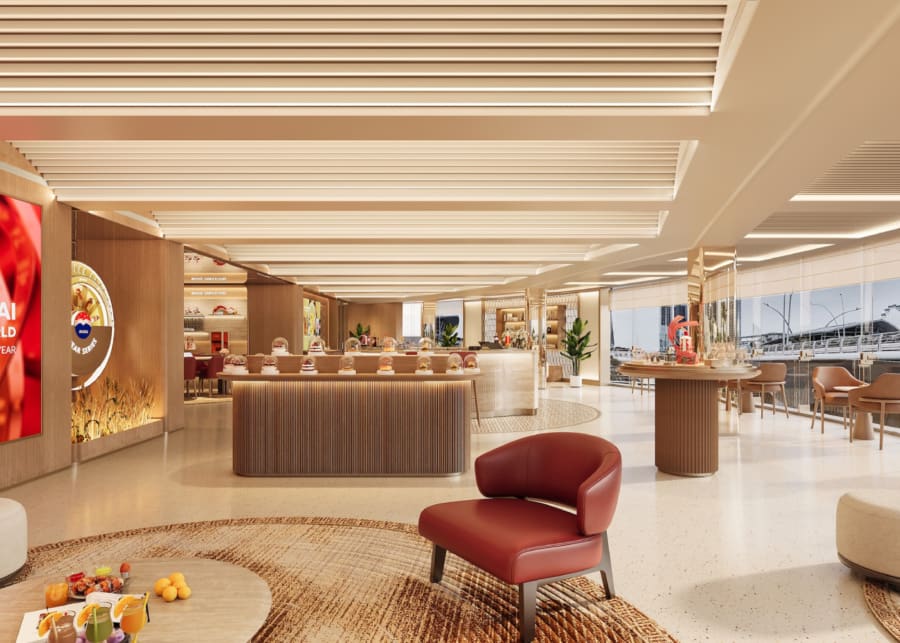
The choice of location is deliberate. Moutai House Singapore occupies three floors of the Waterboat House, each level devoted to a different facet of baijiu, the sorghum-based spirit that has anchored Chinese banquets and state dinners for centuries. What emerges is not a museum or a restaurant alone, but a layered experience that asks visitors to reconsider a drink often misunderstood outside its home country.
A Collection That Spans Decades
The ground floor houses the Moutai Experiential Centre, where more than 300 labels line the shelves. Some bottles are approachable, meant for everyday tables. Others are rarities, their value climbing towards one million US dollars. Among them is a birth-year collection exclusive to Southeast Asia, with vintages reaching back to 1965, the year Singapore declared independence. The parallel is intentional: a nation finding its footing, a spirit ageing in earthenware jars.
Kweichow Moutai has introduced a Singapore Discovery Collection for the occasion, its packaging blending the crimson of the Feitian trademark with the purple blooms of Vanda Miss Joaquim, the national flower. The design is a gesture towards localisation, a visual bridge between Guizhou province and the city-state.
The centre itself is tactile. Visitors are encouraged to engage with ingredients, to understand fermentation through smell and touch, to trace the production methods that give Moutai its distinctive profile. It is an education in patience: the spirit requires years to mature, its flavour profile built on time and microbial alchemy.
Huaiyang Cuisine Meets Guizhou Fire
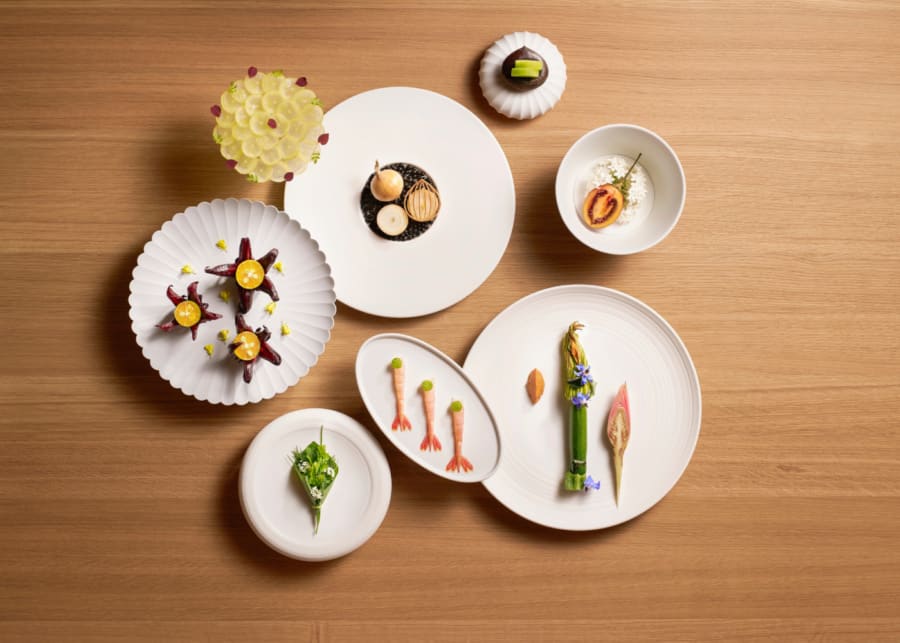
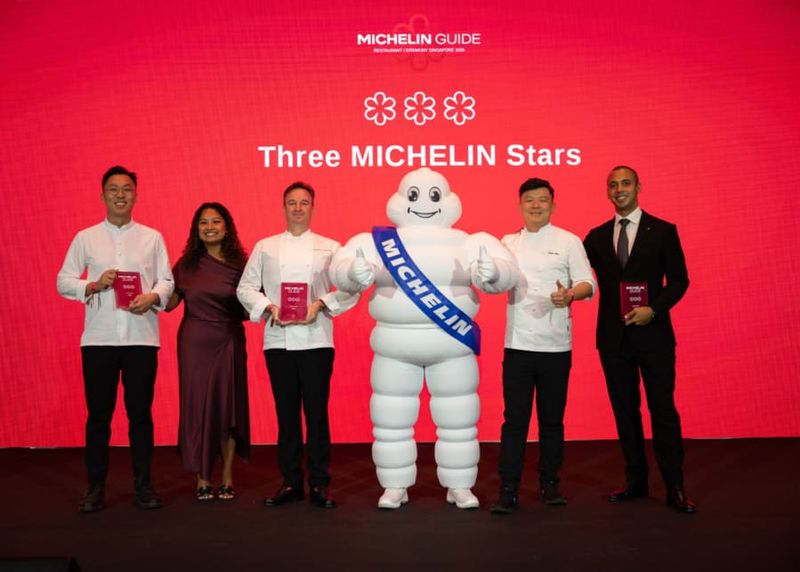
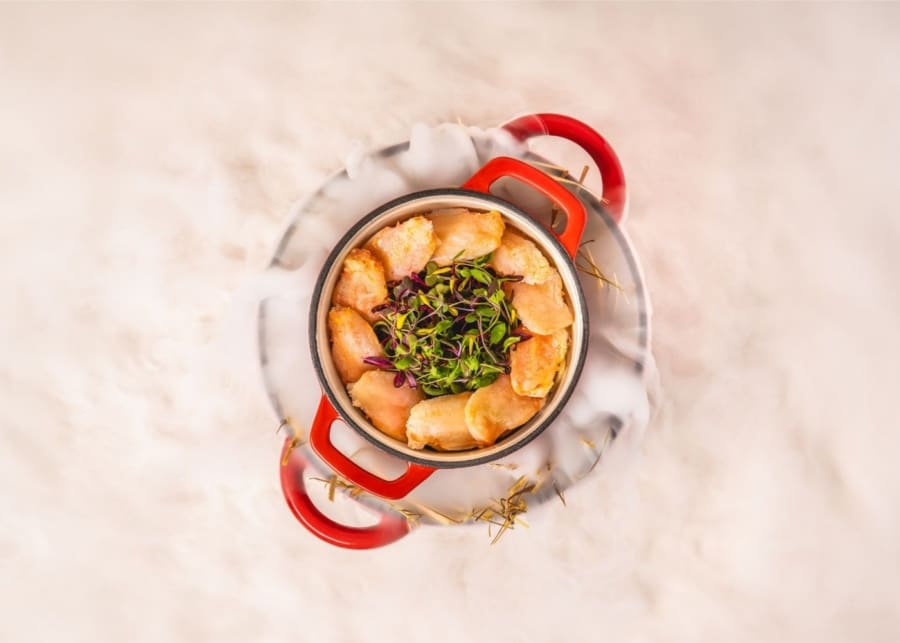
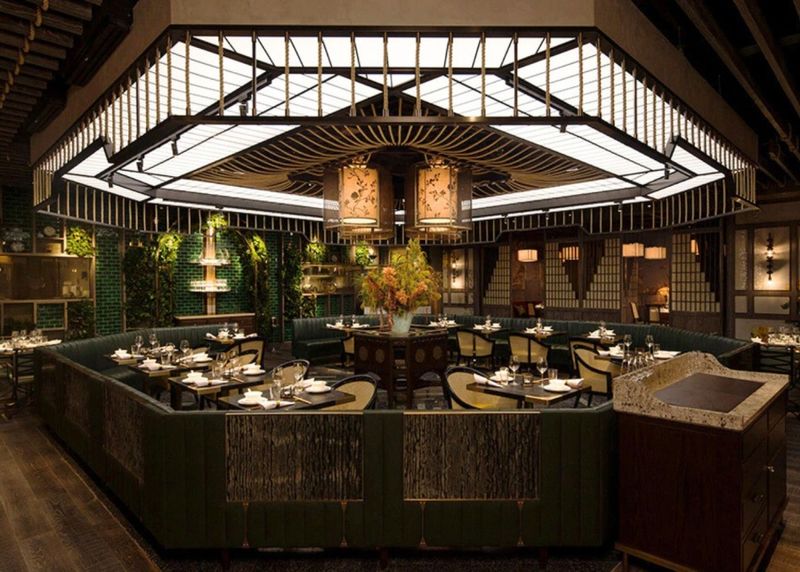
One floor above, Imperial Treasure Moutai House reinterprets the pairing of food and baijiu. The Michelin-starred Imperial Treasure Restaurant Group has partnered with Kweichow Moutai to craft a menu that draws from Huaiyang cuisine, known for its delicate knife work and light seasoning, alongside the bolder flavours of Guizhou, where chilli and fermented ingredients hold sway.
The marriage is strategic. Baijiu's high alcohol content and complex aroma compounds can overwhelm or elevate, depending on the dish. Imperial Treasure's chefs are tasked with finding that balance, demonstrating that Moutai can function as more than a ceremonial toast. The restaurant operates daily, serving lunch and dinner, its dining room positioned to overlook the waterfront.
This is Kweichow Moutai's first international expansion, a calculated step for a company that has long dominated the domestic market but remained largely unknown in Western and Southeast Asian drinking culture. The challenge is cultural as much as commercial: baijiu's assertive character, often described as pungent or medicinal by unfamiliar palates, requires context and education. Imperial Treasure's role is to provide that context through cuisine, making the spirit legible to diners who may have never encountered it.
Cocktails Above the Bay
The top floor belongs to Sohaus, a rooftop bar developed in collaboration with Nutmeg Collective, the team behind several of Singapore's established cocktail venues. Open Tuesday through Saturday evenings, Sohaus offers panoramic views of Marina Bay and a drinks programme designed to introduce Moutai through a more accessible medium: the cocktail.
Eight original creations anchor the menu, each built around Moutai's distinctive profile. Another eight are reinterpretations of classics, where baijiu replaces or complements the expected base spirit. The approach is instructive. Cocktails can soften baijiu's sharper edges, allowing drinkers to acclimate to its flavour without committing to a neat pour.
Nutmeg Collective's involvement signals an intent to appeal beyond the Chinese diaspora. The bar's aesthetic and service style are tailored to Singapore's cosmopolitan drinking scene, where craft cocktails are expected to be both technically sound and visually considered. Sohaus becomes a gateway, a place where curiosity can be rewarded without intimidation.
Heritage Meets Modernity
Moutai House Singapore reflects a broader shift in how heritage spirits are presented to international audiences. The three-level structure allows for segmentation: education on the ground floor, fine dining on the second, casual exploration on the third. Each space serves a different audience, yet all are tethered to the same product.
The Fullerton Waterboat House itself carries weight. Built in the early 20th century, it has served various functions over the decades, always anchored to the waterfront. Its restoration and repurposing as a dining and lifestyle destination adds another chapter to its history. Kweichow Moutai's arrival is both tenant and collaborator, embedding itself within a narrative of maritime trade and cultural exchange.
The October opening positions Moutai House Singapore as a significant addition to the city's dining landscape, particularly around Raffles Place and the Marina Bay precinct. Whether it succeeds in shifting perceptions of baijiu beyond novelty or niche will depend on execution: the quality of the food, the skill behind the bar, the coherence of the experience across all three floors.
A Spirit Seeking New Ground
Baijiu remains the world's most consumed spirit by volume, yet its presence outside China is marginal. Kweichow Moutai, as the category's most prestigious producer, faces the dual challenge of maintaining its domestic prestige while building recognition abroad. Moutai House Singapore is an experiment in translation, an attempt to render a deeply Chinese product legible and desirable to an international audience.
The birth-year collection, the Singapore-exclusive packaging, the collaboration with Imperial Treasure and Nutmeg Collective are all gestures towards localisation. They acknowledge that simply transplanting a brand is insufficient; context must be built, bridges must be constructed. The Fullerton Waterboat House becomes the stage for that construction, a heritage site hosting a heritage spirit, both seeking relevance in a city that prizes both tradition and innovation.
As the Marina Bay skyline glows through the evening, visitors to Sohaus will hold glasses of Moutai reimagined. One floor below, diners will taste the spirit alongside Huaiyang delicacies. On the ground floor, collectors will examine bottles older than the nation itself. Each experience is distinct, yet all circle the same question: can a spirit so rooted in one culture find purchase in another? Moutai House Singapore is Kweichow Moutai's answer, built across three floors and opening soon to the public.