A Chef's Compass: Merlin Labron-Johnson on Travelling Light and Eating Well
The Somerset-based chef who earned a Michelin star at 24 shares how road trips, Japanese rice and handmade chopsticks shape his work back home.
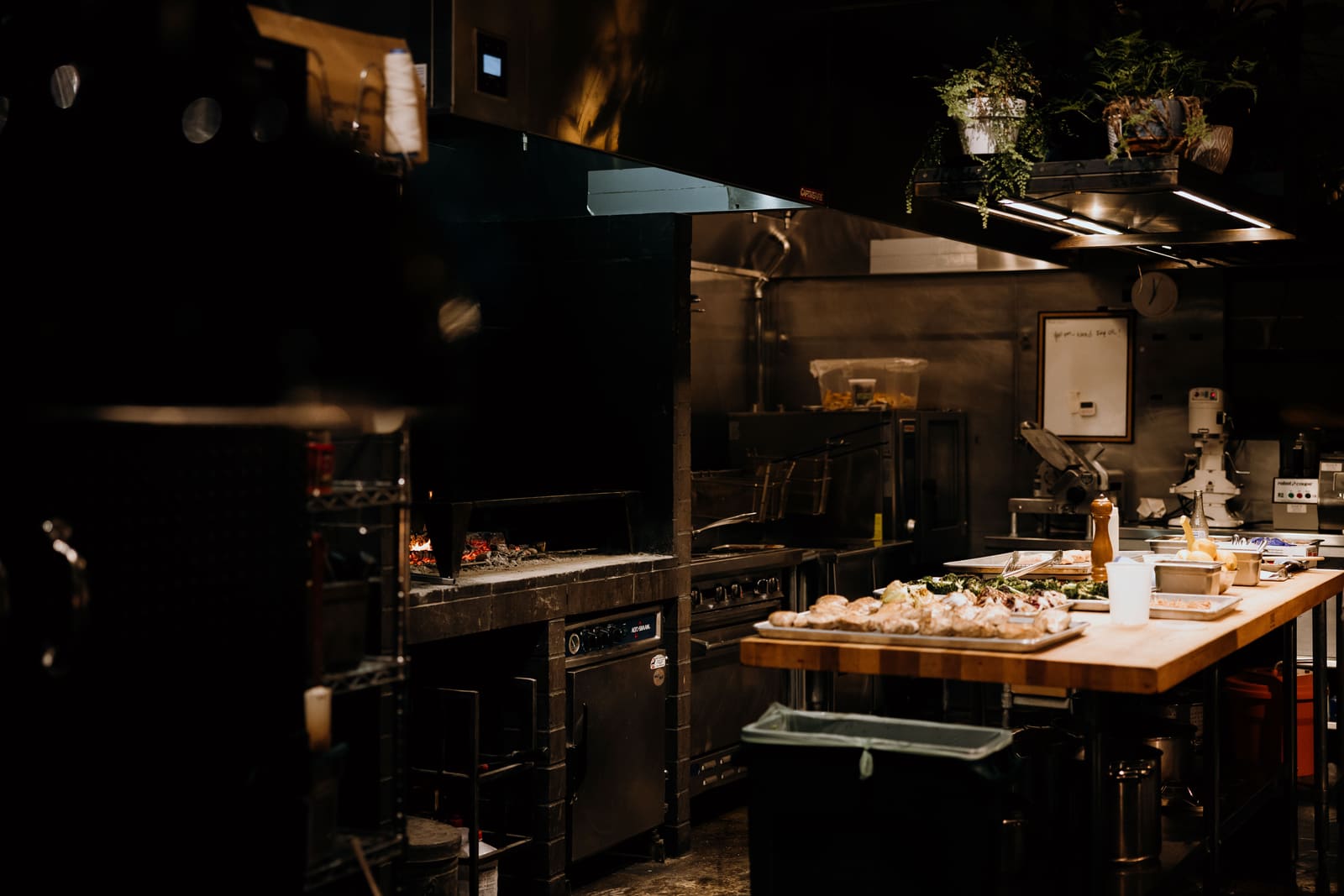
The Rhythm of Movement
There is a particular kind of restlessness that belongs to people who know where they come from. Merlin Labron-Johnson runs Osip in Bruton, a restaurant threaded tightly to the Somerset harvest, yet his suitcase is rarely unpacked for long. One week he is navigating French back roads, the next he is bound for Athens, then Tokyo. The pattern repeats, a cadence of departure and return that feels less like escape and more like breathing.
Work pulls him abroad, but he has learned to carve out a few extra days for himself. A friend's tip about an unassuming bar. A cold beer in the late afternoon light. The small negotiations with time that travellers understand instinctively.
For a Devon-born cook whose early career carried him through kitchens in Switzerland, France and Belgium, before he secured London's Portland its first Michelin star at twenty-four, movement has always been part of the method. In 2019, he planted roots in Bruton with Osip, a restaurant built on the direct line between farm and kitchen. His newer venture, Pharmacy Field Kitchen, developed with Zsuzsanna Toth and Marc Ackland, extends that philosophy outdoors: farm dinners, private gatherings, guests picking produce they will later eat. The work is rooted, but the mind still roams.
The Things He Carries
Labron-Johnson travels light. A laptop, a phone, comfortable clothes, a notebook, a wash bag. That is the inventory. No insurance policies tucked into pockets, no talismans. But recently he has started carrying small gifts, tokens for friends, hosts, colleagues. Especially when the destination is Japan.
The best things he has brought back are tools. Handmade urushi chopsticks, good scissors, a mottled steel side ladle. Objects that earn their place by being used every day. They sit in the kitchen at Osip, quiet reminders of elsewhere.
Early Geographies
His earliest travel memories are French. The only place he visited overseas until he was sixteen. The smell of supermarkets, pungent cheeses still wrapped in paper, bread from the boulangerie that was warm when you bought it, peach iced tea in plastic bottles. Sense memory, the kind that lasts.
Now travel is something else: a constant exploration that keeps him inspired, stimulated. It has also sharpened his appreciation for rural Somerset, the place he returns to. He likes the juxtaposition, the friction between two worlds. Conventional holidays are rare. Almost always, it is work with a few extra days tagged on.
What Draws Him In
Food is the obvious factor. If he suspects the food will not be good, the destination loses its pull. But it is also the people, the architecture, the colours, the climate. The thrill of the unknown, though he is careful about that word. It is less about chasing novelty and more about paying attention to what a place offers on its own terms.
He captures a lot when he travels. Hundreds of photos, videos. He likes to share discoveries, to keep a record of where he has been and what he has done. The camera becomes a form of note-taking, another way to hold onto the ephemeral.
A Place That Resonates
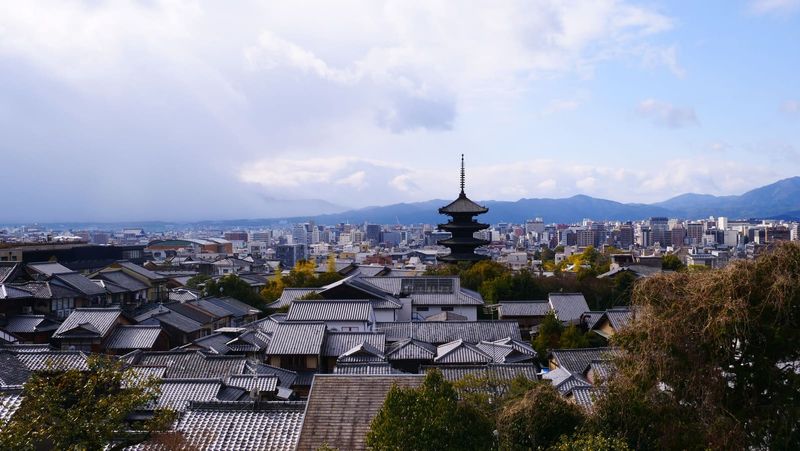
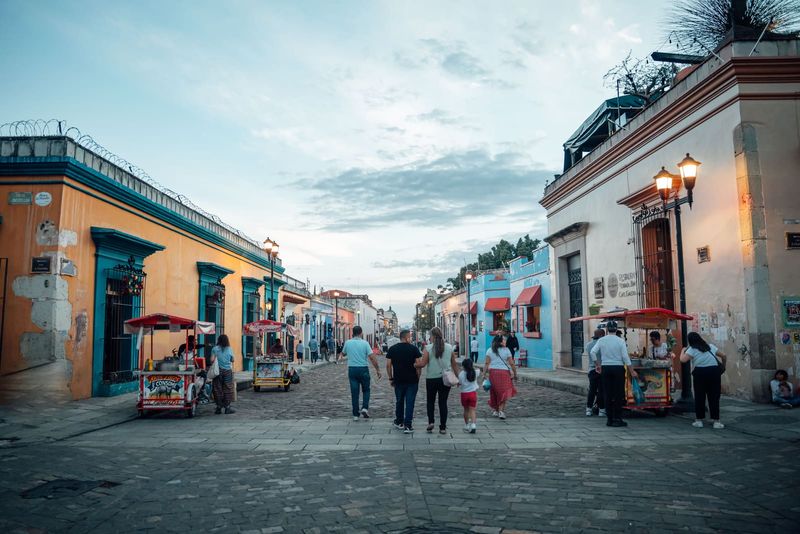
So far, Japan is the place that feels most like him. Everything there makes him happy, seems to suit his tastes. It is a strong claim, but he does not hedge. When asked which destinations have changed his approach to cooking or hospitality, he names three: Japan, Mexico, India.
The meals he still returns to in his own cooking reflect that list. Well-cooked Japanese rice. Dhal. Biryani. Simple preparations, technique-driven, the kind that reveal themselves slowly.
On his last trip to the Himalayas, he met a guide named Pujan. A wonderful host, he says, with diverse talents and extraordinary knowledge. They keep in touch. It is the sort of connection that survives distance, built on mutual respect and curiosity rather than transaction.
How He Moves
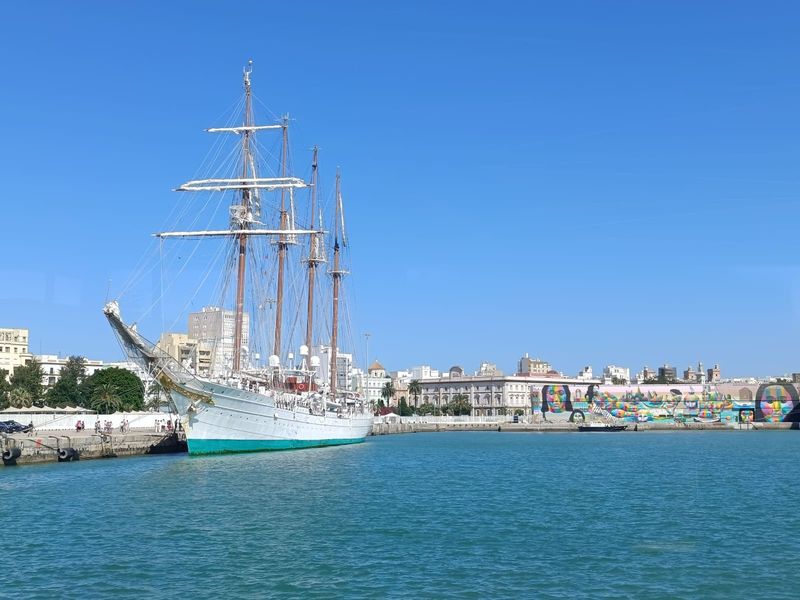
When he arrives somewhere new, he looks for a recommendation from a friend or a knowledgeable local. It could be a bar, a bistro, a tavern, a roadside café. The category matters less than the instinct behind the choice. He prefers a window seat. Evening flights, so he wakes up the following day in a new location feeling refreshed. He underpacks. He plans some things, leaves room for spontaneity. His go-to travel snack is onigiri. Leonard Cohen is always on the playlist.
His ideal row on a long-haul flight would have nobody sitting next to him. He would appreciate the peace, the quiet, the extra room. It is an honest answer, the kind that does not apologise for wanting solitude.
The Arc of Return
The French road trip was recent. Athens is next, then directly on to Tokyo. The itinerary is enviable, but it is also work. The travel feeds back into the life he has built in Somerset, into the dishes he cooks at home, into the way he thinks about seasonality and sourcing and the small pleasures that accumulate over time.
There is a logic to it, a system. The restaurant is rooted in one place, but the sensibility that drives it is shaped by many. The chopsticks from Japan, the dhal from India, the biryani, the cold beer in France, the guide in the Himalayas. They all find their way back to Bruton, folded into the work, into the rhythm of departure and return that defines how he moves through the world.