The Layered Table: Mexico City's New Culinary Confidence
Beyond awards and rankings, a generation of chefs is quietly remaking the capital's dining landscape from within.
A City That Refuses to Sit Still
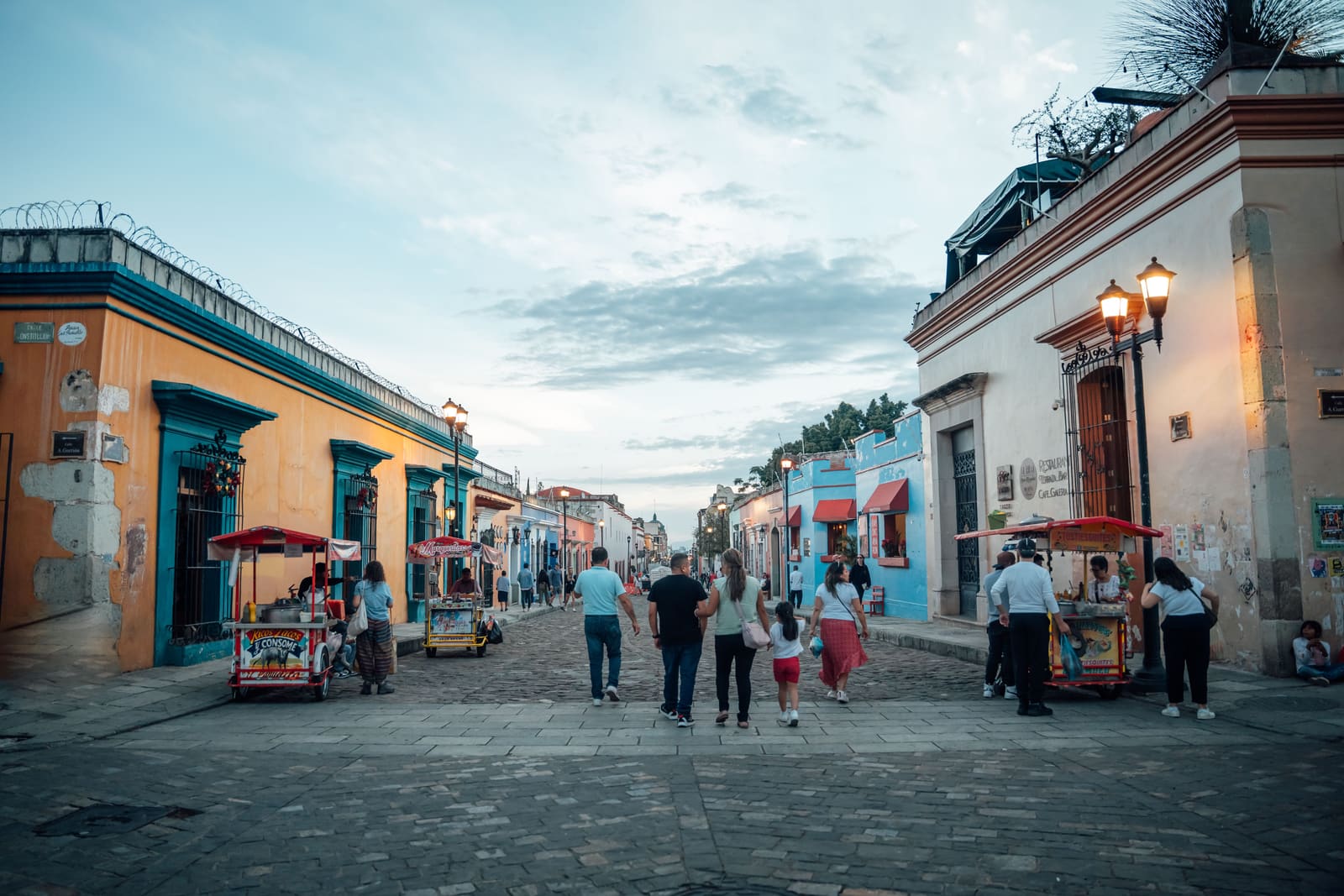
Stand at any intersection in Mexico City at dusk and the air carries more than exhaust and street-vendor smoke. There is something elastic in the atmosphere, a sense that the city reshapes itself overnight. Neighbourhoods that felt residential last year now hum with open kitchens. Taquerías that served three fillings now offer twelve. This is not restlessness. It is appetite.
For those who have tracked the capital's dining evolution over the past decade and a half, the texture of change has become familiar. What began as international attention on a handful of high-profile establishments has matured into something broader and less easily categorised. The city's culinary identity no longer hinges on a few anointed names. Instead, it sprawls across colonias, price points, and traditions, absorbing regional influences from states that once seemed gastronomically distant and folding them into the everyday rhythm of eating out.
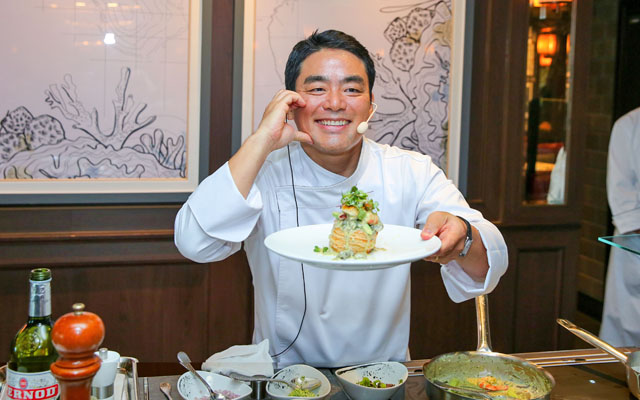
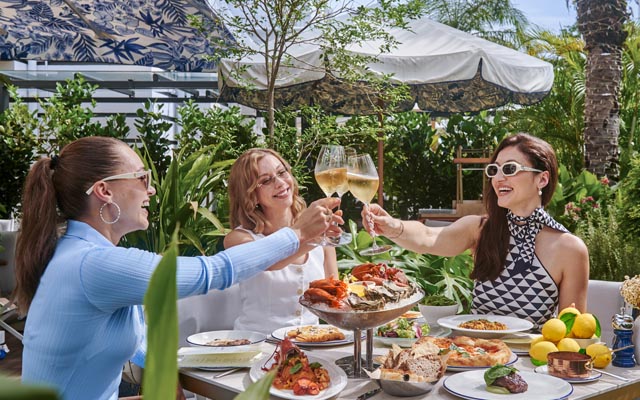
The dining landscape today reflects a generational handover that has been unfolding quietly, without fanfare. Chefs who built Mexico City's international reputation two decades ago are stepping back, making space for cooks who left to work in kitchens abroad and have since returned with technique, perspective, and an urge to cook on their own terms. The result is a scene defined less by singular vision than by multiplicity: Italian-leaning concepts in Roma Norte, experimental cocktail bars in the centre, seafood spots designed for slow afternoons, taquerías that channel the flavours of the north.
Regional Appetite, Urban Canvas
Mexico City has always been a meeting point, but its openness to regional cuisines has deepened in recent years. Dishes that once belonged exclusively to coastal towns or mountain villages now appear on menus across the capital, prepared with respect but also with urban improvisation. This is not fusion for its own sake. It is the work of chefs who grew up travelling between regions, who understand that a mole from Oaxaca and a ceviche from Ensenada can coexist on the same table without diminishing either.
The city's scale makes this possible. With a population that exceeds many entire countries, Mexico City absorbs culinary traditions the way it absorbs people: with friction, adaptation, and eventual integration. A taquería in Doctores might serve fillings inspired by the northern states, while a seafood restaurant in Tabacalera offers the kind of leisurely, drink-heavy afternoon that feels lifted from a Pacific coast town. These are not replicas. They are translations, made possible by proximity and by a dining public that has learned to expect variety.
This regional fluency extends beyond high-concept restaurants. Market stalls, fondas, and corner taquerías participate in the same exchange, drawing on ingredients and techniques from across the republic. The capital's role as culinary crossroads is not new, but the intentionality with which chefs now engage with regional traditions marks a shift. There is less appropriation, more acknowledgement. Less novelty, more continuity.
The Quiet Succession
The chefs who first brought international acclaim to Mexico City's dining scene did so by articulating a modern Mexican cuisine that felt both rooted and inventive. Their work opened doors, attracted investment, and created a framework within which younger cooks could operate. But frameworks age. What felt radical twenty years ago can begin to feel codified, and the next generation has little interest in repeating what has already been said.
The succession now underway is less about rejection than about evolution. Many of the city's most compelling new projects are led by chefs who worked abroad, in Europe or Asia or North America, absorbing techniques and systems before choosing to return. They bring with them a fluency in contemporary cooking methods, an understanding of global dining trends, and a determination to apply both in service of something distinctly local.
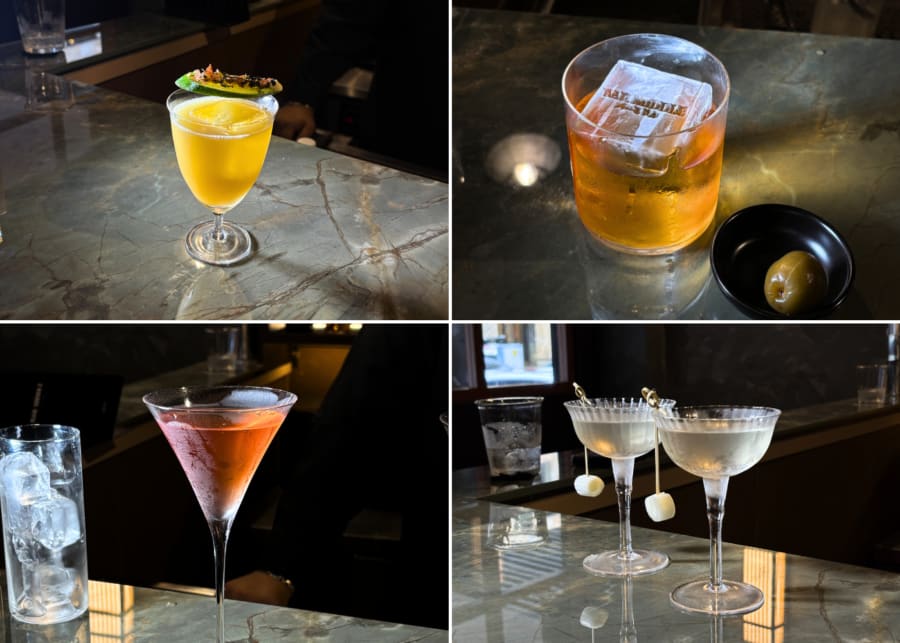
This is not a wholesale import of international styles. Rather, it is a selective borrowing, a confidence born of having seen what else is possible and deciding what fits. A chef who spent years in Italian kitchens might reimagine a beloved Roma Norte restaurant with Mediterranean inflections, not to erase its history but to extend its vocabulary. Another might open a bar focused on experimental cocktails, using local spirits and botanicals in ways that feel both playful and precise.
The result is a dining culture that no longer looks outward for validation. The arrival of international award systems in recent years has brought attention, but it has also underscored what locals already knew: that the city's culinary vitality exists independently of external recognition. Visitors drawn by rankings often discover that the most memorable meals happen in places no guide has yet catalogued.
Hospitality as Anchor
Amid all this change, one constant emerges: a commitment to hospitality that transcends concept or price point. Whether in a taquería with plastic chairs or a restaurant with linen tablecloths, the best dining experiences in Mexico City share a quality of attentiveness that feels both professional and personal. This is not the scripted warmth of corporate training. It is the product of a culture that values conviviality, that understands eating as a social act rather than a transactional one.
This sensibility shapes everything from pacing to presentation. Meals unfold at a rhythm that allows for conversation, for digression, for the kind of unhurried engagement that feels increasingly rare in other major cities. Service staff read the room, adjusting tempo and tone to match the mood at each table. The effect is an atmosphere in which diners feel attended to without being managed, cared for without being coddled.
For first-time visitors, this approach can be disorienting. The meal takes longer than expected. Courses arrive when they are ready, not when the clock dictates. But for those willing to adjust their expectations, the reward is an experience that feels less like dining out and more like being invited in.
Neighbourhood Rhythms
The city's culinary diversity is inseparable from its geography. Each colonia develops its own dining personality, shaped by history, demographics, and the accidents of who opens what where. Roma Norte skews polished and cosmopolitan, its tree-lined streets home to restaurants that court international attention. Tabacalera, grittier and less gentrified, attracts projects with a more casual, neighbourhood-focused sensibility. Doctores, long overlooked, now hosts taquerías and fondas that draw crowds from across the city.
This neighbourhood specificity matters. It means that the experience of dining in Mexico City cannot be reduced to a single district or a handful of marquee names. A visitor who spends all their time in Condesa or Polanco will encounter a very different city than one who ventures into Coyoacán or Iztapalapa. The culinary map is vast, and much of it remains unmapped by conventional guides.
The risk, of course, is that gentrification follows culinary attention. As certain neighbourhoods gain cachet, rents rise, longtime residents are displaced, and the texture that made the area compelling begins to erode. This pattern has repeated across global cities, and Mexico City is not immune. The challenge for diners, and for the industry, is to support projects that contribute to their communities rather than extracting from them.
Beyond the List
Any attempt to catalogue the city's dining scene is, by necessity, incomplete. New restaurants open weekly. Chefs move on, concepts evolve, neighbourhoods shift. What feels essential today may close tomorrow, and what seems peripheral now may define the next chapter.
The value of curated recommendations lies not in their comprehensiveness but in their specificity. A well-chosen selection can orient a visitor, offering entry points into a city too large and too complex to navigate without guidance. But the list is never the destination. It is a map, not a mandate.
For those willing to wander beyond the recommended addresses, Mexico City rewards curiosity. The unmarked taquería, the market stall with the longest queue, the restaurant that opened last month and has yet to appear in any guide: these are where the city's culinary energy often feels most vivid. The best meal is rarely the one you planned for. It is the one you stumble into, hungry and open, on a side street you were not supposed to visit.
The Long View
What makes Mexico City's dining scene compelling is not any single restaurant or chef but the aggregate energy of thousands of individual efforts. The woman who has been making tamales at the same corner for thirty years. The young cook who returned from Spain to open a wine bar in his childhood neighbourhood. The family-run fonda that serves the same menu it did a generation ago, because the menu works.
This is a city that eats with intention but without preciousness. Where a Michelin-starred tasting menu and a plastic-wrapped torta can both qualify as essential experiences, depending on the day and the hunger. Where culinary tradition is revered but not frozen, where innovation is welcomed but not fetishised.
The chefs now shaping the city's dining landscape understand this. They cook with ambition but also with humility, aware that they are part of a continuum rather than its culmination. They know that the city will outlast any trend, any accolade, any individual contribution. What matters is the work: the daily practice of sourcing, cooking, serving, cleaning up, and doing it again tomorrow.
For visitors, the invitation is simple. Come hungry. Come curious. Come prepared to eat widely and often, to move between high and low, formal and casual, familiar and strange. The city will meet you there, at the table, with more than you expected and exactly what you needed.