Cádiz and the Culinary Coast Spain Never Told You About
Beyond the Basque Country's glittering acclaim lies an Andalusian province where sherry flows in centuries-old taverns, bluefin tuna is still caught by hand, and Europe's oldest city holds the keys to Spain's quietest food revolution.
The City That Saw Phoenicians and Outlasted Empires
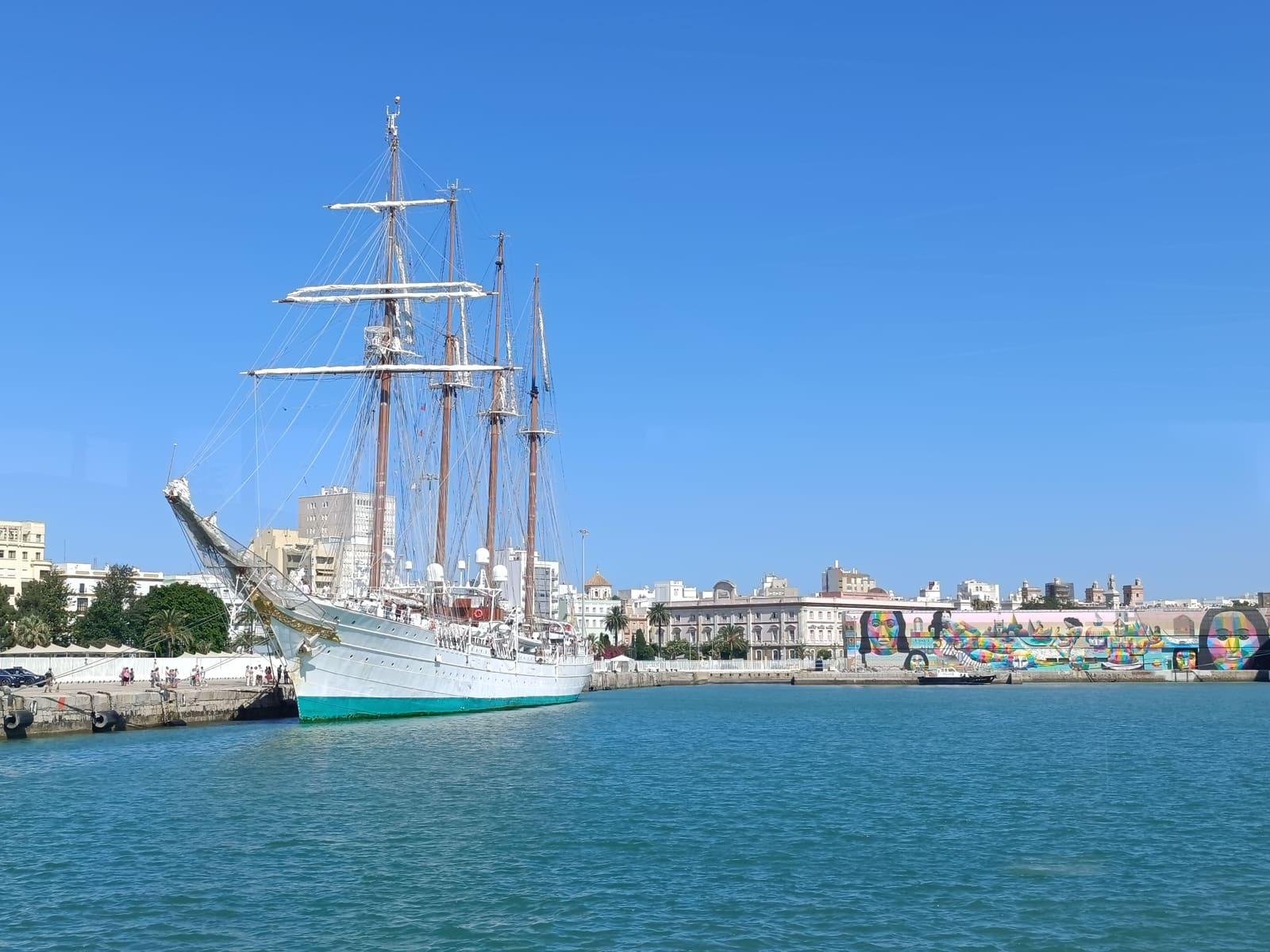
The light in Cádiz arrives slanted and golden, filtered through centuries of salt air that has softened the edges of pastel façades until they look less like buildings and more like watercolour studies. Founded around 1200 BC by Phoenician traders who called it Gadir, the city sits on a narrow spit of land jutting into the Atlantic, connected to the mainland by a thread of sand. Romans walked these cobbled lanes. So did Visigoths, Moors, and the sailors who set off to chart the New World. Yet for all its historical weight, Cádiz today feels unburdened, a place where the past is simply backdrop to daily rituals of market haggling, sherry sipping, and the kind of fried fish that makes you reconsider everything you thought you knew about batter.
While San Sebastián collects Michelin stars and international acclaim, the province of Cádiz in southern Andalusia has quietly been perfecting its own culinary identity, one rooted not in innovation for its own sake but in an unbroken lineage of fishing techniques, fortified wines, and the sort of unpretentious eating that happens when a place has had three millennia to figure out what tastes good.
The Sherry Triangle and the Geography of Flavour
The province's gastronomic map is drawn in sherry. Three towns form what locals call the sherry triangle: Jerez de la Frontera, where historic bodegas age their wines in solera systems and tabancos pour generous glasses alongside plates of chicharrones; El Puerto de Santa María, home to Aponiente, the three-Michelin-starred temple to experimental seafood led by Ángel León; and Sanlúcar de Barrameda, perched on the banks of the Guadalquivir, where manzanilla sherry, bone-dry and faintly saline, is the house wine at every bar.
Jerez was named Spain's Capital of Gastronomy in a recent national vote, recognition that its food culture extends far beyond the tourist trail. In Sanlúcar, restaurants serve langoustines and hearty Andalusian guisos at prices that would seem implausible in more celebrated destinations. The wines here taste of proximity to the sea, of the levante wind that sweeps across the vineyards, of the flor yeast that blooms on the surface of barrels and imparts that distinctive, almost briny character.
Further south, the fishing town of Barbate processes some of the world's finest bluefin tuna, caught using almadraba nets, an intricate system of traps that dates to Phoenician times. Roughly seventy per cent of the catch is exported to Japan, a fact that speaks volumes about quality. The rest stays local, appearing on menus as mojama, tataki, or simply grilled and dressed with nothing more than good olive oil.
Inside the Crumbling Walls of Mercado de Abastos
At the heart of Cádiz's culinary life is Mercado de Abastos, a market that has occupied the same site since 1838. The building itself is a study in elegant decay, its walls weathered by nearly two centuries of salt air, its floors worn smooth by generations of gaditanos. Seagulls the size of small dogs wheel overhead, waiting for fishmongers to toss offcuts. The noise is constant: vendors calling out prices, the scrape of ice being shovelled over sardines, the clatter of coins on marble counters.
This is not a market staged for visitors. It is a working institution where locals arrive early to secure the best catch, where relationships between buyer and seller span decades, and where the rhythm of daily life is dictated by what the boats brought in that morning. Stalls overflow with shellfish, whole tuna, translucent prawns, and fish whose names exist only in the Andalusian dialect. There are also wheels of cheese from the Sierra de Cádiz, bottles of sherry vinegar sharp enough to make your eyes water, and empanadas still warm from the oven.
Tucked into one corner is Gadisushi, a counter operation where a chef trained in Japanese technique applies his skills to the local catch. The toro sashimi is exceptional, as are the scallops glazed with miso butter. A few stalls over, Marisco Camilo sells whole fish by weight; the unwritten rule is to take your purchase to Bar Carrusel, where they will fry it for you in exchange for the cost of a cover and a couple of beers. It is an arrangement that speaks to the informal, generous spirit of the place.
La Viña and the Taverns That Time Forgot
The neighbourhood of La Viña, a grid of narrow streets lined with date palms, is where much of the city's eating and drinking takes place. Casa Manteca, founded in 1953, occupies a corner site and has become something of a pilgrimage destination for those who want a glimpse of old Spain. The interior is a shrine to bullfighting and flamenco: walls papered with yellowing photographs, dusty bottles of sherry stacked on shelves, colourful tiles that have survived decades of cigarette smoke and spilled wine.
The menu is short and unapologetically traditional. Chicharrones, slow-roasted pork belly served cold and finished with a squeeze of lemon, are a house speciality. So are tortillitas de camarón, lacy fritters made from chickpea flour and studded with tiny shrimp. These are not dishes designed to impress food critics. They are what people here have been eating for generations, and they taste exactly as they should.
A few streets away, Taberna La Manzanilla has been pouring sherry since 1932. The bar is cavernous and aromatic, stacked floor to ceiling with wooden casks, some of them a century old. They serve only wine, no beer, no cocktails, and the selection runs deep into amontillado, palo cortado, and the manzanilla that gives the place its name. Bartenders still chalk tabs directly onto the bar top, a practice that feels anachronistic until you realise it works perfectly well. Ask nicely, and you might be shown the back room where the oldest vintages are stored, a dimly lit chamber that smells of oak and time.
Freidurías and the Democracy of Fried Fish
Cádiz's freidurías occupy a unique niche in the city's food landscape. These are not restaurants in any formal sense, but takeaway counters where fried fish is wrapped in paper and handed over for a few euros. The batter is light, the oil clean, and the fish impeccably fresh. Freiduría Las Flores is known for its chocos, battered cuttlefish that emerge from the fryer golden and tender. There is no seating, no ceremony. You eat standing on the pavement, grease soaking through the paper, salt on your fingers.
It is a profoundly egalitarian way to eat, one that levels the playing field between locals and visitors, between those who can afford white-tablecloth dining and those who cannot. The quality does not suffer for the lack of pretension. If anything, it is precisely the absence of fuss that allows the ingredient to speak.
Michelin Comes to the Old Town
In 2023, Código de Barra became the first restaurant in the city of Cádiz to earn a Michelin star. The chef, León Griffioen, is Dutch, a detail that might seem incongruous until you taste his cooking. Working alongside his wife, Paqui Márquez, who runs the dining room, Griffioen has built a menu that reads like a love letter to the province. Retinto beef from the Sierra de Cádiz, almadraba tuna, local vegetables treated with the kind of precision you would expect from a kitchen trained in the northern European tradition but animated by an Andalusian sense of generosity.
The dining room is small, the atmosphere relaxed. The tasting menus change with the seasons and the market, and every plate arrives with a clarity of purpose that feels refreshing in an era of culinary pyrotechnics. This is not cooking that shouts. It is cooking that listens, to the ingredients, to the place, to the long history of what has worked here.
El Faro and the Weight of Reputation
El Faro began as a tavern and evolved into one of Cádiz's most venerable seafood institutions. The dining room is clad in traditional azulejos tiles, the tables dressed in white linen. At the bar, regulars stand elbow to elbow, ordering rapid-fire tapas and glasses of fino. The menu is extensive, but the dish that has come to define the place is the tortilla de camarones, a deep-fried prawn fritter that is a regional speciality. It arrives at the table crackling and golden, impossibly light, the kind of thing you order a second round of before the first has even been finished.
El Faro occupies a curious position in the city's food hierarchy. It is formal enough to warrant a reservation but unpretentious enough that you can stop by the bar for a quick bite without feeling underdressed. It is a place that has earned its reputation not through reinvention but through consistency, through doing a few things exceptionally well and refusing to be distracted by trends.
The Gelato Maker Who Conquers the World from a Beach Kiosk
A short walk from Victoria Beach, Carlo Guerriero runs La Cremería Gelato Italiano, a parlour that has earned international accolades despite its modest setting. Guerriero, who was born in Venice and trained as an industrial chemical engineer, applies a scientific rigour to his recipes, balancing fat content, sugar levels, and freezing points with the precision of a lab technician. In 2026, he was named the world's top gelato maker in the Gelato Festival World Ranking.
The flavours draw on both local and global ingredients. Fresh milk comes from nearby Conil, Payoyo goat cheese from the Sierra de Cádiz, cocoa from South America, pistachios from Bronte. The signature offering is Sherrymisú, a riff on tiramisu made with Jerez wine instead of Marsala. The result is something that tastes unmistakably of this place, a dessert that could not exist anywhere else.
Guerriero offers vegan, gluten-free, and lactose-free options, an acknowledgement that rigour and inclusivity need not be mutually exclusive. The queues on summer evenings stretch down the pavement, a mix of locals and visitors united by the understanding that this is not simply ice cream. It is craft elevated to the level of art.
The Authenticity That Comes from Not Trying
Casa Rafael, located in the heart of the historic centre, serves fresh fish from the bay, homemade portions, and local wines at prices that feel almost implausibly fair. The atmosphere is lively, the tables packed, the energy that of a neighbourhood spot that has not yet realised it might be destination-worthy. This is tapeo in its purest form, the ritual of moving from bar to bar, sampling a dish here, a glass there, building a meal from fragments.
What makes Cádiz compelling as a food destination is not any single restaurant or market or tradition, but the way these elements coexist without self-consciousness. There is no branding campaign, no coordinated effort to position the city as the next San Sebastián. The food culture here is simply what it has always been: a reflection of geography, history, and the accumulated wisdom of people who have spent three thousand years figuring out how to eat well by the sea.
The city's nickname, "Spain's little Havana," comes from the pastel buildings weathered by salt air, but it also captures something about the atmosphere, a sense of faded grandeur and present-tense vitality existing side by side. The Romans left ruins. The Phoenicians left fishing techniques. The centuries have left a city that knows exactly what it is and feels no need to apologise for it.
What the Province Teaches
To eat your way through the province of Cádiz is to understand that culinary prestige is not always loud. It does not require manifestos or celebrity chefs or multi-year waiting lists. Sometimes it is simply the product of time, of generations repeating and refining until the process becomes invisible and all that remains is flavour.
The sherry triangle continues to age its wines in bodegas that have stood for centuries. The almadraba nets still trap bluefin tuna using methods older than the Roman Empire. The markets open at dawn, the freidurías fry their fish, the taverns pour their manzanilla. And Cádiz, the oldest continuously inhabited city in western Europe, goes on doing what it has always done: feeding itself well, without fuss, and inviting anyone who cares to notice to pull up a chair.