The Italian Cities Where Appetite Becomes Geography
From the Adriatic to the Tyrrhenian, Italy's urban landscapes are written in flavour, and every piazza tells a story through what simmers in its kitchens.
The Language of Place
There is a moment, late afternoon in Bologna, when the light slants through the porticoes and the air thickens with the scent of slow-simmered ragù. The city's medieval arcades frame not just pedestrians but an entire philosophy: that food is architecture, that what we eat is inseparable from where we stand. To understand Italy is to recognise that its cities are not merely destinations but living recipes, each one a constellation of flavours that cannot be replicated elsewhere.
The notion of "Italian food" collapses under scrutiny. What exists instead is Bolognese food, Neapolitan food, Palermitan food, each city guarding its culinary grammar with the fervour of a dialect speaker. The country's geographic spine, the Apennines, does more than divide east from west; it creates microclimates of taste, where a single mountain pass can mean the difference between butter and olive oil, between polenta and pasta.
Bologna: The Physics of Pasta
In Bologna, the pursuit of the perfect tagliatelle is a science of millimetres. The city's signature egg pasta must be rolled to a precise thickness, thin enough to be almost translucent yet sturdy enough to cradle the weight of ragù. This is not the thick, tomato-heavy sauce that the world mistakes for Bolognese, but a patient reduction of minced meat, soffritto, and wine that cooks for hours until it achieves an unctuous density.
The tortellini here are equally exacting. Folklore insists their shape mimics Venus's navel, though local grandmothers are more concerned with the ratio of filling to dough than with mythology. Mortadella, that much-maligned cold cut, reveals its complexity in Bologna, where artisanal producers still stud the emulsion with whole pistachios and cure it in terracotta forms.
Naples: Combustion and Crust
Naples operates on a different temporal plane. The city's pizzaioli work with dough that has been fermenting for days, achieving a lightness that defies the laws of bread. The wood-fired ovens, dome-shaped and reaching temperatures that would incinerate lesser creations, produce a crust simultaneously charred and pillowy, the cornicione puffed with air pockets like geological formations.
But to reduce Naples to pizza is to miss the sfogliatella, that ricotta-filled pastry whose thousand layers shatter at first bite, or the ragù napoletano, a Sunday ritual that simmers beef, pork, and sausage until the meat surrenders its essence to the tomatoes. The city's relationship with the sea manifests in spaghetti alle vongole, where briny clams meet garlic and white wine in a dish that tastes like the Gulf of Naples itself.
Florence: Austerity as Elegance
Florentine cuisine wears its Tuscan restraint like a tailored coat. The city's bread, famously saltless, was born of medieval tax disputes but has become a point of identity, its bland canvas designed to absorb the richness of chicken liver crostini or the juices of bistecca alla fiorentina. This is meat as monument: a massive T-bone from Chianina cattle, grilled rare over oak embers, its simplicity a rebuke to ornament.
Ribollita, the twice-cooked bread and vegetable soup, embodies the Tuscan principle of cucina povera elevated to art. What began as peasant thrift, stretching yesterday's minestrone with stale bread, has become a meditation on texture, the bread dissolving into the broth while cabbage and beans provide structure. Lampredotto, the tripe sandwich sold from carts in the Mercato Centrale, is Florence at its most unpretentious: offal simmered until tender, tucked into a roll, and anointed with salsa verde.
Palermo: The Crossroads Plate
Palermo's food is a palimpsest of conquest. Arab traders left their mark in the spice-scented couscous of the city's western districts, while Spanish rule bequeathed the eggplant that stars in caponata, that sweet-sour condiment of vegetables, capers, and pine nuts. The city's street food culture rivals any in the Mediterranean: arancini, those saffron-tinted rice balls stuffed with ragù or butter, fried until the crust crackles; pani ca meusa, a sandwich of veal spleen and lung that is far more delicious than its description suggests.
Pasta con le sarde weaves together the city's geography, combining wild fennel from the hillsides, sardines from the Tyrrhenian, and raisins and pine nuts from the Arab pantry. It is a dish that could only exist in Palermo, where the sea meets the mountains and history layers itself like filo pastry.
Rome: The Weight of Empire
Rome's cuisine carries the heft of its past, but its greatest dishes emerge from the working-class neighbourhoods of Testaccio and Trastevere. Cacio e pepe, that deceptively simple trinity of pasta, Pecorino Romano, and black pepper, requires a deft hand; the cheese must emulsify with starchy pasta water to create a sauce rather than a clumped mess. Carbonara, despite a thousand bastardised versions, permits only guanciale, eggs, Pecorino, and pepper, the heat of the pasta cooking the eggs into a silky coating.
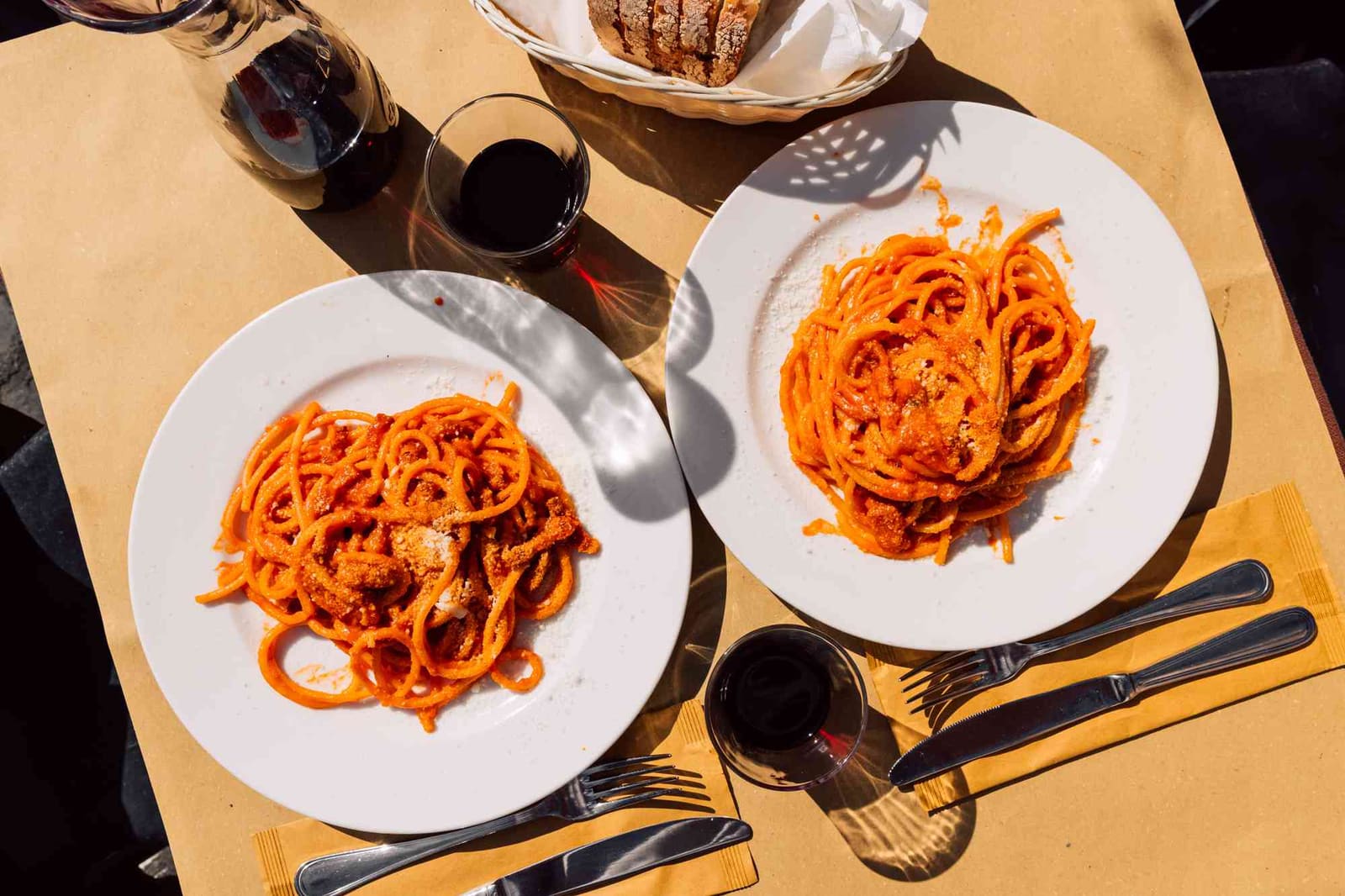
Amatriciana and gricia round out the city's quartet of fundamental pastas, each one a lesson in restraint. But Rome also claims the quinto quarto, the "fifth quarter" of offal that was once the portion allotted to slaughterhouse workers. Coda alla vaccinara, oxtail braised with tomatoes and celery, and trippa alla romana, tripe in a mint-scented tomato sauce, are dishes that transform necessity into luxury.
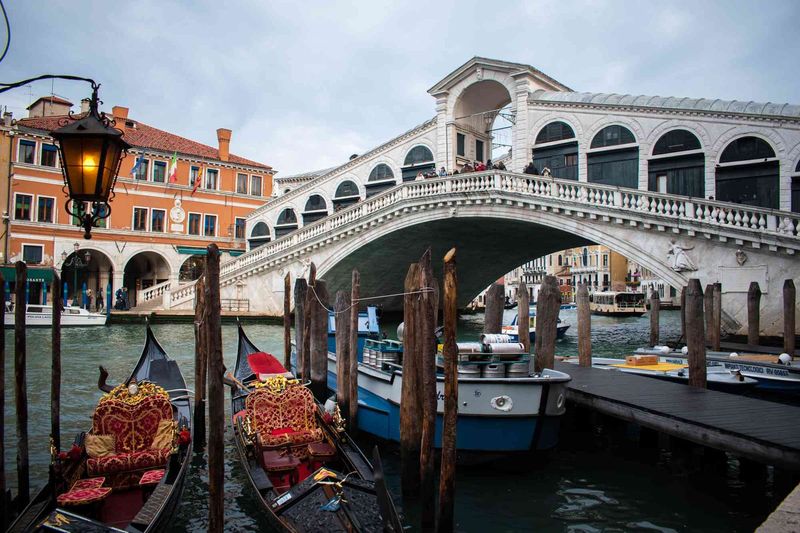
Venice: The Lagoon's Larder
Venice's geography dictates its table. The city's proximity to the Adriatic yields sarde in saor, sardines marinated in a sweet-sour bath of onions, vinegar, and raisins, a dish born of the need to preserve fish for long sea voyages. Risi e bisi, the springtime risotto of rice and peas, is so liquid it is eaten with a spoon, its consistency a deliberate departure from the al dente rice of the Milanese style.
The city's cicchetti culture, an entire ecosystem of small plates consumed in bacari wine bars, offers everything from baccalà mantecato, whipped salt cod, to nervetti, the gelatinous tendons that are an acquired but rewarding taste. Fegato alla veneziana, calf's liver cooked with onions until it achieves a creamy tenderness, is a dish that has travelled far beyond the lagoon but tastes most right when eaten within sight of the Grand Canal.
Turin: Chocolate and Circumstance
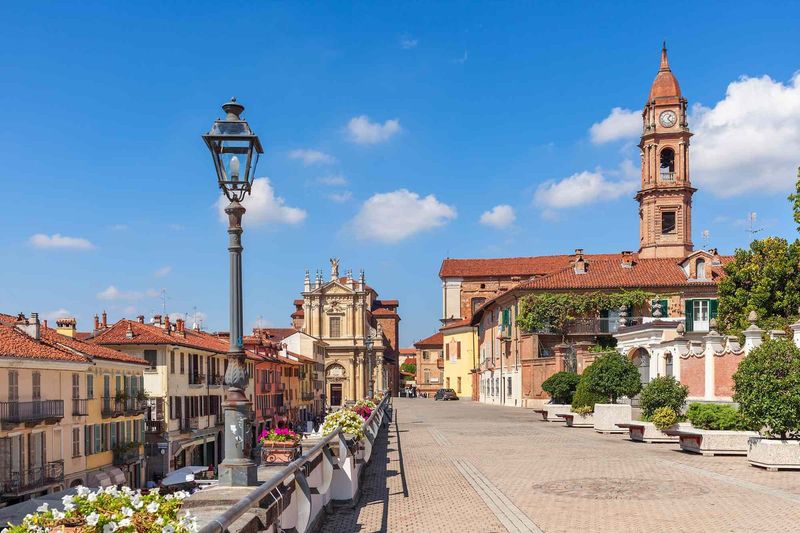
Turin's reputation as Italy's chocolate capital rests on centuries of innovation. The city's cafés, gilt-edged and mirrored, still serve bicerin, that layered drink of espresso, chocolate, and cream that has fortified Torinese winters since the 18th century. Gianduiotto, the hazelnut-inflected chocolate born here, predates Nutella and possesses a refinement that mass production cannot replicate.
But Turin is also the city of agnolotti del plin, those pinched parcels of pasta filled with roasted meat and served in butter and sage or a rich broth. Vitello tonnato, cold veal draped in a tuna-caper sauce, is the city's contribution to the antipasto canon, a dish that sounds improbable but achieves a harmony that makes sense only after the first bite. Bagna cauda, the warm anchovy-garlic dip into which raw vegetables are plunged, is Piedmont's answer to fondue, a communal dish that turns a winter evening into a ritual.
Genoa: The Emerald Sauce
Genoa's gift to the world is pesto, and the city guards its formula jealously. True pesto alla genovese requires Ligurian basil, grown in the specific microclimate of the coast where the leaves develop a sweetness absent in other varieties. The sauce is built in a marble mortar, the basil bruised with pine nuts, garlic, Parmigiano-Reggiano, and Pecorino, then loosened with the region's delicate olive oil.
The city's focaccia is another point of pride: dimpled, glistening with oil, sometimes studded with olives or onions, it is the daily bread that accompanies every meal. Trofie al pesto, the twisted pasta that traps the sauce in its grooves, is often paired with green beans and potatoes, a combination that might seem redundant but balances the richness of the basil. Farinata, the chickpea flatbread baked in wood-fired ovens, is Genoa's street food, its crisp edges and creamy centre a snack that has fuelled dockworkers for generations.
Modena: Acidity and Time
Modena's culinary identity hinges on patience. Traditional balsamic vinegar, the real article rather than the supermarket approximation, is aged in a succession of wooden barrels for a minimum of twelve years, sometimes for decades, until it achieves a syrupy complexity that justifies its price. The city's tortellini, smaller and more refined than Bologna's, are served in capon broth, a dish reserved for celebrations.
Gnocco fritto, the region's answer to fried dough, is the vehicle for Modena's extraordinary salumi: culatello, prosciutto di Modena, and the local mortadella. Lambrusco, the region's lightly sparkling red wine, is too often dismissed as a sweet novelty but, in its proper form, cuts through the richness of Modenese cuisine with a refreshing acidity.
Milan: Saffron and Industry
Milan's cuisine reflects its position as Italy's economic engine, dishes that are substantial enough to fuel long workdays. Risotto alla milanese, gilded with saffron and enriched with bone marrow, is the city's signature, its colour as distinctive as the Duomo's marble. Ossobuco, braised veal shanks, is traditionally paired with the risotto, the gremolata of lemon zest, garlic, and parsley cutting through the richness.
Cotoletta alla milanese, the breaded veal cutlet, predates Vienna's schnitzel and remains a staple of the city's trattorias. Panettone, that dome-shaped sweet bread studded with candied fruit, is Milan's Christmas gift to the world, though its production has become a year-round industry. The city's aperitivo culture, where a pre-dinner drink comes with an elaborate buffet, is a ritual that blurs the line between snack and meal.
The Edible Map
To travel through Italy's cities with appetite as guide is to understand that borders here are flavour lines, that history can be tasted, that every dish is a small act of defiance against homogenisation. These are not museum pieces but living traditions, constantly argued over, fiercely protected, and endlessly reinterpreted. The cities themselves are the recipes, built over centuries, and the best way to read them is with a fork.