Where to Eat Well in Singapore When the Occasion Calls for It
From a colonial mansion serving Southeast Asian-inflected kaiseki to a West African hearth hidden on Duxton Hill, the city's most compelling tables reward intention.
The Weight of a Reservation
There is a particular kind of anticipation that accompanies a restaurant booking made weeks in advance. Not the idle curiosity of a walk-in, but the deliberate commitment to a meal that matters. In Singapore, where hawker centres and casual cafes thrive in equal measure, this distinction becomes important. The restaurants worth reserving for are not simply serving food. They are orchestrating evenings, calibrating experiences, and often, telling stories that cannot be rushed.
The city's culinary infrastructure has matured in ways that extend beyond Michelin recognition or Instagram appeal. What distinguishes the most compelling dining rooms now is not novelty alone, but a clarity of vision, an understanding of rhythm, and the ability to hold a guest's attention across multiple courses without relying on spectacle. These are places where the fork is set down between bites, where conversation pauses to acknowledge what has just been tasted, where the evening unfolds rather than accelerates.
A French Vocabulary, Spoken Fluently
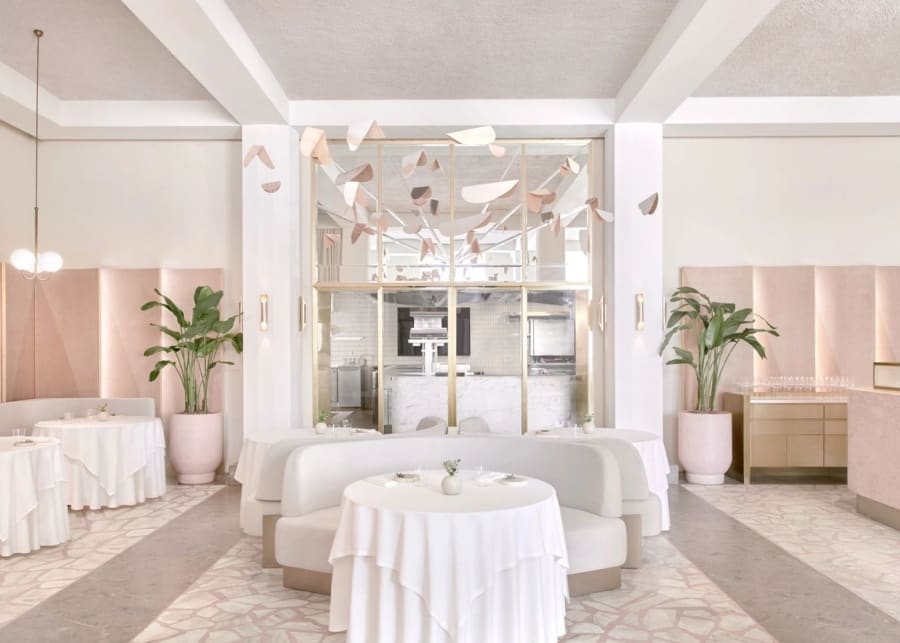
At the National Gallery, Odette continues to anchor Singapore's fine dining conversation. The dining room, dressed in soft pastels and natural light, feels less like a stage and more like a carefully composed salon. Chef Julien Royer's approach to French cuisine has always leaned toward restraint, a quality that becomes more apparent with each visit. Ingredients are not buried under technique. Instead, they are given space to articulate themselves, supported by a kitchen that understands when to step back.
The fixed course menu, starting from $368, reflects seasonal availability and a commitment to sourcing that goes beyond the transactional. Each dish carries intent. There is no filler, no course designed merely to bridge the gap between more ambitious plates. This is cooking that trusts the diner to follow a narrative without requiring bold punctuation at every turn.
Heritage Architecture, Contemporary Appetite
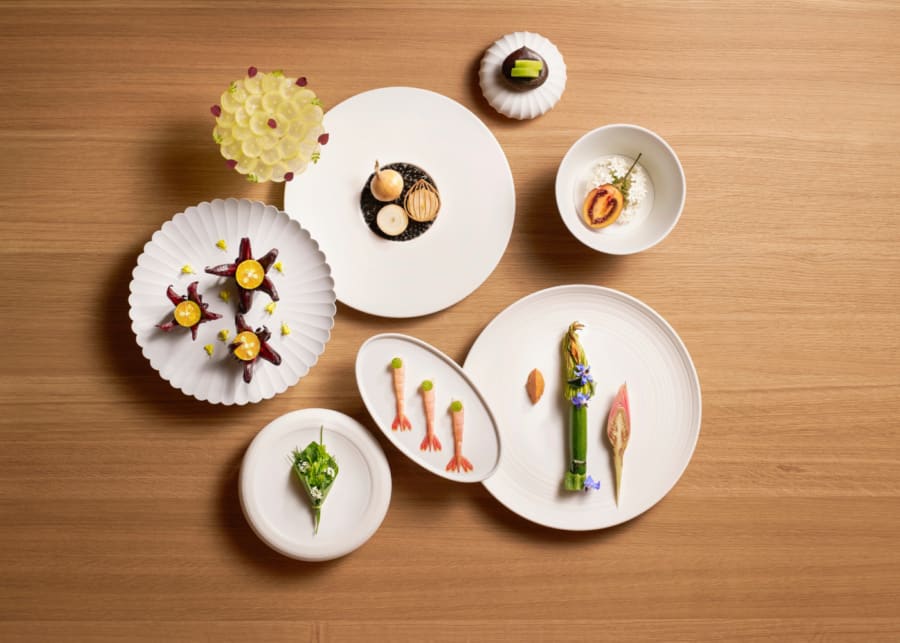
Loca Niru occupies the House of Tan Yeok Nee, a 19th-century mansion in the Dhoby Ghaut area. The building itself, with its ornate facades and layered history, sets a tone that the kitchen does not ignore. Chef-owner's tasting menu weaves Japanese ingredients, Southeast Asian produce, and French technique into a coherent whole. The Hassun, a trio of bite-sized introductions, signals the meal's direction: playful but precise, rooted but not bound by tradition.
The Isaki, a pan-seared Japanese grunt fish, arrives with scallop mousse tucked into a zucchini flower and a Nyonya-inflected beurre blanc. It is the kind of dish that could easily tip into fusion cliché, but here it holds together, each element contributing rather than competing. The open kitchen allows glimpses of the process, a reminder that refinement is built on repetition and discipline, not mystery.
Lunch sets begin at $198 per person; dinner at $298. The sake pairing, at $148, is thoughtfully constructed and worth the addition for those inclined to let the meal extend into the afternoon or evening.
The Seasons, in Translation
Waku Ghin, located within Marina Bay Sands, has long been a fixture in conversations about elevated Japanese dining in Singapore. Chef Tetsuya Wakuda's kitchen works within the rhythms of seasonality, sourcing ingredients globally but treating them with a specificity that feels distinctly Japanese. The five-course menu, priced at $250, includes marinated ocean trout tartare and slow-cooked Canadian lobster, each dish calibrated to highlight texture and temperature as much as flavor.
The chef's table omakase, at $550, offers a more immersive experience, with premium cuts and pristine seafood prepared in view of the guest. For those seeking something less formal, the extended bar dining area serves sushi, pasta, caviar, and oysters alongside Japanese sake and cocktails. The space, designed by Yohei Akao, employs natural materials, wood and stone predominantly, to create an environment that feels grounded despite its location within a sprawling integrated resort.
A Green Star, Earned and Maintained
Restaurant Fiz, helmed by chef Hafizzul Hashim, holds a Michelin Green Star, re-awarded in 2025, in recognition of its commitment to sustainable practices and ingredient sourcing. The menu, which rotates every three to six months, draws from Southeast Asian culinary traditions often overlooked in fine dining contexts. Dishes reference the Angkor Khmer and Majapahit empires, employing ancient charcoal cooking methods to impart smoke and depth.
The Sajian Warisan degustation menu shifts with each iteration, but the intent remains consistent: to surface indigenous ingredients and regional techniques that have been marginalized in contemporary culinary discourse. The dining room, intimate and textured with rich fabrics and subdued lighting, suits quiet gatherings and milestone celebrations. A private dining room is available for those requiring additional privacy.
Lunch sets start at $88; dinner from $228. The a la carte menu begins at $10, making portions of the experience accessible without committing to the full tasting format.
Fermentation, Verticality, and the West
Na Oh sits within the Hyundai Motor Group Innovation Center in Jurong West, an unlikely location for a restaurant that merits the journey. The dining room is defined by warm wood and minimalist restraint, spacious enough that even at capacity, the atmosphere remains hushed. The kitchen centers Korean fermentation techniques and seasonal ingredients, many sourced from the vertical smart farm housed within the same complex.
The four-course menu, priced under $100, represents uncommon value for a meal of this caliber. Dishes balance traditional Korean flavors with contemporary presentation, reflecting a kitchen confident enough to adapt without abandoning its foundation. Reservations open one month in advance and are claimed quickly, a testament to both the food and the price point.
For those willing to make the trek west, the Innovation Center itself offers context, a sprawling facility dedicated to mobility research and sustainable technology. Arriving early allows time to explore before the meal, creating a fuller narrative around the visit.
West African Fire, Duxton Hospitality
Tamba, located on Duxton Hill, is chef Kurt Wagner's tribute to his late adoptive brother. The space is dressed in African earth tones, with artisan-crafted walls and photography that grounds the room in a specific aesthetic. The menu honors West African cuisine, much of it prepared over woodfire, resulting in dishes that carry smoke and char as central elements rather than accents.
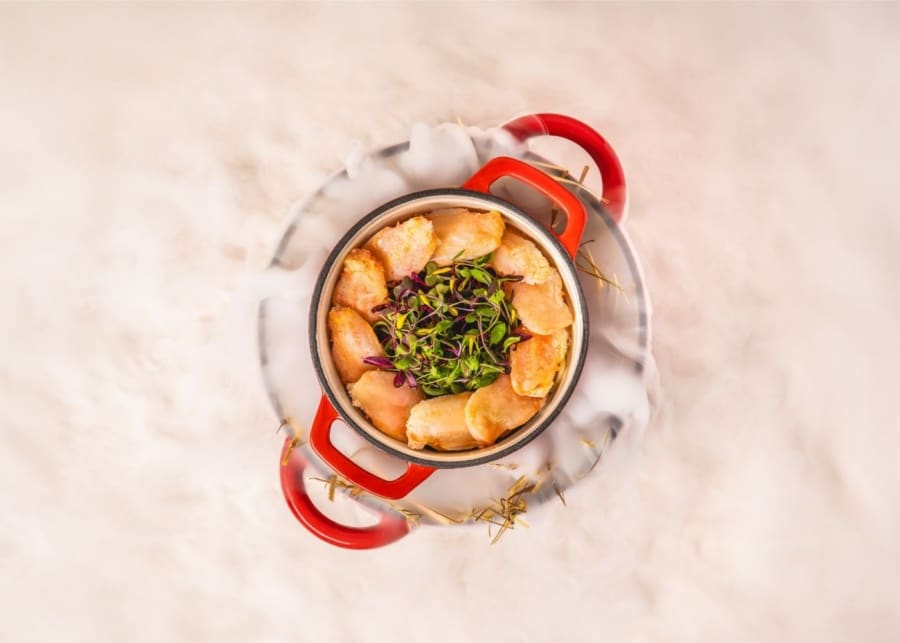
The bread service, featuring goat's milk ricotta, smoked bacon butter, and smoked honey, elevates a typically overlooked course into something memorable. The Sinyea rice with sakura chicken is hearty and well-spiced, while the pepper soup delivers sustained heat that builds gradually. The five-course set menu is priced at $158; a la carte options start at $25.
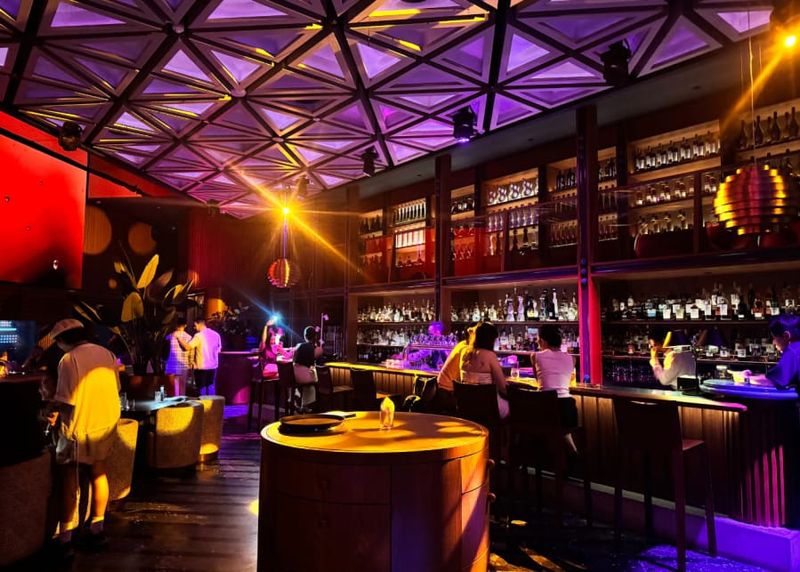
Tamba's service is notably warm, with staff taking time to explain the restaurant's origins and the stories embedded in the menu. For late arrivals, the cocktail menu is available after 10:30pm, allowing the space to function as both dining room and bar depending on the hour.
Neapolitan Orthodoxy, Transported
L'Antica Pizzeria da Michele, the Neapolitan institution famously featured in Eat, Pray, Love, operates a Singapore outpost that adheres closely to the original's approach. The dough recipe, a closely guarded formula, is fermented to a specific standard, and ingredients are flown in from Italy to maintain consistency.
The "Wagon Wheel" pizza, oversized and blistered, arrives with a thin center and an airy, substantial crust. The traditional Neapolitan method calls for rolling the slice rather than folding it, a technique that distributes the toppings more evenly and prevents the center from collapsing. The atmosphere is lively, communal, and unapologetically chaotic, a departure from the more measured environments of the other restaurants on this list but no less committed to its particular vision of excellence.
The Calculus of Occasion
Not every meal requires this level of deliberation. Singapore's food culture is rich precisely because it accommodates spontaneity, affordability, and the everyday pleasure of eating well without ceremony. But there are evenings when the occasion demands more: when a milestone is marked, when a guest is hosted, when the ritual of dining becomes the event itself rather than a precursor to it.
These restaurants understand that distinction. They do not rely on novelty to justify their place, nor do they mistake complexity for sophistication. What they offer instead is coherence, a sense that every element, from the greeting at the door to the final course, has been considered within a larger framework. That kind of attention cannot be replicated quickly, and it cannot be faked. It is the product of time, repetition, and a willingness to refine until the seams disappear.
In a city where dining options proliferate faster than most can track, the restaurants worth returning to are those that resist the pressure to reinvent constantly. They evolve, certainly, but within a defined language. They know what they are, and they trust the diner to meet them there. That confidence, more than any individual dish, is what transforms a reservation into an occasion worth keeping.