Where White Truffles Meet Mountain Mist: Inside Piedmont's Culinary Kingdom
Italy's northwest corner has quietly perfected the art of eating well, with a landscape that rewards slow days and slower meals.
A Land Shaped by Appetite
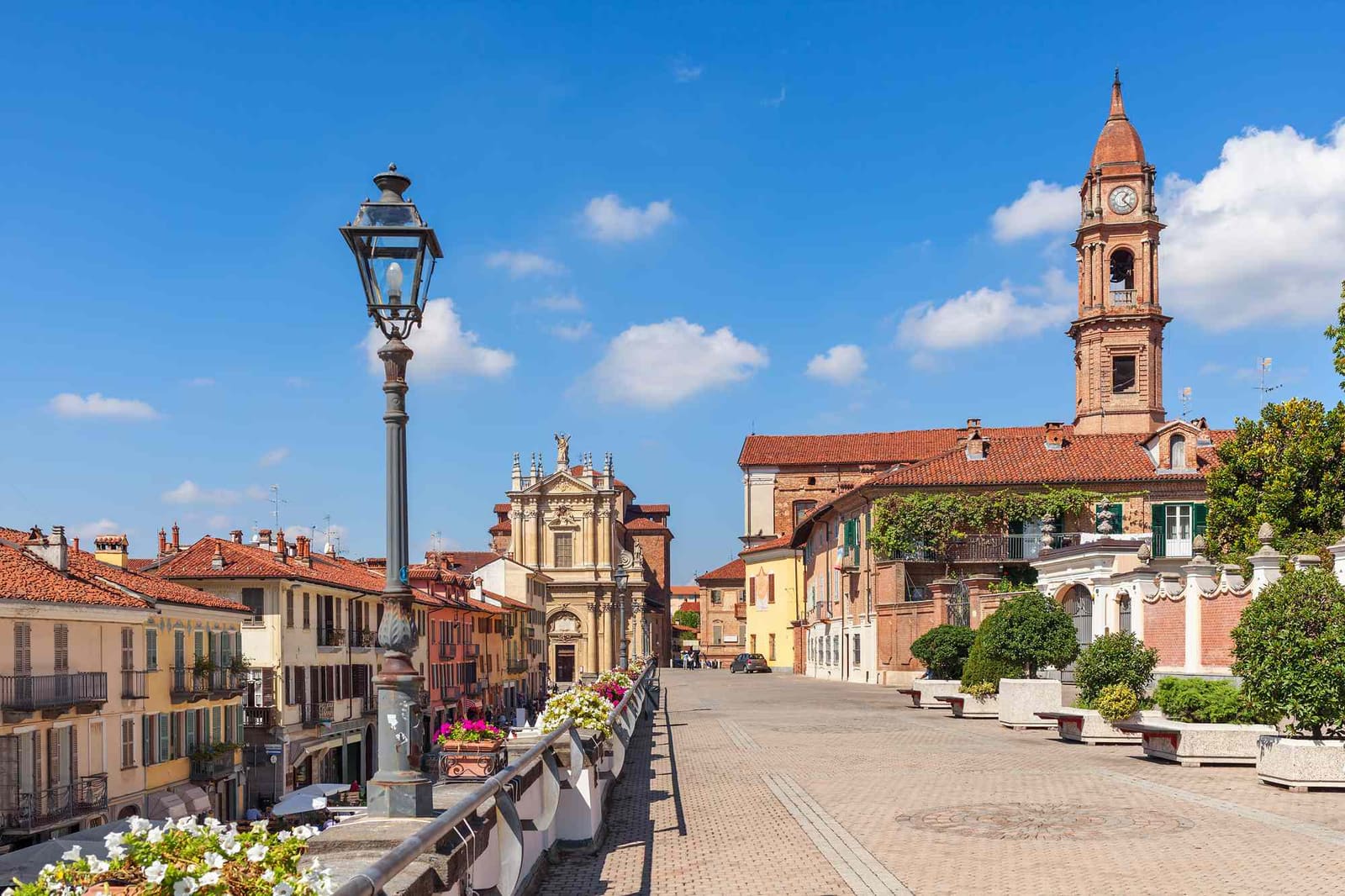
The morning fog in Alba clings to cobblestone streets like a benediction, and somewhere beneath the hazelnut groves, trained dogs are already at work. Their handlers move quietly through the damp earth, searching for the season's first white truffles, those knotted treasures that will command extraordinary sums at auction and perfume dining rooms across the region. This is Piedmont in autumn, when the land reveals its most prized offerings and the entire northwest corner of Italy seems to organize itself around the table.
Piedmont has long operated outside the tourist circuits that consume Venice and Florence, content to let its reputation spread through quieter channels: the wine lists of serious sommeliers, the notebooks of chefs who make pilgrimages to its kitchens, the memories of travelers who stumbled upon a trattoria in the Langhe hills and found themselves reconsidering what Italian food could mean. The region's culinary identity is rooted in specificity, in products that belong to particular valleys and microclimates, in techniques refined over generations rather than seasons.
The Architecture of Flavor
The white truffle, Tuber magnatum, grows only in certain soils and only under certain trees, and Piedmont's clay-rich earth near Alba produces specimens considered among the finest in the world. The season runs from October through December, a narrow window when the region's restaurants build entire menus around shavings of this fungus, its aroma somewhere between garlic and earth and something harder to name. The truffle market in Alba becomes a kind of theatre during these months, with dealers and collectors negotiating over specimens that can sell for thousands of euros per kilogram.
But the truffle is only the most dramatic expression of a broader agricultural philosophy. Piedmont's cuisine draws heavily on what the land offers without coaxing: the Fassona beef from cattle raised in alpine pastures, the tonda gentile hazelnuts that grow on hillsides too steep for other crops, the cardoon that thrives in the region's cool winters. This is food built on restraint and precision, where a dish might contain only three ingredients because those three ingredients are perfect.
The wine, too, reflects this devotion to place. Barolo and Barbaresco, both made from the Nebbiolo grape, are products of specific hillsides where soil composition and sun exposure create wines that taste unmistakably of their origins. These are not wines for casual drinking; they demand attention, time, the kind of meal that unfolds over hours. The Langhe and Roero hills are stitched with vineyards, many still family-owned, where winemaking remains as much craft as business.
Tables Worth the Journey
Piedmont's Michelin-starred restaurants have earned their accolades not through novelty but through a kind of rigorous excellence, kitchens where traditional techniques are executed with surgical precision and seasonal ingredients dictate the menu. These are dining rooms where a meal becomes an education, where the progression of courses follows a logic shaped by the region's culinary history.
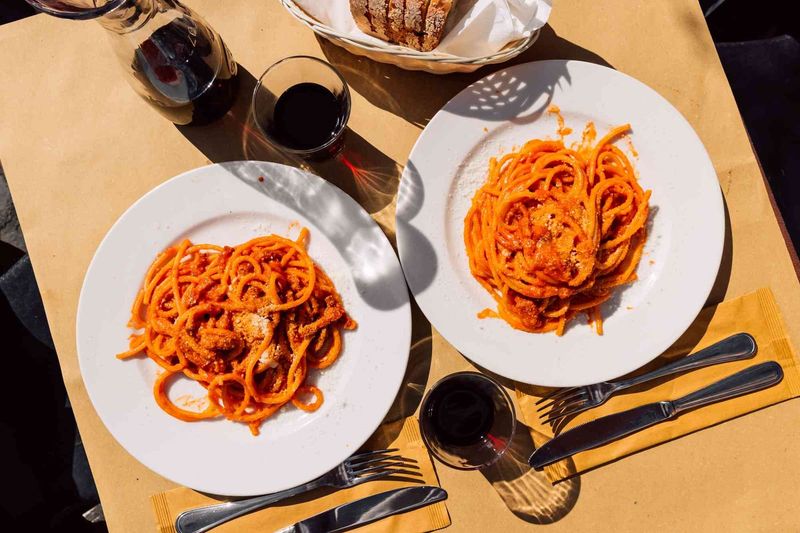
But the region's food culture exists as much in the neighborhood osteria as in the starred establishment. The aperitivo tradition here is a serious affair, with vermouth from Torino served alongside arrays of small plates that constitute a meal in themselves. The tajarin, Piedmont's answer to tagliatelle, appears on menus across the region, cut thinner than its counterparts elsewhere, often dressed simply with butter and those precious truffle shavings when the season allows.
Beyond the Plate
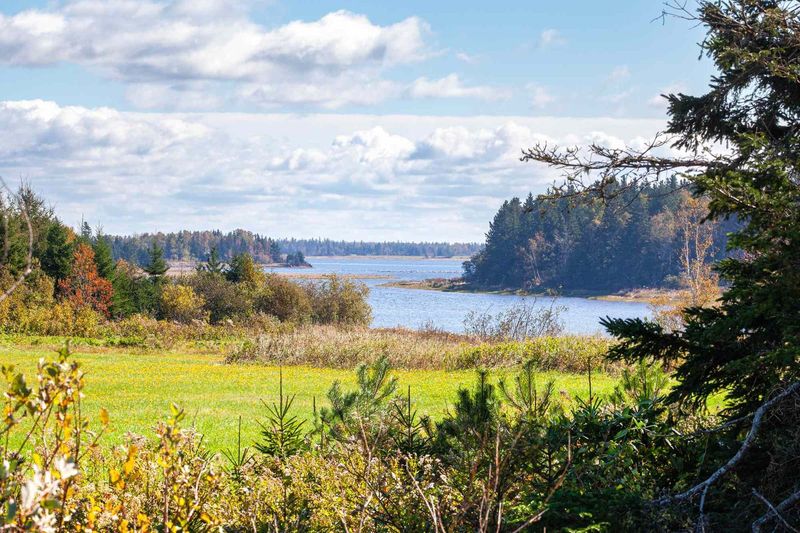
The landscape itself invites a certain kind of travel, one measured in vineyard visits and market days rather than monument checklists. The hills roll in soft waves between the Alps and the Apennines, their geometry altered by rows of vines that follow the contours of the land. Medieval towns like Asti and Cuneo anchor the countryside, their weekly markets offering produce and cheese and cured meats that reflect hyper-local traditions.
Torino, the region's capital, brings urban sophistication to Piedmont's culinary strengths. The city's baroque architecture frames cafe culture that dates to the 18th century, and its chocolate tradition, particularly gianduiotto made with those local hazelnuts, represents another expression of the region's ingredient-driven approach. The Porta Palazzo market, one of Europe's largest open-air markets, sprawls across multiple piazzas, a daily demonstration of Piedmont's agricultural abundance.
The Rhythm of Seasons
Piedmont's food culture operates on a calendar dictated by harvest and season. Spring brings the first vegetables to market and signals the release of younger wines. Summer means the peaches of Canale and the peppers of Carmagnola, ingredients that anchor the region's warm-weather cooking. Autumn is truffle season but also the vendemmia, the grape harvest that defines the rhythm of life in the Langhe. Winter settles into braises and bollito misto, the elaborate boiled meat dish that becomes a weekly ritual in many households.
This seasonal discipline shapes how visitors experience the region. A trip timed for autumn offers the truffle fairs and the drama of harvest, but also crowds and higher prices. Spring and early summer provide gentler weather and emptier roads, though without the truffles that draw so many. The choice depends on what kind of immersion a traveler seeks, whether the goal is to witness Piedmont at its most abundant or to explore it at a quieter remove.
The Deeper Current
What distinguishes Piedmont from other celebrated food regions is perhaps its lack of performance, the sense that its culinary traditions exist primarily for the people who live there rather than for outside consumption. The restaurants and wineries welcome visitors, certainly, but the region has not reorganized itself around tourism in the way that other Italian destinations have. The result is a food culture that feels intact, still connected to the agricultural cycles and family traditions that created it.
This authenticity comes with practical implications. Reservations at sought-after restaurants often require months of advance planning. Many wineries accept visitors only by appointment, and some not at all. The region rewards preparation and patience, qualities that align with its broader culinary philosophy. Piedmont asks travelers to slow down, to eat and drink according to its rhythms rather than imposing their own.
The food here is not a backdrop to sightseeing but the primary text, the thing around which everything else organizes. A visit to Piedmont means accepting this hierarchy, building days around meals rather than fitting meals into days. For those willing to make that adjustment, the region offers a rare thing: a food culture still operating at full strength, still confident enough in its traditions to resist the pressure to explain or simplify them for an audience that may not yet understand.