The Handloom Revival in India's Mist-Covered Northeast
Nagaland's weavers and makers are transforming centuries-old textile traditions into contemporary art, one loin-loom panel at a time.
A Landscape Stitched in Tradition
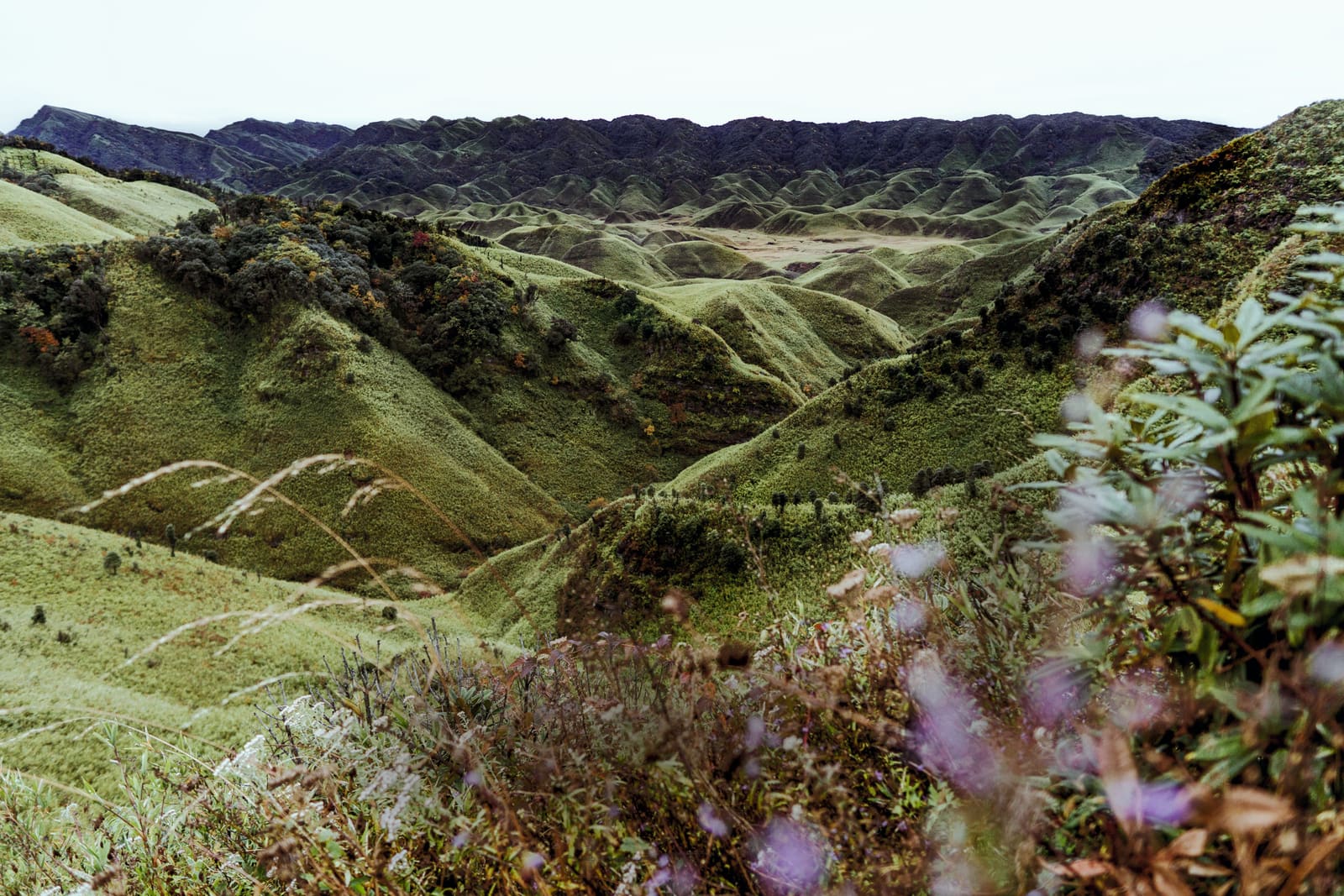
The road from Dimapur climbs through fog that clings to terraced slopes, past villages where wooden looms sit beneath eaves and the rhythm of shuttle and warp has marked time for generations. Nagaland occupies a sliver of India's northeastern frontier, pressed against Myanmar, and within its forested hills live seventeen Indigenous tribes, each with distinct weaving languages written in color, pattern, and technique. The population remains sparse, but the creative density is anything but.
What emerges from these highlands today is not folklore preserved in amber. It is a living textile vocabulary, reinterpreted by a new generation of designers who understand that heritage and innovation need not stand opposed. The mekhala, a traditional draped garment, now appears in olive and burnt sienna, stitched with geometric motifs and cowrie shells. Vintage suiting gets deconstructed and reborn with handloomed cotton inserts. Wild grass becomes tapestry; banana fiber transforms into handbags sturdy enough for the road.
Workshops That Double as Guesthouses
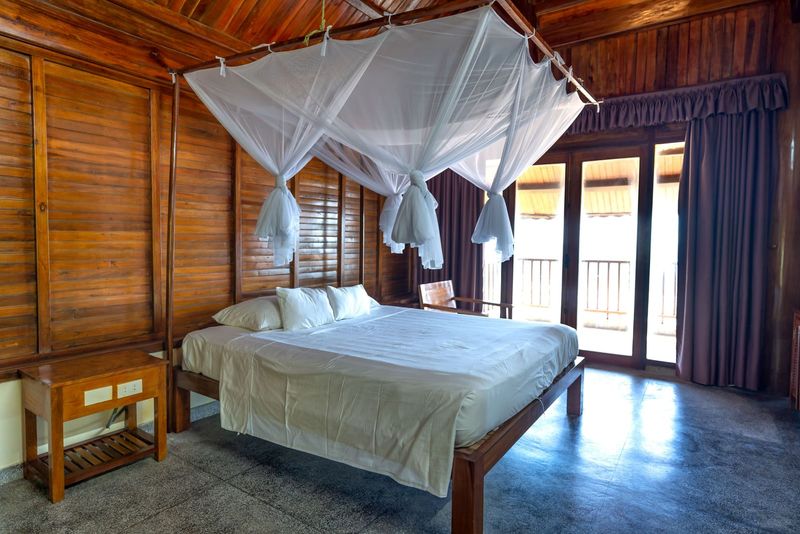
In Dimapur, Heirloom Naga has spent three decades expanding what a textile brand can be. What began as a collection of color-blocked linens and cushions now encompasses bags, display bowls, fans, and wall hangings, all made using techniques passed down through tribal lineages. The Heirloom Naga Centre functions as boutique, guesthouse, and workshop space in one. Eight guest rooms are outfitted with the studio's signature throw blankets and pillows, a quiet advertisement for the craft. Visitors can book loin-loom weaving or basketry sessions led by local artisans, then take lunch at Heirloom Eatery, where the menu leans into regional ingredients with the same care the textiles receive.
The model is instructive. It treats craft not as souvenir but as pedagogy, inviting travelers to sit at the loom and understand the labor, the precision, the hours required to produce even a single panel. That intimacy shifts the transaction from consumption to conversation.
Garments That Carry Ancestral Codes
Kintem, a label based in Dimapur, takes its name from the Ao Naga word for "communities," and its supply chain reflects that ethos. Founder Moala Longchar works with intergenerational weavers across Nagaland, commissioning reinterpreted mekhalas and shawls constructed from loin-loomed panels. The designs retain ancestral motifs but adapt silhouettes for contemporary wardrobes: sarong-style wrap skirts in muted earth tones, bridal pieces embellished with züngijang embroidery (named for its resemblance to cucumber seeds), and ceremonial garments adorned with tiny brass bells that chime softly when worn.
The choice to work with artisans in their own villages, rather than centralizing production, preserves not only technique but also the social fabric that surrounds it. Weaving in Nagaland has historically been a communal act, performed between farming seasons, and Kintem's structure allows that rhythm to continue.
Upcycling as Cultural Synthesis
At Otsü Clothing Co., also in Dimapur, the aesthetic is collision as curation. Designer button-downs are paired with cinched handwoven corsets. Distressed patchwork dresses incorporate panels of traditional loom work. Pencil skirts feature pockets made from tribal cotton, their hems lined with vibrant geometric trim. The result is a wardrobe that refuses to choose between global fashion and local craft, insisting instead that both can coexist in a single garment.
Otsü also organizes Otsüverse, a pop-up series that functions as makers market and cultural salon, spotlighting Northeast Indian cuisine, music, and design. The events underscore a broader shift: Nagaland's creative economy is no longer content to be discovered. It is building its own platforms.
The Marketplace as Archive
Runway Nagaland, located off Full Nagarjan Road in Thilixu village, began in 2011 as a jewelry label when founder Nengneithem Hengna left corporate work to pursue metalsmithing. The venture has since expanded into a sprawling repository of handmade goods: wild-grass tapestries, bamboo vessels, twill-woven baskets, and handbags constructed from banana fiber. The space feels less like a boutique and more like a cabinet of curiosities, each object carrying the fingerprint of its maker.
Runway also offers workshops and fiber art training, opening its processes to students and travelers. The gesture is pragmatic as much as generous. For traditional crafts to survive, they must be practiced, and that requires a steady influx of new hands willing to learn.
Adornment That Maps Identity
Jewelry in Nagaland has long functioned as tribal identifier, each bead color and shell placement signaling lineage and allegiance. Hues of Hills, available at lifestyle boutique Vayu in New Delhi, translates that symbolic language into contemporary adornment. The Naga choker assembles semiprecious stones, each representing ornaments worn by a different Indigenous tribe. The Naga orchid necklace draws inspiration from the nearly 400 orchid species native to the region, rendering petals in brass and agate.
Further north in Wokha, roughly 46 miles from Kohima, Zaben Murry Design continues the tradition with brass pendants shaped like abstract Naga heads and necklaces that echo Lotha-tribe colorways. The pieces are wearable ethnography, carrying histories that predate the Indian state itself.
Slow Fashion, Literal and Figurative
Woven Threads, a design studio based in Kohima, operates on a model that prioritizes both ecological and social sustainability. Organic cotton is dyed with natural pigments, then woven into indigo-dyed outerwear, patterned bed runners, and textured pillows. The loin-loom collections are made by Indigenous artisans working from home, allowing them to continue seasonal farming, including paddy cultivation, without abandoning their craft.
The studio also encourages mentorship, pairing elder weavers with younger apprentices. The arrangement preserves not only technique but also the oral knowledge that accompanies it: which plants yield which dyes, how tension affects drape, when to rest the loom. These are details that cannot be learned from manuals.
Beyond the Festival Circuit
Nagaland's Hornbill Festival, held each December, has become the region's most visible cultural export, drawing international visitors to celebrate Indigenous music, dance, and craft. But the festival is a single week in a year-round creative ecosystem. The workshops, studios, and boutiques scattered across Dimapur, Kohima, and Wokha offer a quieter, more sustained engagement with Nagaland's material culture.
What these makers share is an understanding that tradition is not static. It is a set of tools, a vocabulary that can be recombined, reinterpreted, and carried forward. The loin loom, after all, is an ancient technology. But in the hands of a designer who pairs it with upcycled suiting or natural dyes, it becomes something else entirely: a bridge between centuries, a refusal of nostalgia, a way of making the past speak to the present without whispering.