Where the Southern Alps Meet Three Centuries of Sake Tradition
Hakushū offers something rare in modern Japan: a landscape where water, time, and the patience to let both do their work remain unrushed.
A River That Remembers
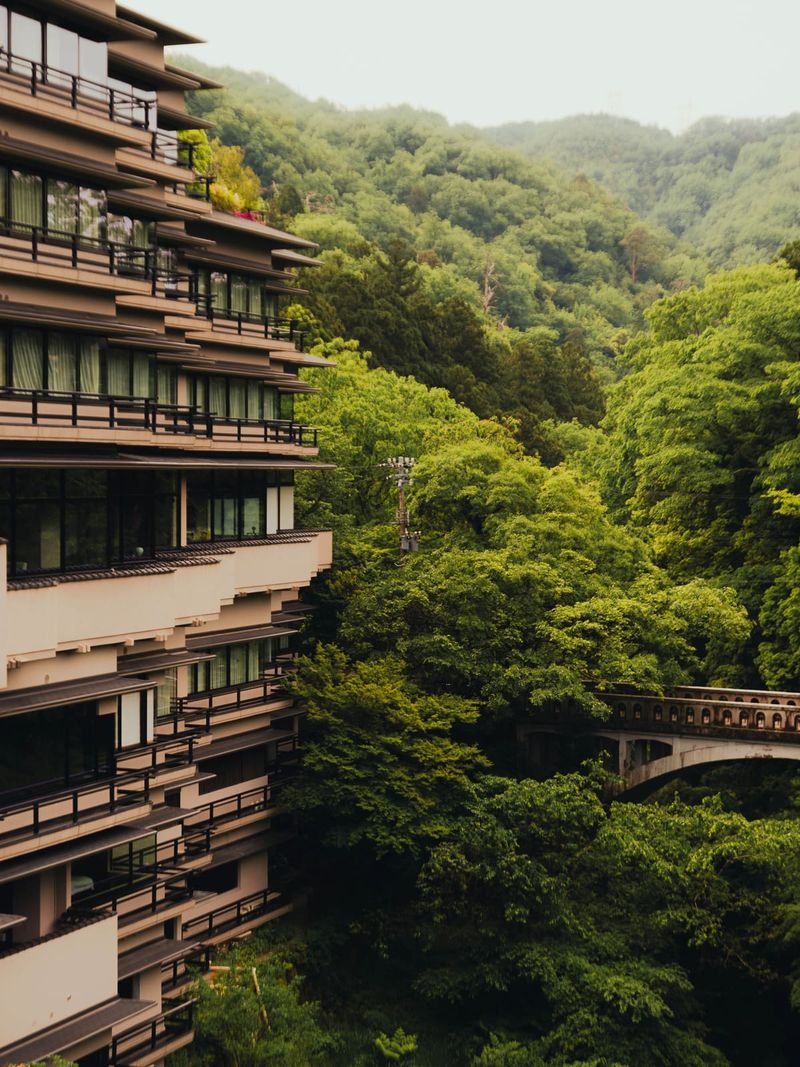
The Ojiragawa River begins its journey on the slopes of Mount Kaikoma, threading through a valley thick with cedar and maple before reaching the small settlement of Hakushū. For nearly three hundred years, the Shichiken brewery has drawn from this water to make sake. The distillery that arrived in 1973, producing a single malt that would eventually win international recognition, relies on the same cold, mineral-rich flow. The water here does not merely sustain industry. It shapes the soil, feeds the vineyards, and defines the character of a place that once served as a waypoint for merchants traveling the Kōshū Kaidō highway toward Edo.
Today, Hakushū lies two hours by car from Tokyo, yet it operates on a different clock. The traditional wooden houses, the terraced rice paddies, the rows of grapevines climbing the mountainside all suggest a rhythm untethered to the capital's velocity. What was once a rest stop has become a destination in its own right, one where arrival often postpones departure.
New Roots in Old Ground
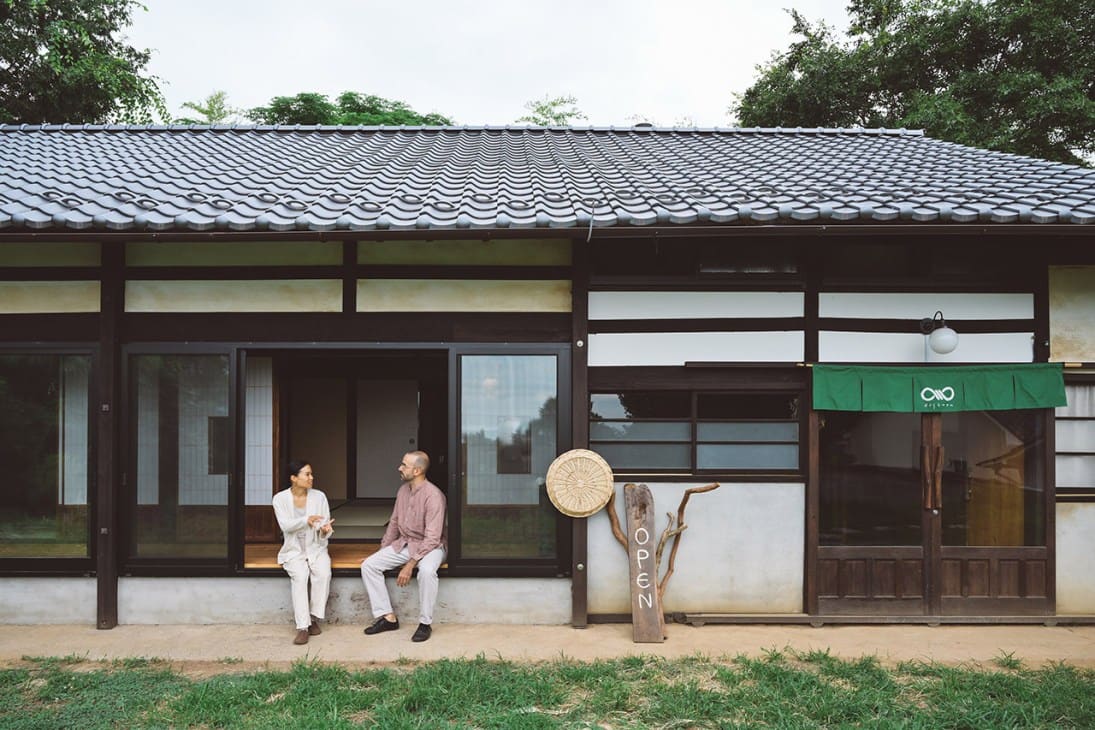
Dawid Nowosadzki and Ayako Ono arrived in Hakushū in 2023, leaving behind London for Ayako's hometown. The transition, she recalls, brought unexpected discoveries. More residents from Tokyo had purchased second homes in the area, and a small but growing number of foreigners had settled permanently. Together, the couple opened Koma, a compact delicatessen where seasonal vegetables take center stage: roasted broccoli scattered with sesame, radishes dressed in turmeric cream, red cabbage tucked into warm pita.
The produce reflects the agricultural wealth of the region. Locals frequent the michi-no-eki, roadside stops where farmers sell directly, but venture a short distance up or down the mountain and you encounter fields of lettuce, sweet tomatoes, asparagus, and cabbage. The morning routine for Dawid and Ayako includes bathing in the Ojiragawa, a practice that underscores the intimacy between residents and the landscape.
Hakushū forms part of Hokuto, a rural city where the scent of Japanese cedar and momiji drifts through the air. According to Yudai Komiyama, who works with the real estate agency Inaka Life, demand for homes has outpaced supply. Roughly ten percent of prospective buyers are foreign nationals, some seeking retirement, others drawn by the possibility of remote work. All share a desire for what Komiyama describes as a slower rhythm, a quality increasingly scarce elsewhere.
The Pull of Craft and Patience
Weekend visitors arrive with specific itineraries. Some make the pilgrimage to the Suntory distillery, known particularly for its 25-year-old expression. Others queue at Kinseiken, a 124-year-old confectionery shop, for shingen mochi drizzled with molasses. The Shichiken brewery, now in its thirteenth generation, occupies a preserved wooden structure in the Daigahara-juku district, a neighborhood where the architecture remains largely intact.
Yamanashi Prefecture is home to some of Japan's oldest winemaking operations. Château Charmant, established in 1919, cultivates indigenous koshu grapes alongside French varietals. Masahiko Yamamoto, a third-generation winemaker at the estate, attributes the success of their cabernet franc to the mineral content of the water, which he believes imparts a distinctive quality to the soil. The notion that terroir can be tasted is not new, but in Hakushū it carries particular weight. The water that begins on Mount Kaikoma does not simply irrigate; it authors.
Arrivals That Stay
The region has seen a handful of recent openings that reflect both continuity and change. Esoto, an intimate guesthouse operated by Shichiken, accommodates just four guests at a time. The experience centers on kaiseki dinners, private onsen bathing, tea ceremonies, and selections from the brewery's reserve. It is hospitality designed for immersion rather than efficiency.
Itoma, a bean-to-bar chocolate workshop that opened last October, handles every stage of production in-house, from roasting cacao to molding the final bar. The shop occupies a modest space along the Kōshū Kaidō, offering a contemporary counterpoint to the area's older craft traditions.
Eighten, a restored kominka, or folk house, now serves as a yoga studio. Tatami floors, shoji screens, and views of the Minami Alps provide a setting where practice and place converge. Albero, a riverside breakfast spot, opens on weekends at eight in the morning, serving Italian frittata, house-baked focaccia, and local sausage. Listude, a Japanese wooden-speaker brand, relocated to Hokuto a year ago and has since organized a series of outdoor concerts in the surrounding forest, where acoustics and environment merge.
The Logic of Lingering
Hakushū does not market itself aggressively. It does not need to. The appeal lies in what it withholds: urgency, density, the pressure to move quickly from one experience to the next. The river continues its passage through the valley, the sake ferments at its own pace, and the vineyards ripen according to the season. For those who arrive with the intention of leaving, the calculus often shifts. The return journey, somewhere between a glass of wine and another dip in the Ojiragawa, begins to feel less necessary.
The transformation from rest stop to destination is not accidental. It is the result of centuries of craft, careful stewardship of natural resources, and a willingness to let time work at its own speed. In an era that prizes acceleration, Hakushū offers the opposite: a place where slowness is not a compromise but a feature, where the water that descends from Mount Kaikoma shapes not only the sake and the wine but the very texture of daily life.
Whether you come for the whisky, the vegetables, the architecture, or simply the air, the experience tends toward the same conclusion. The longer you stay, the less inclined you become to leave. That, perhaps, is the most honest measure of a place worth knowing.