Where Renaissance Grandeur Meets Garden Sanctuary in Florence
Four Seasons Hotel Firenze weaves together palatial architecture, botanical abundance, and culinary excellence in the heart of Tuscany's cultural capital.

A Palazzo's Second Act
The iron gate closes behind you, and suddenly the Via Tornabuoni crowds vanish. What unfolds instead is eleven acres of garden - a nearly impossible luxury in a city where every square metre has been contested for centuries. Four Seasons Hotel Firenze occupies not one but two Renaissance-era palaces, the Palazzo della Gherardesca and the adjacent Conventino, each with its own architectural lineage and each now reimagined as a sanctuary for the modern traveller who still craves historical weight.
The Palazzo della Gherardesca dates to the fifteenth century, when Florentine banking families commissioned residences that doubled as statements of power. Its frescoed ceilings and pietra serena stonework remain intact, but the hotel has layered in contemporary comfort without erasing the past. The effect is neither museum nor pastiche - rather, a living conversation between eras.
Suites That Honour Scale
The accommodations here understand proportion. Many of the suites retain the original ceiling heights of the palazzos, which means volumes of air and light that feel extravagant compared to the compressed verticality of newer hotels. Fabrics lean towards silk damask and velvet in jewel tones - emerald, sapphire, deep ochre - while bathrooms are clad in Carrara marble, a material so synonymous with Tuscany that its presence feels almost inevitable.
Some suites open directly onto the garden, offering private terraces where breakfast can be taken among potted citrus trees and the scent of jasmine. Others overlook the interior courtyard, where the geometry of Renaissance garden design - boxwood hedges, gravel paths, symmetrical plantings - provides a quieter, more contemplative view.
The Garden as Central Character
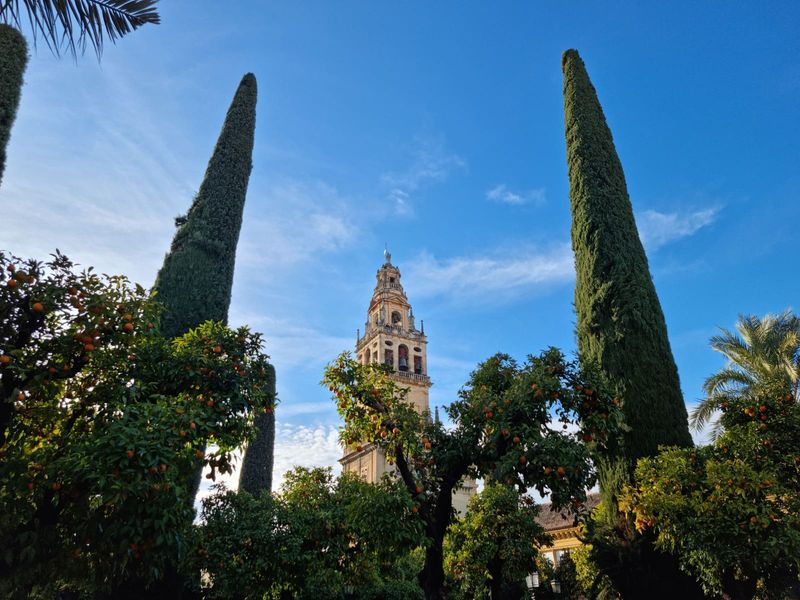
If the palazzos provide the historical anchor, the garden is the hotel's true distinction. At eleven acres, it ranks among the largest private green spaces in Florence, a city where outdoor space is fiercely guarded and rarely accessible to outsiders. The grounds were originally laid out in the sixteenth century and have been meticulously restored, with ancient specimen trees, rose beds, and a kitchen garden that supplies herbs and vegetables to the hotel's restaurants.
A swimming pool sits within this expanse, framed by hedges and stone statuary. It is one of the few hotel pools in central Florence, and its presence transforms the property from urban retreat to something closer to a country estate - albeit one within walking distance of the Duomo.
Michelin Recognition in the Kitchen
The hotel's restaurant holds a Michelin star, a distinction that reflects both technical precision and a commitment to Tuscan ingredients. The menu changes with the seasons, drawing on relationships with local farmers and foragers. In autumn, porcini mushrooms and chestnuts appear; in spring, asparagus and artichokes. The wine list tilts heavily towards regional producers - Chianti Classico, Brunello di Montalcino, Vernaccia di San Gimignano - though international bottles are available for those who prefer them.
The dining room itself occupies a frescoed hall within the palazzo, where the interplay of candlelight and Renaissance art creates an atmosphere that feels celebratory without tipping into formality. Service moves with the unhurried confidence of a team that knows its craft.
Positioning Within Florence's Luxury Landscape
Florence's hotel scene is crowded with historic properties, many of them clustered near the Arno or within sight of the city's signature monuments. What differentiates this property is the combination of space, garden access, and culinary ambition. Few competitors can offer all three within the same walls.
The location, too, strikes a balance. The hotel sits in a quieter residential quarter, far enough from the tourist choke points around Piazza della Signoria and the Uffizi to feel removed, yet close enough that a fifteen-minute walk delivers you to the heart of the action. For visitors seeking immersion in Florentine life without constant proximity to tour groups, the positioning proves ideal.
The Florentine Paradox
Florence presents a challenge for luxury hospitality. The city's artistic and architectural treasures draw millions of visitors each year, yet its medieval street plan and strict preservation laws limit the ability to build or expand. The result is a market where space itself becomes the ultimate luxury - more valuable, in many ways, than thread count or brand cachet.
Four Seasons Hotel Firenze navigates this paradox by offering what cannot easily be replicated: gardens that predate the hotel by centuries, architecture that tells a story independent of the hospitality brand, and culinary recognition that speaks to a commitment beyond mere accommodation. It is a retreat that acknowledges its context - Renaissance Florence, with all its beauty and its crowds - while providing a counterpoint to the intensity of the city outside its gates.
A Sanctuary That Earns Its Place
In a destination where every palazzo seems to house a museum or a luxury boutique, the question for any hotel is not whether it can occupy a historic building, but whether it can justify its presence. Four Seasons Hotel Firenze does so by treating its gardens not as amenity but as raison d'être, by maintaining culinary standards that merit independent recognition, and by understanding that in Florence, space and silence are the truest forms of luxury.
For the traveller who has visited the city before and seeks a different rhythm - one that allows for mornings spent reading beneath a magnolia tree and evenings that unfold without haste - this property offers a compelling answer. It is not simply a hotel in Florence. It is a reminder that even in a city saturated with history, there are still corners where past and present coexist without friction, where beauty does not demand a queue, and where the act of arrival feels less like checking in and more like stepping into a private world that has been waiting, quietly, for centuries.