A Chef's Intimate Portrait of Todos Santos
Chef Javier Plascencia opens the door to Baja California's most soulful coastal village, where the Pacific meets a community that still knows how to eat, gather, and live well.
A Village That Refuses to Hurry
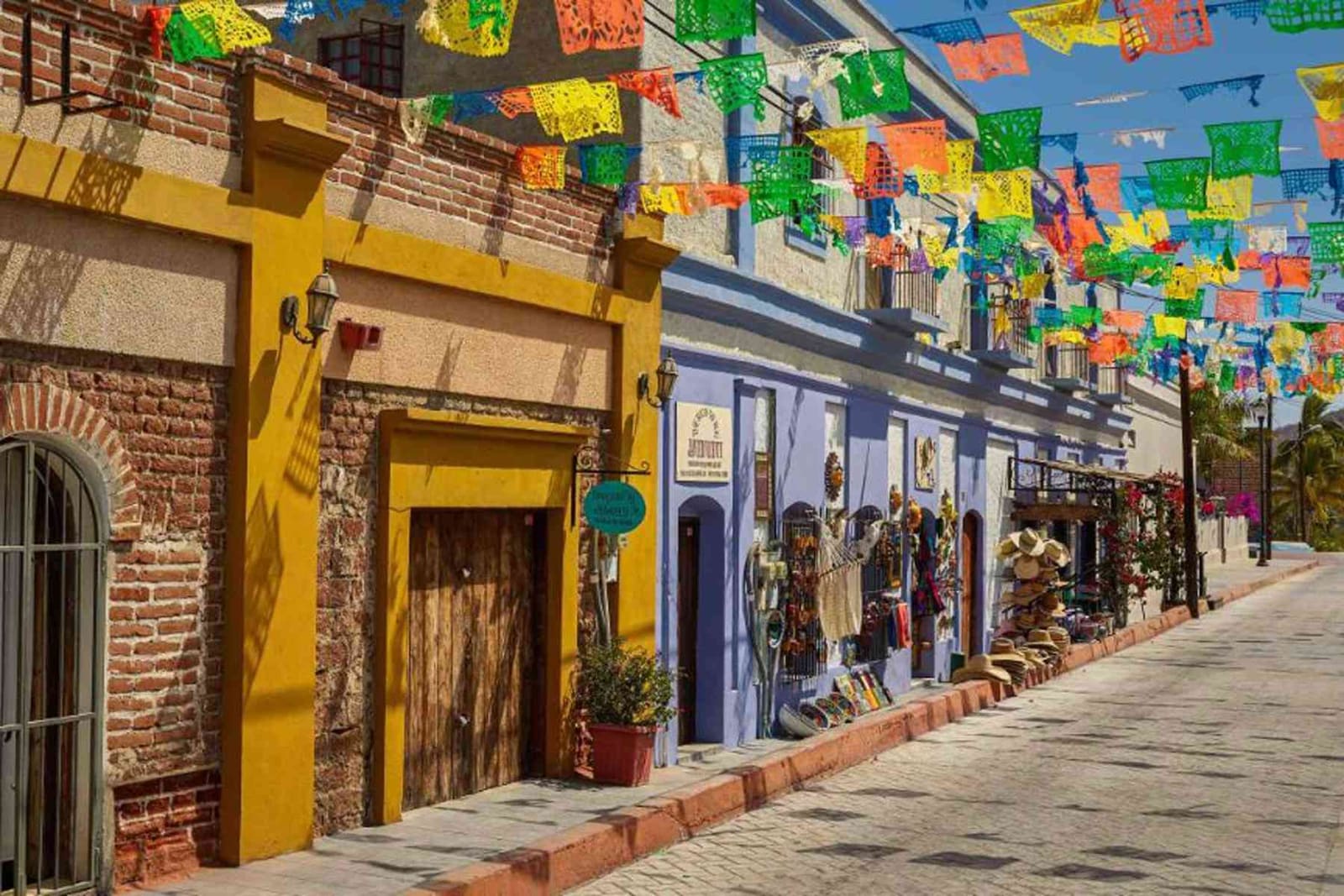
There's a particular quality of light in Todos Santos that photographers spend years trying to capture. It filters through the date palms at dusk, turns the colonial facades amber, and makes the Pacific look almost Mediterranean. Chef Javier Plascencia has watched this light for decades, and it has shaped the way he thinks about food, hospitality, and the delicate ecosystem of a place that tourism could easily overwhelm but hasn't, not yet.
At Global Chic Voyage, we've watched Baja California's culinary landscape evolve from a regional curiosity into one of Mexico's most dynamic food destinations, and Plascencia has been among its most thoughtful architects. His perspective on Todos Santos carries weight not because he's imposed his vision on the village, but because he's learned to listen to what it already offers: the rhythm of a fishing community, the agricultural traditions of the valley, the way a place can remain itself even as visitors arrive seeking exactly that authenticity.
The Restaurants That Anchor the Community
Plascencia's recommendations begin not with the newest openings but with the establishments that have earned their place through consistency and respect for ingredients. These are dining rooms where the menu shifts with the catch and the harvest, where relationships with farmers and fishermen dictate what appears on the plate.
The village's culinary identity rests on this foundation of proximity. Vegetables arrive from the valley still carrying the morning's coolness. Fish comes directly from the cooperative, chosen by chefs who know the boats and the families behind them. This isn't farm-to-table as marketing strategy; it's the only logic that makes sense in a place this small, this connected to its immediate surroundings.
What distinguishes the restaurants Plascencia values is their refusal to perform a version of Mexican cuisine designed for foreign expectations. The food here speaks in a regional dialect, inflected by the desert and the sea, by the agricultural calendar and the limitations that scarcity imposes. It's cooking that understands restraint as a virtue.
Where to Stay When Place Matters
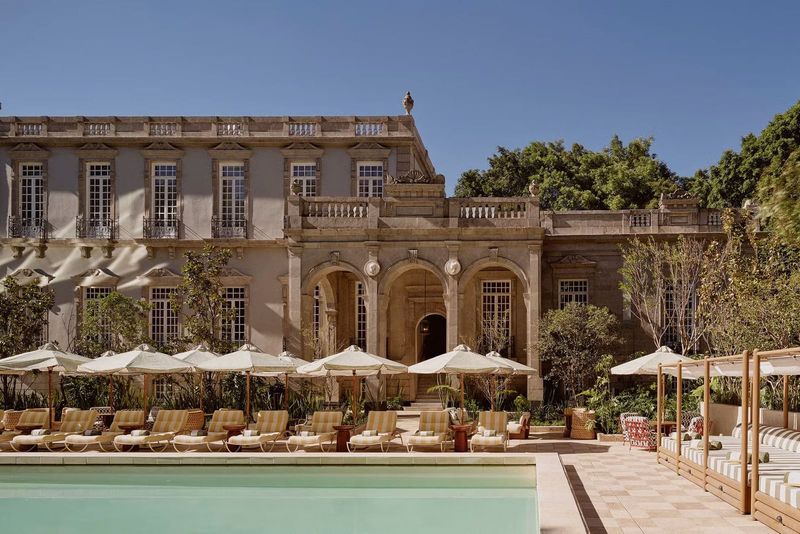
The hotels Plascencia points to share a similar philosophy. They occupy restored colonial buildings or low-slung structures that defer to the landscape rather than dominating it. Rooms open onto courtyards where bougainvillea climbs walls the color of clay. Pools are small, almost private, designed for contemplation rather than spectacle.
These properties understand that luxury in Todos Santos means something different than it does in Los Cabos, an hour south. Here, the absence of excess becomes the point. No towering resorts interrupt the sightlines to the ocean. No beachfront developments wall off the sand. The hotels that thrive are those that recognize their role as stewards of the village's character, not agents of its transformation.
Plascencia's choices reflect a bias toward properties run by people who live in Todos Santos year-round, who send their children to local schools and shop at the same markets as everyone else. This embeddedness shows in the details: the staff who know your name by the second day, the breakfast ingredients sourced from neighbors, the quiet assumption that you've come here to experience the village, not to be insulated from it.
The People Who Make a Place
But Plascencia's real guide to Todos Santos isn't a list of addresses. It's the network of relationships that animate the village, the web of producers, artists, fishermen, and restaurateurs who have chosen to build lives here despite the challenges of remoteness and the constant pressure of development.
These are the surfers who arrived in the 1970s and stayed to open galleries. The farming families who've worked the valley for generations and now supply the village's best kitchens. The hoteliers who could have built bigger, grander, more profitable but chose instead to preserve the scale and texture of the place that drew them here.
Plascencia's appreciation for Todos Santos is rooted in this human dimension. The village works because people have agreed, implicitly or explicitly, on what it should remain. There's a collective understanding that growth must be managed, that not every opportunity should be seized, that the things worth protecting are often the things that can't be quantified: the slowness, the neighborliness, the sense that you're in a place with its own priorities.
The View That Frames Everything
Geography has been generous to Todos Santos. The village sits where the Sierra de la Laguna mountains descend to meet the Pacific, creating microclimates that allow tropical fruit to grow alongside desert succulents. Fresh water from the mountains sustains agriculture in a region otherwise too arid to farm. The coastline offers world-class surf breaks without the crowds that have overtaken more accessible beaches.
These natural advantages have made Todos Santos viable as both a working village and a destination, but they've also made it vulnerable. The same beauty that attracts thoughtful visitors also attracts developers, investors, and the kind of tourism that consumes what it came to find. Plascencia's guide exists within this tension. He wants people to experience Todos Santos, but only if they're willing to experience it on its own terms.
The views he values aren't the ones from luxury villas perched on clifftops, though those exist. They're the sightlines from the plaza at sunset, the perspective from a fishing boat heading out before dawn, the angle from which you can see both mountains and ocean and understand how this particular conjunction of land and water has shaped a culture.
What Endures When Tourism Arrives
The question hanging over Todos Santos is the one facing coastal villages throughout Latin America: how to welcome visitors without becoming a place that exists solely for them. Plascencia's approach offers one answer. By championing businesses rooted in local supply chains, by celebrating the people and traditions that preceded tourism, by insisting that quality matters more than scale, he's modeling a version of hospitality that strengthens rather than erodes community.
This isn't naive nostalgia. Plascencia understands that Todos Santos must evolve to survive, that young people need opportunities beyond fishing and farming, that economic vitality requires connection to the wider world. But evolution doesn't demand erasure. The village can have excellent restaurants and comfortable hotels without sacrificing the agricultural land that feeds them or the fishing culture that defines the coast.
At Global Chic Voyage, we return to places like Todos Santos to measure how they're navigating this balance. The villages that succeed are those with advocates like Plascencia, people with enough influence to shape development and enough humility to recognize they're not the only stakeholders. His guide to Todos Santos is really a guide to preservation through participation, to loving a place well enough to protect it from the worst versions of what it might become.