Between Two Cities: Riding the Rails Through the Emirates
The new rail link from Dubai to Abu Dhabi replaces the familiar highway ritual with something quieter, faster, and unexpectedly revealing.
A New Perspective on an Old Route
For sixteen years, the journey between Dubai and Abu Dhabi has been a singular experience: windscreen, asphalt, the hum of tyres against Sheikh Zayed Road. The route is so ingrained in the rhythm of life here that it has become less a trip than a rite, a corridor of glass towers giving way to stretches of sand, the cityscape dissolving and reassembling an hour or two later depending on the whims of traffic. But on a Thursday morning in early October, that corridor gains an alternative.
Al Yalayis Station rises beside Jumeirah Golf Estates, all glass and geometry, its facade catching the low autumn light. Etihad Rail opened this station on 30 September 2026, the same day passenger services reached Al Dhaid in Sharjah, marking the second phase of a network that began with the Abu Dhabi-Fujairah route in June. By March 2027, according to Etihad Rail, all ten announced stations will be operational. The morning after the station's debut, the air still carries a trace of ceremony - passengers linger near the entrance, photographing the building, testing the newness of it all.
The Architecture of Arrival
The station itself feels less like a transport hub than a considered argument for what transit infrastructure might become when money and ambition converge. High ceilings stretch overhead, and the seating - actual armchairs rather than the utilitarian benches that populate most terminals - invites a different relationship with waiting. Arabic coffee is offered freely, a gesture that roots the experience in hospitality rather than mere logistics. For those holding Premium tickets, a dedicated lounge provides complimentary food and beverages; Comfort passengers have access to a Starbucks, Shot Neighbourhood Coffee, WHSmith, and a vending machine dispensing hot meals at modest prices. A McDonald's is slated to open soon.
A pedestrian bridge will eventually link the station directly to the Red Line of Dubai Metro, though for now, passengers arrive by car or taxi. Nol integration allows travellers to add a day pass for bus, tram, and metro services via QR code - a small but meaningful nod to the broader ambition of a truly interconnected transport system. Escalators, lifts, and staircases lead down to two platforms, all wide enough to accommodate the inevitable crowds.
The Economics of the Ticket
Purchasing a ticket at the station is straightforward. Touchscreens guide passengers through the process, with staff hovering nearby to assist. The system dispenses both a digital ticket and a physical copy, the latter printed on card stock - a detail that will appeal to those inclined to collect souvenirs from inaugural journeys. Prices, however, vary depending on where you buy. At the station, Comfort class begins at Dh60 (approximately $16), while Premium starts at Dh130 ($35). Online purchases are more forgiving: Dh39 for Comfort, Dh129 for Premium, according to Etihad Rail. The discrepancy is significant enough to reward advance planning.
What Speed Feels Like
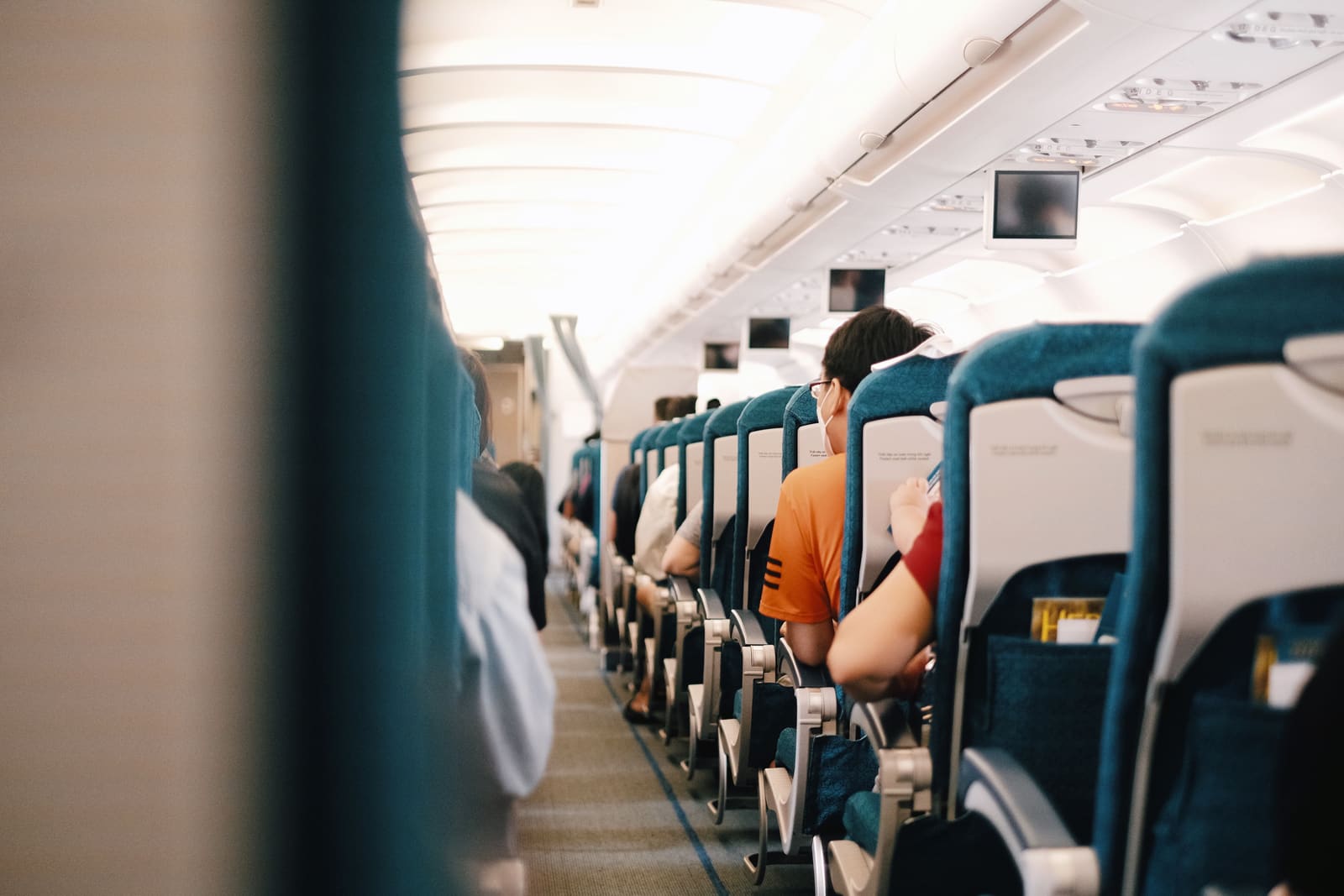
Boarding begins at Platform 2, where staff direct passengers to the correct carriages. The train itself is a study in polish - charging ports at every seat, foldable tables, window shutters, free Wi-Fi. The seats in Comfort class are cushioned and spacious; Premium seats recline, offering additional room. As the train eases away from the platform, attendants move through the carriages distributing Arabic coffee and chocolates, followed later by a snack box containing two shawarma sandwiches, a small cake, and bottled water. All of this is included in the fare.
The true revelation, though, is the karak - a spiced tea developed by Emirati chef Maitha Warshaw, intensely sweet and creamy, available on request in Comfort class. Sheikh Mohamed bin Zayed Al Nahyan reportedly praised it during the inaugural voyage, and it is easy to see why. The tea is rich enough to feel like a meal in itself, a liquid embodiment of the hospitality woven into every aspect of the journey.
The train averages 200 kilometres per hour, completing the trip in one hour and four minutes. This is not yet the high-speed service Etihad Rail envisions - that will come in the months ahead, cutting the journey to just 35 minutes - but it is already faster than the road, and infinitely more serene. The landscape visible through the windows offers a side of the Emirates rarely seen: industrial zones, farmland, stretches of arid desert. It is not the dramatic mountain scenery of the Fujairah route, but it has its own quiet interest, a reminder that much of this country exists beyond the postcard vistas.
Arrival in the Capital
Mohamed bin Zayed City announces itself gradually - residential blocks, the platform bustling with commuters. The station sits in the heart of the district, close to Dalma Mall and Mussaffah. For those heading deeper into Abu Dhabi, a Dh10 shuttle bus runs to ADNOC headquarters on Corniche Road West, the ADNEC Centre on Al Khaleej Al Arabi Street, and Reem Mall on Reem Island, according to Etihad Rail. It is not yet a seamless connection to every corner of the capital, but it is a beginning.
Stepping off the train and onto the platform, there is a curious sense of dislocation - the journey that once required focus and endurance now feels almost effortless, a passage marked by tea and sandwiches rather than lane changes and brake lights. For those who have spent years navigating Sheikh Zayed Road, the shift is profound. The train does not merely offer an alternative; it reframes the relationship between the two cities, collapsing distance and effort into something manageable, even pleasant.
What the Rails Reveal
What emerges from this first journey is not simply a story of infrastructure, but a glimpse of how movement shapes experience. The train strips away the friction of the road - the vigilance, the traffic, the hours spent gripping a steering wheel - and replaces it with a different kind of attention, one turned outward toward the landscape, or inward toward conversation, work, or rest. It is a small shift, but it accumulates. Over weeks and months, the cumulative hours reclaimed will matter.
For now, the service retains the sheen of novelty. Passengers photograph their tickets, their meals, the view from the window. But novelty fades, and what remains will be the structure itself: the daily rhythm of trains departing and arriving, the quiet efficiency of a journey that no longer demands anything beyond showing up. In a region built on ambition and spectacle, this is a different kind of achievement - one measured not in height or scale, but in the steady, unglamorous work of making life a little easier, a little more connected, one trip at a time.