When Marinas Become the Destination
A new generation of superyacht harbours is rewriting the rules of waterfront hospitality, swapping dry docks for spas and turning berths into social hubs.
The Harbour That Forgot the Boats
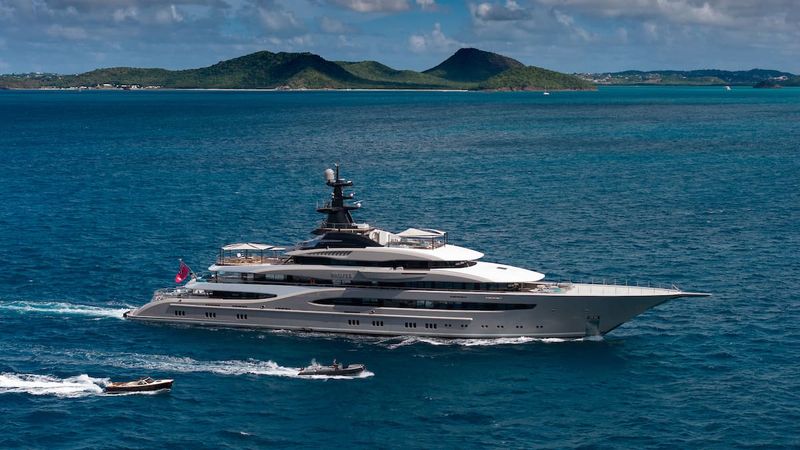
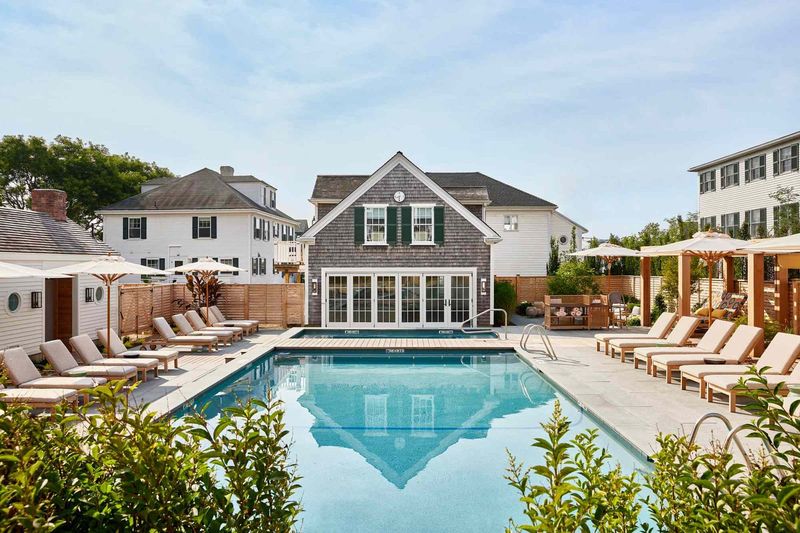
Stand on the planned promenade of Port Nimara in Anguilla and you will notice something absent: the apparatus of maritime repair. No dry dock, no maintenance yard, no chandlers stocking replacement winches and varnish. When the 118-berth marina opens in 2027, it will accommodate vessels stretching past 240 feet, but the infrastructure will serve the people aboard rather than the hulls beneath them. A five-star Equinox resort will anchor the complex, alongside branded ocean residences, the Beaufort Yacht Club, restaurants, and boutiques. According to SF Investments, the developer behind the project, the design philosophy centres on human desire rather than nautical necessity.
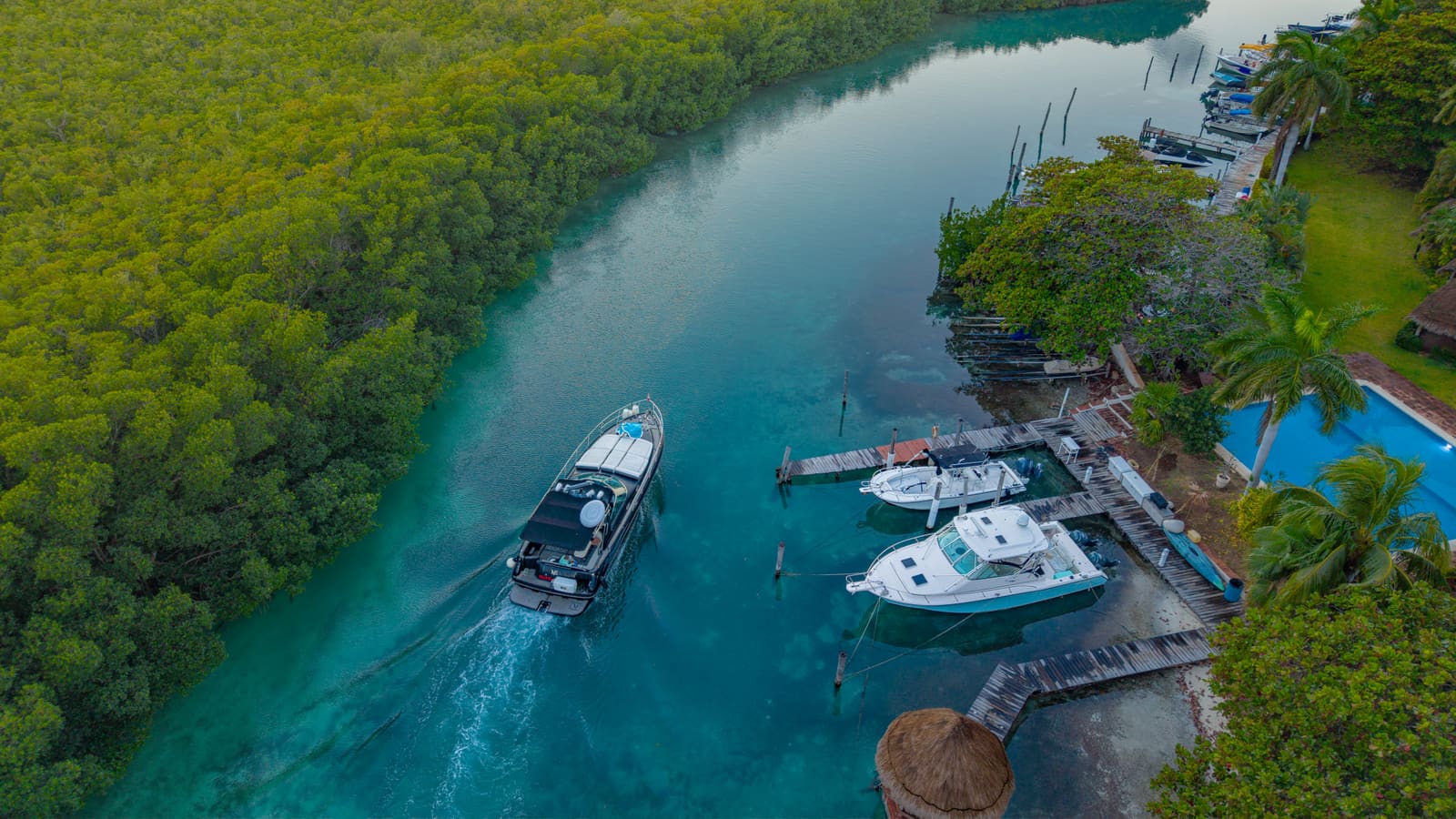
It is a telling inversion. For decades, marinas functioned as parking lots for boats, places to refuel, restock, and repair before the next passage. The waterfront was incidental, the amenities sparse. But that utilitarian model is dissolving. Across the Caribbean, the Mediterranean, and Southeast Asia, a new category of superyacht marina is emerging, one that treats the harbour not as a service station but as a destination worthy of extended stays and repeat visits.
Palma and the Public Promenade
Club de Mar-Mallorca in Palma offers a case study in transformation. A five-year redevelopment, costing more than 100 million US dollars, razed existing structures and replaced them with four buildings housing a gym, spa, luxury retail, and exclusive members' areas. The most significant gesture, however, was the introduction of pedestrian walkways that invite the public into formerly private grounds. The marina, once a gated enclave, now functions as an integrated part of the city's waterfront fabric.
The design acknowledges a shift in how yacht owners perceive their time ashore. Privacy remains valuable, but so does proximity to urban energy, cultural amenities, and social exchange. The marina becomes a bridge between the seclusion of open water and the vibrancy of the city, a hybrid space where both can coexist within a short walk.
Membership Without the Vessel
At One°15 Marina Sentosa Cove in Singapore, membership extends far beyond boat ownership. The marina hosts a large community, and a significant portion hold no vessel at all. Members access wellness zones, coworking spaces, group sailing excursions, and a year-round social calendar. Reciprocal arrangements with more than 220 other clubs globally expand the network further. The marina also claims Singapore's only floating bar, a detail that underscores the shift from function to experience.
This model reflects a broader trend: marinas are absorbing social functions traditionally held by yacht clubs. Where the club model once centred on exclusivity and lineage, the contemporary marina emphasises access and breadth. The distinction is subtle but consequential. Yacht clubs historically said "belong here"; the new marina says "participate here."
The Younger Client and the Evening Pivot
Charter brokers have observed a behavioural pattern among younger yacht owners. Days are spent anchored in secluded bays, swimming off the stern, reading in silence. But as evening approaches, the vessel moves into a marina, deliberately seeking the contrast of privacy by day and social energy by night. The marina becomes a venue for spontaneous encounters, curated events, and the theatre of arrival and departure.
This cohort values flexibility over tradition. They are less interested in membership rosters and more drawn to programming, design, and the quality of hospitality. The marina that can offer a seamless transition from solitude to socialisation, from wellness to nightlife, holds the advantage.
Architecture as Social Gesture
The architectural shift is equally pronounced. HKS, an architecture firm that has advised on projects including YCCS Costa Smeralda and Porto Montenegro, notes that the contemporary marina is designed to invite rather than exclude. Walkways, open plazas, and mixed-use buildings replace high walls and narrow gangways. The marina becomes legible from the street, its amenities visible and accessible.
This openness serves a dual purpose. It integrates the marina into the surrounding community, reducing the friction between locals and transient yacht owners. It also broadens the revenue base, allowing non-boat owners to dine, shop, and relax within the complex. The marina, in this sense, becomes a neighbourhood rather than a compound.
The Calculus of Amenity
The economics of this transformation are straightforward. Berth fees alone cannot sustain the level of investment required for world-class hospitality infrastructure. But when the marina functions as a resort, retail hub, and members' club, revenue streams multiply. Real estate sales, restaurant covers, spa bookings, and event hosting all contribute. The boat becomes one element within a larger ecosystem of luxury consumption.
This diversification also insulates the marina from the volatility of the superyacht market. When charter bookings decline or ownership consolidates, the marina can still draw members and visitors through its non-maritime offerings. The harbour becomes less dependent on the boats themselves and more reliant on the lifestyle those boats represent.
What Comes Next
The trajectory suggests that future marinas will continue to blur the line between harbour and resort, between nautical service and terrestrial luxury. Wellness facilities, cultural programming, and design-forward architecture will become standard rather than exceptional. The question is not whether marinas will evolve but how quickly the rest of the industry will adapt.
For the yacht owner, this shift offers a more textured experience ashore. For the marina, it offers financial resilience and broader relevance. And for the city, it offers a reimagined waterfront, one that invites engagement rather than enforcing distance. The harbour, once a margin, is moving to the centre.