What a Six-Time Tony Winner Packs When She Travels the World
Broadway legend Audra McDonald's globe-trotting life reveals the intimate rituals that sustain a voice across continents - and why one island nation left her speechless.
The Practicalities of a Touring Voice
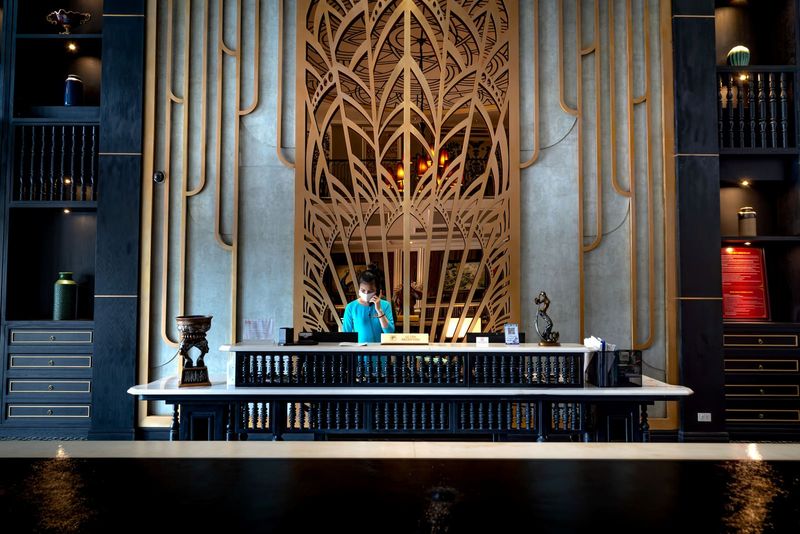
When you earn your living with your voice, hotel rooms become more than places to sleep. They transform into small laboratories of environmental control, spaces where humidity, air quality, and even the mundane presence of dental care products signal whether an establishment understands the body as an instrument. For a performer whose calendar spans hemispheres and whose vocal cords must remain resilient through sixteen-hour flights and rapid climate shifts, the difference between a thoughtful property and a merely luxurious one often comes down to details most guests never notice.
Audra McDonald, who has collected more Tony Awards than any other actor in history, keeps her requirements straightforward. A humidifier travels in her luggage - non-negotiable in climates where heating systems turn guest rooms into deserts. But she also watches for the small courtesies that suggest a hotel thinks beyond thread count: complimentary toothbrush and toothpaste in the bathroom, for instance. Not because she forgets to pack her own, but because their presence tends to correlate with a broader attentiveness to guest needs. Properties that remember the small things, in her experience, rarely overlook the larger ones.
This attention to environmental detail extends beyond professional necessity. It reflects a traveller who has learned, through decades of touring, that comfort on the road depends less on opulence than on thoughtfulness - and that the most memorable journeys often unfold far from the stages and recording studios that occupy her working hours.
An Antipodean Revelation
Some destinations announce themselves through iconic images: a harbour bridge, a particular quality of light, a mountain range reproduced on ten thousand postcards. Others require presence to be understood. New Zealand belongs to the second category. McDonald's voice shifts when she recalls the three and a half weeks she spent traversing both islands with her husband, bass-baritone Will Swenson, and their two daughters. The trip followed a contracted engagement - a Playbill cruise to Tahiti - and preceded an Australian tour, a rare pocket of unstructured time in a calendar typically mapped years in advance.
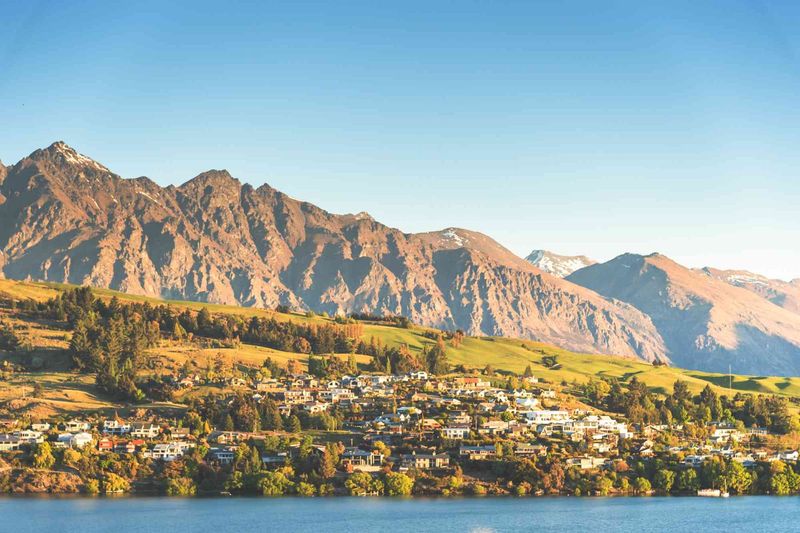
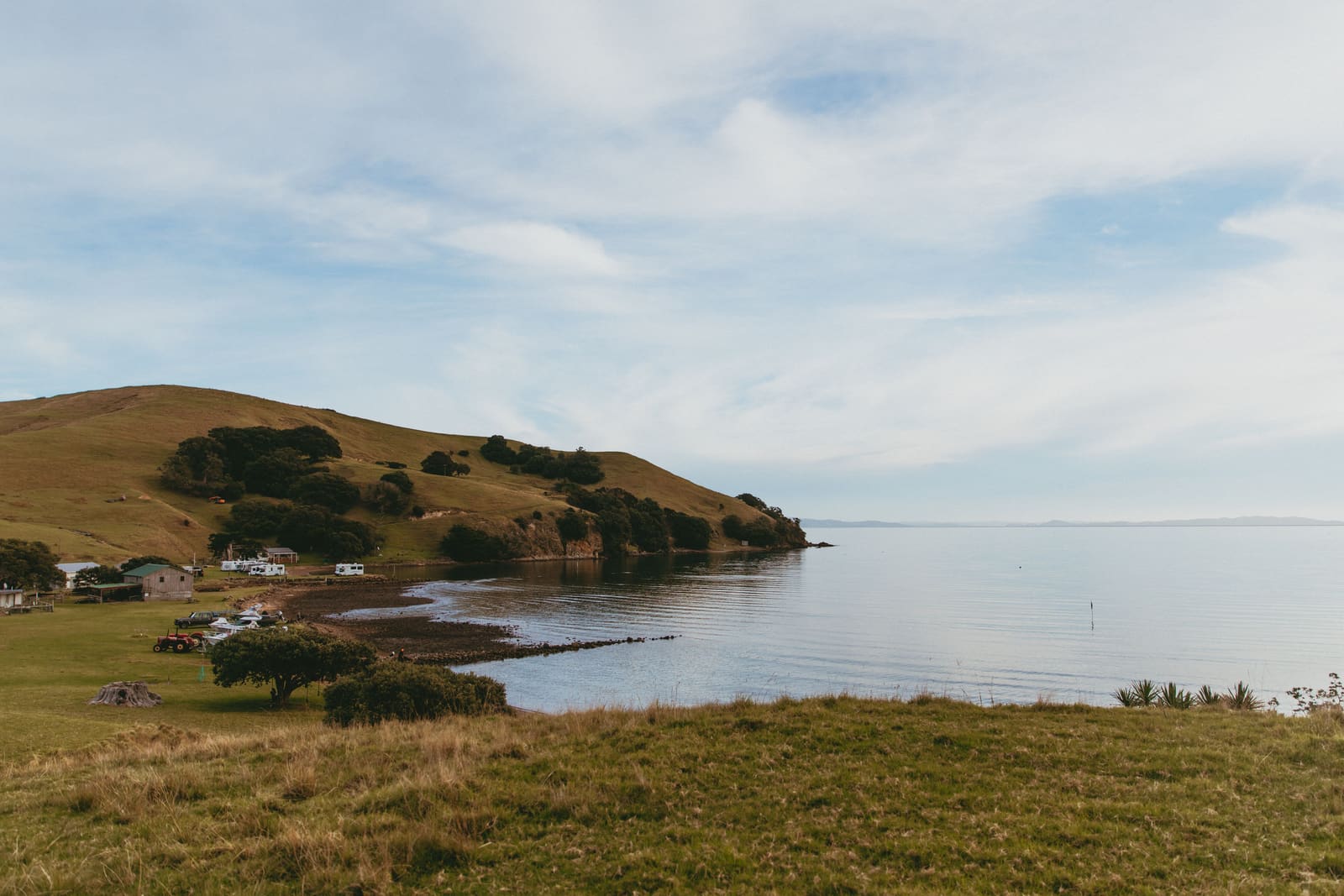
They drove. Not the cursory drive between airports and city centres that characterises most professional travel, but the kind of unhurried navigation that allows topography to reveal itself in layers. The North Island's geothermal activity around Rotorua, where the earth exhales steam and the air carries sulphur. Hahei Beach on the Coromandel Peninsula, where white sand meets water so clear it seems digitally enhanced until you wade in. Queenstown on the South Island, cradled by mountains that change character with the hour. The Southern Alps, Christchurch rebuilding itself with quiet determination, Wellington's harbour spreading below Mount Victoria.
What moved McDonald most profoundly, though, was not the landscape alone but the texture of encounter. The willingness of strangers to share knowledge without performativity. The absence of that transactional energy that permeates tourist hubs elsewhere. One day they joined a mailboat run, travelling with a local carrier to deliver post to properties accessible only by water - a glimpse into the practical rhythms that sustain remote communities, the kind of experience no concierge can arrange because it exists outside the tourism economy entirely.
She also made the pilgrimage to Hobbiton, the preserved film set from Peter Jackson's adaptations, where rolling green hills and circular doors offer the peculiar pleasure of stepping into a fictional geography made tangible. For a family that moves through imagined worlds professionally - McDonald's career spans opera, musical theatre, television, and audiobook narration - the blurring of fantasy and landscape held particular resonance.
The emotional weight of that journey, she admits, catches her off guard even now. It was not a trip defined by luxury properties or Michelin-starred meals, though both were present. It was defined by the accumulation of moments when a place exceeded expectation not through spectacle but through sustained beauty and human decency. She wants to return. The statement is simple, but for someone whose travel is dictated largely by contracts and production schedules, it carries the weight of intention.
The Portuguese Countryside Before the Crowds
Years before New Zealand, McDonald and Swenson began visiting Portugal with a frequency that eventually led them to purchase a small farm there. Their early trips predated the country's current status as a European hotspot, when Lisbon's tiled facades and Porto's riverside Ribeira district were still discoveries rather than Instagram templates.
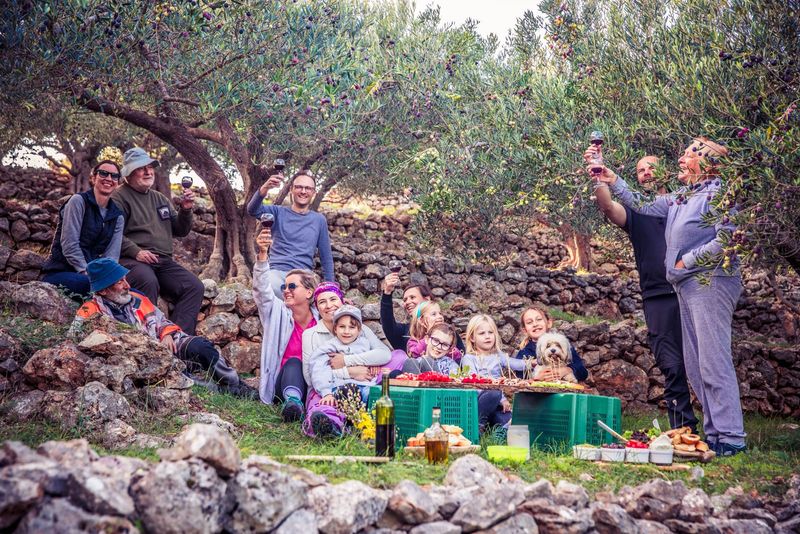
But their affection centres less on the cities - though they return to Porto regularly - than on the rural topography that stretches between them. The hills that fold into one another in shades of ochre and olive. Villages where stone houses cluster around fountains and the local economy still orbits agriculture rather than tourism. Wine country where, in those earlier years, exceptional bottles could be found for three euros, a pricing structure that has since adjusted to reflect international demand.
Owning property there has shifted their relationship to the country from visitors to part-time residents, a distinction that allows deeper immersion into seasonal rhythms and local networks. It also reflects a broader travel philosophy: the desire not merely to see a place but to return to it, to know it across different lights and weathers, to move beyond the performative relationship that defines most celebrity travel.
Recognition in Unlikely Corners
Fame, for McDonald, operates unevenly across geography. In New York, Los Angeles, or London, recognition is routine. But its appearance in unexpected contexts still surprises her. Recently, while living in South Melbourne during an extended Australian engagement, she wandered into a neighbourhood bookshop near her daughter's school - a weekday errand, anonymous in intent.
A customer approached. Not to reference Porgy and Bess or Ragtime or any of the roles that earned her those six Tonys. Not even to mention her television work. Instead, the woman wanted to thank her for narrating Emily Wilson's translation of The Iliad, a thirty-plus-hour audiobook project that McDonald describes as the most demanding work she has ever undertaken. The recognition delighted her precisely because of its specificity. Someone had spent hours listening to her voice render Homeric Greek into contemporary English, had absorbed that labour, and wanted to acknowledge it halfway around the world.
The encounter speaks to the strange intimacy of audiobook narration, a medium where the listener's relationship to the performer's voice is prolonged and solitary, more akin to reading than to watching a performance. It also reveals the unpredictable pathways by which art travels - how a recording made in a New York studio can surface in a Melbourne bookshop, carried by a reader's gratitude.
The Journey Not Yet Taken
McDonald's future travel ambitions point towards Africa, a continent she has visited only once, briefly, for performances in Cairo. Her next planned journey carries both personal and historical weight: Ghana, to trace the origins of the African diaspora; Kenya, for safari; and a trek to observe mountain gorillas in their remaining habitat, likely in Rwanda or Uganda.
She intends to wait until her younger daughter reaches thirteen, an age she considers appropriate for the emotional and physical demands of such a trip. This is not tourism as leisure but as reckoning - a deliberate engagement with heritage, ecology, and the complexity of returning to a place one's ancestors were forced to leave.
The planning reflects a shift in how many travellers of African descent approach the continent: not as a single entity to be checked off a list, but as a collection of distinct nations and ecosystems, each requiring its own attention. Ghana's Door of No Return, Kenya's conservancies, the Virunga Mountains' fragile gorilla populations - these are not interchangeable experiences. They demand time, preparation, and a willingness to sit with difficult histories alongside extraordinary beauty.
What Sustains a Life in Motion
The through-line in McDonald's travel is not luxury, though her career grants access to it. It is curiosity tempered by pragmatism. The humidifier that protects her instrument. The toothbrush that signals a hotel's attention to detail. The willingness to drive New Zealand's winding roads for hours to reach a beach or a mountain pass. The decision to buy a farm in Portugal rather than simply visit. The intention to wait years for the right moment to travel to Africa with her daughter.
These choices sketch a portrait of someone who has learned that the most meaningful travel resists the itinerary's tyranny. That sometimes the best journeys emerge from the margins of professional obligation - the three and a half weeks between a cruise contract and a tour's first night. That a place can move you to tears not through a single iconic vista but through the accumulation of small perfections: light on water, a stranger's kindness, a mailboat's unhurried route through a harbour.
For performers, travel is often reduced to the functional: the flight, the hotel, the venue, the flight home. McDonald's approach suggests another possibility - that even a life spent in motion can cultivate rootedness, that curiosity remains the most durable form of luxury, and that the best souvenirs are not objects but the decision to return.