The Quiet Seduction of a Townhouse Hotel in the Heart of Lisbon
Inside Valverde, where velvet chairs, geometric carpets, and a hidden courtyard garden offer refuge from the city's relentless buzz.
A Courtyard Bathed in Filtered Light
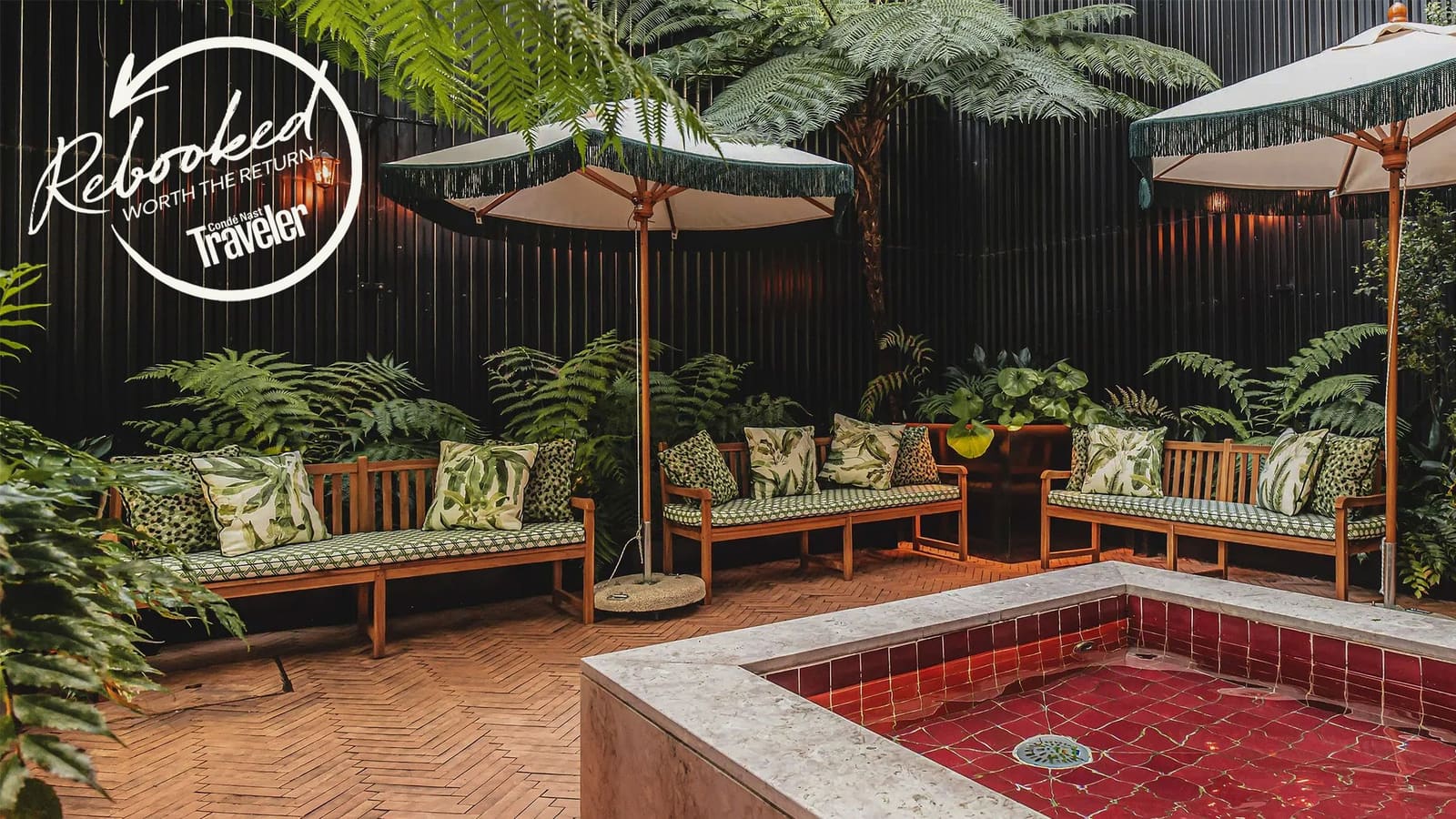
There is a particular quality to the light that falls through the trees into Valverde's interior courtyard, a dappled softness that makes everything feel slower. Breakfast here stretches into mid-morning without apology. The porcelain clinks gently against marble tabletops; the air smells faintly of espresso and jasmine. This is not the Lisbon of tuk-tuks and selfie sticks, though you are only steps from Avenida da Liberdade, the city's grand boulevard lined with luxury boutiques and sycamore trees. This is the Lisbon you hoped existed when you first imagined the trip: elegant, unhurried, and quietly confident.
At Global Chic Voyage, we have watched Lisbon transform over the past decade from a whispered secret among European weekenders into a full-throated phenomenon. The city's rise brought inevitable growing pains, chief among them the loss of tranquility. Finding a hotel that balances central location with genuine serenity has become a rare feat. Valverde Lisboa Hotel & Garden, a 48-room property tucked into a pair of connected townhouses, manages that equilibrium with a deftness that feels almost subversive.
The Architecture of Intimacy
Valverde opened in 2014 with just two dozen rooms, a modest footprint that allowed for a level of curation rarely seen in urban hotels. The interiors were composed like a series of salon paintings: velvet upholstery in jewel tones, midcentury furniture with clean lines, carpets patterned in bold geometrics, and small sculptural objects, porcelain birds and ceramic vessels, arranged on antique tables. The effect was layered without feeling cluttered, each room offering visual intrigue that rewarded a slower gaze.
The hotel expanded in 2021, doubling its size by incorporating an adjacent building. The two structures now embrace the central courtyard, which serves as the property's literal and figurative heart. That expansion could have diluted the intimacy, but the design philosophy remained consistent. New rooms echo the original aesthetic, though some now include small balconies overlooking the tree-lined avenue. The interiors still play with light in a way that borders on theatrical, keeping spaces just dim enough to feel enveloping, a choice that lends the entire property a sense of hushed glamour.
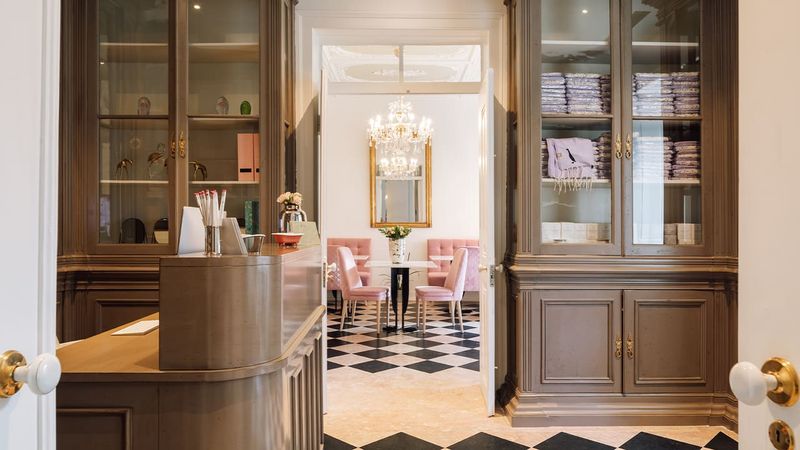
The front salon remains one of the most compelling spaces. Striped walls meet warm wood paneling; vintage chairs cluster around marble-topped tables. It is the kind of room that invites you to sit with a book and a glass of wine, to linger without purpose. In an age when hotel lobbies often feel like co-working spaces, this commitment to atmosphere over utility feels almost radical.
The Rituals of a Smaller Hotel
Service at Valverde operates on a register that is neither stiff nor overly familiar. The staff moves with a quiet attentiveness, anticipating needs without hovering. This is hospitality as choreography, subtle and well-rehearsed. The clientele skews toward affluent couples, design-conscious solo travelers, and the occasional business executive seeking refuge from the city's more corporate offerings. You will not find bachelorette parties or tour groups here; the energy is decidedly low-key.
Breakfast unfolds in the basement-level dining area, which opens onto the courtyard. The spread is generous but not overwhelming: fresh pastries, local cheeses, seasonal fruit, strong coffee. Guests tend to linger, claiming tables beneath the trees and watching the morning light shift across the stone. It is the sort of ritual that makes checking out feel like a minor betrayal.
The hotel now includes Bougain Restaurant & Garden Bar, a more formal dining space introduced during the expansion. The menu leans Mediterranean, executed with polish and a certain glamour. At lunch, the room fills with well-dressed locals conducting business over wine and grilled fish. It is a different energy than the rest of the hotel, more animated, but it speaks to Valverde's quiet integration into the neighborhood fabric.
Location as Luxury
Valverde sits on Avenida da Liberdade, Lisbon's answer to the Champs-Élysées, a broad boulevard that runs from the Marquês de Pombal roundabout down to Restauradores. The avenue is lined with high-end boutiques, Loewe and Prada among them, and shaded by mature trees that offer relief from the Iberian sun. It is a five-minute walk to Rossio, the city's historic main square, and just as close to Príncipe Real, the neighborhood favored by Lisbon's creative class.
What makes the location particularly valuable is its restraint. Unlike Santos or Bairro Alto, districts that pulse with nightlife, Avenida da Liberdade quiets as evening falls. The bars and clubs that do exist here, like Red Frog across the street, cater to a more subdued crowd. This is not a neighborhood where you will be kept awake by revelers at three in the morning. For travelers seeking a central base without the attendant chaos, the trade-off is ideal.
The nearby shopping is excellent if that is your inclination. JNcQUOI Avenida, one of the city's more theatrical dining experiences, is a short stroll away. But the real pleasure of staying here is the ease with which you can retreat. After a day spent navigating Alfama's cobblestones or queuing for pastéis de nata in Belém, the prospect of returning to Valverde's dim, velvet-draped salon feels like a small mercy.
The Test of Crisis
A hotel reveals its character not in moments of ease but in moments of strain. In April 2025, a massive blackout swept across the Iberian Peninsula, leaving Portugal without power for hours. For travelers, the situation was disorienting, Wi-Fi disappeared, air conditioning cut out, and the usual rhythms of modern hospitality ground to a halt.
At Valverde, the staff responded with a composure that bordered on grace. Battery-powered flashlights were distributed to guest rooms. Updates were shared calmly and without drama. When it became clear that power would not return in time for dinner, the team organized an impromptu buffet, priced reasonably, so guests would not need to navigate the darkened city in search of a meal. It was the kind of quiet competence that cannot be scripted, a reminder that luxury is often less about thread count and more about the human capacity to solve problems with elegance.
The blackout also underscored one of Valverde's quieter virtues: its courtyard garden. Without electricity, the space became a natural gathering point. Guests lounged by the small pool, reading by fading daylight, napping in the shade. The water feature, a modest fountain, provided a soothing soundtrack. In a moment when the modern world had briefly failed, the hotel's design, rooted in older, slower pleasures, proved remarkably resilient.
The Substance Beneath the Surface
It would be easy to dismiss Valverde as simply a pretty hotel, and it is undeniably that. The interiors are impeccably styled, the kind of spaces that photograph beautifully and inspire immediate covetousness. But surface appeal alone does not explain the loyalty the property inspires. What keeps travelers returning, sometimes a dozen times over as many years, is the consistency of experience.
Lisbon now offers no shortage of design-forward accommodations. The city's hotel landscape has matured dramatically since 2014, with openings that range from minimalist conversions of historic buildings to maximalist statements in emerging neighborhoods. Many deliver on aesthetics; fewer deliver on the quieter promises of comfort and ease. Valverde does both, and it does so without veering into self-importance.
The hotel understands that luxury, particularly in a city as vibrant and occasionally overwhelming as Lisbon, is often synonymous with respite. It offers not just a beautiful room but a genuine retreat, a place where you can close the door on the city's noise and sink into something softer. That is not a small thing, especially as urban destinations become ever more saturated with tourists and the infrastructure strains under the weight of their enthusiasm.
Why This Matters Now
As travel continues its post-pandemic rebound, the conversation around what makes a hotel worth returning to has shifted. Travelers, particularly those seeking more than a transactional exchange of money for bed, are gravitating toward properties that offer a coherent point of view. They want interiors that feel intentional, service that feels human, and locations that balance access with tranquility.
Valverde exemplifies that shift. It is not chasing trends or attempting to be all things to all guests. It has carved out a specific niche, design-conscious travelers who value intimacy and atmosphere, and it serves that audience with remarkable consistency. In a hospitality landscape increasingly dominated by large chains and algorithm-driven booking platforms, that kind of specificity feels both rare and necessary.
The hotel also offers a model for how expansion can be handled thoughtfully. Doubling in size could have diluted what made Valverde special in the first place, but the careful integration of the second building preserved the original character. The courtyard, rather than being overshadowed, became more central. The design language remained consistent. It is a reminder that growth and intimacy need not be opposing forces if the underlying vision is strong enough.
For Lisbon itself, Valverde represents a particular chapter in the city's evolution. It arrived at a moment when the destination was just beginning to capture international attention, and it offered a vision of Portuguese hospitality that felt both contemporary and rooted in place. As the city continues to navigate the complexities of overtourism and rapid development, hotels like Valverde serve as anchors, spaces that honor the qualities that drew travelers to Lisbon in the first place: beauty, warmth, and a certain unhurried elegance.
The Pleasure of Return
There is a specific comfort in returning to a hotel you know well, a familiarity that allows you to settle in more quickly, to skip the adjustment period that often accompanies the first night in a new place. At Valverde, that comfort is deepened by the sense that the hotel itself has not changed in any fundamental way. The staff may turn over, the menu may evolve, but the essential character remains intact.
The courtyard still offers that filtered light. The front salon still invites lingering. The rooms still wrap you in that carefully calibrated dimness. These consistencies matter, particularly for travelers who spend much of their time navigating the unfamiliar. A hotel that delivers the same pleasures visit after visit becomes a kind of anchor, a known quantity in an ever-shifting landscape.
Valverde has also benefited from its relative discretion. It does not court influencers or chase viral moments, though its aesthetic certainly merits both. The property maintains a low profile, content to serve its returning guests and the occasional newcomer who stumbles upon it through word of mouth or a well-placed recommendation. In an industry increasingly driven by social media visibility, that restraint feels almost countercultural.
The hotel's longevity, now over a decade, also speaks to its resilience. Lisbon's hospitality scene has become fiercely competitive, with new openings arriving at a relentless pace. Valverde has weathered that competition not by reinventing itself but by staying true to its original vision. It is a lesson in the value of clarity, of understanding what you do well and doing it consistently.
For travelers seeking a Lisbon base that prioritizes design, tranquility, and genuine warmth, Valverde remains a compelling choice. It is not the largest hotel, nor the flashiest, but it may well be the one you find yourself returning to long after the novelty of discovery has faded. And in a city as dynamic and beautiful as Lisbon, that kind of loyalty is perhaps the highest compliment a property can earn.