AmaNubia Brings a New Standard to Nile River Voyages
AmaWaterways unveils a 236-foot river ship designed to redefine luxury cruising on one of the world's most storied waterways
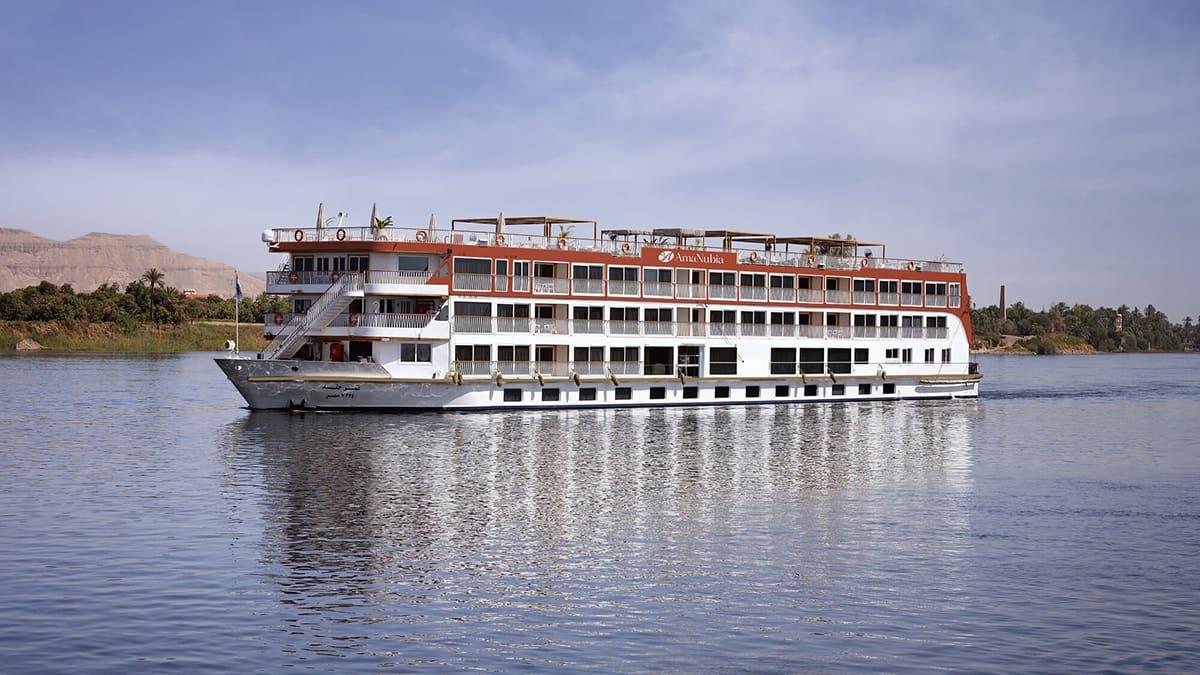
A New Chapter on Ancient Waters
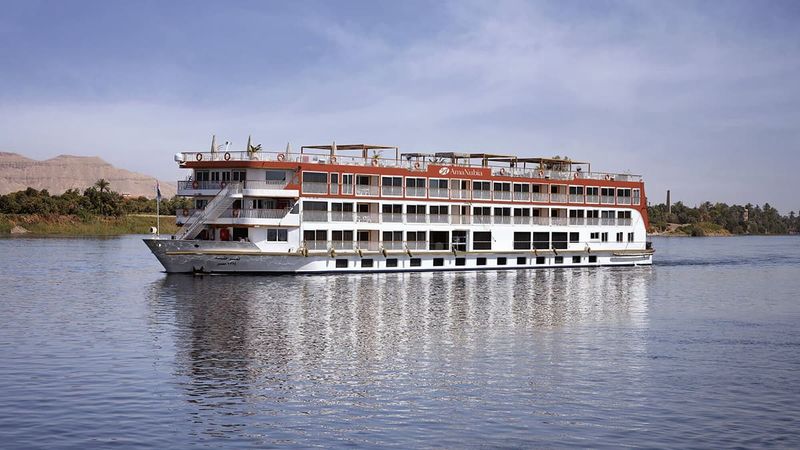
Picture the Nile at dusk, when the light turns the color of honey and the river becomes a ribbon of liquid gold threading through millennia of history. For travelers who have dreamed of experiencing this waterway in something beyond the expected, that vision now has a vessel to match its ambition. AmaWaterways has introduced AmaNubia, a 236-foot river ship that will begin sailing the Nile this November, and from what we've seen, it represents a departure from the standard approach to Egyptian river cruising.
At Global Chic Voyage, we've watched river travel evolve over the past decade, particularly in regions where tourism infrastructure has long leaned toward volume over refinement. The Nile has been no exception. While Europe's Rhine and Danube have seen steady investment in boutique river ships with thoughtful design and elevated amenities, Egypt's riverine offerings have remained largely utilitarian, catering to tour groups more interested in temple itineraries than onboard experience. AmaNubia suggests that calculation may be shifting.
Design That Honors Context
The vessel's interiors reflect a restrained interpretation of Egyptian motifs, avoiding the heavy-handed Pharaonic pastiche that has plagued so many hotels and ships in the region. The lobby, as revealed in renderings, employs warm neutrals, geometric patterns that echo traditional mashrabiya screens, and stone surfaces that feel grounded rather than ornamental. It's an aesthetic that nods to place without becoming a costume.
The owner's suite occupies a generous footprint and includes floor-to-ceiling windows that frame the passing landscape, a private terrace, and a separate living area outfitted in contemporary furnishings with subtle nods to local craft traditions. The suite's design philosophy appears to prioritize the view over distraction, a choice that speaks to confidence in the destination itself.
Other accommodations follow a similar logic. Staterooms are configured to maximize river views, with French balconies that allow the Nile to become part of the room's atmosphere rather than a distant backdrop. The color palette leans toward sand, terracotta, and deep blue, echoes of the desert and sky that define this region's visual identity.
Dining as Cultural Translation
The Chef's Table represents the ship's most ambitious culinary space, a venue designed for intimate, multi-course experiences that blend European technique with Egyptian ingredients. We've long argued that luxury travel's most meaningful moments occur when place and palate intersect, when a dish becomes a form of storytelling. The Chef's Table, with its open kitchen and curated wine pairings, positions itself as that kind of space.
Beyond the Chef's Table, the main dining room promises a menu that draws from both Mediterranean and Middle Eastern traditions, a logical approach given Egypt's position at the crossroads of Africa, Asia, and Europe. Whether the kitchen can deliver on that promise remains to be seen, but the intent is clear: this is not a ship where dining is an afterthought, a placeholder between temple visits.
Outdoor Spaces That Acknowledge Climate
The sundeck and pool club may be AmaNubia's most critical design decisions. Egypt's climate demands outdoor amenities that function beyond mere decoration, and the ship's upper deck has been conceived as a genuine retreat. The pool itself is modest in scale but thoughtfully integrated, surrounded by loungers and shaded areas that allow guests to engage with the heat rather than simply endure it.
The sundeck bar extends this logic, offering a vantage point for watching the landscape unfold while remaining protected from the intensity of midday sun. In a region where temperatures routinely exceed 100 degrees Fahrenheit during peak season, these considerations are not luxuries but necessities. The design acknowledges that comfort on the Nile requires more than air conditioning and good intentions.
What This Signals for River Cruising
AmaNubia's arrival reflects broader trends we've been tracking across the luxury travel sector. Travelers increasingly expect vessels that function as destinations in their own right, not merely transportation between sites. The ship's emphasis on design, dining, and outdoor spaces suggests AmaWaterways understands this shift and is willing to invest accordingly.
It also signals growing confidence in Egypt as a luxury travel market. For years, the country's tourism industry has been buffeted by political instability, security concerns, and infrastructure challenges. The decision to launch a high-end river ship here, with amenities that rival anything on European waterways, indicates a belief that demand exists for elevated experiences on the Nile, that travelers are ready to return to Egypt with expectations shaped by the broader luxury hospitality landscape.
This is not to say AmaNubia operates in isolation. Other operators have begun upgrading their Nile fleets, and several boutique properties along the river have opened or undergone renovations in recent years. But a 236-foot purpose-built vessel from a respected river cruise line carries different weight. It suggests momentum, a market reaching critical mass.
The Itinerary Question
Of course, hardware alone does not define a journey. The real test of any Nile cruise lies in how it navigates the tension between access and authenticity, between delivering the iconic sites travelers expect and offering perspectives that transcend the guidebook. AmaNubia will sail itineraries that include the Valley of the Kings, Karnak, Philae, and other essential stops, but the differentiator will be in execution: the quality of guides, the timing of visits to avoid crowds, the willingness to incorporate lesser-known sites and cultural encounters.
We've seen too many river cruises, on the Nile and elsewhere, that treat destinations as checkboxes, that prioritize efficiency over engagement. The ship's design suggests a different philosophy, one that values lingering, that builds in time and space for reflection. Whether the itineraries honor that philosophy will determine if AmaNubia succeeds in redefining Nile cruising or simply raises the thread count.
A Vessel for a Changing Landscape
As AmaNubia prepares for its November debut, it enters a landscape where travelers are reassessing what they want from Egypt. The days of purely archaeological tourism, of treating the country as an open-air museum, are giving way to a more nuanced approach, one that seeks contemporary culture alongside ancient history, that values comfort and design as much as itinerary density.
This ship, with its considered interiors and commitment to elevated hospitality, positions itself for that evolving traveler. It offers a way to experience the Nile that does not require compromise, that allows the journey to be as compelling as the destination. Whether it delivers on that promise will depend on countless details yet to unfold, but the ambition is evident. For those who have been waiting for a reason to return to Egypt, or to visit for the first time with expectations intact, AmaNubia may provide the answer they've been seeking.