
Amanjiwo Welcomes 2027 with Memayu Hayuning Jiwa, a New Year's Eve Inspired by Javanese Tradition
A two-day celebration at the foot of Borobudur, built on five elemental principles and the rituals of Central Java.
Global Chic Voyage
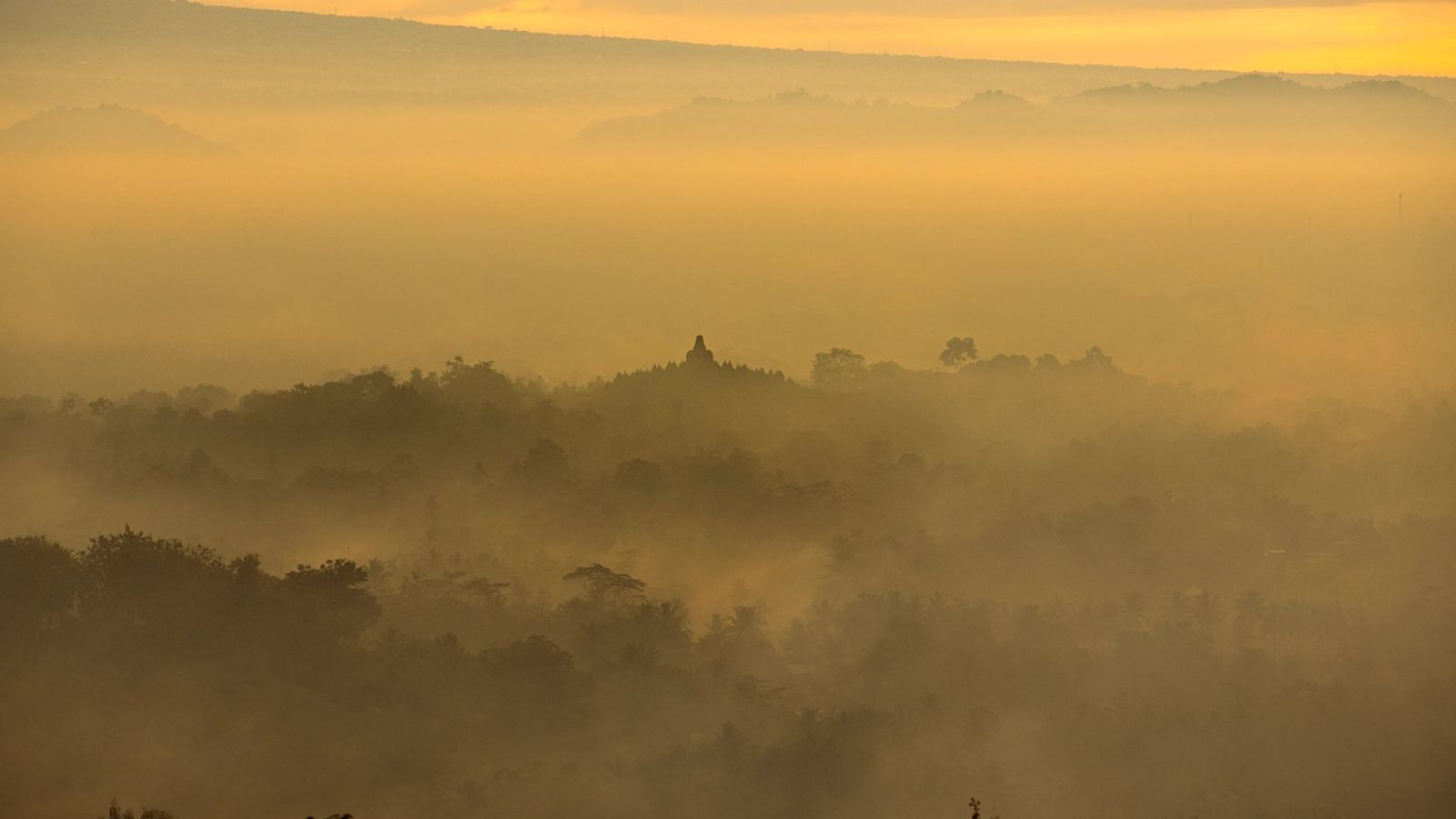
This festive season, Amanjiwo invites guests to mark the turn of the year through one of Java's most enduring philosophies. Memayu Hayuning Jiwa, meaning 'Towards a Harmonious Soul', gives its name to a two-day celebration beginning on 31 December that honours the close relationship between self, community and the natural world, inviting guests to welcome the New Year with renewed intention.
Named 'Peaceful Soul' for the serenity of its setting in Central Java's cultural heartland, Amanjiwo overlooks Borobudur, the 8th-century UNESCO World Heritage Site and the world's largest Buddhist temple. For generations, moments of transition in the region were marked through ritual rather than spectacle. Amanjiwo's year-end programme follows that tradition, offering a meaningful alternative to contemporary celebrations. Guided by local wisdom and timeless rituals, the experience encourages reflection on the year passed, gratitude for the experiences that have shaped us and space to embrace what lies ahead.

The five principles
At the heart of Memayu Hayuning Jiwa are five elemental principles drawn from Javanese philosophy: pertiwi (earth), apah (water), bayu (air), teja (fire) and akasa (space). Each speaks to a different dimension of our relationship with ourselves and the world around us. Pertiwi grounds, encouraging connection with the earth beneath us. Apah invites reflection and purification, while bayu fosters connection with others and the wider world. Teja celebrates vitality, transformation and light, before akasa creates space for clarity, possibility and new beginnings.
Woven throughout the programme, these principles lead guests through a journey of presence, reflection, connection and release, culminating in a more harmonious relationship with self and surroundings.

The journey to soul
As daylight fades across the Kedu Plain, the celebration begins with a return to the rhythms of ancient Java. Guests arrive at Borobudur by andong, a traditional horse-drawn carriage, leaving behind the pace of everyday life to become fully present in the temple's timeless surroundings. Guided by pertiwi, they reconnect with the land beneath them, before blessings rooted in apah encourage gratitude, reflection and an appreciation for the journey already travelled. A bregada (royal guard) procession leads the way to the welcome cocktail reception, where ceremonial guards in traditional regalia draw on the customs of Java's royal courts.

As evening deepens, the spirit of bayu comes to life around a shared table, where conversation, storytelling and the flavours of historic Javanese cuisine inspire meaningful connection. Drawing inspiration from the ancient reliefs of Borobudur, the evening celebrates the cultural heritage of Java through traditional performances and culinary traditions that have endured for generations.

Under the energy of teja, candles illuminate the night, gradually revealing Borobudur in shimmering light. Guests are invited to write wishes for the year ahead, while a Javanese spiritual practitioner leads a sacred water blessing using water gathered from nine sacred springs, a ritual of purification long associated with life's transitions. As midnight approaches, traditional chants offer blessings for peace, prosperity and wellbeing before the wishes are entrusted to the fire. The arrival of 2027 is then marked by the resonant strike of a gong, its sound carrying across the night as a symbol of renewal and new beginnings.
With the first dawn of the New Year, the journey turns inward. Guided by akasa, guests gather beside the Progo River for Ruwatan, a traditional Javanese purification ceremony that invites the release of what no longer serves the soul. The experience culminates with a Bhakti Bumi ritual, as offerings are returned to nature and fish are released into the flowing river, honouring the connection between personal harmony and the wider world.

What begins as a celebration of Java's enduring traditions becomes a journey of renewal. Through ritual, reflection and connection, guests restore harmony within, cultivate gratitude for the path travelled and embrace the possibilities of the year ahead.
About Aman
Aman was founded in 1988 with the vision of building a collection of intimate retreats with the unassuming, warm hospitality of a gracious private home. The first, Amanpuri (place of peace), in Phuket, Thailand, introduced the concept and, since then, Aman has grown to encompass 36 exquisitely serene hotels, resorts and branded residences, ranging from the urban to the remote, in 21 destinations across the globe. Aman has a strong pipeline of future projects under construction, including Aman at Sea, the brand's first ultra-luxury yacht.
In recent years, Aman Group has grown to offer its coveted lifestyle beyond the parameters of its havens, including Aman Skincare (2018), supplement range Sva (2020), Aman Fine Fragrance (2020), ready-to-wear collection The Essentials by Aman (2021), performance skincare line Aman Essential Skin (2023) and Aman Interiors (2023), offering designed furniture items inspired by the world of Aman.
In 2020 Aman introduced a new hotel brand, Janu, meaning 'soul' in Sanskrit. Janu energises and inspires with transformative spaces, dining destinations and state-of-the-art wellness facilities. Janu's inaugural hotel, Janu Tokyo, opened in March 2024 and several forthcoming Janu hotels with branded residences are in development.
Website: aman.com
- PRESS ROOMMinor Hotels brings Avani to Singapore with a Tanjong Pagar opening in 2027
- PRESS ROOMKazakhstan Adds a UNESCO Listing and a Tokyo Route in 2026
- PRESS ROOMClinique La Prairie Opens Its First Southeast Asian Health Resort in Phuket
- PRESS ROOMJanu introduces residences at Al Marjan Island in Ras Al Khaimah