
Where Terraced Vines Meet Ancient Rivers
In Portugal's Douro Valley, the art of wine becomes a meditation on landscape, time, and the quiet pull of slow travel.
SI
15 Jul 2026 · 5 MIN READ · UPDATED 17 AUG 2026
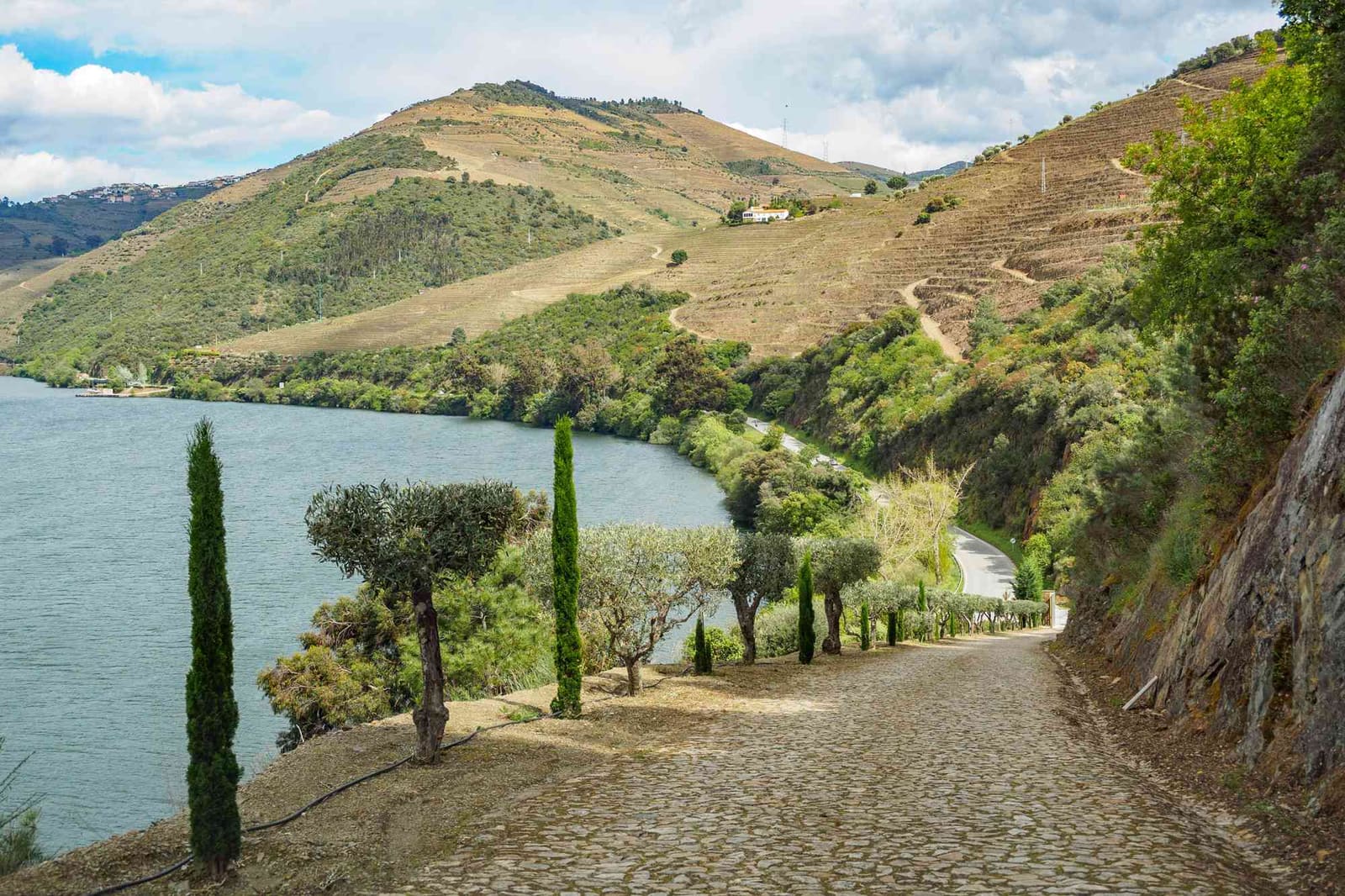
The River That Shaped a Region
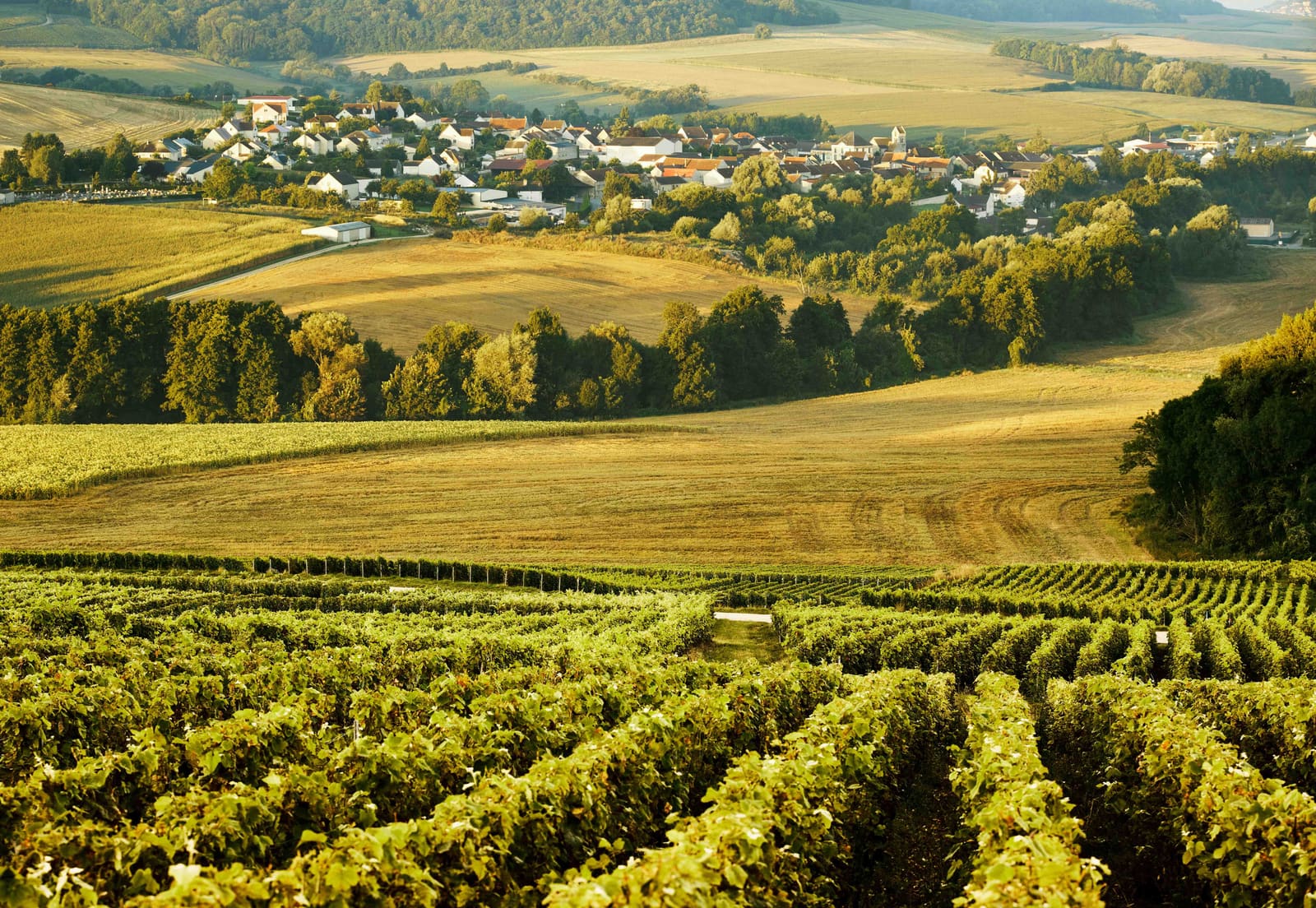
There is a moment, usually around midmorning when the mist lifts from the Douro River, when the valley reveals itself in layers. First come the terraces, carved into schist hillsides over centuries, their stone walls holding back gravity and time in equal measure. Then the vines, gnarled and low to the ground, their roots plunging deep into soil that yields little except character. And finally, the river itself, dark and muscular, winding through northern Portugal with the kind of patience that only ancient waterways possess.
At Global Chic Voyage, we've watched the Douro Valley evolve from a well-kept secret among oenophiles to a destination that commands attention without raising its voice. It remains, mercifully, a place where the landscape does the talking.
The Geometry of Cultivation
The Douro's terraced vineyards are not picturesque by accident. They are the product of brutal geography and human stubbornness, a collaboration that began in earnest when port wine became an export commodity in the seventeenth century. The slopes here are steep, the climate extreme, the soil inhospitable. Nothing about this valley suggests it should produce wine at all, let alone some of the world's most revered bottles.
Yet the quintas, the traditional wine estates that dot the region, have turned constraint into craft. Many have opened their cellars and guest rooms to travelers, offering not just tastings but immersion in a way of life that moves to the rhythm of harvest and fermentation. These are not wineries that trade in spectacle. They trade in specificity: the difference between a north-facing slope and a south-facing one, the conversation between indigenous grape varieties that exist almost nowhere else, the way a single vintage can hold an entire summer's weather in suspension.
Navigating by Water
The Douro River, once the highway for flat-bottomed rabelo boats carrying casks of port downstream to Porto's lodges, now carries a different cargo. River cruises have become one of the valley's signature experiences, though the term hardly captures the meditative quality of drifting past vineyards that rise almost vertically from the water's edge.
These journeys are less about arrival than observation. The valley unfolds slowly, each bend revealing another estate, another chapel, another clutch of whitewashed buildings clinging to hillsides. It is travel at the speed of current, a counterpoint to the velocity that defines so much contemporary tourism. The boats themselves vary, from small traditional vessels to larger craft equipped with suites and dining rooms, but the essential experience remains the same: watching the landscape perform its slow reveal while the water does the work.
Beyond the Vine
The Douro's identity is inseparable from wine, but the valley holds more than terraces and tastings. Its forests, dense with oak and chestnut, offer trails that climb into cooler air and wider views. Small villages, their populations dwindling but their stone architecture intact, provide glimpses of rural Portugal that have largely vanished elsewhere. The region's cuisine, rooted in what the land and river provide, runs to smoked meats, river fish, and olive oil pressed from groves that predate the vineyards.
This is not a destination that announces itself with monuments or museums. Its pleasures are quieter: the way afternoon light turns the river to bronze, the sound of a quinta's gravel drive underfoot, the realization that an hour has passed while you sat watching clouds move across a hillside. The Douro rewards attention, not itinerary.
The Question of Timing
Harvest season, from late September through October, brings the valley to life in ways that other months do not. Quintas that are sleepy in spring become centers of urgent, joyful work. The air smells of fermentation. Visitors who arrive during this window find themselves pulled into the year's defining event, sometimes literally, as some estates still invite guests to participate in the traditional foot-treading of grapes.
But the valley's appeal is not confined to autumn. Spring brings wildflowers and the first green shoots on the vines. Summer delivers the heat that will determine the vintage, along with longer days for exploration. Winter, when fog settles into the valley and the terraces go dormant, offers a different kind of beauty, starker and more introspective. Each season rewrites the landscape.
The Architecture of Terroir
What makes the Douro compelling is not novelty but continuity. This is a place where methods persist because they work, where innovation happens in increments rather than revolutions. The region's winemakers, many of them the latest generation in family operations that span centuries, speak less about disruption than about refinement. They are stewards of a system that predates them and will, if they do their work well, outlast them.
This philosophy extends beyond the vineyards. The quintas themselves, many of them converted manor houses, reflect a similar patience. Rooms are furnished with heirlooms, not concepts. Meals are built around what is in season, not what is on trend. The pace is deliberate. There are no infinity pools here, no rooftop bars, no carefully curated Instagram moments. There is only the valley, the vines, and the understanding that some experiences cannot be accelerated.
The Pull of Place
The Douro does not seduce with ease. It is not Tuscany's softer sister, not Napa's European cousin. Its beauty is harder-won, its climate less forgiving, its terrain more demanding. But for travelers willing to meet it on its own terms, the valley offers something increasingly rare: a sense of place so strong it borders on personality.
We return to the Douro not because it changes, but because it does not. In a travel landscape increasingly shaped by homogenization and hype, the valley's refusal to perform, to soften, to simplify, feels like a kind of resistance. It remains what it has always been, a place where wine is not a product but a practice, where the river sets the rhythm, and where the best moments arrive unscheduled, in the quiet spaces between one terrace and the next.
Photo: Brandon Rosenblum / Getty Images
Spot something wrong? Email editors@globalchicvoyage.com. We log every correction publicly.
RELATED
SEE ALL →
8 Aug 2026 / 5 min
30 Jul 2026 / 5 min
16 Jun 2026 / 5 min
20 Jul 2026 / 5 min