
Charleston's Quiet Magnetism Endures
Why this Low Country harbor continues to draw travelers back, year after year
ML
10 Jul 2026 · 5 MIN READ · UPDATED 17 AUG 2026
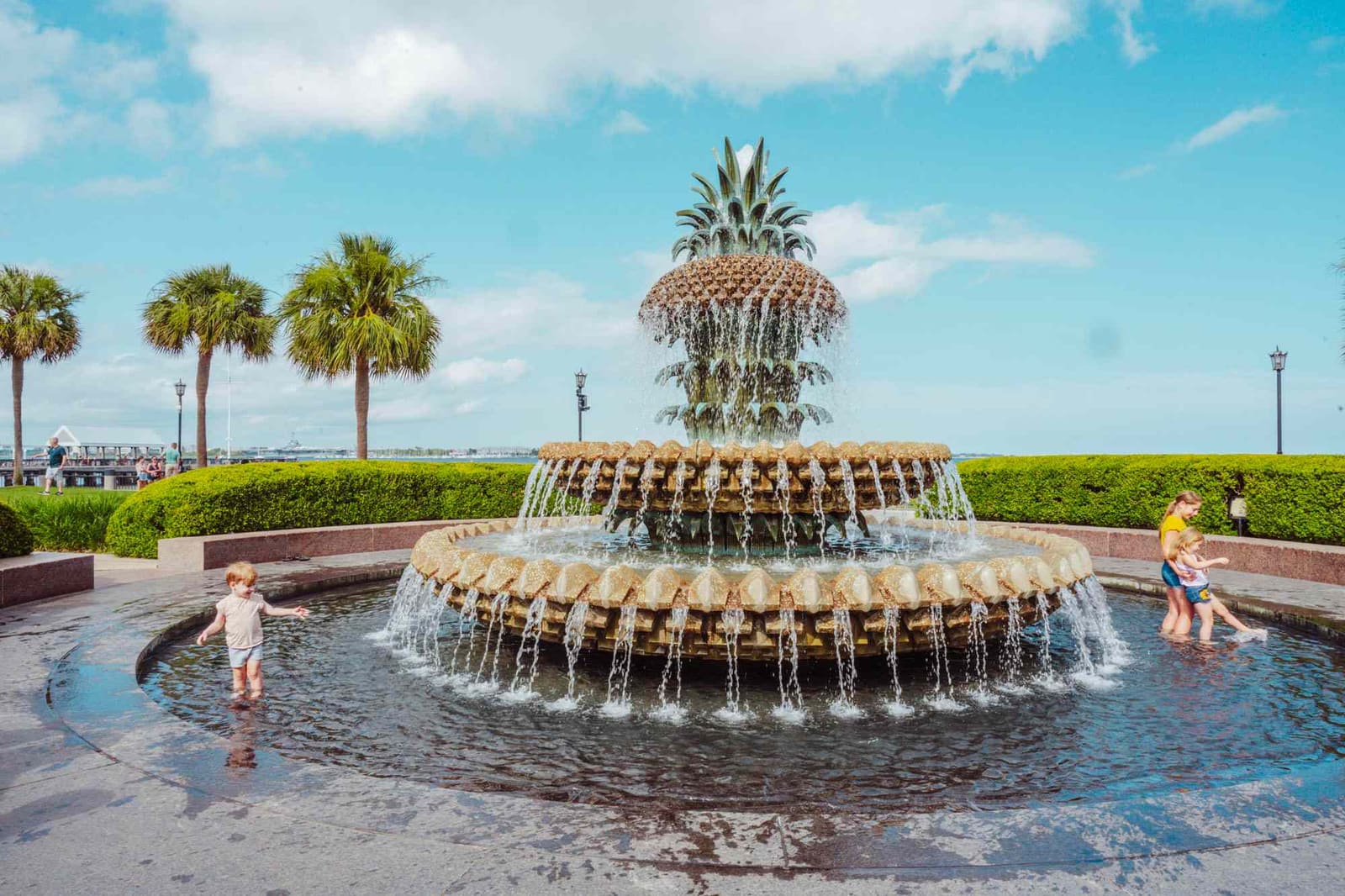
The Pull of Return
There's a particular kind of affection reserved for places we return to, not because they've changed, but precisely because they haven't. Charleston occupies this category for many travelers - a Low Country harbor where the architecture still whispers colonial patience, where sweetgrass baskets are still woven on King Street corners, and where the marsh light at Sullivan's Island continues to shift through the same amber spectrum it has for centuries.
According to Travel + Leisure's 2026 World's Best Awards survey, Charleston secured the second position among U.S. cities - a ranking that reflects not novelty but sustained excellence. At Global Chic Voyage, we've watched this South Carolina destination maintain its gravitational pull even as other cities chase transformation, and the consistency itself has become noteworthy.
What Constancy Looks Like
The city's appeal rests on elements that resist disruption. The beaches along the barrier islands - Folly, Sullivan's, Isle of Palms - remain undeveloped enough to feel discovered rather than designed. The boutique hotel landscape has expanded thoughtfully, with historic properties converted into intimate stays that preserve rather than erase their provenance. And the seafood culture, rooted in Gullah-Geechee tradition and Low Country technique, continues to anchor menus across the peninsula.
This isn't stagnation. Charleston absorbs contemporary hospitality standards - farm-to-table sourcing, design-forward interiors, craft beverage programs - but it does so in a way that feels additive rather than replacement. The rhythm of the place remains intact: slow carriage tours down cobblestone lanes, evening strolls through the Battery, oyster roasts that stretch into dusk.
The Architecture of Loyalty
What creates this kind of enduring appeal? Part of it is sensory memory. Charleston's aesthetic is coherent - pastel single houses with piazzas facing south to catch the breeze, wrought-iron gates tangled with jasmine, the particular salinity of marsh air mixing with magnolia. These elements form a signature that registers before conscious thought, a kind of place-based recall that makes return feel less like choice and more like instinct.
But there's also a cultural dimension. The city has managed to balance preservation with evolution, maintaining its historic fabric while engaging honestly with its complex past. The International African American Museum, which opened recently on the former Gadsden's Wharf, represents this kind of reckoning - a willingness to hold space for difficult narratives alongside celebration of resilience and cultural continuity.
Why Travelers Choose Familiarity
In an era when travel content often prioritizes the undiscovered and the Instagram-unprecedented, Charleston's sustained popularity suggests a counter-trend. Travelers increasingly value places where they can deepen rather than diversify their experience - where a third visit reveals layers a first couldn't, where relationships with shopkeepers and chefs and guides accumulate across years.
The boutique hotel sector here understands this. Properties like the converted warehouses along the upper peninsula or the restored merchants' homes south of Broad aren't competing on spectacle; they're offering refinement of the familiar. Rooms overlook gardens designed in the 18th century. Breakfast features benne wafers and Carolina Gold rice grits. The luxury is in the specificity, not the scale.
The Low Country Table
And then there's the food - perhaps the strongest thread of continuity. Charleston's culinary identity remains rooted in place: she-crab soup, shrimp and grits, hoppin' John, Frogmore stew. Contemporary chefs have elevated technique and presentation, but the foundational flavors remain recognizably Low Country. This culinary conservatism, if we can call it that, creates a kind of gustatory home base, a reassurance that some tastes remain fixed even as the broader food landscape shifts toward fusion and invention.
The city's seafood culture, in particular, benefits from proximity and tradition. Shrimp boats still work the coastal waters. Oyster beds are farmed in the estuaries. The supply chain is short enough that menus can shift with the day's catch, and the cooking methods - steaming, roasting, pickling - honor rather than obscure the ingredient.
What the Rankings Reveal
Travel rankings are imperfect instruments, shaped by who responds and what they value. But sustained performance across years - Charleston has appeared in top U.S. city lists repeatedly - suggests something beyond trend. It points to a destination that delivers on expectations while occasionally exceeding them, that manages to feel both reliable and rewarding.
At Global Chic Voyage, we read these results as evidence of a broader shift in travel values. After years of chasing the next frontier, many travelers are circling back to places that have proven themselves, destinations where the infrastructure of hospitality is mature enough to feel effortless. Charleston offers this kind of ease: walkable streets, a concentrated historic district, a culinary scene dense enough to support spontaneity.
The Coastal Rhythm
Beyond the urban core, the barrier islands extend the city's appeal into a different register. Here, the pace slows further. Folly Beach retains its slightly bohemian character, a surf town that hasn't been entirely polished. Sullivan's Island offers quieter stretches where the primary activity is watching pelicans work the surf line. Isle of Palms balances residential calm with resort amenities.
These coastal extensions matter because they provide textural variety without requiring departure. A Charleston visit can oscillate between cobblestone and sand, between museum-dense afternoons and beach-blank mornings, between prix-fixe dinners and oyster-shack casualness. The proximity allows travelers to calibrate their experience day by day, mood by mood.
The Long View
Charleston's consistent appeal raises a question worth considering: In a travel landscape increasingly driven by novelty, what value does constancy hold? The answer, it seems, is considerable. Places that resist wholesale reinvention offer something rare - the possibility of return, of deepening acquaintance, of building a relationship with geography that spans years rather than days.
This doesn't mean Charleston is static. The city continues to evolve, adding new hotels, restaurants, cultural institutions. But the evolution happens within a framework that respects what already exists, that understands preservation as an active rather than passive stance. The result is a destination that feels both timeless and contemporary, a balance difficult to achieve and even harder to maintain.
For travelers seeking not just experience but connection, Charleston's enduring appeal makes sense. It's a city that rewards familiarity, that reveals more with each visit, that doesn't exhaust itself in a long weekend. In an industry often obsessed with the next destination, there's something quietly radical about choosing the known over the novel, about returning rather than discovering. Charleston understands this, and its continued presence in traveler affections reflects that understanding.
Photo: Taylor McIntyre / Travel + Leisure
Spot something wrong? Email editors@globalchicvoyage.com. We log every correction publicly.
RELATED
SEE ALL →
21 Jul 2026 / 5 min

25 Jul 2026 / 5 min
20 Jul 2026 / 5 min

8 Jul 2026 / 5 min