
Bali Zoo Trades Elephant Rides for Ranger-Led Encounters in Welfare Pivot
The Ubud-adjacent sanctuary has quietly retired its riding programme in favor of observation-based experiences that let visitors walk alongside — not atop — its resident herd.
SI
30 May 2026 · 5 MIN READ · UPDATED 17 AUG 2026
The Last Ride
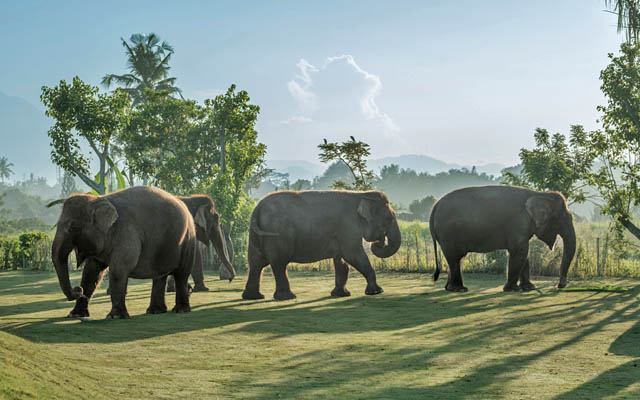
Somewhere between the rice terraces and the monkey forest, a line was drawn. Not with ceremony or fanfare, but with the quiet removal of wooden howdahs from the backs of fourteen Sumatran elephants. By mid-April, Bali Zoo had replaced its elephant-riding programme with something slower, softer, and decidedly less photogenic in the Instagram sense: guided observation from a ranger-led vehicle. The shift, modest as it may sound, reflects a broader reckoning within Indonesia's wildlife tourism sector — one in which proximity no longer equals participation, and welfare has begun to outweigh spectacle.
At Global Chic Voyage, we've watched this pivot unfold across Southeast Asia over the past five years. What began as isolated policy changes in Thailand and Sri Lanka has now reached Bali, an island whose tourism economy has long depended on animal encounters as a cornerstone of the family-travel experience. The question is no longer whether such programmes will evolve, but how quickly — and whether the market will follow.
What Elephant Explorer Actually Offers
Launched in April, the Elephant Explorer programme invites visitors to accompany the zoo's herd — which includes two calves born on-site — through a series of guided encounters that prioritize observation over interaction. Guests ride in a vehicle alongside the elephants as they move through their daily routines: foraging, bathing, socializing. Rangers and mahouts narrate the experience, explaining behavioral cues, dietary needs, and the long-term bonds between individual elephants and their caretakers.
Feeding sessions remain part of the itinerary, though they're framed less as a photo op and more as an educational window into enrichment strategies. Visitors learn how diet varies by age and health, how mahouts use food to reinforce positive behaviors, and how the zoo structures its day around the elephants' natural rhythms rather than tour schedules. It's a subtle but meaningful inversion: the visitor adjusts to the animal, not the other way around.
The programme also limits group sizes and duration, reducing the cumulative stress on the herd. No saddles, no mounting platforms, no weight-bearing activities. The mahouts walk beside the elephants, not atop them. For families accustomed to the tactile thrill of a ride, the experience may feel passive at first — but that's precisely the point.
Why Bali Zoo Made the Shift
The zoo has not framed the change as a response to external pressure, though the timing aligns with a broader industry trend. Over the past three years, certification bodies including the Global Sustainable Tourism Council and regional animal welfare organizations have tightened standards around captive elephant management. Ride-based programmes, once considered benign, are now classified as high-stress activities that compromise both physical health and psychological well-being.
Bali Zoo's decision to phase out rides reflects a pragmatic calculation: long-term viability depends on alignment with evolving consumer expectations. Millennial and Gen Z travelers — who now represent the majority of inbound tourism to Bali — increasingly prioritize ethical credentials when booking wildlife experiences. A 2025 survey by the Association of Southeast Asian Travel Agents found that 68 percent of respondents under 40 would avoid attractions offering elephant rides, even if those rides were marketed as "humane."
The zoo's fourteen elephants, including the two calves, are housed in a facility designed to approximate natural habitat conditions: forest clearings, mud wallows, shallow pools. The stable herd structure allows for social bonding and multigenerational care, both critical to welfare. By shifting to observation-based encounters, the zoo reduces the need for restraint tools and prolonged human contact, two factors that contribute to chronic stress in captive elephants.
The Broader Context: Indonesia's Evolving Wildlife Tourism
Bali Zoo's move is part of a larger recalibration across Indonesia's tourism sector. The country is home to fewer than 2,000 wild Sumatran elephants, a critically endangered population threatened by habitat loss and human-wildlife conflict. Captive populations — whether in zoos, sanctuaries, or private facilities — play a complex role: they can serve as genetic reservoirs and public education platforms, but only if managed with rigorous welfare standards.
Indonesia has historically lagged behind Thailand and India in regulating elephant tourism, but recent policy shifts suggest momentum. The Ministry of Environment and Forestry has begun auditing facilities that house elephants, with a focus on phasing out ride-based programmes by 2028. Bali Zoo's early adoption positions it as a potential model for other operators on the island, many of whom still rely on rides as a primary revenue stream.
The challenge, of course, is economic. Elephant rides command premium pricing and require minimal infrastructure. Observation-based programmes, by contrast, depend on skilled interpretation, smaller group sizes, and longer dwell times — all of which increase operational costs. Whether the model proves financially sustainable will depend on whether travelers are willing to pay comparable rates for a less tactile experience.
What This Means for Bali's Family Travel Market
Bali Zoo sits roughly twenty minutes from Ubud, a hub for wellness tourism and cultural immersion. The zoo has long positioned itself as a family-friendly complement to the area's temple circuits and rice-terrace hikes. The Elephant Explorer programme represents a bet that families will embrace a more contemplative form of wildlife engagement — one that emphasizes learning over novelty.
Early indications suggest the bet may pay off. Booking data from the zoo's online portal shows steady uptake since the April launch, with no significant drop in overall visitation. Anecdotal feedback from tour operators indicates that the programme appeals particularly to European and North American families, demographics that tend to prioritize sustainability credentials.
The broader implication is that Bali's wildlife tourism sector is beginning to decouple animal encounters from adrenaline-driven activities. This shift aligns with the island's broader pivot toward regenerative tourism — a framework that emphasizes long-term ecological and social value over short-term visitor satisfaction. If Elephant Explorer succeeds, it may catalyze similar changes across Bali's zoo and sanctuary network, reshaping how the island markets its natural assets.
A Quieter Kind of Encounter
What strikes us most about the Elephant Explorer model is its willingness to embrace restraint. In an industry that has long equated value with proximity — the closer you get, the better the experience — Bali Zoo is making the case for distance as a form of respect. The elephants remain visible, observable, interpretable. But they are not props. They are not rides. They are, in the programme's framing, subjects of study rather than objects of consumption.
Whether this model scales beyond Bali remains to be seen. But for now, it offers a template: a way to structure wildlife tourism that acknowledges both the commercial imperatives of a family attraction and the ethical obligations of a facility housing endangered species. The howdahs are gone. The elephants, for the first time in years, walk unencumbered. And the visitors — if they're paying attention — might learn something about what it means to watch without touching, to admire without possessing, to encounter without intruding.
Spot something wrong? Email editors@globalchicvoyage.com. We log every correction publicly.
RELATED
SEE ALL →
7 Jul 2026 / 5 min
30 Jul 2026 / 5 min
29 Jul 2026 / 5 min

9 May 2026 / 5 min