
Where Wine Country Meets the Wild Edge of California
Beyond its celebrated vineyards, Sonoma County unfolds as a tapestry of windswept coastline, redwood groves, and villages where time moves at the pace of harvest seasons.
CG
7 Jul 2026 · 5 MIN READ · UPDATED 17 AUG 2026
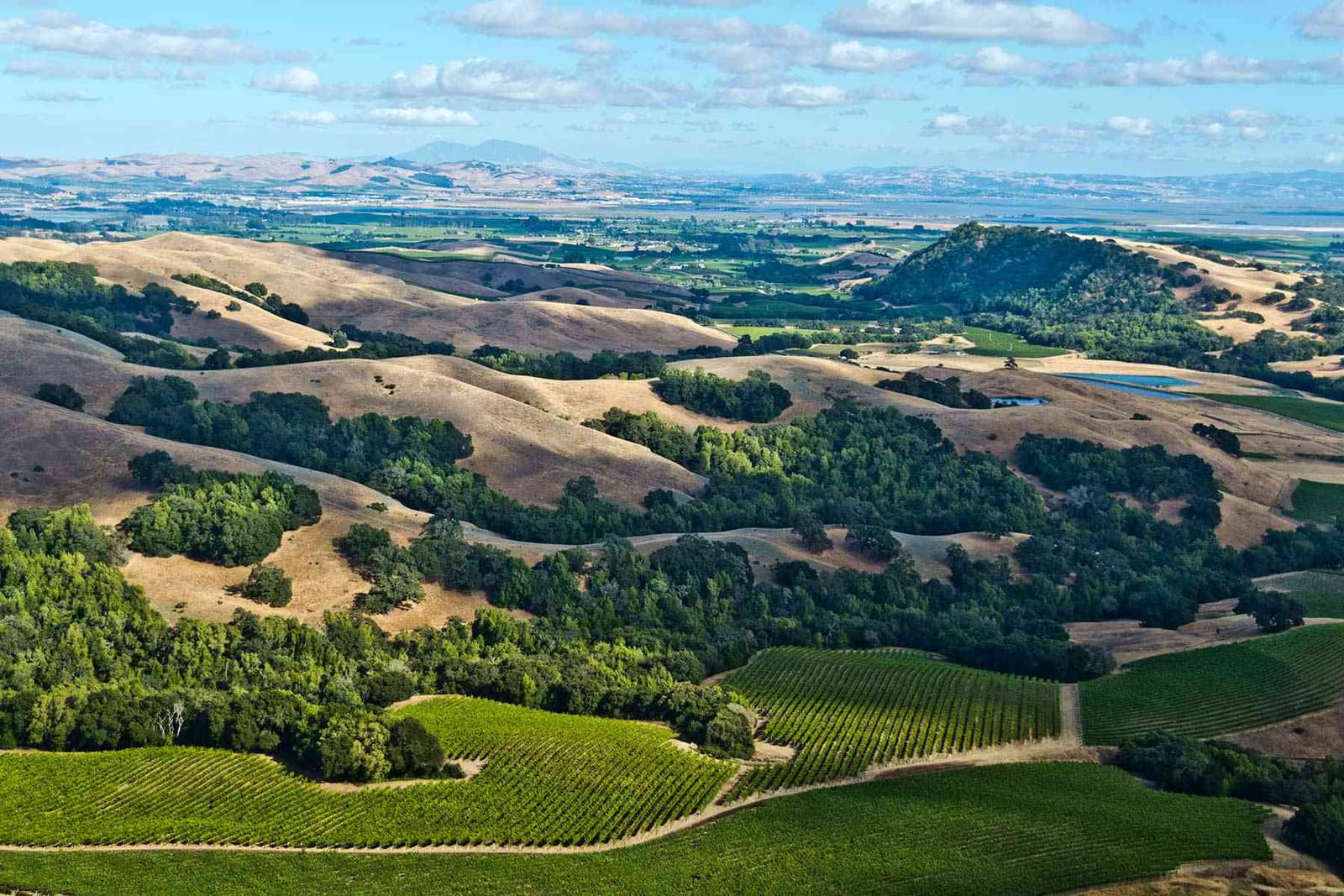
A Landscape Composed in Layers
There is a particular quality of light in Sonoma County that photographers and painters have tried for generations to capture - the way fog rolls in from the Pacific each evening, softening the edges of vineyards and hillsides, only to burn off by mid-morning, revealing a landscape of almost implausible clarity. This is a place where the terroir extends beyond the vineyard rows, where the character of the land seeps into everything: the architecture, the pace of life, the way conversations unfold over tasting-room counters.
At Global Chic Voyage, we've watched wine regions around the world grapple with the tension between growth and preservation. Sonoma County has chosen a different path, one that prioritizes environmental stewardship alongside its viticultural heritage. The result is a destination that feels both refined and refreshingly grounded, where luxury manifests not in ostentation but in the quality of experience - a perfectly balanced Pinot Noir, a meal composed entirely of ingredients grown within ten miles, a coastline so raw and untouched it could belong to another century.
Vineyards That Think Beyond the Bottle
The wine country that spreads across Sonoma County's valleys and hillsides has embraced sustainability not as marketing language but as operating principle. Many estates here have adopted organic and biodynamic farming practices, viewing their vineyards as ecosystems rather than monocultures. This shift reflects a broader philosophy gaining ground in luxury travel: the understanding that true quality is inseparable from responsibility.
Walking through these properties, you notice the differences. Cover crops flourish between vine rows, providing habitat for beneficial insects. Solar panels tilt toward the California sun. Composting systems turn grape pomace into soil amendment. These are not showpiece gestures but integrated systems that have evolved over years, sometimes decades.
The tasting experience itself has transformed in parallel. Where once the focus was exclusively on the wine in the glass, now it encompasses the story of how that wine came to be - the soil biology, the water conservation measures, the carbon footprint of the bottling process. For travelers seeking substance beneath the surface, these conversations offer a different kind of intoxication: the pleasure of supporting practices aligned with one's values.
Where the Continent Meets the Pacific
Sonoma County's coastline remains one of California's least developed stretches of shore, a fact that feels almost miraculous given the real estate pressures that have reshaped so much of the state. Here, the Pacific crashes against rock formations sculpted by millennia of wind and wave, while sea lions bark from offshore outcroppings and harbor seals haul out on isolated beaches.
The drive along Highway 1 through Sonoma's coastal corridor is an exercise in sustained awe. Bluffs drop sharply to the water. Cypress trees lean inland, permanently shaped by the prevailing winds. Small state beaches and regional parks provide access to tide pools, hiking trails, and vistas that stretch uninterrupted to the horizon.
This is not a coastline for resort development or beach clubs. It is wild in a way that feels increasingly rare, a reminder that luxury can also mean the absence of mediation between traveler and landscape. The towns that dot this stretch - Bodega Bay, Jenner, Sea Ranch - remain deliberately small, their scale human rather than commercial.
Villages That Resist the Theme Park Impulse
The small towns scattered throughout Sonoma County have managed to retain their individual characters despite the pressures of tourism. Healdsburg, with its central plaza and Michelin-starred restaurants, offers sophistication without pretense. Sebastopol leans bohemian, its downtown lined with vintage shops and farm-to-table cafes. Sonoma, the county seat, clusters around a historic plaza where ducks waddle between the mission and the town hall.
What unites these places is a certain authenticity of function. These are working towns, not stage sets. Locals still outnumber visitors at the farmers' markets. Hardware stores and feed suppliers operate alongside wine bars and galleries. The architecture, much of it dating from the late nineteenth and early twentieth centuries, speaks to an agricultural past that remains present rather than merely commemorated.
For travelers weary of destinations that have been curated into homogeneity, Sonoma County's towns offer something increasingly valuable: the sense of arriving somewhere that exists for its own reasons, not primarily for yours. The hospitality is genuine because it arises from a culture that values connection, not from a service manual.
The Redwood Cathedrals
Inland from the coast and west of the vineyard valleys, ancient redwood groves rise in groves so dense that noon feels like twilight. These are the survivors, the fragments of forest that escaped the logging frenzy of the nineteenth century. Walking among them requires a recalibration of scale. Trees that began their growth before the European discovery of the Americas tower overhead, their bark furrowed and fire-scarred, their crowns lost in the canopy far above.
Armstrong Redwoods State Natural Reserve protects some of the most accessible of these groves, offering trails that wind through what can only be called living architecture. The silence here is profound, broken only by the occasional call of a Steller's jay or the rustle of a banana slug traversing the forest floor. It is the kind of environment that invites contemplation, that makes trivial concerns dissolve in the presence of something so much older and larger than human timescales.
These forests also provide crucial ecological services - carbon sequestration, watershed protection, habitat for endangered species - that extend far beyond their boundaries. Visiting them becomes an act of witness, a way of understanding what is at stake in the larger conversation about climate and conservation.
A Table Set with the Season
Sonoma County's culinary landscape reflects its agricultural abundance. Restaurants here build menus around what the local farms and ranches are producing each week, a practice that was once revolutionary and is now simply the standard. The result is food that tastes emphatically of place and moment: spring lamb from Marin County pastures, heirloom tomatoes at the peak of summer ripeness, winter squash roasted until caramelized.
The wine country setting means that pairing is elevated to an art form, but not in a way that feels precious or overly complicated. The best meals we've experienced in Sonoma County have been marked by a kind of relaxed confidence, a trust in the quality of ingredients that allows for simplicity of preparation. A perfect oyster from Tomales Bay needs little more than a squeeze of lemon. A grass-fed ribeye requires only salt and fire.
This approach to dining aligns with a broader shift in luxury hospitality toward experiences rooted in locality and seasonality. It is the opposite of the globalized menu that could appear anywhere, a manifestation of terroir extended from the vineyard to the plate.
The Rhythm of Harvest
Timing a visit to Sonoma County around the harvest season, which typically runs from late August through October, offers a glimpse into the region at its most vital. The activity in the vineyards intensifies as clusters of grapes reach optimal ripeness. Picking crews work through the cool hours of early morning. The scent of fermentation drifts from winery facilities. There is a sense of urgency tempered by the knowledge that this rhythm has repeated for generations.
For travelers, harvest season provides context that transforms the tasting experience. You understand viscerally that wine is an agricultural product, subject to the vagaries of weather and the judgment calls of viticulturists and winemakers. The conversations at tasting rooms deepen, becoming less about scores and accolades and more about the specific challenges and triumphs of the vintage unfolding in real time.
Why the North Coast Endures
In an era when many celebrated destinations feel overrun, when the infrastructure of tourism threatens to overwhelm the qualities that made places appealing in the first place, Sonoma County offers a model of measured development. The county has implemented agricultural preservation zones, protected coastal access, and supported local businesses in ways that have allowed it to grow without losing its essential character.
This is not accidental. It reflects decades of community organizing, land-use planning, and a collective commitment to prioritizing long-term sustainability over short-term profit. For travelers, the benefits are immediate: a destination that remains vital and authentic, where the experience of place has not been reduced to a series of Instagram opportunities.
The lesson here extends beyond Sonoma County. It suggests that luxury travel can align with conservation, that exclusivity need not mean exclusion, that the highest form of hospitality might be the preservation of the landscapes and communities that make a destination worth visiting in the first place. In choosing where we travel and how we spend our time and resources, we participate in shaping what survives and what is lost.
Sonoma County, in its quiet way, offers a vision of what endures when a place commits to its own best self.
Photo: Steve Proehl / Getty Images
Spot something wrong? Email editors@globalchicvoyage.com. We log every correction publicly.
RELATED
SEE ALL →
30 May 2026 / 5 min
29 Jul 2026 / 5 min
27 Jul 2026 / 5 min
30 Jul 2026 / 5 min