The Traveling Editor's Guide to Transforming Any Hotel Room
After years of moving through the world's most celebrated properties, we've learned that arrival is only the beginning - these are the small essentials that turn transient space into sanctuary.
The Art of Arrival
There is a moment, just after the porter leaves and the door clicks shut, when even the most thoughtfully designed hotel room feels borrowed. The lighting is often wrong - too bright or too dim, rarely calibrated for reading or unwinding. The air carries the faint chemical signature of industrial laundry. The surfaces are pristine but impersonal, wiped clean of any trace of human occupation.
At Global Chic Voyage, we've spent years crossing thresholds into rooms across continents, from ryokans in Kyoto to converted palazzos along the Grand Canal. What we've learned is that luxury is not always about thread count or marble provenance. It is about the small, deliberate gestures that transform a rented space into something that feels, however briefly, like your own.
The editors and contributors who pass through dozens of properties each year have developed a quiet ritual: the unpacking of a small arsenal of items that recalibrate a room's atmosphere within minutes. These are not gadgets or gimmicks. They are thoughtful tools that address the gaps between hospitality's best intentions and the textures of personal comfort.
Scent as Threshold
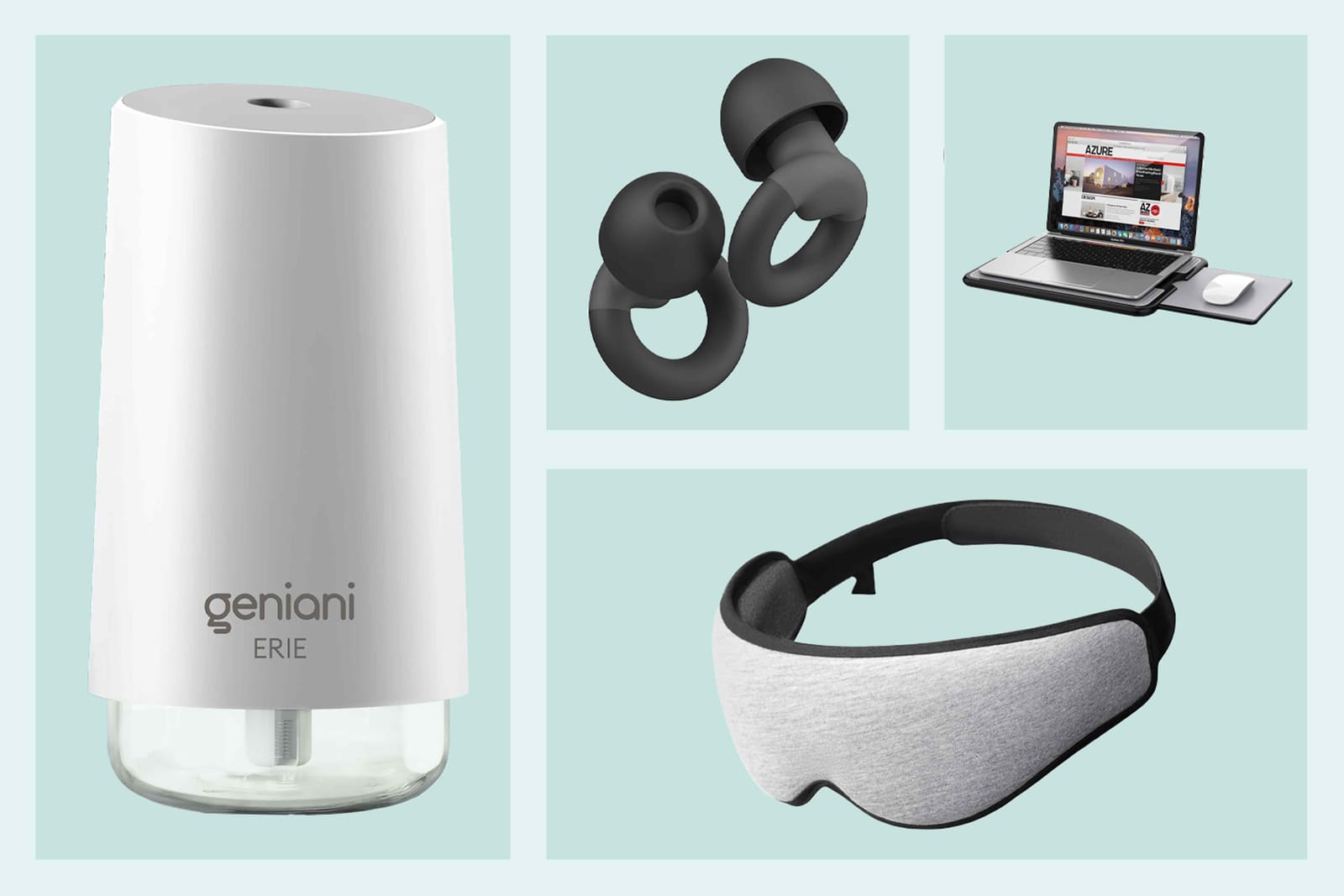
The olfactory imprint of a hotel room is its most immediate and least controllable variable. Even properties with meticulous housekeeping protocols often deploy synthetic fragrance systems that clash with individual preference. A portable essential oil diffuser or a carefully chosen room spray becomes an instant threshold - a signal to the senses that this space is now yours.
We favor diffusers that operate without open flame, both for safety and for the subtlety of their dispersal. Lavender and eucalyptus are reliable, but cedarwood and frankincense carry a grounding quality that counters the disorientation of travel. The key is moderation. A room should smell lived-in, not perfumed.
Travel-sized candles, if the property permits them, offer both scent and the particular quality of light that only flame provides. But the ritual of lighting and extinguishing is as important as the fragrance itself - it marks the boundaries of your time in the space.
Light as Architecture
Hotel lighting is designed for efficiency and liability, not for mood. Overhead fixtures dominate, while bedside lamps often emit a cold, utilitarian glow unsuitable for reading or relaxation. A compact LED reading light with adjustable warmth and intensity becomes essential for anyone who arrives at a property after dark and wants to avoid the harshness of ceiling fixtures.
Equally valuable is a small string of battery-operated lights - what the industry calls fairy lights, though the term undersells their utility. Draped across a mirror or wound around a headboard, they soften the angular geometry of most hotel rooms and create a visual anchor that feels intentional rather than institutional.
For those who travel frequently across time zones, a portable sunrise alarm can recalibrate circadian rhythms more gently than the abrupt chime of a hotel wake-up call. The gradual brightening mimics dawn, a kindness to the body that pays dividends throughout the day.
Sound and Silence
The acoustic profile of a hotel room is beyond your control - thin walls, hallway traffic, the hum of HVAC systems calibrated for the comfort of many rather than the sensitivity of one. A white noise machine or a high-quality portable speaker can establish an auditory boundary.
White noise machines are particularly effective in urban properties where street noise penetrates even double-glazed windows. For those who find white noise itself intrusive, a speaker that streams ambient soundscapes - rain, ocean waves, forest at night - offers a more textured alternative.
We've also found value in noise-canceling earplugs designed specifically for sleep, which filter out irregular sounds while preserving the ability to hear alarms or knocks at the door. They are particularly useful in properties where morning housekeeping begins earlier than guests might prefer.
Tactile Comfort
Hotel linens are engineered for durability and industrial laundering, which often means they lack the softness of home textiles. A lightweight silk or cotton sleep sack - essentially a portable sheet - provides a familiar tactile layer without the bulk of packing full bedding.
Similarly, a small travel pillow with adjustable fill allows you to customize support in a way that hotel pillows, which range from overstuffed to deflated, rarely do. We prefer pillows with washable covers and natural fills like buckwheat or kapok, which mold to the neck without retaining heat.
For those who spend evenings working or reading in bed, a bed rest pillow with arms transforms a hotel bed into a functional seating area. These fold flat in luggage and provide back support that standard pillows cannot replicate.
The Ritual of Tea
Even in properties with in-room coffee service, the quality of tea offerings is often an afterthought. A compact electric kettle with dual voltage capability and a curated selection of loose-leaf teas in reusable tins turns the morning or evening tea ritual into something more considered than the generic sachets most hotels provide.
We pair the kettle with a collapsible silicone cup or a small ceramic mug wrapped in cloth - something with weight and texture that elevates the act of drinking from transaction to ceremony. The ritual itself becomes grounding, a predictable sequence in the midst of travel's unpredictability.
Personal Atmosphere
A portable humidifier addresses the chronic dryness of hotel HVAC systems, which can leave skin and sinuses parched by morning. Compact models designed for travel fit easily into carry-on luggage and operate quietly enough not to disturb sleep.
For those sensitive to air quality, a small HEPA filter can remove particulates and allergens, particularly valuable in older properties or destinations with higher pollution levels. These devices have become lighter and more efficient in recent years, no longer requiring the bulk or noise that once made them impractical for travel.
The Power of Textiles
A lightweight throw blanket or oversized scarf serves multiple purposes - as an extra layer on overly air-conditioned flights, as a wrap for chilly hotel rooms where climate control is sluggish, and as a visual softening element draped over a chair or bed. Natural fibers like merino wool or cashmere provide warmth without weight and pack down to nearly nothing.
We also advocate for packing a small, beautiful object - a framed photograph, a piece of pottery, a favorite book with a worn cover. This is not about recreating home but about introducing a single point of personal history into an otherwise anonymous space. It is a visual anchor, something for the eye to rest on that carries meaning beyond function.
Technology as Companion
A universal power adapter with multiple USB ports eliminates the scramble for outlets and ensures that devices charge overnight without monopolizing the single available socket. Models with surge protection add a layer of security for expensive electronics.
A tablet stand or portable laptop riser transforms a hotel desk into a more ergonomic workspace, particularly important for those who travel for extended periods and need to maintain productivity without the physical toll of hunching over a low surface.
The Unseen Essentials
Certain items operate invisibly but make disproportionate impact. A doorstop provides an added sense of security and allows for ventilation without leaving the door fully ajar. A small flashlight or headlamp is invaluable during power outages or for navigating unfamiliar rooms in the dark without waking a travel companion.
Reusable silicone bags in various sizes keep small items organized and can double as containers for damp swimwear or soiled clothing. They compress flat when empty and eliminate the need for disposable plastic bags.
Why This Matters
The impulse to personalize temporary space is not about dissatisfaction with hospitality. The hotels we return to year after year are often exemplary in their service and attention to detail. But there is a difference between accommodation and inhabitation, between being housed and feeling at home.
These small rituals of unpacking and arranging are a form of self-care that acknowledges the toll of movement. They create continuity across disparate geographies, a through-line of familiar textures and rhythms that anchor the body even as the landscape outside the window changes.
In an industry increasingly focused on experiential luxury and instagrammable moments, these essentials represent a quieter philosophy: that true comfort is often invisible, built from small adjustments that no concierge can anticipate because they are so deeply personal.
The Practice of Arrival
What we pack says as much about how we travel as where we go. The editors at Global Chic Voyage have learned that the quality of a journey is not measured solely in destinations ticked off or properties reviewed. It resides also in the small, repeated gestures that honor the body's need for continuity, for scent and light and texture that feel chosen rather than assigned.
These are not luxuries in the conventional sense. Many cost less than a single room service breakfast. But they represent an investment in the architecture of comfort, in the belief that even a single night in an unfamiliar room can feel intentional, considered, and entirely your own.