Asia's Ascent in Luxury Travel Reflects a Search for Human Connection
From Japan's meditative temples to Thailand's riverfront renaissance, the continent's enduring appeal lies not in novelty but in cultures where hospitality remains an art form rather than a service.
The Quiet Pull Eastward
There exists a particular quality of morning light in Kyoto during cherry blossom season, soft and provisional, that seems to ask something of the observer. It filters through branches heavy with pale pink blooms, catches on the edges of wooden temple eaves, and lends even the most crowded precincts an air of private meditation. To witness it alone, before the day's visitors arrive, is to understand why certain journeys feel less like trips and more like answered questions.
This is not a new observation. Yet something has shifted in how Western travellers are approaching Asia, a recalibration that extends beyond flight schedules and visa policies. The continent is no longer positioned as an exotic counterpoint to familiar comforts but as a destination whose very approach to welcome offers something increasingly difficult to find elsewhere: hospitality as cultural inheritance rather than commercial transaction.
Philosophies of Welcome
The language around hospitality varies across Asia, yet the underlying ethos remains strikingly consistent. Japan's concept of omotenashi describes an intuitive attention to guest needs, a form of care that anticipates rather than responds. Thailand's nam jai translates loosely to "water from the heart", generosity offered without calculation or expectation of return. India holds the ancient principle of Atithi devo bhava, the guest as divine.
These are not marketing slogans retrofitted onto service protocols. They are embedded cultural practices, visible in gestures both grand and minute: the way a ryokan hostess arranges seasonal flowers in a guest's alcove, the unhurried conversation at a Bangkok street stall, the insistence on sharing a meal in a Rajasthani home. Such encounters resist commodification precisely because they emerge from centuries of social architecture rather than recent training manuals.
In an era when artificial intelligence mediates an increasing share of human interaction, when efficiency metrics govern service delivery, and when "personalisation" often means algorithmic prediction, these philosophies represent something travellers are beginning to actively seek: proof that human attention still operates on its own terms.
Thailand's Layered Appeal
Bangkok offers a useful case study in how a city can evolve without shedding its essential character. The Chao Phraya River, long the city's commercial artery, has become a corridor where heritage and contemporary ambition coexist without pretence. Former warehouses now house galleries showcasing Southeast Asian contemporary art. Gilded temples stand alongside Michelin-recognised restaurants where chefs reinterpret royal Thai cuisine through techniques borrowed from molecular gastronomy and regional tradition alike.
The riverbanks have always held noodle stalls and modest guesthouses. What has changed is the density of offerings, the confidence with which Bangkok now presents itself as both a historical capital and a living, evolving metropolis. Wellness retreats continue to draw repeat visitors to coastal enclaves. Destination weddings unfold in Hua Hin's beachfront estates. Koh Samui and Koh Yao Noi remain havens for those seeking villa seclusion and turquoise shallows.
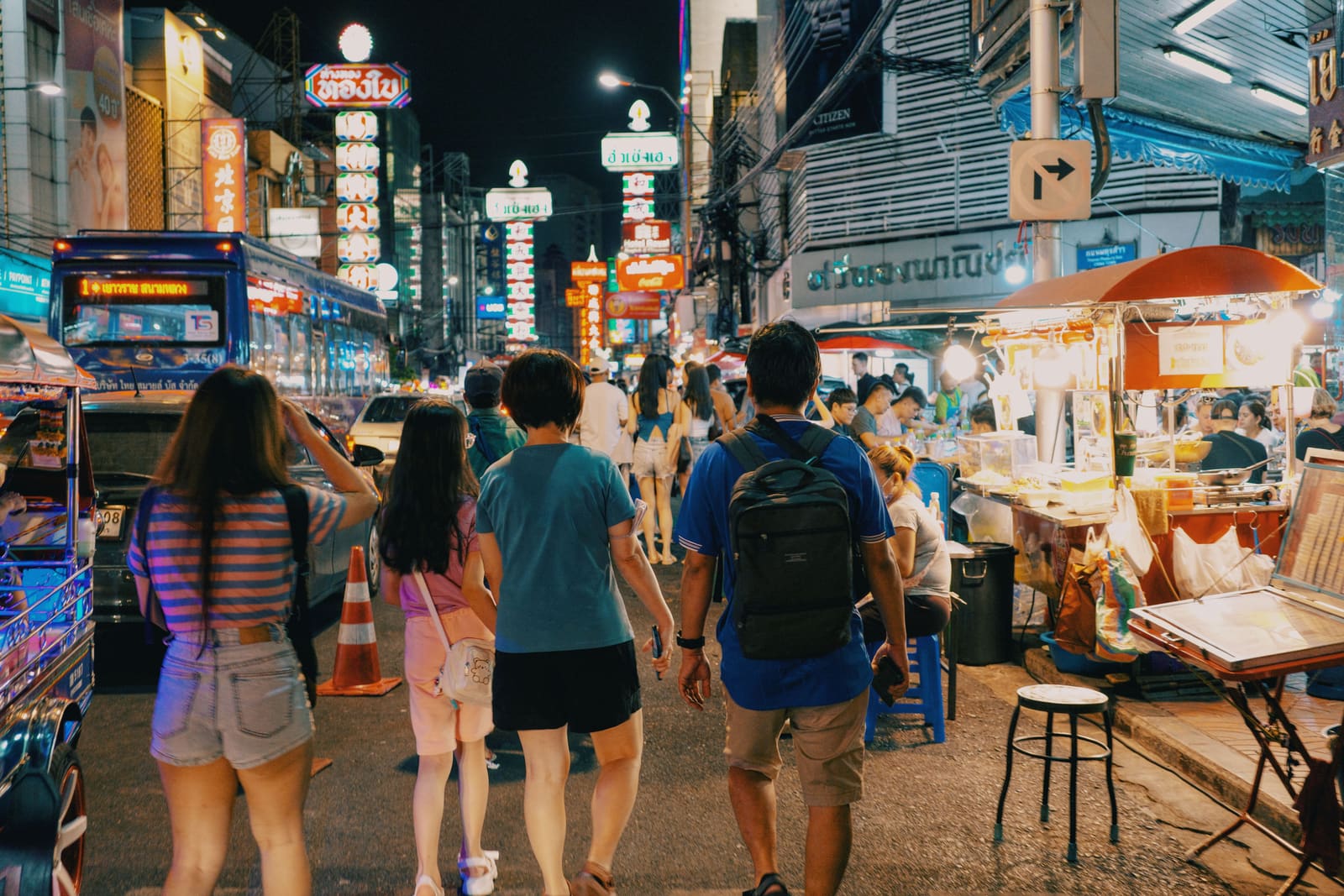
Yet the city itself exerts a particular magnetism, especially after dark, when the interplay of street food vendors and craft cocktail bars creates a sensory layering that feels distinctly Thai: high and low, traditional and experimental, existing not in tension but in conversation.
Japan's Enduring Pilgrimage
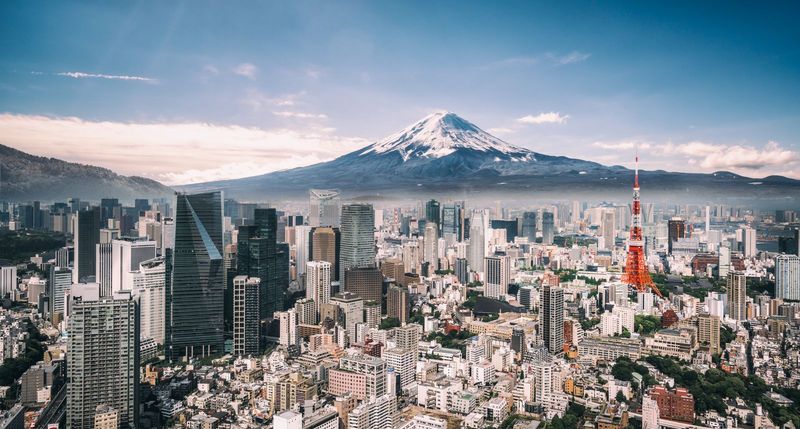
Japan's post-pandemic resurgence in visitor numbers has been widely documented, but the nature of that return merits closer attention. For many travellers, especially those making their first journey to the country, the experience registers less as tourism and more as pilgrimage, a word that implies intention and transformation rather than mere sightseeing.
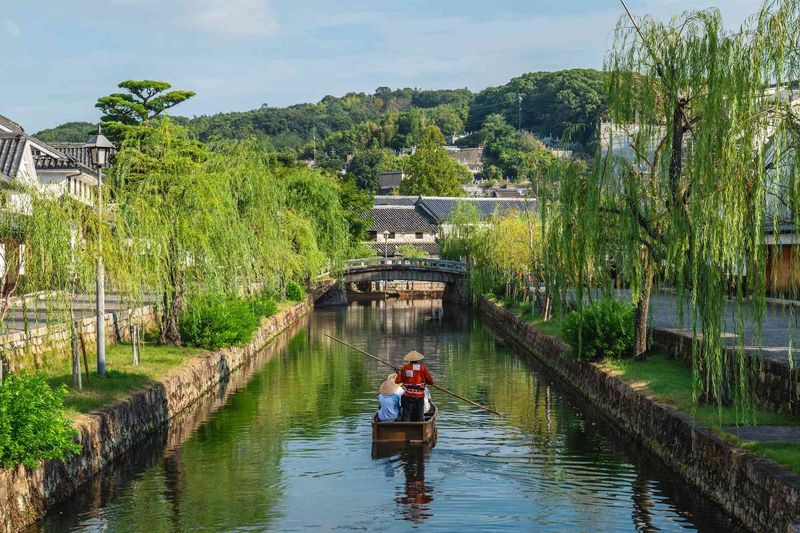
Osaka and Kyoto during sakura season become stages for a ritual that has repeated for centuries: the transient beauty of blossoms, the communal acknowledgement of impermanence, the quiet discipline of appreciating something that will not last. To ride an electric bicycle through Kyoto's eastern districts at dawn, pausing beneath a flowering branch in complete solitude, is to participate in a cultural practice that predates any modern notion of travel.
This is not discovery in the colonial sense. It is, rather, an invitation to witness and respect practices that have endured independently of Western attention. The appeal lies in the integrity of the experience, the sense that these rituals exist for their own sake, not for visitors.
The Broader Shift
What connects these destinations is not a shared aesthetic or even a common geography but a foundational belief that welcoming others is an act of cultural expression. Hospitality in this context becomes a form of storytelling, a way of transmitting values across generations and across borders.
India, with its overwhelming diversity and emotional intensity, demands a different kind of engagement. China, having recalibrated its approach to international visitors, is positioned to emerge as a major travel narrative in the coming year. Each nation offers its own interpretation of what it means to receive a guest, but the underlying premise remains: hospitality is not performed; it is practised.
This distinction matters increasingly as travellers seek experiences that feel substantive rather than curated, that offer genuine encounter rather than designed spectacle. The metrics that dominate much of contemporary travel, thread counts and infinity pools and instagrammable moments, begin to feel insufficient when measured against the simple act of being welcomed with intention and care.
What Draws Us Back
There is a reason certain travellers return to Asia repeatedly, not to tick off new destinations but to revisit places that have become, in some sense, necessary. The appeal is not novelty but depth, the layered understanding that comes only with repeated exposure. A second visit to Bangkok reveals rhythms invisible on the first. A third trip to Japan uncovers regional distinctions and seasonal subtleties previously overlooked.
This is travel as relationship rather than conquest, an ongoing dialogue with places that reward patience and attention. It stands in contrast to the checklist approach that has come to dominate much leisure travel, the impulse to see everything once rather than something deeply.
The Future Geography of Attention
If current patterns hold, Asia's prominence in luxury travel will not be a passing trend but a sustained reorientation. The continent offers what an increasingly connected yet fragmented world makes scarce: spaces where technology enhances rather than replaces human interaction, where efficiency serves rather than dictates experience, where the past informs the present without becoming a museum exhibit.
The call eastward is not new. What has changed is the clarity of the response, the recognition that what Asia offers is not simply beautiful landscapes or excellent food or well-appointed hotels, though it offers all of these. It offers, instead, a way of being in the world that many travellers are beginning to realise they have been seeking all along: a hospitality rooted not in transaction but in the enduring belief that to welcome another is to honour something essential in both guest and host.
This is why Japan feels like pilgrimage. Why Thailand remains perpetually fresh despite decades of tourism. Why India conjures such a spectrum of emotion. And why China's gradual opening will likely reshape travel patterns in the years ahead. The East is not calling. It has been speaking all along. We are simply, finally, learning to listen.