The Quiet Charm of Sanur: Bali's Unhurried Coastal Enclave
Beyond the Instagram crowds, an east-coast neighbourhood reveals what Bali looked like before the world rushed in
A Different Rhythm
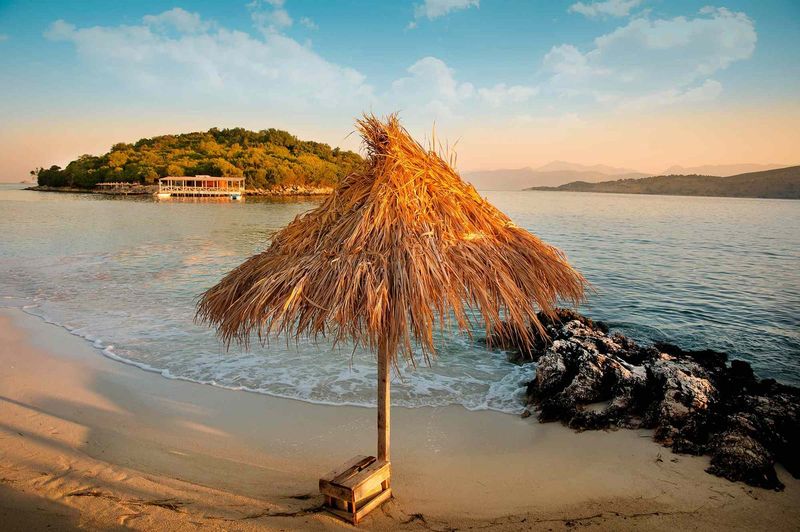
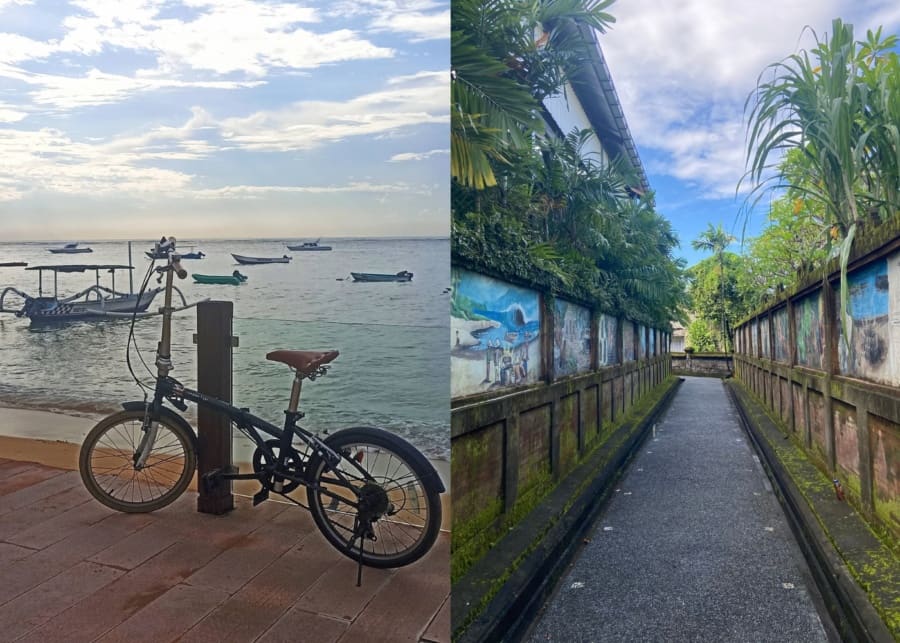
The first light breaks gently over Sanur's eastern shoreline, casting a pale gold wash across shallow waters that barely ripple. Fishermen pull nets while early risers pedal the paved promenade, their bicycles clicking past joggers and elderly couples taking their morning constitutional. No one is in a hurry. No one is posing for the camera. This is Bali at a different tempo, one that predates the beach clubs and the curated feeds, and it persists precisely because Sanur never chased the spotlight.
At Global Chic Voyage, we've watched Bali's southern corridor transform over the past two decades, each neighbourhood jostling for its share of the traveller's imagination. Canggu claimed the surfers and digital nomads. Seminyak secured the boutique hotels and nightlife. Uluwatu collected the clifftop infinity pools. Sanur, meanwhile, simply carried on being itself: a family-friendly enclave where expats grow old, locals still outnumber tourists, and the loudest sound most mornings is the rustle of palm fronds in the breeze.
Geography and Access
Sanur occupies a strategic stretch of Bali's east coast, just south of Denpasar and roughly half an hour's drive from Ngurah Rai International Airport. The neighbourhood divides naturally along Jalan By Pass Ngurah Rai, the main artery connecting south Bali to points north and east. Everything west of this road belongs to residential life: supermarkets stocked for long-term residents, local schools, medical facilities including the newly opened Bali International Hospital, and neighbourhoods where rent is calculated in months rather than nights.
Cross to the eastern side and you enter the tourist corridor, a narrow band between the bypass and the beachfront where hotels, cafes, and boutiques cluster along shady lanes. The distances are modest. You can walk from the bypass to the sand in ten minutes, cycle the length of the promenade in twenty. This compactness makes Sanur unusually navigable without a scooter, a rare quality in Bali where most destinations assume motorised transport.
The neighbourhood also functions as a gateway. Sanur Harbour dispatches fast boats to Nusa Lembongan, Nusa Ceningan, and Nusa Penida throughout the day, making island-hopping excursions feasible even for travellers on tight schedules. Heading inland, Sanur serves as a sensible base for day trips to Ubud's rice terraces, the volcanic slopes around Mount Batur, or the quieter eastern reaches near Amed and Tulamben, where divers explore the wreck of the USAT Liberty.
The Promenade and Its Culture
If Sanur has a defining feature, it is the beachfront promenade, a five-kilometre ribbon of pavement that runs from Mertasari Beach in the south to Segara Beach in the north. Unlike the packed beach clubs elsewhere, this walkway remains resolutely public, lined with warungs, small hotels, and the occasional banyan tree whose roots have cracked through the concrete over decades. Locals use it for exercise. Families push strollers. Expats walk their dogs. The scene feels less like a tourist attraction and more like a neighbourhood amenity that happens to be beautiful.
Recent infrastructure improvements have reinforced this character. In early 2026, authorities introduced electric shuttle buses running between Mertasari and Segara for a nominal fare, paid via prepaid cards available at convenience stores. Electric bikes, which had begun to clutter the promenade, were banned in favour of traditional bicycles and pedestrians. The main commercial street, Jalan Danau Tamblingan, eliminated street parking and widened sidewalks, making the area more accessible to those on foot.
These changes signal a deliberate choice: Sanur is doubling down on walkability and a slower pace rather than competing with the high-octane energy of Canggu or Seminyak. For visitors who find that energy exhilarating, Sanur will feel tepid. For those who find it exhausting, Sanur offers relief.
Where to Sleep
Accommodation in Sanur reflects its dual identity. Along the beachfront, luxury resorts claim prime real estate. Andaz Bali, styled as a traditional Balinese village complete with communal courtyards and lagoon pools, caters to families seeking both comfort and cultural immersion. The property includes a dedicated kids' club and programming that balances leisure with light education about Balinese customs.
Mid-range properties cluster a block or two inland, where proximity to the beach remains convenient but prices drop noticeably. Artotel Sanur exemplifies this tier: a boutique hotel where contemporary art installations enliven public spaces and guest rooms, and a rooftop pool provides views over the neighbourhood's low-slung skyline. Further west, budget hotels like Taksu Sanur offer clean, functional rooms with minimal frills, appealing to travellers who prioritise location and value over design.
Private villas dot the residential lanes, many managed by long-term expat owners who rent them out during extended absences. These properties tend to offer better value for groups or families planning longer stays, with full kitchens and living spaces that hotels cannot match.
The Food Landscape
Sanur's culinary landscape divides neatly between local and international, with little pretension in either camp. For visitors willing to eat where residents eat, the rewards are considerable.
Sindhu Night Market materialises each evening in an open lot near the beach, a sprawling assembly of food carts and communal tables where smoke from grills mingles with the salt air. Vendors serve satay, grilled seafood, martabak, and nasi goreng at prices that reflect local rather than tourist economics. The atmosphere is convivial and unpretentious, the food reliably good if not revolutionary.
Warungs scattered through the residential neighbourhoods offer similar authenticity with more structure. Warung Kecil Infinity specialises in nasi campur, the Balinese rice platter where diners select from an array of small dishes to compose their meal. Warung Amphibia occupies a beachfront plot and grills the day's catch to order. Warung Mak Beng, operational since 1941, has achieved a kind of cult status despite serving essentially one dish: fried fish with rice and soup. The crowds that queue here daily suggest that simplicity, executed well, never goes out of fashion.
For breakfast, Sanur's cafe culture leans toward the wholesome rather than the trendy. Genius Cafe anchors the beachfront with smoothie bowls and gluten-free options, while Daily Baguette imports French baking traditions to produce croissants and pastries that satisfy expat cravings. Paradise Bali Cafe caters to the fitness-conscious with macro-friendly plates and fresh juices. Rue, situated at Maya Sanur Resort, attracts laptop workers with generous breakfasts and reliable wifi.
International dining options proliferate along the main streets, though Sanur lacks the fine-dining ambitions of neighbouring areas. Jungle Tree offers large-format plates in an open-air garden setting suited to families and groups. Oliver's Place provides a more intimate atmosphere for couples, blending Western and Indonesian influences. Shotgun Social functions as a casual beer garden with sixteen craft taps and pub fare.
The overall impression is of a neighbourhood that eats well without making a fuss about it, where meals are social occasions rather than content opportunities.
Activities and Diversions
Sanur does not overwhelm visitors with attractions. The pace here is contemplative, built around simple pleasures repeated daily: sunrise walks, bicycle rides, unhurried meals, afternoon massages. For travellers accustomed to packing itineraries, this can feel disorienting. For those willing to adjust their expectations, it can be liberating.
The beachfront itself invites participation. The shallow, calm waters suit beginner water sports, kayaking, and swimming for families with young children. The sand lacks the powdery whiteness of beaches further south, but the east-facing orientation delivers spectacular sunrises, a natural alarm clock that resets circadian rhythms disrupted by long-haul flights.
Cultural engagement centres on Museum Le Mayeur, housed in the former residence of Belgian painter Adrien-Jean Le Mayeur de Merprès, who lived and worked in Sanur from the 1930s until his death in 1958. The collection offers a window into Bali's artistic heritage and the expat fascination with the island that predates mass tourism by decades.
For those seeking hands-on creative experiences, ceramics workshops scattered through the neighbourhood provide instruction in traditional and contemporary techniques. The emphasis is on process rather than production, a philosophy consistent with Sanur's broader ethos.
Families with children benefit from several indoor play facilities, useful on the rare rainy day or when young energy levels demand more than the beach can provide. The neighbourhood also supports a growing wellness infrastructure, with budget-friendly spas offering traditional Balinese massage and beauty treatments at a fraction of the cost found in luxury resorts.
Who Belongs Here
Sanur rewards a particular type of traveller. Families discover a rare combination of safety, convenience, and cultural exposure, all without sacrificing comfort. Couples seeking quiet time together, particularly those who have already ticked off Bali's greatest hits on previous trips, appreciate the lack of performance anxiety that pervades more fashionable districts. Solo travellers interested in community rather than novelty find the neighbourhood's stable expat population welcoming and the local scene accessible.
Sanur is less compelling for visitors chasing Bali's party circuit or hunting the latest openings. The bar scene is modest, the nightlife subdued. Trendsetters will find more excitement in Canggu's ever-shifting roster of beach clubs and concept restaurants. Photographers seeking dramatic backdrops may prefer Uluwatu's cliffs or the rice terraces of Ubud.
The neighbourhood also demands a certain patience with its residential character. The best warungs hide in unmarked lanes. The most authentic experiences require venturing beyond the beachfront tourist strip. Visitors who stay exclusively within the hotel-cafe-boutique corridor will miss much of what makes Sanur distinctive.
A Measured Conclusion
After two decades of relative stability in a rapidly changing island, Sanur occupies an unusual position in Bali's tourism landscape. It has absorbed growth without surrendering its essential character, accommodating new cafes and infrastructure while maintaining the rhythms that long-term residents value. The 2026 improvements, modest street parking bans and electric shuttles, suggest local authorities understand this balance and intend to preserve it.
Whether this equilibrium can hold indefinitely remains uncertain. Bali's southern corridor continues to expand, and land values everywhere are rising. But for now, Sanur offers something increasingly rare: a place where tourism supports rather than overwhelms local life, where visitors can observe daily routines without disrupting them, and where the measure of a successful day is not how much you saw but how deeply you rested.
For travellers weary of the relentless curation that defines much of contemporary travel, Sanur provides an alternative. It is not photogenic in the conventional sense, not designed to generate envy. It simply exists, steady and unhurried, a reminder that some of the most satisfying destinations are those that refuse to compete for your attention.